

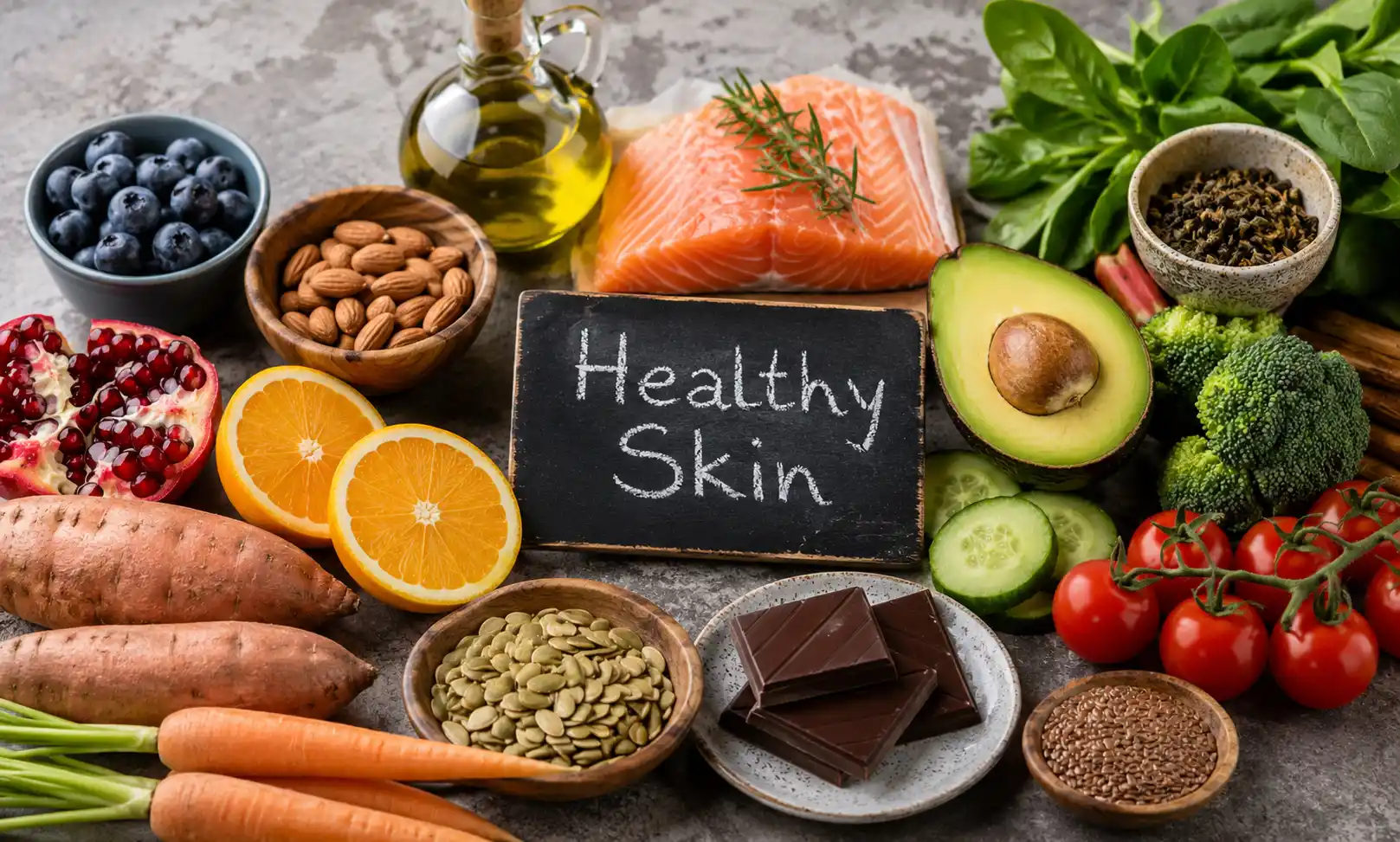
The list of foods that are good for your skin contains berries, fatty fish, avocados, leafy greens, nuts, seeds, citrus fruits, and tomatoes. These nutrient-dense foods include antioxidants, vitamins, healthy fats, and minerals, which help to produce collagen, hydrate skin, combat inflammation, and give skin a naturally healthy and radiant look.
Introduction
If you're looking for beautiful skin, it isn't an issue of product alone; it's also a matter of diet. If you are using costly skincare products but still have dry, dull, or acne-prone skin, it might be due to a lack of certain nutrients in your diet. Your skin is continuously healing, and these vitamins, minerals, healthy fats, proteins, and antioxidants are necessary for skin health. Fortunately, there are no complicated diets or costly superfoods to improve your skin. Eating the proper foods that contain the nutrients your skin needs can help nourish, support the production of collagen, hydrate, and shield your skin from daily damage caused by the environment. Here you'll learn the best healthy foods for your skin, how they work, and easy ways to use them in your diet to achieve naturally beautiful skin.
Key Takeaways
-
A healthy diet nourishes your skin from the inside out.
-
Vitamins A, C, and E help maintain healthy skin.
-
Healthy fats improve hydration and strengthen the skin barrier.
-
Antioxidants protect skin from environmental damage.
-
Consistency is more important than eating one "superfood."
Why Your Diet Is Important for Healthy Skin
Your skin is the largest organ in your body and acts as the first line of defense in protecting you from the outside world. It is exposed to the sun, pollution, varying weather conditions, and other environmental factors that over time can harm skin cells. Meanwhile, your skin is continually shedding old skin and replacing it with new skin, so proper nutrition is a key to maintaining healthy skin.
The foods you consume contribute to your body's production of collagen, repair damaged tissue, reinforce skin barrier function, and help to keep your skin hydrated. Your skin may appear dry, rough, dull, or more likely to be irritated when you don't get enough vitamins, minerals, healthy fats, and protein.
Though there isn't a single food you can eat to change your skin in a single day, a well-balanced diet with skin-supporting nutrients can help noticeably over time. Good skin health begins with healthy eating, in conjunction with adequate sleep, proper hydration, and regular physical activity, plus sun protection.
1. Fatty Fish
The best healthy foods for your skin are all naturally high in omega-3 fatty acids, which include fatty fish like salmon, sardines, trout, and mackerel. These healthy fats toughen up the skin's barrier, minimizing moisture loss and maintaining the skin soft, smooth, and hydrated.
Omega-3 fatty acids can also promote a normal inflammatory response that can benefit those with redness or irritated skin. Fatty fish are rich in healthy fats, as well as in high-quality protein available to the body for the development of collagen, vitamin D for the overall condition of the skin, and selenium, an antioxidant mineral that helps protect skin cells from oxidative stress.
Two or three times a week, consuming fatty fish is a good choice to promote skin and general health.
2. Avocados
Avocados are one of the best fruits to eat for healthy skin because it contains most nutrients. They contain monounsaturated fats that support your skin's moisture barrier, ensuring your skin remains soft and flexible.
They are also rich in vitamin E, which helps prevent skin cells from being harmed by free radicals, and in vitamin C, which aids in the production of skin collagen. These nutrients complement each other and help to increase skin elasticity and retain a youthful look.
Avocado can be eaten on whole-grain toast, in salads and smoothies – it's a simple way to add an avocado to a skin-loving diet.
3. Berries
Antioxidants in blueberries, strawberries, raspberries, and blackberries help to prevent your skin from being damaged by pollution, ultraviolet (UV) rays, or other environmental factors.
Berries are particularly high in vitamin C, a key ingredient in collagen production. Collagen is a structural protein that is responsible for the firmness, smoothness, and resiliency of your skin.
The natural anti-inflammatory properties can also help maintain a balanced skin tone and promote healthier skin in the long run.
4. Leafy Green Vegetables
Leafy greens such as spinach, kale, Swiss chard, and others are amongst the best healthy foods for your skin that have an abundance of vitamins, minerals, and plant compounds.
The vitamins contained in these vegetables are A, C, K, lutein, and beta-carotene. These nutrients work together to help renew skin cells, stimulate collagen production, and fight oxidative stress.
Leafy greens are also a hydrating food naturally high in water, so they are a good option for healthy hydration.
5. Tomatoes
Among the best healthy foods for your skin, tomatoes are a rich source of lycopene, a potent antioxidant that creates the vibrant red color of tomatoes. Lycopene can act as an antioxidant to defend skin cells from damage resulting from harmful environmental factors and ultraviolet (UV) rays. It's not meant to be sunscreen, but eating tomatoes on a regular basis might help your skin's response to sun damage.
Other good sources of vitamin C are tomatoes, which are needed for making collagen. Collagen is what makes skin firm, smooth, and elastic. Collagen is a natural component of the body that decreases as you get older, and vitamin C foods can help to support your body's collagen production.
Cooked tomatoes are a better source of lycopene than raw tomatoes because your body can absorb them better, particularly if you add a little healthy fat, such as olive oil, to your meals.
6. Sweet Potatoes
Sweet potatoes are rich in beta-carotene, a plant chemical that your body turns into vitamin A. This nutrient helps to promote healthy growth and renewal of skin cells, ensuring the skin remains smooth and healthy.
Beta-carotene also acts as an antioxidant, which works to prevent environmental stress to the skin. Apart from vitamin A, sweet potatoes are a source of fibre, potassium, and vitamin C, contributing to a balanced diet.
Roasted, baked, or steamed sweet potatoes can be a tasty side dish and part of a weekly menu.
7. Citrus Fruits
Citrus fruits, such as oranges, lemons, grapefruits, and limes, are renowned for their vitamin C content. It is an essential vitamin for the synthesis of collagen, for wound healing, and for the protection of the cell against free radical damage.
Vitamin C is also known to enhance iron absorption from plant foods. Iron helps to keep blood flowing well, and it will get oxygen and nutrients to skin cells easily.
It is important to get enough of this vitamin in your daily diet, and adding fresh citrus fruits to breakfast, salads, and snacks is an easy way to do this!
8. Nuts and Seeds
Almonds, walnuts, sunflower seeds, pumpkin seeds, chia seeds, and flaxseeds are great sources of nutrients that are essential for healthy skin.
Almonds and sunflower seeds contain a high concentration of vitamin E, which can help to defend the skin from oxidative harm and help to keep the skin's barrier well. Walnuts contain omega-3 fats, which assist in maintaining hydration and decrease inflammation.
Pumpkin seeds are high in zinc, which plays a role in collagen production, immunity, and healthy skin repair. Frequently eating some of the different nuts and seeds can offer you a range of nutrients that can help maintain your skin healthy.
9. Yogurt
Yogurt is a healthy food that helps maintain healthy skin in a number of ways. It contains high-quality protein to help repair your skin and build collagen.
There are also many kinds of yogurts that have probiotics, beneficial bacteria that help keep a healthy gut biome. There are emerging studies that indicate a connection between gut health and skin health, but additional research is still underway. A healthy gut flora may help in fighting the body's inflammatory reaction, potentially improving overall skin health.
Opt for plain, unsweetened yogurt, and top with fresh fruit or nuts for additional nutrients.
10. Green Tea
Green tea is known to have a noteworthy antioxidant value. It is rich in antioxidants and natural plant compounds known as catechins, which are beneficial to skin cell protection and skin health.
Regularly consuming green tea can help enhance hydration, elasticity, and minimize environmental damage effects, according to some studies. Although green tea doesn't cure anything, it may be helpful to incorporate it into a well-rounded diet, which can help you achieve healthier-looking skin in the long run.
To reap the best advantages, have freshly brewed green tea without too much added sugar.
11. Dark Chocolate
High-cocoa dark chocolate has flavonoids, which are antioxidants that can help to increase blood circulation to the skin and prevent oxidative stress.
Dark chocolate can help promote smoother, better hydrated skin when eaten in moderation as part of a healthy diet. But opt for those that are at least 70% cocoa and restrict intake, as chocolate remains a calorie-dense food.
Dark chocolate should be used as part of a well-balanced diet, not instead of other foods and drinks which are more nutritious, such as fruits and vegetables.
12. Colorful Vegetables
Colourful veggies such as bell peppers, carrots, broccoli, cucumbers, beets, and others have a very rich amount of vitamins, minerals, and antioxidants that are beneficial for healthy skin.
Orange vegetables are high in beta-carotene, and red vegetables are high in lycopene. Green vegetables are rich in vitamin K, folate, and chlorophyll, while purple vegetables are rich in anthocyanins. With an assortment of colourful vegetables, your body gets a wide range of nutrients that are interconnected and have a positive impact on the health of your skin.
Just a simple step is to have a variety of coloured vegetables each day.
Don't Forget Hydration
Water may not be a food; however, it's one of the most important habits for healthy skin. Water is involved in the transportation of nutrients in the body, in its normal functioning, and it provides hydration to the skin.
This is the case for many fruits and vegetables, such as cucumbers, watermelon, oranges, strawberries, celery, and lettuce, which provide a large amount of water and help boost your water content.
Get plenty of water all day long and include water-rich foods to help improve moisturized skin from the inside out.
How to Build a Skin-Friendly Diet
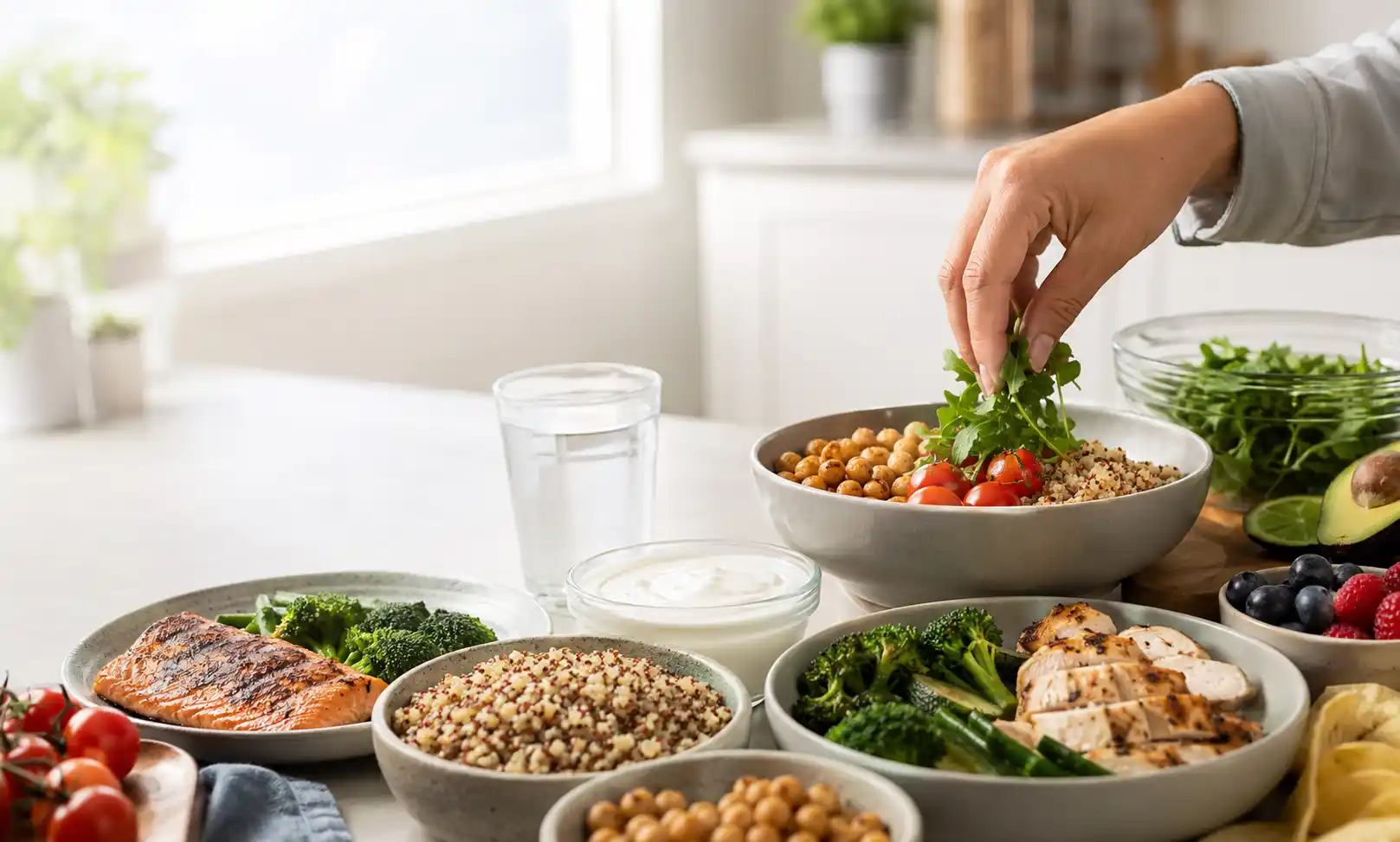
You don’t need a rigid weight loss plan or expensive specialty products to improve your pores and skin. Instead, focus on consuming a wide range of nutrient-dense foods every day. A balanced intake pattern provides your skin with the nutrients, minerals, proteins, healthy fats, and antioxidants it needs to restore and protect itself
Here are some simple habits that can help support healthier skin:
-
Fill half of your plate with colorful fruits and greens.
-
Include a supply of lean protein with fish, eggs, beans, or yogurt with every meal.
-
Choose healthy fats from avocados, nuts, seeds, and olive oil.
-
Replace sugary liquids with water or unsweetened green tea.
-
Eat whole grains rather than every delicate grain possible.
-
Instead of processed snacks, eat fresh fruit or a handful of mixed nuts.
These small, consistent choices can make a meaningful difference in your skin health over time.
Foods That May Affect Skin Health
While no single food causes skin problems for everyone, certain specially processed ingredients can also contribute to infection or affect skin health in certain people
Try to limit:
-
Sugar-sweetened beverages
-
Highly processed snacks
-
Deep-fried foods
-
Excessive fast food
-
Refined sweets and desserts
-
Excessive alcohol consumption
Aim for moderation and awareness in creating a basic balanced weight loss program filled with whole, nutrient-dense foods rather than eliminating meals.
Healthy Lifestyle Habits That Support Glowing Skin
Nutrition is only one part of healthy skin. Your daily lifestyle also plays an important role in maintaining a clear, healthy complexion.
To support your skin:
-
Drink enough water during the day.
-
Get 7–9 hours of high-quality sleep per night.
-
Exercise frequently to increase blood flow.
-
Wear sunscreen daily to shield against UV damage.
-
Avoid smoking, as it accelerates the aging of pores and skin.
-
Manage stress with relaxation strategies, meditation, or simple physical activity.
-
Follow a gentle skincare routine that suits your skin type and follow the repetitions.
When healthy eating is combined with these habits, your skin has a first-class chance to live healthy and resilient.
Frequently Asked Questions
What are the best healthy foods for your skin?
Some high-quality healthy ingredients for your skin are fatty fish, berries, avocados, leafy vegetables, citrus zest, tomatoes, sweet potatoes, nuts, seeds, and yogurt. These ingredients provide vital nutrients that support collagen formation, hydration, and skin repair.
Which vitamin is most important for healthy skin?
There is no single most important vitamin, as healthy pores and skin rely on many nutrients working together. Vitamins A, C, and E are especially needed for skin cell renewal, collagen production, and protection from oxidative stress.
Can healthy foods improve skin naturally?
Yes. A balanced diet rich in fruits, vegetables, healthy fats, lean proteins, and antioxidants can help your skin's natural restorative processes. While results vary from person to person, consistent healthy eating can improve general skin health over the years.
How long does it take for diet changes to affect your skin?
The skin is constantly renewing itself, so major upgrades can take numerous weeks. Consistently following a balanced weight loss plan and healthy lifestyle is more important than waiting for effects on the spot.
Is drinking water enough for healthy skin?
While drinking enough water supports hydration, healthy skin additionally depends on getting enough protein, healthy fats, vitamins, minerals, and antioxidants out of your diet. Water works beautifully as part of a general healthy lifestyle.
Conclusion
Choosing healthy foods for your skin is obviously the most effective and easiest way to help with a glowing complexion. While skin care businesses help protect your skin from the outside, the nutrients you eat nourish it from the inside. Foods like fatty fish, berries, avocados, leafy greens, citrus fruits, tomatoes, nuts, seeds, yogurt, and sweet potatoes provide important nutrients, minerals, healthy fats, and antioxidants that help retain hydration, support collagen formation, and protect against general environmental harm
Remember that sparkling skin doesn't come from one "superfood" or in a day's change. Consistently eating a balanced diet, staying hydrated, getting enough sleep, exercising often, and protecting your pores and skin from excessive solar exposure comes by making these healthy habits part of your daily routine; you can support more healthy pores and skin and boost your overall well-being for years to come.



Comments ( 0)
Leave a Comment
No comments yet. Be the first to comment!