

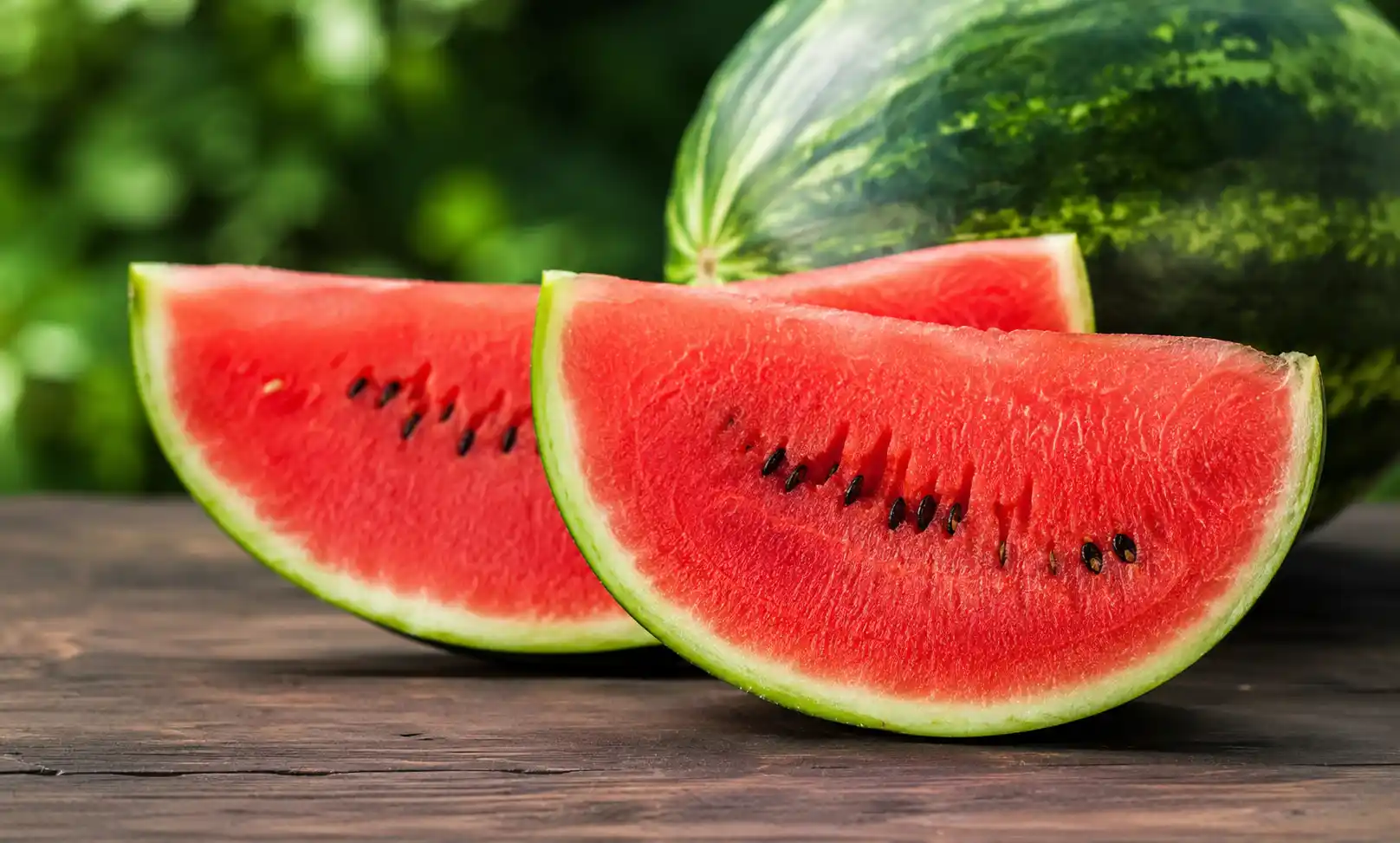
Watermelon is one of the healthiest low-calorie fruits because of its nutritional value. Every 100 grams of this product provides approximately 30 calories, 91.4 g of water, 7.6 g of carbohydrates, 0.6 g of protein, and valuable nutrients such as vitamin C, vitamin A, potassium, and lycopene. These nutrients help to keep you hydrated, healthy, and maintain a healthy heart, as well as healthy skin and immune system.
Introduction
Amongst all the fruits out there, watermelon is one of the most refreshing ones that you can enjoy, particularly during hot weather. It is a favorite amongst various ages for its sweet and juicy flavor but goes beyond just quenching thirst to providing health benefits. Who would have thought that nature's low-calorie fruit would also be full of water, essential vitamins, minerals, and potent antioxidants like watermelon? From increasing your intake of healthy foods to getting your full water intake, watermelon is a great food to add to your diet if you are trying to improve your eating habits, stay hydrated, lose weight, or just generally want to eat more nutritious foods. Here you will find its entire nutritional profile, the benefits of these nutrients to the body, and why watermelon should be part of a healthy, balanced diet.
Key Takeaways
-
Watermelon contains only 30 calories per 100 grams.
-
Around 91.4 grams of every 100 grams is water, making it highly hydrating.
-
It provides natural carbohydrates for energy while remaining low in fat.
-
Watermelon contains vitamin C, vitamin A, vitamin B6, potassium, magnesium, calcium, and phosphorus.
-
Lycopene, beta-carotene, and citrulline are key plant compounds that contribute to its health benefits.
-
Regularly eating watermelon may support heart health, hydration, healthy skin, digestion, and weight management.
-
It is a nutritious fruit that fits well into most healthy eating patterns.
What Is the Nutritional Value of Watermelon?
The benefits of watermelon are derived from the special combination of nutrients it contains, including antioxidants, natural carbohydrates, vitamins, minerals, and water. While it may seem like food for dessert, watermelon is actually quite low in calories and is low in fat as well, which is perfect for anyone seeking a naturally sweet and refreshing treat without all the calories.
The fresh watermelon contains around 30 calories, 91.4 g of water, 7.6 g of carbohydrates, 6.2 g of natural sugars, 0.6 g of protein, 0.2 g of fat, and 0.4 g of dietary fiber per 100 g of product. It also provides the body with beneficial nutrients like vitamin C, vitamin A, potassium, magnesium, and lycopene, which is responsible for the watermelon's characteristic red color.
These nutrients work together to maintain hydration, immune health, heart health, skin health, digestion, and overall health. Watermelon is one of the healthiest fruits to add to a balanced diet, as it provides nutrients without being high in calories.
Nutritional Components of Watermelon
People want to know what the nutrients are in watermelon. The nutritional value of this starts with its foundational nutrients like calories, water, carbohydrates, protein, fat, fiber, and naturally occurring sugars. These nutrients combine to ensure energy, hydration, and overall nutrition, while keeping the fruit light and refreshing.
Calories
There are roughly 30 calories in 100 grams of fresh watermelon, which makes it one of the lowest-calorie fruits. Its natural low-energy density means you can fill up and feel full without taking in a lot of calories. Therefore, watermelon is a great snack for those looking to keep a healthy weight or to cut down on their calorie intake without compromising on the sweetness of their diet.
Water
Watermelon's most notable quality is its moisture level. Every 100 grams will supply approximately 91.4 grams of water to replace losses due to sweating and routine living. Drinking plenty of water promotes good digestion, regulates temperature, keeps joints lubricated, carries nutrients around the body, and keeps the skin looking healthy.
Carbohydrates
The average amount of carbohydrates in 100g of watermelon is approximately 7.6g. These carbs are primarily from fruits that naturally contain sugars and provide immediate energy to the body for everyday use. Check the difference between processed sweets and watermelon: Watermelon provides all these carbohydrates, along with water, vitamins, minerals, and healthy plant substances.
Natural Sugars
The natural sugars in watermelon are about 6.2 grams per 100g. These are natural sugars, which are responsible for the sweet taste of the fruit without the need for added sugar. Eaten in moderation, as part of a well-rounded diet, watermelon can be a healthier choice than some of the sugary snacks and desserts that are available.
Protein
Watermelon is not one of the high-protein foods, but it contains about 0.6 grams of protein per 100 grams. Protein is essential for the body for the maintenance of muscles, repair of tissues, and many other important functions. Watermelon is a great addition to meals with cottage cheese or Greek yogurt for a more complete snack.
Fat
Take notice of the fact that watermelon is extremely low in fat – it has only 0.2 grams of fat per 100 grams of the fruit. It is also cholesterol-free, which is another reason why it's a heart-healthy fruit that can be incorporated into many healthy diets, such as Mediterranean and calorie-reducing diets.
Dietary Fiber
Approximately 0.4 grams of dietary fiber are found in every 100 grams of watermelon. This is not a ton of fibre but still provides beneficial effects on healthy digestion – it helps with bowel movements and helps to maintain a sense of feeling full. When eaten with other fruits and vegetables, legumes, and whole grains, watermelon contributes to digestive health.
Vitamins in Watermelon
Even though watermelon consists of 95% water, it contains a few key vitamins that are essential for the proper functioning of the body. They help to keep the immune system healthy, facilitate skin repair, enable vision, aid in energy production, and much more. Eating watermelon as part of a well-balanced diet is an easy way to boost your daily intake of these important nutrients.
Vitamin C
Watermelon contains an amount of vitamin C, about 8.1mg/100g.
Vitamin C is a strong antioxidant that helps to prevent damage to your body's cells from free radicals. It also strengthens the immune system, enabling your body to combat infections better. Vitamin C is also crucial to the production of collagen, a protein that helps maintain the strength of your skin, your blood vessels, your connective tissues, and faster healing of wounds.
Vitamin C also enhances the absorption of iron from plant foods, so having watermelon with leafy greens, beans, or lentils might help your body utilize the iron better.
Vitamin A
Vitamin A content in watermelon is about 28 mcg RAE per 100 g of fresh fruit (which is equivalent to about 569 IU).
This vitamin A is primarily in the form of beta-carotene, a natural pigment found in plants that your body uses to produce vitamin A when it is needed.
Vitamin A is essential for good vision, especially at night. It also helps maintain immune health, healthy skin, and normal cell growth. One of the indicators of the presence of beneficial carotenoids in watermelon, such as beta-carotene, is its bright red hue.
Vitamin B6
The vitamin B6 content of watermelon is approximately 0.045 mg per 100 g.
This is a small amount, but vitamin B6 has a number of important functions in the body. It assists in converting food into energy, maintains brain function, helps produce neurotransmitters that enable nerve cells to communicate, and supports a healthy nervous system.
Consuming diverse vitamin B6 foods such as watermelon regularly can promote the normal metabolism of your body.
Folate (Vitamin B9)
There are 3 mcgs of folate in about 100 g of watermelon. Folate is required for the production of DNA, cell growth and division, and red blood cell production.
It is in particular important in pregnancy, as it helps with the correct development of the child's brain and spinal cord.
Although it doesn't contain as much folate as the richer sources of it, watermelon will still increase your amount of it slightly within a diverse diet.
Minerals in Watermelon
Watermelon is also rich in several essential minerals which are vital to the heart, muscle function, healthy bones and other body systems. These minerals are in moderate amounts and make a contribution to the overall nutritional value of the fruit.
Potassium
The most significant mineral in watermelon is potassium.
Each 100 g contains about 112 mg of potassium.
Potassium is important for regulating fluid balance, maintaining normal blood pressure, muscle contractions, and proper nerve function. Potassium is a mineral that is important to the body's fluid balance and can be a good part of a heart-healthy diet due to its ability to balance sodium in the body.
Magnesium
The approximate amount of Magnesium in fresh watermelon is 10 mg/100 g.
Magnesium is involved in more than 300 biochemical reactions inside the body. It aids in maintaining healthy bones, blood sugar, and muscle and nerve function.
While watermelon is not a high magnesium food, all servings are part of your daily intake of magnesium.
Calcium
Watermelon has approximately 7 mg of calcium per 100 g.
Calcium is most famous for the health-promoting benefits it has on bones and teeth, but it also plays a role in normal blood clotting, nerve function, and muscle contractions.
Most of the calcium in foods is from dairy products and leafy green vegetables, but watermelon does provide small amounts, and a well-rounded diet will provide that calcium.
Phosphorus
The amount of phosphorus in watermelon is about 11mg/100g.
Phosphorus is a mineral that helps to build strong bones and teeth when combined with calcium. It also helps in the production of energy and in repairing cells and healthy body tissues.
Iron
Watermelon is a good source of iron, with an approximate content of 0.24 mg per 100 g.
The iron is needed to make hemoglobin, a protein in red blood cells that carries oxygen to all parts of the body. Good iron intake will lower the incidence of iron deficiency and contribute to energy and well-being.
The vitamin C in watermelon also could help your body absorb iron from other plant-based foods consumed at the same time.
Zinc
Every 100 grams of watermelon has about 0.10 mg of zinc.
Zinc is a mineral that is important for immune system functioning, wound healing, DNA production, and cell growth. Even though the quantity is quite tiny, it is a part of your daily mineral intake.
Copper
For every 100 grams you eat, watermelon will give you about 0.04 mg of copper.
Copper is one of the minerals that is needed to help you form red blood cells, keep the immune system working, protect the body tissues, and also provide the energy for the metabolic process.
Antioxidants and Plant Compounds in Watermelon
Besides vitamins and minerals, watermelon has a great content of natural antioxidants and plant compounds which can help in protecting your body's cells from being damaged by oxidative stress. These bioactive substances are the biggest reason why watermelon is regarded as one of the most nutritious fruits.
Lycopene
The primary antioxidant related to watermelon is lycopene. This is a major one.
One hundred grams of a ripe watermelon pack quite a bit of lycopene, roughly 4,500- 4,900 mcg. In fact, it is one of the natural food sources richest in this potent antioxidant.
Lycopene not only imparts the characteristic bright red hue to watermelon but also plays a role in shielding cells from the harmful influence of free radicals. Studies indicate that regular consumption of lycopene-rich foods may enhance cardiovascular health, improve lifespan, and assist in maintaining the integrity of blood vessels.
Beta-Carotene
Watermelon has about 300 micrograms of beta-carotene per 100 grams.
Beta-carotene is an antioxidant and can be converted in the body to vitamin A. It is good for the eyes, skin, and immune system, and it also helps to defend the cells from being damaged by oxidation.
L-Citrulline
L-citrulline is one of the most remarkable natural molecules in watermelon; it is an amino acid contained both in the pulp and the skin.
The precise quantity depends on the type and maturity of the fruit, but watermelon is widely known as one of the natural dietary sources richest in citrulline.
In the body, citrulline becomes arginine, the amino acid that helps synthesize nitric oxide. Nitric oxide is a molecule that dilates blood vessels, enhances the flow of blood, and may be one of the reasons why exercise performance improves and muscle soreness is lessened after a workout.
Other Beneficial Plant Compounds
Besides vitamin C and lycopene, watermelon has trace levels of flavonoids and carotenoids, which together play a role in defending the cells against oxidative stress. That's just one of the reasons why this delicious fruit can be a great part of a healthy diet and may even help sustain well-being in the long run.
Science-Backed Health Benefits of Watermelon
Watermelon is not only a refreshing fruit for summer. It is packed with water, vitamins, minerals, antioxidants, and healthy plant compounds, which is a reason why it offers various health benefits when eaten as part of a balanced diet. Of course, no single food is capable of preventing or curing diseases, but from the nutrients in watermelon, your body can get good support for different functions.
1. Helps Keep You Hydrated
Probably the biggest health benefit from watermelon is its potential to keep your body hydrated. Because approximately 91.4 grams of every 100 grams of watermelon is water, it aids in replenishing fluids lost through perspiration, physical activity, and even routine living.
Body hydration plays an important role in body temperature control, nutrient delivery, digestive system support, joint lubrication, and skin health maintenance. In fact, water consumption should remain your major hydration source. Yet consuming water-rich fruits such as watermelon could be seen as an indispensable part of your daily fluid intake.
2. Supports Heart Health
Watermelon has a mix of nutrients that help make your heart healthier.
For example, it has 112 mg of potassium per 100 grams, which has the effect of counteracting the impact of sodium and is beneficial for maintaining blood pressure within a good range. In addition, the fruit is a good source of lycopene, a type of antioxidant that can help safeguard the blood vessels against oxidative damage.
Yet another component, L-citrulline, promotes the production of nitric oxide in the body, the activity of which supports blood vessel relaxation and good blood circulation. By providing these substances, watermelon becomes a heart-healthy fruit that can be part of a balanced diet very well.
3. Strengthens the Immune System
Watermelon is a great boost to your immune system with its 8.1 mg of vitamin C in every 100 grams of fruit.
As a powerful antioxidant, vitamin C supports the capability of white blood cells as well as the protection of immune cells from the damage caused by free radicals. On top of that, watermelon is a source of vitamin A, which is instrumental in keeping your skin and mucous membranes healthy - your body's frontline defence against pathogens.
Adding vitamin C-rich fruits such as watermelon into your meals on a regular basis will definitely be one way to naturally strengthen your immune system.
4. Promotes Healthy Skin
Healthy skin is obtained through proper nutrition, and watermelon is an excellent source of many nutrients that are beneficial to the skin. Vitamin C supports the synthesis of collagen, the proteins responsible for strong, healthy skin.
Vitamin A maintains healthy skin cell growth, and lycopene and beta-carotene help defend the cells from oxidative damage from the sun and pollution.
The high water content of aloe vera gel also aids in skin hydration, which will leave a person looking fresher and healthier.
5. Supports Eye Health
Watermelon offers 28 mcg RAE of vitamin A per 100g as well as beta-carotene. These are both essential to healthy vision.
Vitamin A protects the surface of the eyes and is important for normal vision, mainly in dim light.
Beta-carotene is an antioxidant and may protect eye tissue from the effects of oxidative stress. While watermelon can't replace dark leafy greens and other sources of vitamin A, it still has a role to play.
6. Supports Healthy Digestion
Watermelon helps digestion with its unique mix of water and fiber.
Watermelon contains approximately 0.4 grams of fiber per 100-gram portion, whereas its abundant water content assists in the efficient passage of food through the digestive tract.
Though watermelon is not classified as a high-fiber fruit, it can be a part of a good digestive system as long as it's consumed with other foods rich in fiber, like vegetables, whole grains, legumes, and other fruits.
7. May Help With Healthy Weight Management
Watermelon is a great fruit to include in your diet if you want to lose weight.
Firstly, it just contains 30 calories for every 100 grams, so you can indulge in its delicious sweet taste without worrying about overeating calories. Besides, it's virtually all water, which also helps to promote satiety and contributes to making your hunger more manageable during the time between meals.
Also, if you swap those dessert items that are high in calories or close to added sugars for fresh watermelon, you may end up decreasing your total calorie consumption while still satisfying your desire for sweets.
8. Helps Protect Cells From Oxidative Stress
Our cells get attacked by free radicals that are produced due to normal metabolism but also through exposure to pollution, cigarette smoke, or ultraviolet radiation.
There are multiple antioxidants found in watermelon, such as lycopene, vitamin C, and beta-carotene, which contribute to the neutralization of free radicals before they can damage healthy cells.
It is really important to keep oxidative stress to a minimum since the damage caused by it to cells over a long period of time has been connected with aging and various chronic health problems.
9. May Support Exercise Recovery
Physically active people have discovered watermelon as a great option, as it naturally brings together hydration, carbs, potassium, and L-citrulline.
When you work out and sweat, your body loses water and energy, so you'll need to replenish both by drinking water and eating carbs. Potassium is a mineral that helps proper muscle function, and citrulline is a compound that has been investigated for its potential to improve blood circulation and alleviate muscle pain.
Watermelon can't be considered in total post-workout meal, but it can be a light, healthy, and delicious snack to have during recovery after the session.
10. Supports Healthy Aging
Natural antioxidants in watermelon can combat the free radicals that damage healthy cells naturally with age. Together, lycopene, vitamin C, and beta-carotene team up to alleviate oxidative stress and promote healthy cell function.
If you eat healthy, get plenty of exercise and sleep, and eat well while maintaining a healthy weight, you can include watermelon in your lifestyle for graceful aging.
Is Watermelon Good for Weight Loss?
Yes, watermelon can, in fact, aid in healthy weight loss if consumed as part of a balanced diet.
For starters, it is very low in calories, with only about 30 calories for every 100 grams, making it one of the lowest-calorie fruits out there. Since over 91 % of the fruit is water, it helps to increase fullness without providing many calories.
In addition, watermelon has 7.6 grams of carbohydrates per 100 grams that can provide energy naturally, and at the same time, it can be a better solution to your sweet cravings than processed desserts.
However, it must be stressed that no single food will by itself lead to weight loss. Losing weight soon is all about maintaining a calorie deficit, doing physical exercise regularly, getting enough sleep, and eating a wholesome diet in general.
One of the feasible methods through which you can nourish weight loss on the go is replacing high-calorie snacks with watermelon in reasonable quantities.
Best Time to Eat Watermelon
One of the best things about watermelon is that it can be eaten at any time of the day. It's not that different studies point to one particular time only as the right time for watermelon consumption. Actually, it will depend on your lifestyle, how active you are, and most importantly, what you like.
In the Morning
Eating fresh watermelon in the morning is a great way to rehydrate yourself after sleeping through the night. Since watermelon is mostly water, it really helps top you up, and the carbs in it give you a nice, light burst of energy for the day ahead.
As a Mid-Morning or Afternoon Snack
Watermelon is a great substitute for processed snacks since it not only appeases sweet cravings but also supplies vitamins, minerals, and antioxidants with relatively few calories. Storing watermelon in the fridge will definitely help you to choose healthy snacks more easily.
Before Exercise
Eating watermelon roughly 30 to 60 minutes before exercise can offer you natural carbs for energy as well as help you stay hydrated. Besides, due to its light texture, it gets digested much faster than most heavy snacks.
After Exercise
Watermelon makes a great and refreshing post-workout snack as it assists in replenishing fluids that are lost during sweating. Besides, the presence of water, potassium, natural carbs, and L-citrulline in watermelon may even assist with the recovery of your muscles after exercising.
Can You Eat Watermelon at Night?
Yes! If you're in good health, then watermelon evening consumption should be very safe for you. Yet, since watermelon has a high water content, eating a very large piece just before sleeping may cause waking up more often for urination at night. A reasonable portion is usually a healthier option.
Who Should Eat Watermelon?
Watermelon is a nutritious fruit that adapts well to most healthy consumption patterns. People of almost all ages can experience it as part of a balanced meal plan.
It is especially suitable for:
-
Children who need naturally sweet and nutritious snacks.
-
Adults looking for a low-calorie fruit.
-
Older adults who may benefit from additional hydration.
-
Athletes and physically active individuals needing fluids after exercise.
-
People following a heart-healthy eating pattern.
-
Individuals trying to manage or maintain a healthy weight.
Its refreshing taste and very good food profile make watermelon a smooth fruit to have in everyday meals and snacks.
Who Should Limit Watermelon?
Although watermelon is healthy, some people should pay more attention to portion size or seek the advice of a healthcare professional.
People With Diabetes
Watermelon has 6.2 grams of its own natural sugar and 7.6 grams of carbohydrates in every 100 grams. Diabetic people don't have to stop eating watermelon entirely, but controlling the amount and combining it with protein or healthy fats might aid in blood sugar management. Just make sure to stick to the guidance of your healthcare professional or registered dietitian.
People With Advanced Kidney Disease
Because watermelon contains 112 milligrams of potassium per hundred grams, people suggested to restrict potassium due to kidney disease should talk to their healthcare team about appropriate dosages of care
People With Sensitive Digestion
Some people who have irritable bowel syndrome (IBS) or are sensitive to certain types of fermentable carbohydrates might feel bloated or have other digestive issues after eating a lot of watermelon. Usually, consuming a reasonable serving size is much more comfortable.
Expert Tips
To enjoy the greatest nutritional benefits, keep these practical tips in mind:
-
Choose a ripe watermelon with a creamy yellow field spot and a hollow sound when tapped.
-
Wash the outer rind thoroughly before cutting to reduce the risk of transferring bacteria to the flesh.
-
Eat fresh watermelon soon after cutting to enjoy its best flavor and nutritional quality.
-
Store leftover watermelon in an airtight container in the refrigerator and consume it within a few days.
-
Pair watermelon with protein-rich foods like Greek yogurt, cottage cheese, or a handful of unsalted nuts for a more balanced snack.
-
Avoid adding extra sugar, syrup, or sweetened toppings.
-
Include watermelon as part of a varied diet rich in fruits, vegetables, whole grains, lean proteins, and healthy fats.
Frequently Asked Questions
What is the nutritional value of watermelon per 100 grams?
Fresh watermelon contains roughly 30 calories per 100 grams. Besides, it has about 91.4 g of water, 7.6 g of carbohydrates, 6.2 g of natural sugars, 0.6 g of protein, 0.2 g of fat, 0.4 g of fiber, 8.1 mg of vitamin C, 28 mcg RAE of vitamin A, 112 mg of potassium, and 7 mg of calcium, and antioxidants like lycopene and beta-carotene.
Is watermelon healthy to eat every day?
Really, watermelon is a fruit that virtually anyone in good health can eat daily as long as it is consumed in moderate portions and alongside a balanced diet. In fact, apart from being low in calories naturally, this fruit also helps contribute hydration, vitamins, minerals, and antioxidants to the body.
Is watermelon good for weight loss?
Yes. Since watermelon only has about 30 calories per 100 grams and also contains more than 91% water, it can be a great way to curb your appetite while maintaining low-calorie consumption. It is most effective when combined with a balanced healthy lifestyle.
Does watermelon help keep you hydrated?
Definitely. Around 91.4 grams out of every 100 grams of watermelon is water. This makes watermelon one of the fruits with the highest water content and capable of meeting your daily hydration needs in combination with drinking sufficient water.
What nutrient is watermelon best known for?
Watermelon is most commonly recognized for being a great natural source of lycopene, which is a strong antioxidant responsible for the fruit's red color. It has also been acknowledged for supplying vitamin C, vitamin A, potassium, and the amino acid L-citrulline.
Conclusion
Watermelon not only has a high water content, but it is also packed with nutrients, which makes it a great fruit to incorporate in your diet if you are looking for nutritional value. Per 100g, it contains hydration, natural carbohydrates, vitamins, minerals, and antioxidants. Worth noting, there are only about 30 calories in 100 grams of watermelon. Also, watermelon can help with many health aspects, from heart health and immunity to healthy skin, digestion, and weight management.
The most beneficial way to consume watermelon is by having it in your diet with other fruits, vegetables, whole grains, lean protein, and healthy fats. Eating it as a snack, mixing it in salads or smoothies, or taking it post-workout are all tasty and healthy ways of getting the benefits that watermelon has to offer.



Comments ( 0)
Leave a Comment
No comments yet. Be the first to comment!