


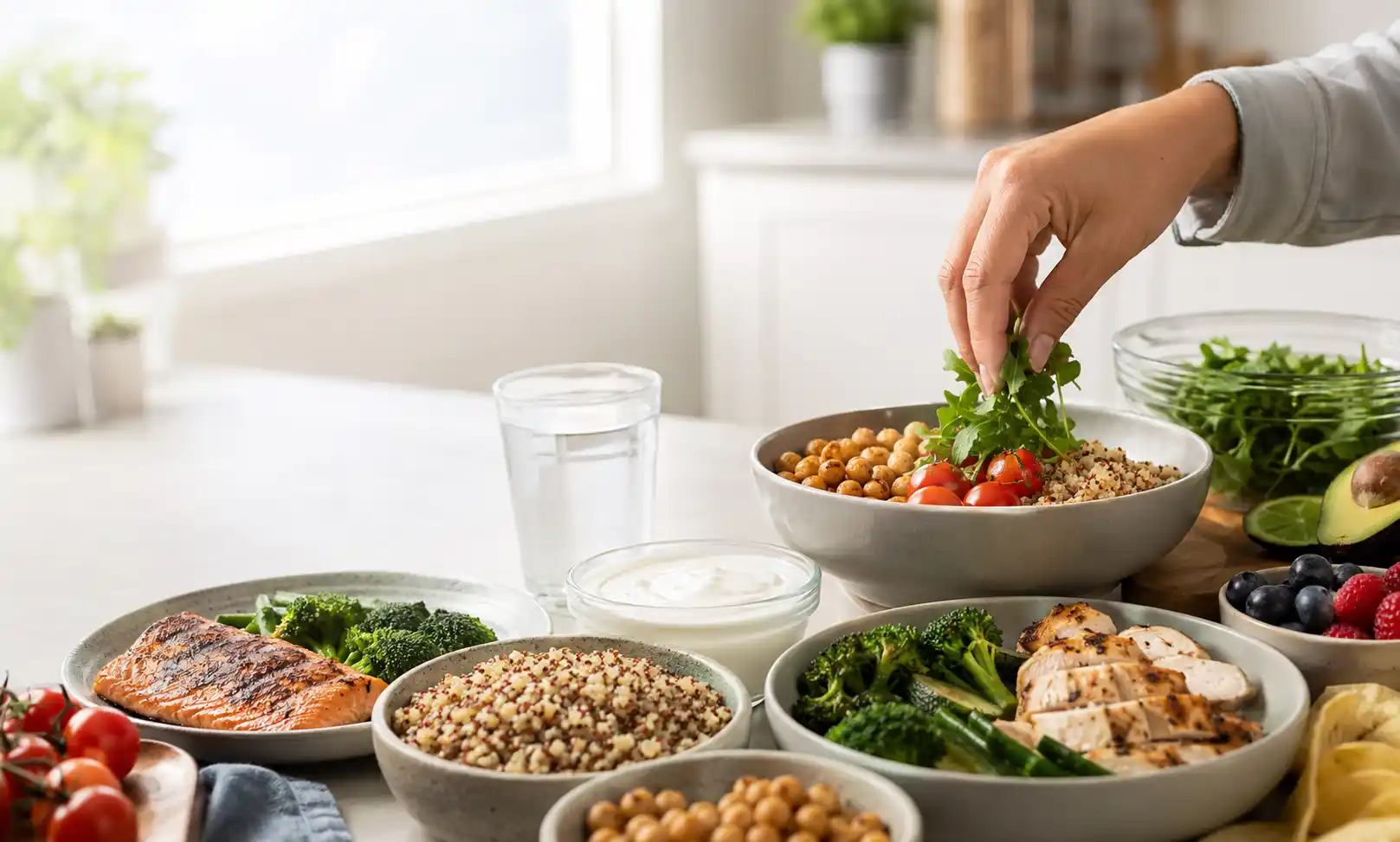
Balanced meals, blood sugar-friendly meals are made up of healthy fats, lean protein, non-starchy vegetables, and fiber-rich carbohydrates, which help maintain stable blood sugar levels. They help maintain consistent energy levels, lower blood sugar rises after meals, and are a good option for people with diabetes, prediabetes, or anyone wanting to improve their health.
Blood Sugar Friendly Meals: Simple, Delicious Choices for Better Health
Introduction
Ever experience tiredness, fatigue, or being full after eating for a short period? One of the reasons might be the foods you are eating on your plate. Picking (blood sugar-friendly meals) is not just for those who have diabetes but may also help anyone experience more steady energy, fewer cravings, and enhanced lasting health. Fortunately, you don't have to follow a strict diet or cut back on your favorite foods. With a few smart choices and making balanced meals, you can help keep your blood sugar levels healthy without sacrificing your appetite and the enjoyment of your food. This guide will explain to you what meals that are blood sugar-friendly are, why they are important, and how you can make meals that are blood sugar-friendly every day.
Key Takeaways
-
Meals that are kind to your blood sugar usually have fiber, protein, healthy fats, and nutrient-rich carbohydrates.
-
A balanced plate is a way to lessen quick blood sugar highs after a meal.
-
In most cases, unprocessed or minimally processed foods are a healthier option than those that are highly processed.
-
How big the portion is matters just as much as what kind of food it is.
-
If you eat at the same time every day, it might also help keep your blood sugar level pretty stable.
-
A healthy diet can be a great way to support your overall health, not just diabetes.
-
Even small adjustments in your diet over time can add up to significant health improvements.
What Are Blood Sugar-Friendly Meals?
Blood sugar-friendly meals are meals identified as meals that help your body to process carbohydrates more slowly, so that there is not a sharp rise or fall in blood sugar. Instead of cutting out carbohydrates, these meals are designed to select higher-quality carbohydrates, as well as include protein, healthy fats, and fiber.
This might be a quinoa salad with salmon, avocado, and chickpeas, grilled chicken with roasted vegetables and quinoa, or a salad with avocado, chickpeas, and salmon. These blends take longer to break down than refined carbohydrates or sugary foods.
The rise in popularity of the "blood sugar-friendly" diet is due to awareness that a steady blood sugar level plays a role in more than just diabetes control. It can also help to improve energy, concentration, weight management, and reduce the risk of developing some chronic diseases over time.
Blood Sugar Friendly Meals are important to people because they are convenient, versatile, and work with a wide variety of diets. The principles outlined here can be used for a Mediterranean, vegetarian, or balanced whole food diet.
What Makes a Meal Blood Sugar Friendly?
We view a meal as being friendly to blood sugar if it has nutrients in the right proportions that not only slow down the process of digestion but also help the glucose to get into the bloodstream gradually rather than getting into it all at once.
Generally, a meal friendly to blood sugar consists of:
-
A source of lean protein such as chicken, fish, eggs, tofu, or beans.
-
Plenty of non-starchy vegetables like spinach, broccoli, peppers, cucumbers, or cauliflower.
-
High-fiber carbohydrates such as oats, brown rice, quinoa, lentils, beans, or sweet potatoes.
-
Healthy fats from foods like avocado, olive oil, nuts, or seeds.
-
Water or unsweetened beverages instead of sugary drinks.
For instance, some moderate brown rice goes with some grilled salmon, a side serving of steamed broccoli, and a side serving of salad. The protein, fibre, and healthy fats help to slow your digestion, helping the body to control blood sugar.
It's not about eliminating all carbs. On the other hand, it's about selecting the right carbohydrates and eating them in combination with other nutritious foods that allow for a sustained release of energy.
How Do Blood Sugar-Friendly Meals Work?
Carbohydrates break down into glucose every time you consume them, and the glucose enters your bloodstream. The body then produces insulin, a hormone that transports glucose to the cells, which use it for fuel.
Refined carbohydrates or added sugars are quickly digested. This can result in a quick boost of blood sugar followed by a quick drop later in the day. These fluctuations can make it appear as though you are hungry, tired, or hungry for more sweets.
Blood sugar-friendly meals work in a different way, as they slow this process.
Fiber Slows Digestion
Fiber, determined by green fruits, parsnips, and whole grains, slows the movement of food through the digestive tract. This gradually allows more glucose to enter the bloodstream.
Protein Promotes Fullness
Proteins take longer to digest than carbohydrates. Including protein at every meal helps you live happier, longer, and can reduce the urge to snack on high-sugar foods at meals.
Healthy Fats Support Balanced Meals
Healthy fats from foods like nuts, seeds, olive oil, and avocados also slow down the emptying of the stomach. This helps with blood sugar stability and long-term energy.
Portion Control Matters
Healthy ingredients can also affect blood sugar if eaten in very small amounts. Paying interest in service sizes facilitates consistency without feeling deprived.
Consistent Meal Timing
Sometimes, not eating enough food early in the day will result in overeating later in the day. Regular meals (with a balanced diet) can help maintain blood sugar and energy levels throughout the day.
Combined, these habits make for more satisfying, nutritious, and easier-to-manage meals than meals that are heavy on refined grains, sugary snacks, or sweetened drinks.
Health Benefits of Blood Sugar-Friendly Meals Backed by Science
A nutritious food plan with a healthy blood sugar level can provide a lot more than just blood sugar level control. A stable blood sugar level can have a positive impact on your health in several ways, since good blood sugar is essential for the proper functioning of all body organs. Although no single meal will cure or prevent disease, regularly selecting meals that are good for blood sugar levels can help a person maintain a healthy life if they also engage in regular exercise, get adequate sleep, and follow other healthy living practices.
Blood Sugar Control
Steadier Blood Sugar Throughout the Day
The most significant advantage of blood sugar-friendly meals is that they help to lower blood sugar spikes after eating. Foods with a mixture of fiber, lean protein, healthy fats, and complex carbohydrates are more slowly digested, so glucose is released into the bloodstream more slowly.
This could help people with diabetes or prediabetes regulate their blood sugar more easily. Stable blood sugar can help prevent people with or without these conditions from getting too tired and from having a lot of hunger.
Better Long-Term Glucose Management
Each day you make healthier food choices, the effects will last a lifetime. Switching over to whole grains, eating more vegetables, and cutting back on added sugar can help to maintain better blood sugar levels over time.
Keep in mind that the overall diet is more important than any one food. This is because a balanced lifestyle, done consistently, will get you better results than taking one of the occasional "healthy" meals.
Weight Management
Helps You Feel Full for Longer
One of the reasons many people struggle with weight control is general hunger. A meal rich in delicate carbohydrates regularly digests quickly, creating a hunger for quick return visits.
Blood sugar-friendly meals usually contain:
-
Fiber-rich vegetables
-
Lean protein
-
Healthy fats
This combination increases fullness, making it easier to control portions without feeling constantly hungry.
Supports Healthy Eating Habits
A lot of people will find that when their blood sugar levels are quite stable, their cravings for sweet things and sugary drinks reduce Much, or even stop completely. As a result, eating healthy can feel like a sustainable lifestyle change rather than a diet of deprivation.
Balanced meals lead to the formation of long-term habits that are easier to sustain. So it's better to build balanced meals than to go on extreme diets.
Heart Health
Supports Healthy Cholesterol Levels
Many foods included in blood sugar-friendly meals also support heart health.
Examples include:
-
Oats
-
Beans
-
Lentils
-
Nuts
-
Seeds
-
Olive oil
-
Fatty fish
These foods provide fiber and healthy fats that can be part of a heart-pleasing intake.
May Help Support Healthy Blood Pressure
Foods that are made mainly out of vegetables, fruits, legumes, and very little processed food are usually rich in potassium, magnesium, and other minerals that help maintain normal blood pressure when these foods are part of a generally healthy way of living.
Because the risk factors of heart disease and diabetes very often overlap, blood sugar-targeted food choices may also help preserve heart health.
Digestive Health
Fiber Feeds a Healthy Gut
Vegetables, fruits, legumes, and whole grains provide dietary fiber that supports healthy digestion.
Fiber helps:
-
Promote regular bowel movements
-
Feed beneficial gut bacteria
-
Increase feelings of fullness
-
Support overall digestive function
A healthier gut may also influence immune function and overall wellness.
Reduces Reliance on Highly Processed Foods
Eating whole foods instead of processed snacks also increases fiber intake by reducing excess sugar, fine flour, and bad fat
This simple trade-off supports good digestive health over the years.
Energy Levels
More Consistent Energy
Did you know that your blood sugar levels can directly impact your energy levels?
Usually, a rapid spike in blood sugar is soon followed by a crash, which leaves you feeling very tired.
Meals that do not raise your blood sugar drastically are a great way to keep you feeling alert all day long.
Having a consistent source of fuel can turn even the hardest daily tasks into something you do with pleasure and help your productivity.
Better Physical Performance
Whether you’re running, working out, or caring for your family, your frame performs beautifully with a regular energy supply.
A balanced meal helps deliver gas consistently instead of short bursts with exhaustion.
Brain Health
Supports Better Focus and Concentration
Your brain derives energy from glucose, yet it functions most efficiently when the levels of glucose do not fluctuate much.
Substantial changes in blood sugar might be the reason why some people experience concentration problems or brain tiredness.
Eating balanced meals is one way of ensuring that your brain functions at a normal level, as it will be receiving a stable supply of energy.
Encourages Better Daily Performance
Stable energy may support:
-
Learning
-
Memory
-
Productivity
-
Decision-making
-
Mental clarity
While nutrition is only one part of brain health, it's an important foundation.
Immune Support
Nutrient-Dense Foods Strengthen Overall Nutrition
Blood sugar-friendly foods often include colorful vegetables, fruits, legumes, nuts, and seeds.
These foods supply important nutrients such as:
-
Vitamin C
-
Vitamin A
-
Vitamin E
-
Zinc
-
Selenium
-
Plant antioxidants
Together, these nutrients help the day-to-day immune apparatus function.
Reduces Nutritional Gaps
Consuming a diverse array of whole foods will help you get all the vitamins and minerals your body needs daily.
There isn't one magic food that can suddenly make your immune system stronger, but eating a well-balanced diet all the time is one of the ways to keep you healthy overall.
Muscle Health
Protein Helps Maintain Muscle
Lean protein is one of the foundations of a blood sugar-optimal diet.
Foods such as:
-
Fish
-
Chicken
-
Eggs
-
Greek yogurt
-
Tofu
-
Lentils
-
Beans
Offer amino acids that help preserve muscle groups.
This becomes increasingly important with aging, ordinary exercise, or weight loss efforts.
Supports Recovery
After physical activity, a balanced meal containing protein and healthy carbohydrates helps replenish power stores and supports general muscle recovery.
What Research Says
Studies always indicated that the overall diet pattern is more important than individual "superfoods" in managing blood sugar levels. Consuming meals high in vegetables, legumes, whole grains, lean protein, and healthy fats correlates with better blood sugar control and improved overall metabolism.
Research also found that eating foods high in fiber instead of refined grains and sugary foods can help lower blood sugar levels after eating. Protein and good fats can also slow digestion, which can help prevent a rapid increase in blood glucose.
There is evidence that adhering to eating patterns (including the Mediterranean diet and other whole foods and balanced diets) is associated with blood sugar-friendly foods, as they are a natural component. These diets have been associated with improved heart health, body weight, and metabolic regulation.
Researchers also stress the importance of nutrition in combination with other healthy behaviors. Regular exercise, maintaining a healthy weight, reducing stress, drinking plenty of water, and getting a good night's sleep are all important factors in keeping blood sugar levels healthy.
The most important thing to get from the existing studies is that there is no one "perfect" food that regulates blood sugar. Instead, regular consumption of balanced, nutritious meals, over the long term, is most beneficial to overall health.
Potential Risks or Side Effects
In principle, eating blood sugar-friendly meals should not be a problem for most of us. But, if you have a health condition or take medicines that influence your blood sugar, drastic changes in your diet need to be implemented thoughtfully.
Blood Sugar May Drop Too Low for Some People
For people on insulin or some diabetes drugs, a change to a lower-carb or a higher-fiber diet might result in blood sugar going down even more than you would have expected. It's not that blood sugar-friendly meals are bad, but you might need to change your medication dose after consulting your healthcare provider.
Increasing Fiber Too Quickly
Many blood-sugar-friendly foods include more vegetables, beans, lentils, peanuts, and whole grains than a typical diet. Suddenly consuming too much fiber can lead to the following:
-
Bloating
-
Gas
-
Mild stomach discomfort
A slow surge in fiber, alongside adequate water intake, generally enables a turnover of your digestive apparatus.
Portion Size Still Matters
Even healthy foods have calories and carbs in them. For instance, if you overeat brown rice, oats, fruit, nuts, or whole-grain bread, blood sugar might go up.
Choosing "healthy" foods is not the only criterion; it is a balanced meal that matters the most.
Individual Needs Are Different
Age, exercise habits, drugs used, food intolerance, and diseases determine the most suitable diet. The things that are good for one person may not be fit for the other.
In case of diabetes, nephropathy, or any other chronic ailment, it is best to get tailored advice from your doctor or a registered nutritionist.
Who May Benefit Most?
Almost anyone can benefit from eating a balanced diet; however, some organizations may even notice greater improvement.
Adults Looking to Improve Overall Health
A balanced diet provides daily energy and makes it simple to satisfy the nutrient needs each day. They can also help with healthy eating habits that remain over time.
People with Prediabetes
Prediabetes is most often a chance for making healthy lifestyle changes. Eating blood sugar-friendly meals, doing regular exercise, and keeping a healthy weight may help improve blood sugar control and lower the risk of type 2 diabetes.
People Living with Type 2 Diabetes
For many individuals living with type 2 diabetes, collaborating with their healthcare team to design recipes that assist in maintaining blood sugar levels within the desired range is one of the ways they work. Opting for high-fiber carbohydrates, low-fat protein, and good fats could be a significant portion of that strategy.
People Trying to Lose Weight
A balanced meal helps increase fullness, reduce unnecessary snacking, and simplify ingredient management without feeling deprived.
Busy Professionals
Long work days often lead to skipping meals or resorting to fast food. Preparing a blood sugar-friendly meal that is already easy to maintain can provide consistent energy and reduce afternoon fatigue.
Older Adults
As people age, preserving muscle groups, cardiovascular health, and healthy blood sugar becomes increasingly important. A nutritious, balanced diet can support healthy aging.
Athletes and Active Individuals
Stable blood sugar facilitates providing regular energy before, at some point, and after physical activities. Pairing pleasurable carbohydrates with protein also helps with healing.
Who Should Be Cautious?
Blood sugar-friendly meals are generally safe, but some individuals should take extra care.
People Taking Diabetes Medication
When you are on insulin or other drugs that reduce blood sugar, changing your diet might alter the way these medications affect your body. Keep checking your blood sugar as prescribed and talk to your doctor if you make considerable changes.
People with Kidney Disease
Some of the foods that are friendly for blood sugar control, like beans, dairy, nuts, seeds, and certain fruits, may be limited according to the stage of your kidney disease. A registered dietitian can help you make an eating plan that takes into account both kidney and blood sugar requirements.
Pregnant Women
Maintaining a healthy blood sugar level is very critical during pregnancy. If you suffer from gestational diabetes or any other health condition, adhere to the meal plan advised by your medical team instead of one based on generic recommendations.
People with Food Allergies or Intolerances
Many nutritious foods can be replaced with suitable alternatives. For example:
-
Dairy products can be substituted with fortified unsweetened plant-based alternatives.
-
Where allergies exist, nuts can be replaced with seeds most of the time.
-
You can use gluten-free whole grains like quinoa or brown rice to replace wheat products.
The aim remains the same: create a balanced meal that works on the needs of your man or woman.
Best Ways to Build Blood Sugar-Friendly Meals
Preparing a red sugar happy meal doesn't have to be complicated. The easy-to-make plate method works well for the maximum number of people.
Fill Half Your Plate with Non-Starchy Vegetables
Choose colorful vegetables such as:
-
Broccoli
-
Spinach
-
Cauliflower
-
Bell peppers
-
Green beans
-
Cucumbers
-
Tomatoes
-
Zucchini
-
Cabbage
These foods are obviously high in fiber and vitamins and exceptionally low in carbohydrates.
Include a Lean Protein Source
Good choices include:
Protein helps increase fullness and supports muscle health.
Choose High-Fiber Carbohydrates
Instead of refined grains, choose:
-
Oats
-
Brown rice
-
Quinoa
-
Barley
-
Sweet potatoes
-
Whole-grain bread
-
Beans
-
Lentils
These carbohydrates digest more slowly than incredibly processed alternatives.
Add Healthy Fats
Healthy fats improve satisfaction and support heart health.
Examples include:
Drink Smart
Water should be your primary beverage.
You can also choose:
-
Unsweetened tea
-
Black coffee (in moderation)
-
Sparkling water without added sugar
Limit sugary soft drinks, sweetened juices, and energy drinks whenever possible.
Common Mistakes People Make
Completely Avoiding Carbohydrates
Carbohydrates are not the enemy. They are necessary for the energy of your frame. The secret is deciding on extraordinary carbohydrates and consuming appropriate portions.
Believing "Sugar-Free" Always Means Healthy
Some sugar-unbound ingredients are highly processed, however, and may include refined starches or dangerous fats. Always look at the overall nutrition staff.
Ignoring Portion Sizes
Eating, in addition to healthy ingredients, can still have an impact on blood sugar. Moderation remains important.
Skipping Meals
Skipping breakfast or lunch can additionally lead to overeating within the day, making it extra difficult to control blood sugar.
Drinking Calories Without Realizing It
Sweetened coffee drinks, fruit juices, flavored milk, and fatty liquids can contain huge amounts of infused sugar. Choosing water or an unsweetened beverage is usually a better option.
Depending on Supplements Instead of Healthy Meals
No supplement can update a balanced weight loss plan. Whole foods provide fiber, vitamins, minerals, and beneficial plant compounds that work together to aid fitness.
Expert Tips for Building Blood Sugar-Friendly Meals
-
Plan your meals ahead of time. Having healthy ingredients available makes it easier to avoid last-minute processed food choices.
-
Pair carbohydrates with protein. Instead of eating fruit alone, pair it with Greek yogurt or a handful of nuts for a more balanced snack.
-
Choose whole foods most of the time. Fresh vegetables, fruits, legumes, whole grains, and lean proteins are generally better choices than highly processed convenience foods.
-
Read nutrition labels carefully. Look beyond marketing claims and pay attention to added sugars, fiber content, and serving sizes.
-
Practice mindful eating. Eat slowly, chew thoroughly, and stop when you're comfortably full rather than overly stuffed.
-
Stay physically active. Even a short walk after meals can support healthy blood sugar and improve overall fitness.
-
Aim for consistency, not perfection. One less-than-ideal meal won't undo your progress. Focus on building healthy habits that you can maintain for the long term.
Frequently Asked Questions
What foods are considered blood sugar-friendly?
Food that is friendly to blood sugar is the one that helps in maintaining the level of blood glucose quite stable, instead of causing rapid and sudden increases. Such foods generally are non-starchy vegetables, whole grains, legumes, lean meats, healthy fats, nuts, seeds, and fruits that have a low-sugar content, like berries. It is important not only to select healthy food but also to combine it in balanced meals. For instance, consuming carbohydrates with protein and healthy fats can make the digestion process slower and, as a result, energy will be produced for a longer time.
Can blood sugar-friendly meals help with weight loss?
Really, they have the ability to help promote a healthy weight loss when paired with regular exercise and a calorie-appropriate diet in general. Since these meals are packed with protein and fiber, they make you feel satiated for a longer time and may also decrease your desire for sugary treats. Instead of being a strict diet, blood sugar-friendly eating promotes sustainable habits that are more likely to be kept up with over time. Generally, safe weight loss is a slow process and results from making several lifestyle changes that are carried out consistently.
Are blood sugar-friendly meals only for people with diabetes?
No, these meals aren't exclusive to people with diabetes or prediabetics only; in fact, anybody can benefit from them. Keeping your blood sugar level stable is one of the ways to have energy all the time, it helps to control your appetite, and it leads you to eating healthy most of the time. A lot of the blood sugar-friendly foods are also good for the heart, the digestive system, and the nutrients of the whole body. Because of this, this way of eating is considered for the overall health and well-being as well.
What should a blood sugar-friendly breakfast include?
A balanced breakfast consists of protein, fiber, healthy fats, and quality carbohydrates. Well-balanced and nutritious meals are oatmeal with berries and walnuts, Greek yogurt with chia seeds, and eggs accompanied by whole-grain toast and vegetables. Such mixtures offer longer-lasting energy versus sugary breakfast cereals or pastries. Besides, consuming a balanced breakfast can help curb hunger during the remainder of the day.
Which carbohydrates are best for healthy blood sugar?
High-fiber carbohydrates are usually best since they digest more slowly than refined ones. Quality examples are oats, quinoa, brown rice, lentils, beans, sweet potatoes, barley, and whole-grain bread. Besides providing vitamins, minerals, and fiber, these foods also help moderate blood sugar increase. But, even with healthier carbohydrate choices, portion control is still crucial.
Conclusion
Selecting blood sugar-friendly foods is among the easiest methods you can use for promoting your general health. Consuming meals containing mostly fiber-rich vegetables, lean sources of protein, healthy fats, and high-quality carbs is a great way of helping to keep your blood sugar levels more stable, experience energy more reliably, and develop eating practices that are less challenging to follow over time.
Do not expect that there is one "perfect" meal or a wonder food. It is through balanced choices made day after day that results last. If your goal is controlling diabetes, lowering your risk of chronic diseases, keeping a healthy weight, or simply having good overall health, prioritizing wholesome, balanced meals is a feasible move in the right direction.
Take a step here and there only if this manner of living is very unfamiliar to you. Switch out one processed meal for a homemade and balanced one; increase the volume of vegetables you have at dinner; or replace the sweetened beverages with plain water. Slowly but surely, these little changes can turn into permanent habits that will make sticking to better health easier.
Article Summary
-
Blood sugar-friendly meals usually mean the mixing of fiber-rich carbs, lean protein, healthy fats, and plenty of vegetables to help keep blood sugar levels more stable.
-
Consuming meals in a balanced way can help maintain a steady supply of energy, manage a healthy weight, take care of the heart, support the digestive system, and enhance one's general health.
-
Whole food items, including vegetables, pulses, whole grain products, lean protein sources, nuts, seeds, and healthy fats/oils, can be the best options to make blood sugar-friendly meals.
-
It is a good idea to control the size of portions, have meals at about the same time every day, engage in physical activity regularly, and drink enough water; all these factors combined can help the body to maintain a healthy level of blood sugar.
-
Long-lasting lifestyle changes that one can adhere to - not extreme diets or "superfoods" - will give the most significant benefits in the maintenance of healthy blood sugar levels and promotion of overall good health.



Comments ( 0)
Leave a Comment
No comments yet. Be the first to comment!