

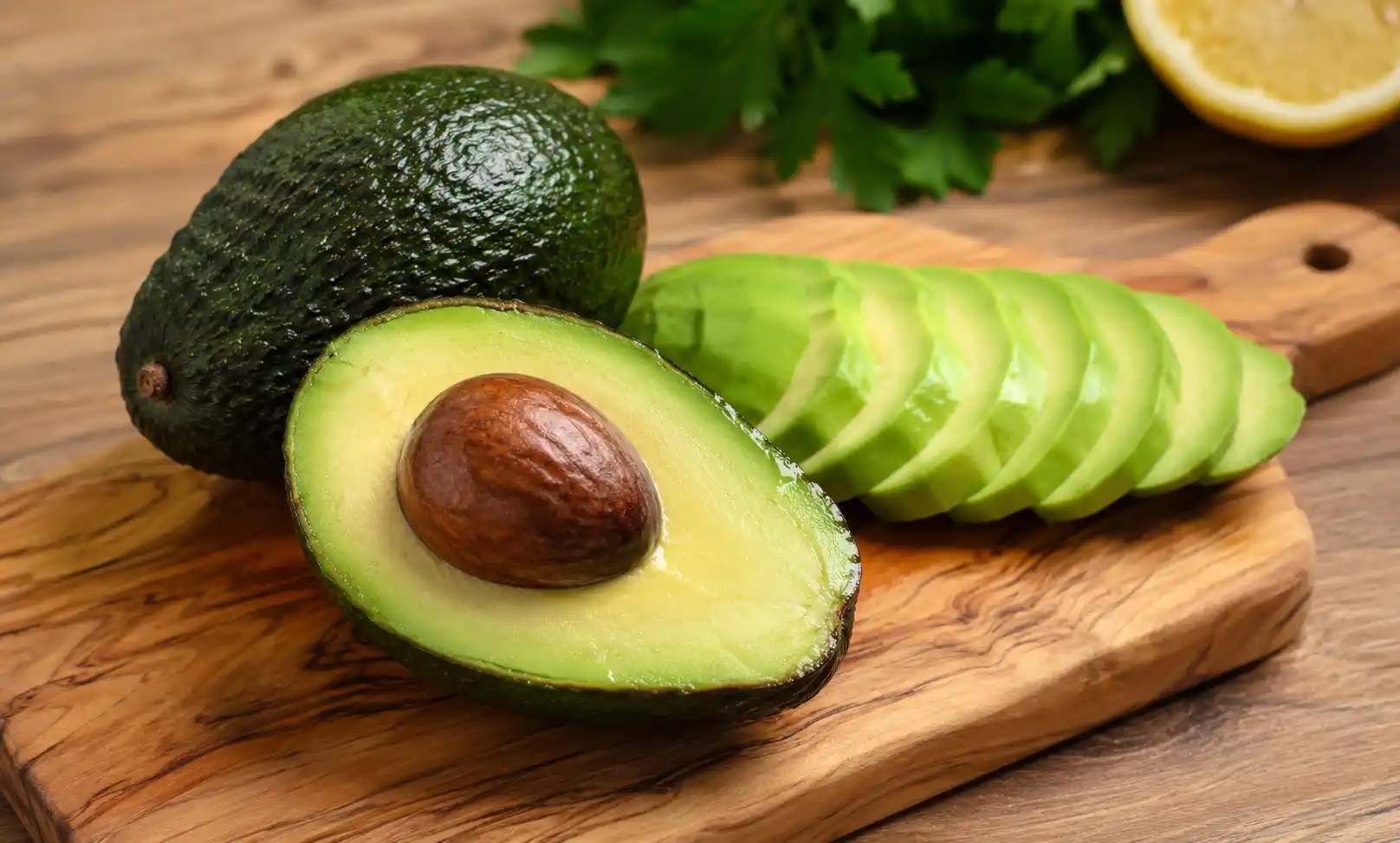
When you wonder what the nutritional value of avocado is, the straightforward response is that avocado is one of the most nutrient-rich fruits to eat. It is a source of healthy monounsaturated fat, dietary fibre, potassium, folate, vitamins K, E, and C, and a few B vitamins. However, it is also naturally low in sugar and can therefore aid in heart health, digestion, weight management, brain function, and healthy skin when consumed in the context of a balanced diet.
Introduction
Avocados are a superfood – and rightly so. They are creamy, full of flavor, and loaded with nutrients, which makes them a popular health option globally. From spreading avocado on toast to using it in salads, to blending it into smoothies, to making guacamole at home, this versatile fruit has more to offer in its favor than just a great taste.
When it comes to improving dietary habits or losing weight, many ask, what is the nutritional value of avocado? Avocado is an exceptional fruit, with heart-healthy fats, a good amount of fiber, and a rich source of vitamins and minerals, unlike most fruits that are naturally rich in carbohydrates. Together, these nutrients help to maintain good health and feel full and satisfied.
You'll discover all the information you need to know about avocado nutrition – calories, healthy fats, vitamins, minerals, antioxidants, and science-backed health benefits.
Key Takeaways
-
Avocado is rich in healthy monounsaturated fats.
-
It contains plenty of dietary fiber for digestive health.
-
It is an excellent source of potassium and folate.
-
Avocado provides vitamins K, E, C, B5, and B6.
-
It is naturally low in sugar.
-
Regular consumption may support heart health, weight management, healthy skin, and brain function.
-
Avocado fits well into many healthy eating patterns when eaten in moderation.
What Is an Avocado?
Avocado trees (Persea americana) are native to Central America and Mexico and produce avocados. An avocado is a fruit, although many consider it a vegetable due to its savory taste.
Grapes, apples, and bananas have less good fats and more carbs, while avocado has more good fats and less carbs. They contain mainly monounsaturated fats, as does olive oil. The nutritional characteristics of avocado have made it a favourite part of the Mediterranean and heart-healthy diets.
It is also creamy in texture and is a great alternative to butter or mayonnaise, or other less healthy spreads, in many recipes.
What Is the Nutritional Value of Avocado?
In talking about what the nutritional value of avocado is, it's important to note that this fruit has a balanced array of calories, healthy fats, fiber, vitamins, minerals, and plant compounds.
Avocado is more energy dense than most fruits, with approximately 160 calories per 100 g. Those calories are, however, primarily from healthy fats -- not added sugars. The same serving also has about 15 grams of fat, nearly 7 grams of dietary fiber, about 2 grams of protein, and very little natural sugar.
This equilibrium makes avocado the perfect source of sustained energy and nourishes many important processes in the body.
Calories and Healthy Fats
One common misconception about avocados is that they are high in calories. Some people think it should be avoided because it has more calories than many other fruits.
In fact, avocado is a rich source of good monounsaturated fats. These fats are necessary for good heart health, fight inflammation, and aid in absorbing fat-soluble vitamins A, D, E, and K.
Healthy fats can also help to keep you feeling full for longer after eating, thanks to their slower digestion rate. This can help to decrease excess snacking and help keep a healthy diet.
Don't worry about eating calories in avocado, but aim for reasonable amounts as part of a balanced diet.
Dietary Fiber
One of avocado's best nutritional attributes is its fiber content. One serving offers a good portion of dietary fiber, which many people are not getting enough of in their diet.
Fiber is essential for digestion as it helps aid in regular bowel movements and nourishes good gut bacteria. It also helps to reduce the speed at which carbohydrates are digested, which helps to keep blood sugar levels stable post-meal.
Another great advantage of fibre is that it tends to make you feel full. Those who consume fibre-rich foods, such as avocado, are likely to feel fuller for longer, and this can help to maintain a healthy weight over time.
Protein and Carbohydrates
While not a high-protein food, avocado does provide a bit of protein, which is a perfect complement to its healthy fat and fibre content.
It has a moderate amount of carbohydrates, which are mainly in the form of fibre, with very little in the form of sugar, when compared with many fruits. This is the reason why avocado is a good option for people who want to cut down on the sugar but not sacrifice food that has a lot of nutrients.
Eating avocado along with protein-rich foods like eggs, beans, yogurt, chicken, or fish results in a balanced meal and sustained energy and nutrition.
Vitamins Found in Avocado
One of the reasons avocado is considered so nutritious is its excellent vitamin content.
Vitamin K supports constant blood clotting and helps maintain strong bones.
Vitamin E acts as a powerful antioxidant that protects cells from oxidative stress and promotes healthy skin and skin.
Vitamin C contributes to collagen production, immune function, and wound healing.
Folate (vitamin B9) plays a major role in cellular growth, DNA production, and the development of a healthy pregnant woman.
Vitamin B5 helps convert food into useful energy and aids in hormone production.
Vitamin B6 is vital for the health of the mind, immune system function, and the production of mood-altering neurotransmitters.
Together, these vitamins help guide many crucial biochemical processes each day.
Important Minerals in Avocado
Avocado also contains some of the essential minerals.
It contains one of its unique nutrients, potassium, which helps to regulate blood pressure, aids in muscle contraction, and supports proper fluid balance. Avocado is a fruit that has even more potassium per serving than some other popular fruits, which is a surprise to many people.
Avocado is also a source of magnesium, which participates in 300 biochemical processes in the body related to muscle activity, nerve function, energy production, and bone strength.
Other minerals like phosphorus, copper, and smaller amounts of iron also play a role in overall health, helping to maintain healthy bones, transport oxygen, and normal metabolism.
Antioxidants and Plant Compounds
In addition to vitamins and minerals, avocado is rich in plant compounds that are beneficial for reducing oxidative stress in the body.
It contains antioxidants like lutein and zeaxanthin, which are particularly beneficial for the health of the eyes. These compounds build up in the eyes and may prevent eye issues associated with aging due to chronic exposure to blue light and sunlight.
Avocado is also rich in natural phytochemicals that maintain the health of the cells and minimize damage from free radicals.
Due to these protectants, avocado is one of the healthiest fruits that are available.
Science-Backed Health Benefits of Avocado
Supports Heart Health
One of the main reasons why nutritionists and dietitians recommend avocado is because of its beneficial effects on the heart. With their monounsaturated fat content, mainly oleic acid, which is the good fat present in olive oil, avocados are a great source. When various foods high in saturated fats are replaced with healthier fat sources like avocado, it may help keep cholesterol levels within the healthy range as part of the overall balanced diet.
It is well known that avocado is a major potassium provider, a key mineral that works in controlling blood pressure by counteracting the sodium levels in the body. Besides that, the mix of healthy fats, high fiber, and antioxidants of avocado makes it a heart-friendly food that is also very versatile in many healthy diets.
May Help with Weight Management
Avocado is a high-calorie food, and that's why many people steer clear of it. But research shows that having a little avocado now and then is not bad but rather supportive of good weight management.
One of the advantages of avocado is that it has good fats and fiber, and these elements in it lead to slow digestion. This means that a person is less likely to get hungry quickly after having a meal with avocado. This extra time of being full can also keep a person from snacking unnecessarily, and result in easier control of daily calorie intake. Rather than focusing merely on calories, it is good to think about the kind of calories we take in, and in that sense, avocado is a good choice that provides the body with the right nutrients while still giving a sense of satisfaction.
Promotes Healthy Digestion
For enhancing digestive health, avocado is a top-notch food to add to your eating plan. This is because it has a lot of fiber, which not only promotes regular bowel movements but also aids in keeping your digestive system healthy.
Also, fiber acts as nourishment for the good bacteria present in the gut. Having a well-balanced gut flora is essential for digestion, uptake of nutrients, and general health. Consuming foods high in fiber such as avocado very often could bring improved digestive comfort as well as a healthy gut over the years.
Helps Support Healthy Blood Sugar Levels
Avocado is different from many fruits, which have a higher quantity of natural sugar; here the quantity of sugar is naturally low, and the amount of fiber is high. It is this rare mix that delays the breakdown and uptake of carbohydrates, thereby helping to keep blood sugar levels more consistent after eating.
So, avocado is commonly a component of well-rounded diet schemes aimed at delivering constant energy all day long. Combining avocado with whole grains, lean proteins, or vegetables can yield delicious dishes that contribute to effective blood sugar control.
Supports Brain Function
The brain greatly benefits from healthy fats, and avocado is a very good source of monounsaturated fatty acids, which support the normal functioning of the brain. In addition, avocado is rich in vitamin B6 and folate, which are necessary for making neurotransmitters that have a role in controlling mood and cognitive abilities.
If you incorporate foods packed with nutrients such as avocado into your diet, you tend to get a little boost in helping your memory, focus, and brain health overall. Of course, this is assuming that you are generally leading a healthy lifestyle.
Helps Protect Eye Health
Inside an avocado are two antioxidants, lutein and zeaxanthin. These antioxidant compounds, which are found in plants, build up in the retina, or the back of the eye, to help protect the eye against damage caused by free radicals and harmful blue light that is harmful.
Eating foods that are rich in these antioxidants might keep your eyesight strong and could decrease your chances of developing certain degenerative eye diseases as you get older.
Promotes Healthy Skin
Besides the relaxing taste and creamy texture, avocado is super good for your skin as it contains essential vitamins, minerals, and lots of healthy fatty acids. Vitamin E is an antioxidant that helps fight free radicals, and vitamin C is vital for the creation of collagen - a protein that keeps skin firm and elastic.
What is more, healthy fats moisturize your skin inside out, and that makes avocado a great addition to any skin-healthy diet.
Supports Strong Bones
Avocado is packed with vitamin K, magnesium, and trace amounts of phosphorus - the trio of nutrients essential for bone health. On one side, vitamin K is very important in regulating bone metabolism, and on the other, magnesium is the main mineral for maintaining bone density, as it also helps in muscle functioning.
Besides that, having avocado together with daily exercise and enough calcium intake is like a complete package for a lifestyle of strong and healthy bones.
Strengthens the Immune System
The immune system can only stay healthy if it is provided with a constant supply of necessary nutrients. Avocado is a good source of vitamins C, E, B6, and folate, and various antioxidants that help protect the cells from oxidative stress.
While one particular food item cannot stop you from getting sick, adding a food loaded with nutrients like avocado to your normal diet could be beneficial in your body's efforts to naturally fight diseases.
Best Ways to Eat Avocado
Avocado is one of the most flexible end results within the kitchen. Its mild taste pairs perfectly with every savory and slightly sweet dish.
Some healthy ways to enjoy avocado include:
-
Spread mashed avocado on whole-grain toast.
-
Add sliced avocado to salads and sandwiches.
-
Blend it into smoothies for a creamy texture.
-
Make fresh guacamole with tomatoes, onions, and lime juice.
-
Top grilled chicken, fish, or eggs with avocado slices.
-
Mix diced avocado into grain bowls or wraps.
-
Use mashed avocado instead of mayonnaise in certain recipes.
Sprinkle the reduced avocado with lemon or lime juice to prevent browning, and place it in a hermetic container in the fridge.
Who Should Limit Avocado?
Avocado is, in general, a healthy fruit. Yet, individuals must regulate the quantity. Those who are keeping their calories in check through diet will need to be careful about the serving size since avocado is rather high in calories compared to many other fruits.
Besides, people with an established avocado allergy need to stay away from it entirely. Also, if you are on blood thinners, talk to your doctor before drastically changing your intake of vitamin-K-rich foods, among which is the avocado.
Yet, it is normally safe and even advantageous for most healthy adults to regularly consume avocado within a well-balanced diet.
Expert Tips
-
Avocado with vegetables to enhance the absorption of fat-soluble vitamins.
-
Combining avocado with lean protein results in a healthy and fulfilling meal.
-
To pick the right avocado, look for the one that gives a little when pressed and is not completely hard.
-
Put unripe avocados on the countertop so they ripen slowly and naturally.
-
Keep consumption of avocado to a minimum and only as part of a diverse and easily absorbed food intake.
Frequently Asked Questions
Is avocado good for weight loss?
Yes. The fiber and healthy fats of avocados help with feelings of fullness, which can reduce overeating when eaten in appropriate amounts.
Can I eat avocado every day?
Most healthy adults can eat avocados daily as part of a balanced eating plan, provided the specific calorie intake remains appropriate.
Is avocado high in protein?
No. Avocados contain small amounts of protein but are best known for their healthy fats, fiber, vitamins, and minerals.
Why is avocado considered a superfood?
Avocado is often called a superfood because it combines healthy fats, fiber, antioxidants, vitamins, and minerals that help with general health
What is the nutritional value of avocado compared to other fruits?
Among many fruits, avocado stands out for its higher content of healthy fats and fiber while being a naturally low-sugar fruit. This distinct nutritional profile is what makes it one of the most nutrient-dense fruits that one can find.
Conclusion
Knowing what the nutritional value of avocado is helps us understand that this fruit is not only delicious but also very healthy. The avocado is different from other fruits because it has the most amazing mix of compounds that can work together to help the heart, fibrous elements, potassium, folate, vitamins K, E, and C, and also some very good plant compounds that generally promote health and well-being.
Whether it is the support for the heart and the health of the digestive system, the role in the maintenance of a healthy weight, the connection with brain function, the care of the skin and bones, or the help that it gives to the immune system, avocado is full of advantages in each of its portions. Not only that, since you can prepare it in many different ways, it becomes very easy to add it to your daily diet - like on toast, in salads, smoothies, or the classic homemade guacamole.
Besides tasting great, if you consume avocado in reasonable quantities as a part of a balanced diet, this amazing fruit can also be your nutrient-dense ally for establishing healthy eating habits and promoting your overall well-being in the long run.




Comments ( 0)
Leave a Comment
No comments yet. Be the first to comment!