

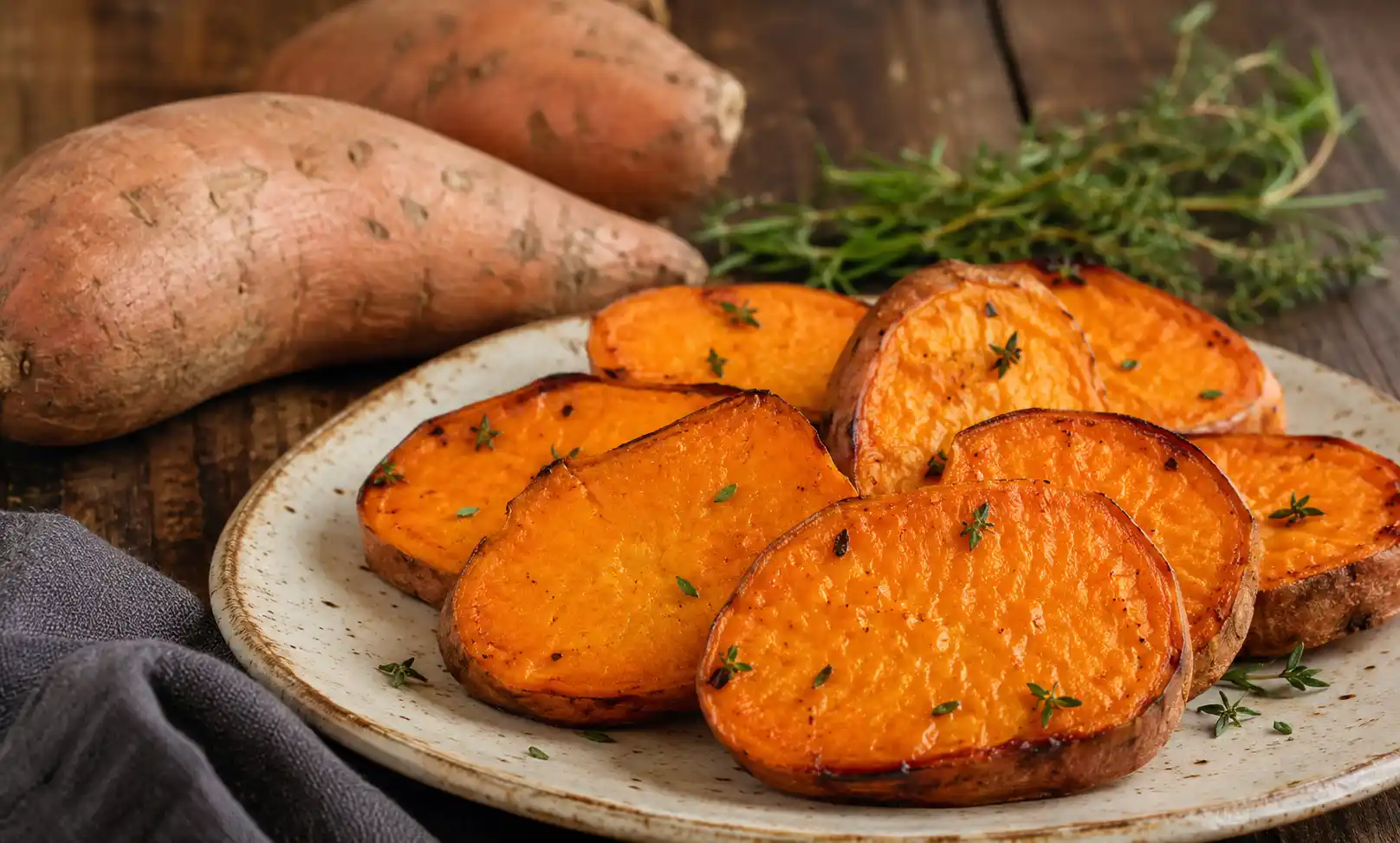
Sweet potato is rich in complex carbohydrates, dietary fibre, Vitamin A, Vitamin C, potassium, manganese, and antioxidants, which makes it nutritious to consume. It is naturally low in fat, aids digestion, strengthens the immune system, is beneficial for eye health, and is good for sustained energy, which makes it one of the healthiest vegetables you can eat for a balanced diet.
Introduction
Have you ever wondered: What is the nutritional value of sweet potato? Known as the "sweet potato," these will bring way more benefits than just the naturally sweet flavor. These, known by nutrition experts as "sweet potato," are more than just a naturally sweet vegetable. They are rich in vitamins, minerals, antioxidants, and fiber, and can be enjoyed in a variety of healthful ways and incorporated into almost any kind of healthy diet. Whether you're looking to boost your immune system, lose weight, or simply looking for healthy and nutritious foods, sweet potatoes are for you. This is an entire guide that covers all you need to know about the nutritional profile of sweet potatoes, their nutrients, health benefits, some tips on how to prepare them, and answers to some commonly asked questions.
Key Takeaways
-
Sweet potatoes are rich in vitamin A, vitamin C, potassium, manganese, and dietary fiber.
-
They provide complex carbohydrates that deliver long-lasting energy.
-
Their antioxidants help protect the body's cells from oxidative stress.
-
Sweet potatoes support eye health, heart health, digestion, and immune function.
-
They can be part of a healthy weight-management plan when eaten in balanced portions.
-
Baking, steaming, and roasting are among the healthiest ways to prepare them.
What Is a Sweet Potato?
Sweet potatoes are nutritious root vegetables, part of the morning-glory family. It may seem like a potato, but this vegetable belongs to a different family and does not share the same nutritional profile.
There are several varieties of sweet potatoes available, such as orange, purple, white, and yellow-fleshed varieties. The most common color is orange, and sweet potatoes are particularly rich in beta-carotene, which makes them a good source of vitamin A. They are naturally sweet, creamy, and can be used in almost any dish, making them a favorite in meals all over the world.
Unlike many processed carbohydrate foods, sweet potatoes offer a healthy dose of energy and nutrients to go along with them, and they're a great option for anyone of any age.
What Is the Nutritional Value of Sweet Potato?
Sweet potatoes' nutritional benefits go beyond the calorie. Each serving contains a mix of complex carbohydrates, dietary fibre, vitamins, minerals, and naturally occurring antioxidants that together promote good health.
Sweet potatoes are a great source of carbohydrates, the preferred energy source of the body. However, they are less quickly digested than refined carbohydrates, due to their fibre content. This slower digestion will help to provide a steady release of energy as opposed to a quick spike and drop.
One more reason sweet potatoes are a nutrient-dense food is their extraordinary amount of vitamin A. Orange varieties are rich in beta-carotene, a plant pigment that is converted to vitamin A by the body. It's a key nutrient for good eyesight, a healthy immune system, normal cell growth, and healthy skin.
Sweet potatoes also provide vitamin C, an essential antioxidant that plays a vital role in the immune system and aids in the production of collagen (which is crucial for blood vessels, skin, and connective tissues).
Another valuable nutrient that sweet potatoes contain is potassium. It regulates the balance of body fluids, aids in muscle function, and supports normal heart function. Sweet potatoes are also a good source of manganese, vitamin B6, copper, and other micronutrients that regulate metabolism and promote good health.
The great thing about sweet potatoes is that they're high in dietary fiber. Fiber is good for digestion, bowel regularity, post-meal fullness, and eating a well-rounded diet.
Sweet potatoes are low in fat and are cholesterol-free, unlike many processed snack foods that are processed. They are a healthy food option that can be part of several healthy eating plans due to their nutrient profile, including carbohydrates, fiber, vitamins, and minerals.
Vitamins and Minerals Found in Sweet Potatoes
One of the reasons why nutritionists often suggest sweet potatoes is because they contain a variety of essential vitamins and minerals that the body needs every day
Vitamin A
Vitamin A is the most notable nutrient in sweet potatoes. It helps to promote good vision and a healthy immune system, aids healthy skin, and supports proper growth and development. Orange sweet potatoes are one of the top natural edible sources of beta-carotene, which the body converts into vitamin A.
Vitamin C
Vitamin C plays the role of a strong antioxidant, which means it shields our cells from being harmed by free radicals. Also, it assists in making collagen; it is also good for healing wounds quicker, and it can even aid our immune system to work in a more efficient way.
Potassium
Potassium is a key mineral that helps the muscles contract normally, the nerves to communicate, and the body to keep fluid balance. Besides, including potassium-rich foods in your diet is a good way to keep your blood pressure at normal levels.
Manganese
Manganese contributes to bone health, energy production, and the body’s natural antioxidant defense systems. Although desirable in small doses, it works great in many regular body functions.
Vitamin B6
Vitamin B6 supports ordinary mind development, and the body can convert food into usable energy. Additionally, contributes healthy scary machine characteristics.
Copper
Copper helps build red blood cells, maintains healthy connective tissue, and helps with many important enzymes at some point in the body.
Antioxidants and Plant Compounds
Antioxidants are compounds that the body naturally produces in sweet potatoes and are beneficial to your health. They act as antioxidants, which can neutralise molecules in the body that are very unstable, known as free radicals.
The best-known antioxidant in orange sweet potatoes is beta-carotene; that's the reason for the orange color of sweet potatoes. Purple sweet potatoes have anthocyanins, which are another category of antioxidants found in the deep purple flesh. Additionally, sweet potatoes contain chlorogenic acid and other compounds that benefit the plant, adding to their nutritional profile.
Sweet potatoes are a great source of antioxidant-rich nutrients and are a simple way to get more of these naturally protective foods into your diet.
Health Benefits Backed by Science
The nutritional value of sweet potato goes beyond providing energy. It is rich in vitamins, minerals, fibre and antioxidants, which play many important roles in the body. No one food is a cure, but nutrient-dense veggies like sweet potato in a well-balanced diet could help with overall health.
Supports Healthy Vision
Sweet potatoes have a significant amount of beta-carotene, one of the healthiest advantages of sweet potatoes. Beta-carotene is converted into vitamin A by the body after ingestion, which is important for the maintenance of good eyesight after sweet potato consumption.
Vitamin A is important for proper functioning of the retina, particularly in low light. It also helps keep the cornea healthy and other parts of the eye healthy. Regular consumption of foods high in vitamin A may help prevent vitamin A deficiency and thus vision loss.
Strengthens the Immune System
Good nutrition is essential for a healthy immune system. Sweet potatoes are rich in vitamin A and vitamin C, which are both crucial for the normal functioning of the immune system.
Vitamin A is important for healthy skin and mucous membranes, the body's first defense against harmful microorganisms. Vitamin C is also an antioxidant that helps prevent damage to immune cells, and it also helps in their production and function during this time.
Promotes Digestive Health
Sweet potatoes are a good source of dietary fibre on their own, which is perfect for promoting digestive health.
Fiber improves the digestion and elimination of food, promotes regular bowel movements, and feeds the good bacteria in the gut. Keeping a healthy gut microbiome is associated with better digestion, absorption of nutrients, and health.
Sweet potatoes have both soluble and insoluble fiber, which help the digestive system in two ways.
Supports Heart Health
Many factors affect heart health of the heart, balanced diet is one of them. Sweet potatoes are a source of nutrients that can help promote cardiovascular health.
Potassium is involved in the balance of sodium and is important for blood pressure. When it is part of a healthy diet, fiber can help reduce cholesterol levels of cholesterol. Moreover, sweet potato antioxidants fight oxidative stress on cells.
You can make your diet healthier by swapping out processed side dishes for nutrient-rich veggies such as sweet potatoes.
Provides Long-Lasting Energy
Sweet potatoes offer complex carbohydrates that are digested more slowly as opposed to sugary snacks, which can lead to quick surges and dips in energy.
This slow digestibility provides the body with a continuing energy source, making sweet potatoes a favourite of athletes, students and active people. They are the perfect accompaniment to lean protein and healthy fats for a balanced meal to stay fuller longer.
Supports Healthy Skin
The first step to having healthy skin is a healthy diet. Sweet potatoes are a source of vitamin A and vitamin C, which are essential for healthy skin.
Vitamin A is good for the body to make normal skin cells; Vitamin C is good for making collagen (a protein that is important for the strength and elasticity of skin). They are also known to protect the cells in the skin from environmental harm due to their antioxidant properties.
Is Sweet Potato Good for Weight Loss?
A lot of individuals who are trying to drop pounds steer clear of carbohydrates. But sweet potatoes can actually be a good choice for a healthy weight-control diet.
Sweet potatoes are high in carbohydrates, as well as fiber and water. These nutrients may help to make you feel fuller after eating, and therefore less likely to snack between meals.
Since sweet potatoes are naturally filling, they can help you keep a healthy balance of calories more easily without restriction. Baked, roasted, or steamed sweet potatoes are the healthiest choice, as opposed to deep-fried ones.
While serving size is still important, sweet potatoes can play a role in maintaining a healthy weight when eaten in moderation and as part of a balanced diet.
Are Sweet Potatoes Good for Blood Sugar?
Sweet potatoes do contain natural carbohydrates and therefore do have an impact on blood sugar levels. Their fiber content does slow down food's digestion rate, however, when compared to many of the refined carbohydrate foods.
Also, how you prepare the sweet potatoes can impact the taste. Boiled sweet potatoes can be lower glycemic than baked, and if you pile on an excess of sugar or sweet topping, then you're piling on more carbs.
Those who have diabetes or anyone who is monitoring their blood sugar should be mindful of servings and pairing sweet potatoes with protein, healthy fats, and non-starchy vegetables.
Sweet Potato vs. Regular Potato
Both sweet potato and regular potato are healthy root vegetables; they offer different benefits.
In particular, sweet potatoes are a great source of vitamin A due to their high content of beta-carotene. They also have several antioxidants, which are responsible for the bright orange/purple color.
Regular potatoes are also a good source of vitamin C, potassium, and other nutrients. They may have slightly varying mineral levels, depending on the variety.
Instead of thinking about which vegetable is "better," it is more beneficial to include a variety of colorful vegetables in your diet. Sweet potatoes and regular potatoes are healthy foods when cooked in a healthy way and can be incorporated into a healthy eating pattern.
Best Ways to Eat Sweet Potatoes
The way you prepare sweet potatoes affects the taste and nutritional value.
Bake Them
Baking brings out the natural sweetness of sweet potatoes while also maximizing their vitamins. Baked sweet potatoes make an excellent side dish or healthy lunch.
Steam Them
Steaming allows many water-soluble nutrients to be retained because the vegetables have minimal contact with the cooking water. It also creates a soft texture without the need for added fat.
Roast Them
Roasted sweet potato dessert potatoes are barely crispy on the outside and soft on the inside. Toss them with a small amount of olive oil and herbs for a flavorful and nutritious dish.
Mash Them
Mashed sweet potatoes and mashed white potatoes could be a healthier option. Use herbs, cinnamon, or small amounts of olive oil rather than unsalted butter or sugar.
Add Them to Different Meals
Sweet potatoes are extremely versatile. For extra nutrients, you can add them into salads, soups, cereal bowls, breakfast dishes, wraps, casseroles, and even homemade smoothies.
Who Should Eat Sweet Potatoes?
Most people can appropriately enjoy sweet potatoes as part of a healthy weight loss plan. They are particularly beneficial:
-
Children who need essential vitamins and minerals for growth.
-
Adults looking to improve their overall nutrition.
-
Athletes who need sustained energy from complex carbohydrates.
-
Older adults who benefit from nutrient-rich, easy-to-digest foods.
-
Vegetarians and vegans looking for plant-based sources of vitamins and minerals.
-
Anyone aiming to increase their intake of colorful vegetables.
Their nutrient density makes them one of the most valuable additions to meals for various age groups and lifestyles.
Who Should Limit Sweet Potatoes?
Sweet potatoes generally can be a super healthy food for a lot of people, but there might be certain cases when they should be eaten in low amounts.
Certain kidney illnesses that require doctors' advice to control potassium intake are one of the examples. Even those on a low-carb diet must be careful of their portion sizes.
When you have a medical condition that requires you to restrict your diet, you should definitely listen to the expert advice of your healthcare provider or registered dietitian.
Expert Tips
Making some simple choices can help you enjoy the full dietary value of sweet potatoes while preserving food healthy and delicious.
-
Leave the skin on whenever possible. After thoroughly washing the sweet potato, cook it with the skin on to increase your fiber intake.
-
Choose healthier cooking methods. Baking, steaming, roasting, or air frying helps preserve nutrients while avoiding unnecessary fat.
-
Pair with a source of protein. Chicken, fish, eggs, beans, lentils, or Greek yogurt can create a balanced meal that keeps you full for longer.
-
Add a healthy fat. Small amounts of olive oil, avocado, or nuts can help your body absorb fat-soluble nutrients like vitamin A more efficiently.
-
Avoid excessive sugar. Sweet potatoes are naturally sweet, so there's usually no need to add large amounts of brown sugar, syrup, or marshmallows.
-
Include a variety of colorful vegetables. While sweet potatoes are highly nutritious, eating a wide range of vegetables provides a broader mix of vitamins, minerals, and antioxidants.
Frequently Asked Questions
What is the nutritional value of sweet potato?
Sweet potatoes are loaded with complex carbohydrates, dietary fiber, vitamin A, vitamin C, potassium, manganese, and antioxidants. They contain very little fat naturally and can provide nutrients that support healthy eyes, a strong immune system, proper digestion, a healthy heart, and overall well-being.
Is sweet potato healthier than a regular potato?
Both vegetables are very healthy. Sweet potatoes are a really good source of beta-carotene, which is how the body gets vitamin A from it. Besides, they have lots of different antioxidants in them. Normal potatoes are also good for you and provide you with potassium and vitamin C, among other things, so both of them would be good choices in a diet.
Can I eat sweet potatoes every day?
Sure. Sweet potatoes can be enjoyed regularly by most healthy adults. But they should be part of a balanced diet that also includes many fruits, vegetables, whole grains, lean proteins, and healthy fats. Having a diverse range of foods will help provide you with many nutrients.
Are sweet potatoes good for weight loss?
Yes, sweet potatoes could aid weight control as they are packed with fiber and have a natural satiating effect. Besides, when they are made through nutritious methods and consumed in moderate amounts, they are compatible with a calorie-controlled diet.
Are sweet potatoes good for people with diabetes?
Sweet potatoes are generally a good choice for most people with diabetes if they manage their portion size, the method they use to cook, and balance their meals properly. To keep your blood sugar levels in check, it's best to pair sweet potatoes with proteins, good fats, and non-starchy vegetables. Though, it is paramount that you always abide by the specific guidance you get from your healthcare professional.
Conclusion
Now that you're wondering what the nutritional value of sweet potatoes is, the answer is simple: This is one of the most nutritious foods to add to your diet. It provides complex carbohydrates for sustained energy, dietary fibre to support digestion, vitamin A for good eyesight, vitamin C to boost the immune system, potassium to maintain a healthy heart, and several antioxidants to defend your body cells.
In addition to being rich in nutrients, sweet potato is inexpensive, adaptable, and simple to prepare. This healthful vegetable is versatile and can be baked, roasted, steamed, or air-fried all year long in many healthy recipes.
Keep in mind that no one food contains all the nutrients your body requires. Sweet potatoes are most beneficial in a well-balanced diet that includes other fruits and vegetables, whole grains, lean proteins, and healthy fats. When paired with other healthy living tips and regular exercise, sweet potatoes can be a tasty addition to your long-term health and well-being.




Comments ( 0)
Leave a Comment
No comments yet. Be the first to comment!