



Most people do not miss their fat loss goals because they are unmotivated. On the contrary, people's main problem is that their strategies do not take into account how the body really functions.
A drastic diet, very hard workouts, and a complicated set of rules regarding nutrition might make the scale drop quickly, but they don't usually help the change to be permanent. You're right that genuine, lasting change results from understanding the energy balance, focusing on the quality of food, and managing one's behavior rather than from any kind of punishment.
The guide walks you through the process of formulating a sustainable, research-based weight loss plan that can be easily integrated into your regular lifestyle. You will be guided through the process by understanding how exactly a calorie-centric approach functions, the reason behind your snack selections having more influence than you would think, and the method of scheduling your everyday activities in such a way that you can lose fat gradually without the sensation of everlasting hunger.
What a Real Weight Loss Plan Actually Means
A short-term diet is not a true fat-loss strategy. It's a well-structured system that strikes a balance between your diet, exercise, recuperation, and habits with the specific goal of creating a sustainable energy deficit while preserving your muscle, health, and mental clarity.
Definition: A Functional Weight Loss Framework
A personalized system that controls weight loss is called a plan.
- Consumption of energy each day
- Macronutrient quality
- Timing of meals
- Levels of activity
- Consistency in behavior
There is no one-size-fits-all approach to weight loss. Your age, height, medical history, metabolism, stress levels, and lifestyle all have an impact on the strategy that will work best for you in the long run.
Why Most People Fail Without a Plan
Typical errors consist of:
- Dieting without monitoring caloric intake
- Excessive exercise combined with inadequate nutrition unnecessarily eliminates entire food groups
- Ignoring recuperation, rest, and stress reduction
- Relying more on drive than a well-thought-out plan
Consistency is key to losing fat. Any advancement is entirely coincidental in the absence of a well-defined system.
Understanding the Calorie Deficit Diet (The Science of Fat Loss)
What Is a Calorie Deficit?
To support vital processes like breathing, digestion, and movement, your body burns energy, or calories. Your body begins to use stored fat as fuel when you regularly consume fewer calories than you burn. We refer to this process as a calorie deficit.
No matter what kind of diet you follow, you cannot lose fat without this basic biological condition.
How Fat Loss Actually Happens
- You eat a little less than what your body needs.
- Insulin levels remain stable.
- Fat tissue releases stored fat.
- Your body converts fatty acids into usable energy.
- The percentage of body fat progressively decreases
This is the actual state of human metabolism, not merely a theory.
Why “Eat Less, Move More” Is Oversimplified
- Not every calorie has the same effect on hunger, hormones, and the preservation of muscle. For example:
- An insulin spike and an increase in appetite can result from 300 calories from refined sugar.
- 300 calories from fiber and protein improve fullness and support the maintenance of lean muscle mass.
It's not enough to simply cut calories; the calorie deficit needs to be intelligent and nutritionally sound.
Building a Sustainable Calorie Deficit Without Starving
Step 1: Calculate Your Maintenance Calories
The following factors affect your Total Daily Energy Expenditure (TDEE):
- BMR, or basal metabolic rate
- Exercise
- Movement without exercise (NEAT)
- Food's thermal effect (TEF)
A safe fat-loss range is usually 300–500 calories below maintenance once your TDEE has been estimated. Greater hormonal stress and muscle loss can result from larger deficits.
Step 2: Protect Lean Muscle
Losing muscle can impede your long-term progress because it helps sustain a higher metabolism. To safeguard muscle, pay attention to:
- Consumption of protein: 1.6–2.2 grammes per kilogramme of body weight
- Three to four sessions a week of resistance training
- To maintain hormonal balance, get seven to nine hours of sleep.
Step 3: Choose High-Satiety Foods
Maintaining a calorie deficit is made easier by foods that slow down digestion, stabilise blood sugar, and reduce cravings. Examples consist of:
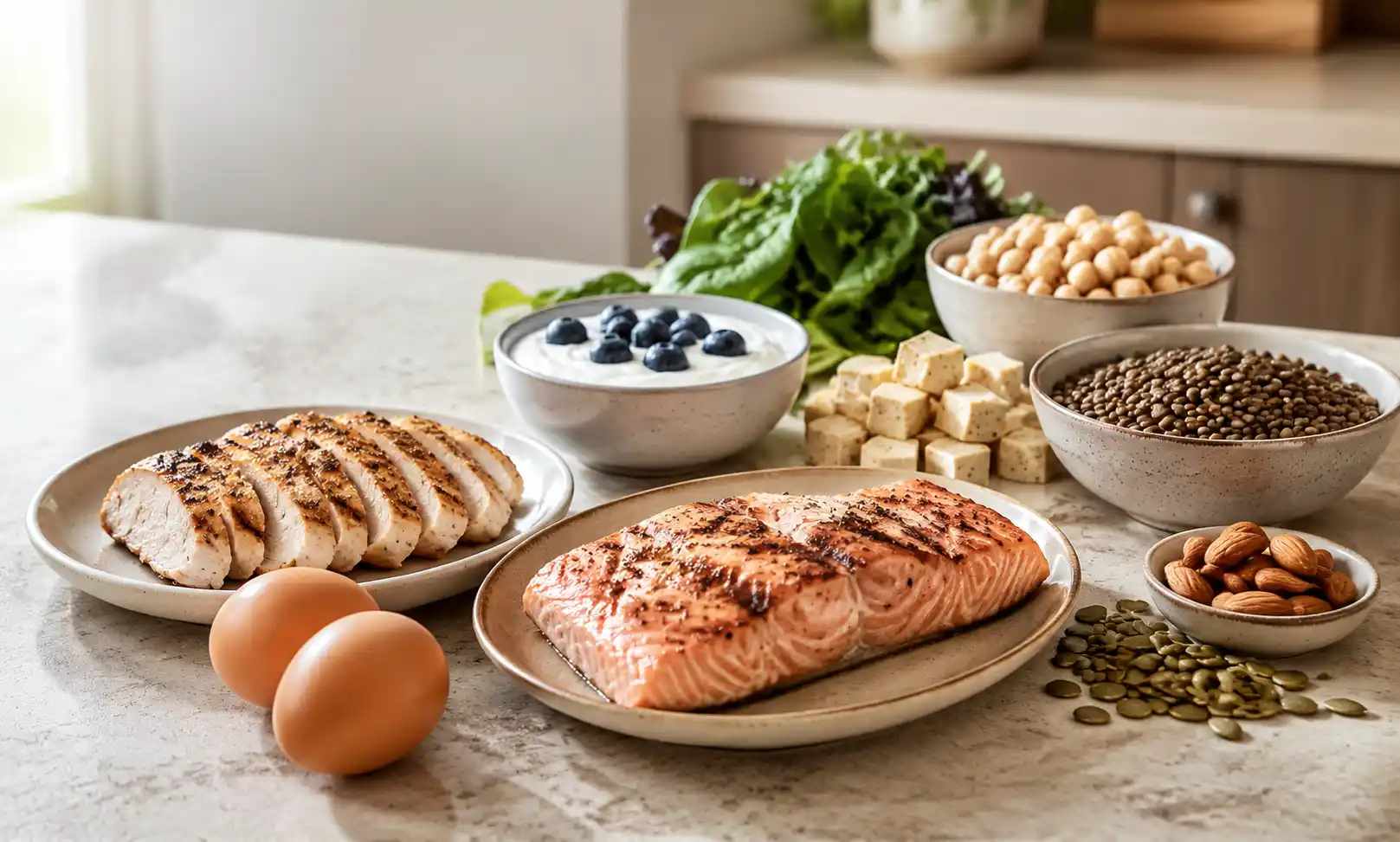
- Fish, eggs, chicken, and tofu
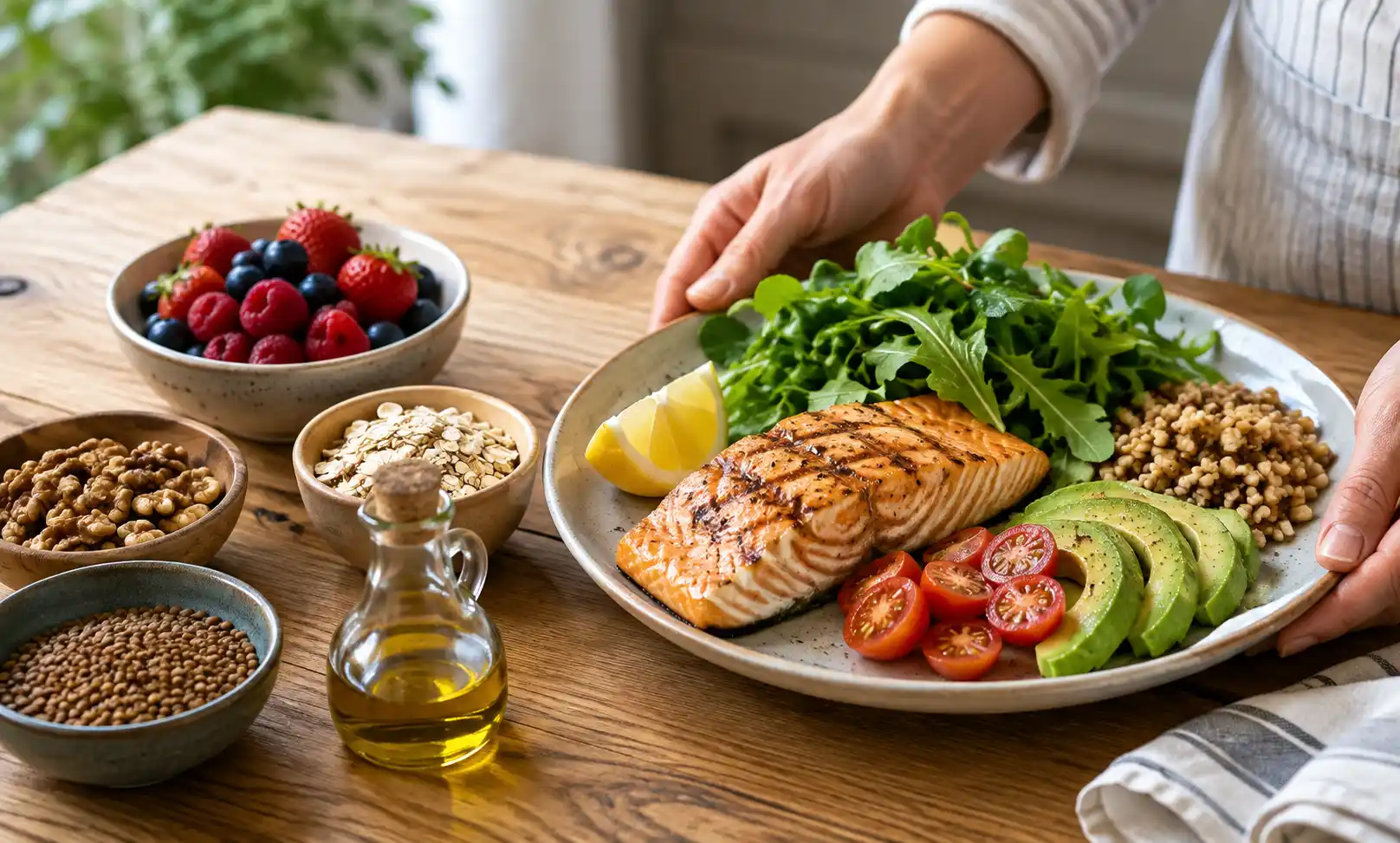
- Brown rice, quinoa, and oats
- Berries, legumes, and vegetables
- Moderate amounts of healthy fats
Where Low-Calorie Snacks Fit Into the Strategy
Unplanned snacking is the issue, not snacking per se.
The Role of Smart Snacks in Fat Loss
Snacks that are low in calories benefit you:
- Control your appetite in between meals
- Later on, refrain from binge eating.
- Maintain steady blood sugar levels
- Adhere to your plan consistently.
They are tools, not indulgences.
Characteristics of Effective Low-Calorie Snack Choices
An excellent snack ought to:
- have fewer than 150 calories.
- Add fiber, protein, or both.
- Little preparation is required.
- Make you feel satisfied for at least two to three hours.
Examples of Strategic Low-Calorie Snacks
The following nutritious snack choices fit the requirements you stated:
- Cinnamon-infused Greek yogurt
- Eggs that are boiled
- Popcorn that is air-popped
- Cucumber and cottage cheese
- Chickpeas roasted
- Slices of apple with a tiny bit of nut butter
- Vegetable soups that are clear
- Almond milk or water-based protein smoothies
These snacks help keep you full for a few hours, are low in calories, and contain fiber and/or protein. They also require little preparation.
How to Structure Your Daily Eating Pattern
Meal Timing That Supports Fat Loss
Meal timing can improve adherence to healthy eating, even though total calorie intake is the most crucial factor:
- Breakfast: To lessen midday cravings, concentrate on protein.
- Lunch: should consist of a healthy mix of vegetables, protein, and carbs.
- Snack: To control hunger, select foods high in fiber or protein.
- Dinner: To help with insulin control, choose more protein and fewer carbs.
Avoiding the “Diet Fatigue” Trap
Psychological burnout can be avoided by varying portion sizes, rotating foods, and permitting planned treats on occasion. On the other hand, strict eating habits frequently result in rebound weight gain.
Research-Backed Trends in Modern Fat Loss
- High-Protein, Moderate-Calorie Models:
During calorie deficits, a higher protein intake improves satiety and helps maintain muscle. - Flexible Dieting:
Fat loss is made possible by flexible calorie tracking, which avoids rigid dietary guidelines and permits culturally acceptable foods. - Metabolic Adaptation Awareness:
Long-term dieting lowers metabolic rate; deliberate dietary pauses can prevent plateaus and restore hormonal balance. - Gut Health and Weight Regulation:
Insulin sensitivity, inflammation, and appetite are all impacted by a varied microbiome. Consuming foods high in fiber is crucial for long-term fat loss.
Practical Tips That Actually Work in Real Life
Control Portions Without Obsessing
Make use of visual cues:
- Protein: A palm-sized amount
- Carbohydrates: Fist-sized portion
- Fats: A thumb-sized amount
- Vegetables: Infinite quantities
Track Patterns, Not Perfection: Strict restriction is less effective than consistency for 80–90% of the week.
Hydration Matters: Aim for 2.5–3 liters of water per day, as mild dehydration can cause hunger hormones.
Plan for Social Situations: To continue making progress without feeling alone, eat protein in advance, select grilled options, and manage portions.
Expert Insight From Practice
One distinct pattern has surfaced over the last ten years of working with clients: successful people don't aim for aggressive, unsustainable outcomes. Rather, they create long-term sustainable systems.
A 42-year-old professional with little time, for instance, frequently had trouble with extreme programs. She lost 11 kg in six months without experiencing hunger, stress, or rebound weight gain after we instituted a modest calorie deficit, planned meals, and straightforward low-calorie snacks during work hours. Her greatest accomplishment was learning to control her eating habits for the rest of her life, not just losing weight.
In the end, losing weight involves more than just physical adjustments.
Frequently Asked Questions
- Can I lose fat without counting every calorie?
Indeed. A calorie deficit can be naturally created by limiting portions, giving protein and fiber priority, and avoiding liquid calories. Accuracy is increased through tracking. - How fast should I expect results?
A weekly fat loss of 0.5–1% of body weight is considered healthy. Water and muscle mass are frequently lost more quickly. - Are low-calorie snacks necessary?
They are not necessary, but they improve adherence by lowering hunger and preventing impulsive eating. - Will my metabolism slow down if I diet for too long?
Long-term calorie deficits may cause the metabolic rate to slightly decrease. Restoring equilibrium is facilitated by taking planned maintenance breaks. - Is exercise required for fat loss?
Resistance training is not required, but it improves body composition, increases insulin sensitivity, and preserves muscle.
The Real Path to Lasting Fat Loss
Restrictions are not the key to sustainable transformation; structure is. Your body reacts consistently when your meals, snacks, exercise, and recuperation all fall within a regulated energy framework.
The most radical plan isn't always the most successful. It's the one you can stick to when things get hectic, you lose motivation, and your progress slows. That's where real confidence starts and long-lasting outcomes are achieved.


Comments ( 0)
Leave a Comment
No comments yet. Be the first to comment!