

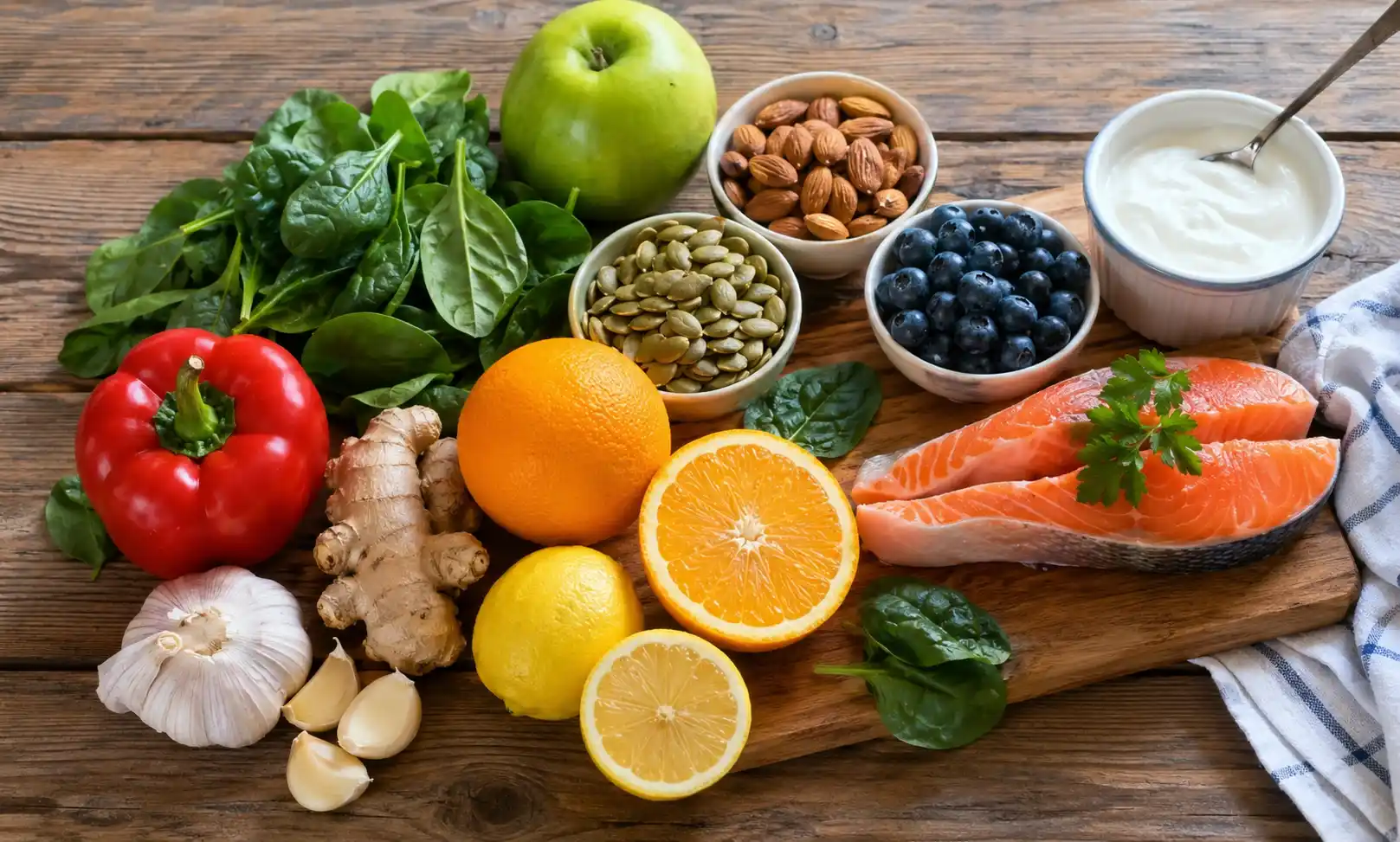
Immune-boosting foods are foods rich in vitamins, minerals, antioxidants, healthy fats, and protein that support your immune system. No single food or food group is guaranteed to prevent illness, but a balanced diet that's rich in fruits and vegetables, nuts, seeds, dairy products, and healthy proteins can help build your body's defenses and help maintain your health.
Key Takeaways
-
A healthy immune system depends on consistent healthy eating rather than one "superfood."
-
Vitamin C, Vitamin A, Vitamin D, Vitamin E, Zinc, Selenium, Iron, and probiotics are among the most important nutrients for immune health.
-
Colorful fruits, vegetables, healthy fats, and protein-rich foods work together to support your body's natural defense system.
-
A healthy lifestyle, including quality sleep and regular exercise, enhances the benefits of immune-boosting foods.
-
Eating a variety of nutrient-rich foods every day is one of the best ways to maintain long-term immune health.
Introduction
Your body relies on your immune system to defend you against bacteria, viruses, fungi, and other harmful microorganisms 24/7. In most cases, it's done quietly and without being noticed. Like any workhorse, however, it requires the right fuel to do its best. From the food you eat every day, that fuel comes.
There is a perception that there is such a food or supplement that can make immunity strong in a single day. In truth, your immune system is dependent on a variety of nutrients, all functioning together. Vitamins, minerals, antioxidants, protein, and good fats all play a part in creating immune cells, repairing damaged tissue, and boosting your body's immune system.
There's no need to adhere to a strict diet or spend a ton of money on immune-boosting products. It does not require a strict diet and expensive products to choose the right immune-boosting foods. It's a simple concept of filling your plate with foods that are nutritious and healthy for the body, inside and out. You will find in this guide what foods are particularly beneficial, the nutrients they contain, why these nutrients are important, and how you can enjoy them daily with ease.
What Are Immune Boosting Foods?
Immune-boosting foods are foods that contain plenty of vitamins, minerals, antioxidants, healthy fats, protein, probiotics, and other ingredients that support your immune system. Do not 'boost' immunity in a single instant or give you immunity against illness. Rather, they supply your body with the nutrients required to generate healthful immune cells, help maintain protective barriers such as the skin, and assist in maintaining a balance in your immune response.
No one food or supplement is nearly as effective as a healthy diet with a diverse mix of whole foods.
How Your Immune System Works
Your immune system is a complicated system of white blood cells, antibodies, lymph nodes, bone marrow, and organs that fight and eliminate harmful germs. As soon as bacteria and viruses invade your body, your immune system will react by generating immune cells and protective proteins to combat them.
Your body must have the necessary nutrients daily for this process to be efficient. Vitamins (vitamin C and vitamin A) support immune cell functions, and minerals (zinc and selenium) support normal immune responses. Proteins are components for immune cells, and antioxidants work to prevent harm to immune cells.
Your immune system may not be as effective as it could be without the proper nutrition.
Citrus Fruits
Naturally rich in vitamin C foods include citrus fruits like oranges, lemons, limes, grapefruits, and mandarins. It is an important nutrient required for the normal function of white blood cells, which protect your body from harmful bacteria and viruses.
Key Nutrients (per 100 g)
-
Vitamin C: 53 mg
-
Folate: 30 µg
-
Potassium: 181 mg
-
Fiber: 2.4 g
Why These Nutrients Matter
Vitamin C has strong antioxidant activity that prevents immune cells from being damaged by free radicals. Folate contributes to the normal development of new cells such as immune cells. Potassium supports normal muscle and nerve activity, and fibre supports a healthy gut microbiome. Eating enough fibre is a good way of having health in your gut, which helps boost immunity.
How Citrus Fruits Support Immunity
Citrus fruits contain vitamin C that not only keeps your immune system normal but also protects you from diseases. The vitamin is responsible for your skin health and acts as your first barrier against microorganisms. In addition, citrus fruits rich in antioxidants help combat oxidative stress.
Easy Ways to Include Citrus Fruits in Your Diet
-
Eat an orange as a snack.
-
Add lemon juice to water.
-
Mix grapefruit into breakfast.
-
Add orange slices to salads.
-
Blend citrus fruits into smoothies.
Garlic
Garlic has been used for a long time in traditional recipes, and it's rich in sulfur compounds, mainly allicin. Beyond being delicious, garlic contributes nutrients vital for general well-being.
Key Nutrients (per 100 g)
-
Vitamin C: 31.2 mg
-
Vitamin B6: 1.24 mg
-
Manganese: 1.67 mg
-
Selenium: 14.2 µg
-
Potassium: 401 mg
Why These Nutrients Matter
Vitamin B6 ensures the functioning of the immune system normally and is necessary to create antibodies. Selenium is important mainly for the protection of the cells against oxidative stress. At the same time, vitamin C is a factor supporting the well-being of immune cells. Manganese, through the activity of antioxidant enzymes, protects the body's tissues at least by helping.
How Garlic Supports Immunity
Garlic is rich in natural plant compounds having antioxidant effects that help you with your immune system function by protecting your body against infection regularly. Having garlic as a part of your healthy meal plan from time to time could assist your immune system in carrying out its protective activities better every day.
Easy Ways to Include Garlic in Your Diet
-
Add fresh garlic to soups.
-
Mix into vegetable stir-fries.
-
Use in homemade pasta sauces.
-
Roast garlic with vegetables.
-
Add minced garlic to salad dressings.
Ginger
Ginger is an aromatic root widely used around the world. It contains herbal compounds containing gingerol, which have antioxidant properties and aid in the body’s daily inflammatory response.
Key Nutrients (per 100 g)
-
Vitamin C: 5 mg
-
Vitamin B6: 0.16 mg
-
Magnesium: 43 mg
-
Potassium: 415 mg
-
Fiber: 2 g
Why These Nutrients Matter
Magnesium is very important for our body as it is involved in hundreds of various enzyme reactions. Potassium is helpful in regulating and maintaining cell functions normally at the level of an individual. On the other hand, vitamin B6 is one of the key micronutrients that support the immune system by enabling the body to build and maintain its defense mechanisms. Lastly, fiber helps keep the gastrointestinal tract functioning properly - an area that is very closely linked to the immune system.
How Ginger Supports Immunity
Ginger's natural antioxidants help protect body cells from oxidative stress. It also supports a healthy inflammatory response, which is an important part of a well-functioning immune system. Adding ginger regularly to meals is an easy way to increase your intake of beneficial plant compounds.
Easy Ways to Include Ginger in Your Diet
-
Brew fresh ginger tea.
-
Add grated ginger to smoothies.
-
Cook it in soups and curries.
-
Mix into stir-fries.
-
Use in homemade marinades.
Yogurt
Plain yogurt that contains live cultures is among the top choices to enhance your gut bacteria. A significant portion of the immune system lies in the stomach. Because of this, keeping gut bacteria healthy is key for your immunity in general.
Key Nutrients (per 100 g)
-
Protein: 10 g
-
Calcium: 110 mg
-
Vitamin B12: 0.75 µg
-
Riboflavin (Vitamin B2): 0.28 mg
-
Phosphorus: 135 mg
Why These Nutrients Matter
Protein is essential for building and repairing different tissues of the body, including immune cells. Calcium and phosphorus, on top of vitamin B12, are necessary ingredients for cells to carry out normal functions and for hematopoiesis. Live probiotic cultures work together with a healthy gut microbiome, a crucial part of immune health.
How Yogurt Supports Immunity
The probiotics in the yogurt help retain the helpful bacteria in your intestines. Having a rich gut microbiome allows your immune system to identify microbes as either beneficial or harmful and to regulate immune response correctly.
Easy Ways to Include Yogurt in Your Diet
-
Enjoy plain yogurt at breakfast.
-
Add fresh berries.
-
Sprinkle almonds or pumpkin seeds on top.
-
Blend into smoothies.
-
Use as a healthy snack.
Spinach
Spinach, in particular, belongs to the group of leafy green vegetables that are considered the richest in nutrients. It has plenty of different nutrients, like vitamins, minerals, and various antioxidants, all of which, in their own manner, help the body remain healthy. Because of the combination of nutrients in spinach that boost immunity, it seems logical that you should make it a regular part of your meal plan.
Key Nutrients (per 100 g)
-
Vitamin A: 469 µg
-
Vitamin C: 28.1 mg
-
Vitamin E: 2.0 mg
-
Folate: 194 µg
-
Iron: 2.7 mg
-
Magnesium: 79 mg
Why These Nutrients Matter
Vitamin A keeps your skin and the lining of your nose, mouth, and digestive tract healthy, your body's first line of defense against germs. Vitamin C helps maintain normal immune cell function, and vitamin E helps prevent oxidative damage to the immune cells. Folate is needed for the production of healthy new cells, such as white blood cells, and iron is necessary for oxygen transport, which is required for the efficient functioning of immune cells.
How Spinach Supports Immunity
Antioxidants, vitamins, and minerals in spinach all contribute to keeping your immune system healthy. They help shield cells from oxidative stress, facilitate the production of immune cells, and help keep tissues healthy to act as a barrier against harmful microbes.
Easy Ways to Include Spinach in Your Diet
-
Add fresh spinach to salads.
-
Blend it into fruit smoothies.
-
Mix it into omelets.
-
Stir it into soups and pasta dishes.
-
Lightly sauté it with garlic as a side dish.
Red Bell Peppers
Red bell peppers are a great way to get vitamin C, and they are definitely one of the top natural sources when it comes to vitamin C. If you are thinking of citrus fruits, red bell peppers actually have more vitamin C than citrus fruits, and they also are a very rich source of vitamins, including beta-carotene, which is present in red bell peppers and is a precursor that the human body relies on to get itself Vitamin A, besides many other benefits.
Key Nutrients (per 100 g)
-
Vitamin C: 127.7 mg
-
Vitamin A: 157 µg
-
Vitamin E: 1.58 mg
-
Vitamin B6: 0.29 mg
-
Folate: 46 µg
-
Fiber: 2.1 g
Why These Nutrients Matter
Vitamin C supports and contributes to the production of white blood cells, which are vital to the immune system. Vitamin A helps keep skin and mucous membranes healthy, which helps create a barrier to germs. Vitamin E is an antioxidant, and vitamin B6 helps maintain the proper functioning of the immune system.
How Red Bell Peppers Support Immunity
Red bell peppers are very high in vitamin C and antioxidants, which help to keep immune cells from getting damaged and support the body's immune system. They are also strong in beneficial plant compounds, with a brilliant red hue.
Easy Ways to Include Red Bell Peppers in Your Diet
-
Slice them into salads.
-
Add to sandwiches and wraps.
-
Roast them with vegetables.
-
Include them in stir-fries.
-
Enjoy them raw with hummus.
Berries
These antioxidants help to fight oxidative stress in your body and are found in blueberries, strawberries, raspberries, and blackberries. They also contain vitamin C and fiber, which are great for boosting immunity.
Key Nutrients (per 100 g) (Blueberries)
-
Vitamin C: 9.7 mg
-
Vitamin K: 19.3 µg
-
Manganese: 0.34 mg
-
Fiber: 2.4 g
-
Potassium: 77 mg
Why These Nutrients Matter
Vitamin C helps with immune mobile sports, while manganese can spark antioxidant enzymes that protect the body’s tissues. Fiber feeds useful intestinal bacteria, and vitamin K helps with general fitness.
How Berries Support Immunity
Berry fruits are abundant in anthocyanins and various antioxidants that assist in lowering oxidative stress. These naturally occurring substances function alongside vitamins and minerals to enhance a healthy immune response and shield cells from harm caused by daily activities.
Easy Ways to Include Berries in Your Diet
-
Add to oatmeal.
-
Mix into yogurt.
-
Blend into smoothies.
-
Top whole-grain cereal.
-
Eat as a healthy snack.
Almonds
Almonds are a brilliant source of healthy fats and vitamin E, one of the most important antioxidants for maintaining healthy immune cells.
Key Nutrients (per 100 g)
-
Vitamin E: 25.6 mg
-
Protein: 21.2 g
-
Magnesium: 270 mg
-
Calcium: 269 mg
-
Zinc: 3.1 mg
-
Fiber: 12.5 g
Why These Nutrients Matter
Vitamin E helps immune cells guard against oxidative damage. Zinc is essential for the healthy development and normal functioning of immune cells, and proteins are what actually get cells fixed and rebuilt. Magnesium also helps in various chemical reactions that occur in the body.
How Almonds Support Immunity
Eating almonds regularly brings lasting energy to the body and also supports overall wellness. Almonds are a very nutritious snack as they can help maintain a healthy immune system thanks to healthy fats, vitamin E, protein, and zinc being so concentrated in them.
Easy Ways to Include Almonds in Your Diet
-
Eat a handful as a snack.
-
Add chopped almonds to oatmeal.
-
Sprinkle over yogurt.
-
Blend into smoothies.
-
Mix into homemade trail mix.
Fatty Fish
Fatty fish, such as salmon, sardines, mackerel, and trout, provide good protein, omega-3 fatty acids, and dietary D. These vitamins are important for maintaining a healthy immune tool
Key Nutrients (per 100 g) (Salmon)
-
Vitamin D: 10–20 µg (varies by type)
-
Vitamin B12: 3.2 µg
-
Protein: 20 g
-
Omega-3 Fatty Acids: 2.3 g
-
Selenium: 36.5 µg
Why These Nutrients Matter
Vitamin D plays a role in controlling the function of the immune system. Omega-3 fatty acids, then again, assist in achieving a well-balanced inflammatory response, and selenium operates as an antioxidant, guarding and safeguarding body cells. Finally, protein is the major ingredient in the synthesis of immune cells as well as in the healing of damaged tissues.
How Fatty Fish Supports Immunity
Regular consumption of fatty fish provides vitamins that help your immune system work effectively. Omega-3 fats and vitamin D work together to support a healthy immune system and overall body fitness.
Easy Ways to Include Fatty Fish in Your Diet
-
Grill or bake salmon.
-
Add sardines to whole-grain toast.
-
Prepare tuna salads.
-
Make fish tacos.
-
Include fish in your weekly meal plan at least twice a week.
Pumpkin Seeds
While pumpkin seeds may be small, they are packed with minerals that play an important role in immune health, especially zinc.
Key Nutrients (per 100 g)
-
Zinc: 7.8 mg
-
Iron: 8.8 mg
-
Magnesium: 592 mg
-
Protein: 30.2 g
-
Vitamin E: 2.2 mg
Why These Nutrients Matter
Zinc plays a fundamental role in the development and functioning of the immune system cells. Iron is a transport vehicle of oxygen from one place to another within the body, whereas magnesium acts as a partner in the work of hundreds of enzymes throughout the body. Protein delivers amino acids for the formation of body tissues and immune cells that help your body stay strong and fight off diseases.
How Pumpkin Seeds Support Immunity
Pumpkin seeds provide a focused source of minerals that help your immune system function generally. They are rich in healthy fats and antioxidants that contribute to general well-being.
Easy Ways to Include Pumpkin Seeds in Your Diet
-
Sprinkle over salads.
-
Add to yogurt.
-
Mix into oatmeal.
-
Blend into smoothies.
-
Eat a small handful as a snack.
How to Add Immune-Boosting Foods to Your Daily Diet
You don't need a complicated meal plan to support your immune machine. Small, everyday picks could make a big difference over the years.
Here are a few practical ideas:
-
Start your morning with yogurt topped with berries and almonds.
-
Add spinach or red bell peppers to omelets and sandwiches.
-
Snack on oranges, mandarins, or mixed berries instead of processed foods.
-
Include fatty fish like salmon in your meals two or three times a week.
-
Cook with fresh garlic and ginger to add both flavor and nutrients.
-
Sprinkle pumpkin seeds over salads, soups, or oatmeal for extra zinc and protein.
-
Stay hydrated by drinking plenty of water throughout the day.
These simple conduct aids ensure that your body receives a regular delivery of nutrients, minerals, antioxidants, and healthy fats that help regulate immune function.
Who Can Benefit Most from Immune Boosting Foods?
While all of us can benefit from eating nutrient-dense foods, some humans will also particularly benefit from paying closer attention to their daily nutrition
Children and Teenagers
Children are in the process of growing all the time, plus their immune systems are still in development during their childhood. In this case, the children's nutritional needs can be met with food items that should include a combination of fruits, vegetables, dairy products, whole grains, lean proteins, and healthy fats. This combination not only helps in maintaining the children's health but also supports their growth as well as the normal functioning of the immune.
Older Adults
Immunity is known to decline with age. It is also possible that older people are less efficient at absorbing some nutrients than younger people. A balanced diet can include foods high in vitamin D, vitamin C, zinc, protein, and healthy fats that will help support overall health and immune function.
Busy Professionals
The 24-hour-a-day nature provides may make it hard to get adequate amounts of key nutrients, as well as stress and irregular eating patterns. Healthy snacks such as almonds, fresh fruit, pumpkin seeds, and yogurt can help to increase nutrient intake for the day.
Athletes and Active Individuals
While physical activity is beneficial to the body, strenuous training can raise the body's nutritional requirements. Sufficient protein, fat, vitamins, and minerals will aid in recovery and normal immunity.
People Recovering from Illness
Once one has overcome an illness, the body requires good nutrition to heal tissues and regain energy. Foods that are rich in protein, vegetables, fruits, and healthy fats are all important to recover.
Expert Tips
Eating healthy snacks rich in nutrients that boost the immune system is one of the most effective ways to help your immune system be strong naturally, but eating right is also powerful when it goes with living a healthy lifestyle and making positive changes in other areas of life.
Nutrition specialists and health authorities suggest these ideas for daily implementation that will keep your body healthy:
-
Eat a variety of colorful fruits and vegetables every day to obtain a wide range of vitamins, minerals, and antioxidants.
-
Include a source of lean protein with each meal, such as fish, eggs, beans, yogurt, or poultry.
-
Choose whole grains instead of refined grains whenever possible.
-
Drink enough water throughout the day to stay well hydrated.
-
Aim for 7–9 hours of quality sleep each night, as sleep plays a vital role in immune health.
-
Exercise regularly with activities like walking, cycling, yoga, or strength training.
-
Manage stress through meditation, deep breathing, or spending time outdoors.
-
Limit highly processed foods, sugary drinks, and excessive alcohol, as these may reduce the overall quality of your diet.
-
Avoid smoking, which can weaken your body's natural defense system.
-
If you have a medical condition or are considering supplements, speak with a qualified healthcare professional for personalized advice.
Remember that no single food can assure safety from disease. A healthy immune system is built through regular healthy habits over the years.
Frequently Asked Questions
What are the best immune-boosting foods?
In the list of immune-boosting foods, some standout options are citrus fruits, spinach, garlic, ginger, yogurt, berries, red bell peppers, almonds, fatty fish, and pumpkin seeds. These nutrient-dense foods are a great source of nutrients like vitamin C, vitamin A, vitamin D, vitamin E, zinc, selenium, healthy fats, and antioxidants that play important roles in a healthy immune system.
Can immune-boosting foods prevent illness?
Of course not. Foods that boost immunity shouldn't be looked upon as a complete method of preventing diseases. But if you maintain a dietary pattern comprising nutrient-dense foods, you have a balanced diet, and it will help your immune system perform to its best ability. As a result, your immune system will be in a great position to fight infections effectively, besides enhancing your immunity and general state of health.
Which vitamin is most important for the immune system?
Many different vitamins are important for the body's immune system, besides vitamin one. For example, vitamins C, D, A, E, and B6 all play a role in keeping the immune system working properly. In addition, minerals like zinc and selenium are very important for the health of the whole immune system.
Is it better to get nutrients from food or supplements?
For most of the healthy individuals, the best way to get nutrients is by consuming whole foods. These foods supply vitamins, minerals, fiber, good fats, protein, and plant compounds, which are all good for you and support each other. Although there may be cases where one would require the use of a Supplement, the taking of those should always be under the supervision of a professional healthcare provider.
How quickly do immune-boosting foods work?
You shouldn't rely on healthy eating for a boost in your immune system overnight. Rather, it's an ongoing process that supports your immune system in subtle ways. When nutrient-rich foods are a part of a healthy lifestyle you lead from day to day, these foods not only help maintain your health, but also keep your immune system healthy. It's only by being consistent that the results will show up, and it's the consistency that counts a lot compared to the expectation of instant results
Conclusion
Your immune system works day in and day out, and the foods you eat are important to maintaining its functioning at peak efficiency. Take a look at all the different food items that can supply your body with the nutrients it needs, rather than looking for just one miracle food.
Eating citrus fruits, garlic, ginger, spinach, yogurt, berries, red bell peppers, almonds, fatty fish, and pumpkin seeds will help support healthy immune function because they contain vitamins, minerals, antioxidants, healthy fats, and protein. These healthy eating habits, along with regular exercise, good sleep, adequate hydration, and stress reduction, contribute to maintaining healthy bodies.
Consistency is the key. The little healthy habits you establish daily can add up to a big change in your overall health and a continued ability to protect you from illness.




Comments ( 0)
Leave a Comment
No comments yet. Be the first to comment!