

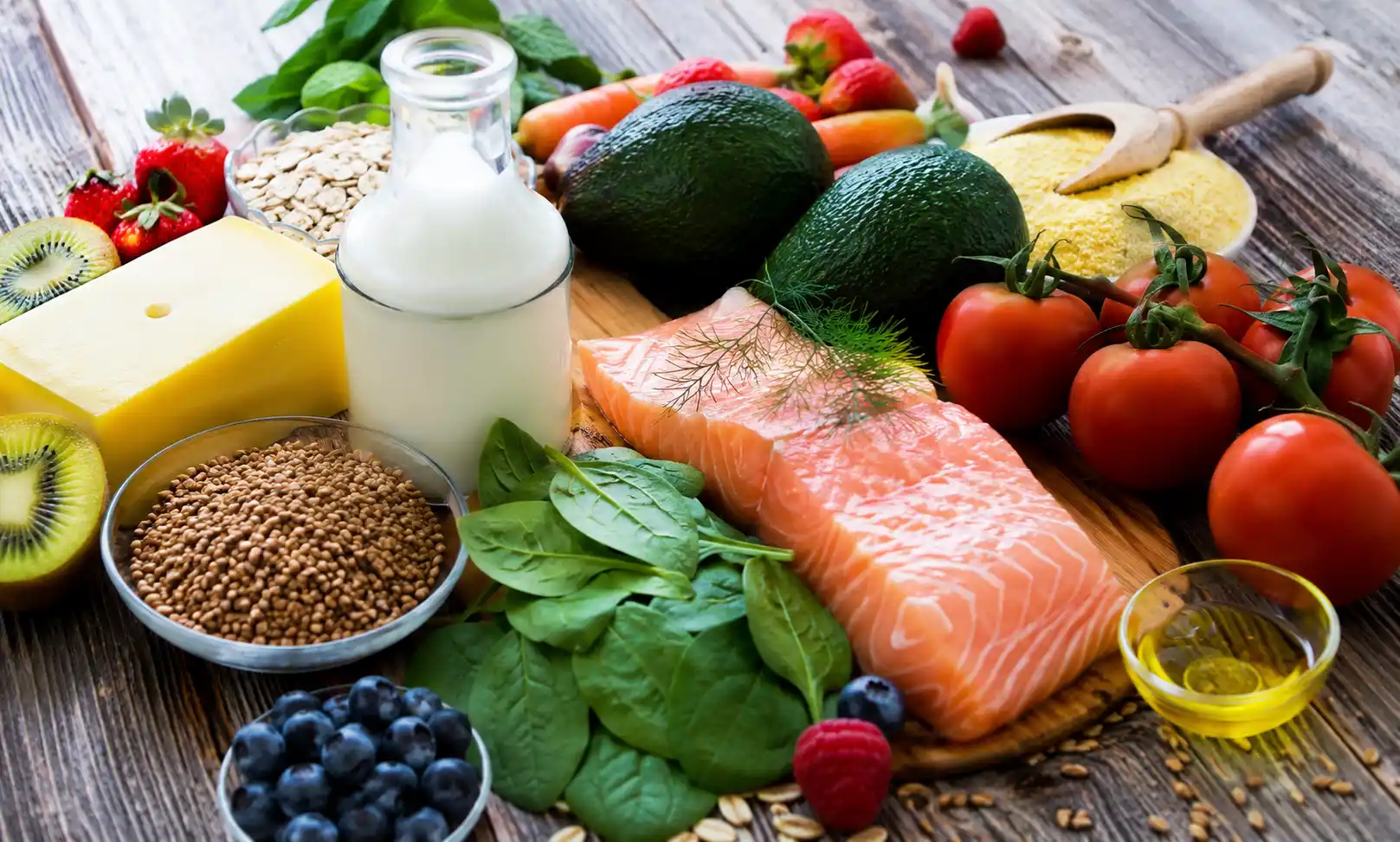
Glowy, healthy skin begins on the inside. Fatty fish, avocados, berries, tomatoes, nuts, seeds, leafy greens, sweet potatoes, citrus fruits, and green tea are the best foods for healthy skin. The foods are packed with vitamins, antioxidants, healthy fats, and minerals that shield and replenish your skin, stimulate collagen formation, provide hydration, and diminish the appearance of aging.
Introduction
Ever wonder why there are some people who have naturally glowing skin? Although skincare products can make a difference, diet is perhaps even more important for your skin's look and health. Your skin is the largest organ in your body and requires a continuous supply of nourishment to maintain its softness, suppleness, and hydration.
Certain foods are particularly beneficial for healthy skin, protecting against environmental damage, lowering inflammation, stimulating collagen production, and even slowing visible signs of aging. However, consuming too many processed foods and sugar can lead to dullness, acne, and early wrinkles.
The bright side is you do not have to invest in an expensive beauty regimen to get healthier skin. Eating healthy foods full of nutrients can help to nourish your skin on the inside. Here you'll find out which are the best foods for beautiful skin, what nutrients are most important, and how you can make your skin look its best without any resort to chemical agents.
Key Takeaways
-
Healthy skin begins with a balanced, nutrient-rich diet.
-
Vitamins A, C, E, and healthy fats are essential for glowing skin.
-
Antioxidant-rich foods help protect your skin from environmental damage.
-
Protein supports collagen production and skin repair.
-
Drinking enough water and eating hydrating foods improves skin moisture.
-
Limiting added sugars and ultra-processed foods may benefit skin health.
-
Consistency is more important than quick fixes for long-term skin health.
What Are Foods for Healthy Skin?
Foods for healthy skin are natural and nutrient-dense foods that contain the vitamins, minerals, healthy fats, antioxidants, and protein that help keep your skin healthy. The skin is constantly renewing itself, and in order to repair damaged cells and create new cells, your skin needs a constant stream of nutrients.
Unlike skin creams, which act on the surface of the skin, healthy foods nourish your skin from the inside. They work to enhance barrier function, elasticity, hydration, and combat oxidative stress from the environment, pollution, and sun exposure.
Many of these foods are packed with antioxidants to help fight free radicals, unstable molecules that can wreak havoc on skin cells and lead to premature aging. Others are packed with omega-3 fatty acids, vitamin C, zinc, selenium, and plant-based compounds that all help promote good skin health.
There's nothing that can make your skin look healthier and brighter in just a day, but if you have a good balance of nutritious foods regularly, it will make your skin look good over time.
How Nutrition Affects Skin Health
The condition of your skin is a reflection of what is happening in your body. The nutrients in the food you eat are used by your body each day to repair damaged skin, produce collagen, keep skin hydrated, and prevent damage.
Nutrition plays a crucial role in maintaining healthy skin in numerous ways:
Supports Collagen Production
Collagen is a protein that provides strength, firmness, and elasticity to the skin. Collagen levels start to decrease as you grow older. Vitamin C, protein, zinc, and copper are essential for the production of collagen, which contributes to smoother and firmer skin.
Protects Against Oxidative Stress
Oxidative stress occurs when your skin is exposed to the sun, pollution, and smoking, damaging skin cells and contributing to aging. Vitamins C and E, beta-carotene, lycopene, and polyphenols are all antioxidants that can help to protect your skin by scavenging free radicals.
Maintains Skin Hydration
A healthy skin barrier is essential to retain moisture and keep the skin healthy. Foods containing healthy fats, such as avocados, nuts, seeds, and fatty fish, help keep this barrier intact, which keeps the skin soft and moist.
Reduces Inflammation
Prolonged inflammation can lead to acne, redness, flare-ups of eczema, and other skin issues. The anti-inflammatory properties in omega-3 fatty acids, colorful fruits and vegetables, and whole foods promote the health of your skin.
Helps Skin Repair Itself
Your skin is constantly repairing itself from UV damage, particulate contaminants, and minor injuries. Protein, vitamins, and minerals are sources of tissue growth and a healthy turnover of cells.
Supports a Healthy Skin Barrier
The outer layer of your skin protects you from getting dry and from allergens and bacteria. This protective barrier is maintained by nutrients including ceramides, healthy fats, zinc, and vitamin A, which make your skin stronger and more resilient.
Best Foods for Healthy Skin
The foods that are best for healthy skin contain plenty of vitamins, minerals, antioxidants, healthy fats, and high-quality protein. These nutrients combine to defend against the effects of the environment, stimulate collagen formation, enhance moisture, and encourage healthy skin turnover. Don't depend on one "super food" but get lots of different nutrient-rich foods every day to feed your skin.
Fatty Fish
Some of the healthiest foods that you can eat for healthy skin are fatty fish like salmon, sardines, mackerel, and trout. They contain a high content of omega-3 fatty acids that can help to reinforce the barrier and decrease moisture loss from the skin. A healthy skin barrier will make your skin soft, smooth, and less dry.
These fish are also rich in quality protein that helps to boost the production of collagen and repair damaged skin cells. Moreover, the vitamin D and selenium in many types of fatty fish help maintain healthy skin.
Most people find that two to three times a week, they can benefit from eating fatty fish to promote the health and beauty of their skin.
Avocados
Avocados are packed with monounsaturated fats, which are good for the heart and keep your skin soft and supple. The outer layer of skin needs healthy fats to keep it hydrated and supple.
They also hold high levels of vitamins E and C, which are essential for maintaining firm and youthful skin, as vitamin E will protect the cells from oxidative stress and vitamin C is essential for the production of the skin's collagen. Avocados are a delicious and skin-friendly option for adding to salads, sandwiches, smoothies, or whole grain toast.
Blueberries
Even though blueberries are small, they are loaded with antioxidants that help to protect against free radicals and damage. They are deep blue in color, which is due to the plant compounds known as anthocyanins, which have antioxidant properties.
Blueberries also contain Vitamin C, which is necessary to produce collagen. Fruits such as blueberries, blackberries, and raspberries are rich in antioxidants, which could benefit the health and appearance of skin and help to ward off environmental stressors.
Sweet Potatoes
Sweet potatoes are one of the highest natural foods in beta-carotene, which your body turns into vitamin A. This nutrient is essential for the healthy renewal of skin cells and smooth, radiant skin.
Beta-carotene is also a natural antioxidant that may be beneficial to the skin as protection against damage from ultraviolet (UV) rays. Easy ways to increase your consumption of nutrients that help keep your skin healthy include incorporating baked or roasted sweet potatoes into your meals.
Tomatoes
Lycopene is found in high concentration in tomatoes. Lycopene is a potent antioxidant that can prevent damage to skin cells from oxidative stress due to sun damage and pollution.
Tomatoes also help to produce more collagen and help repair skin with a high content of vitamin C. Tomato sauces and soups are healthy foods to add to your diet, as cooking tomatoes makes lycopene more available.
Leafy Green Vegetables
Leafy greens like spinach, kale, Swiss chard, and others pack a big vitamin A, C, E, and folate punch. These nutrients are essential for healthy growth of skin cells, to shield the skin from damaging environmental factors, and to accelerate repair.
Leafy greens are also rich in water and fiber, which helps keep you hydrated and promotes a healthy gut. As gut health and skin health are intertwined, consuming leafy greens on a regular basis can help your skin look clearer over time.
Nuts and Seeds
Almonds, walnuts, sunflower seeds, pumpkin seeds, flaxseeds, and chia seeds are nutrient-packed foods that have multiple effects on maintaining healthy skin. They are rich in plant protein, zinc, selenium, healthy fats, and vitamin E.
Vitamin E will help protect skin cells from damage by free radicals, and zinc will help your body repair skin and maintain a healthy immune system. The healthy fats in nuts and seeds also help to keep skin soft and smooth.
Just a few per day can make a great snack and are easily incorporated into a well-planned diet.
Citrus Fruits
Oranges, grapefruits, lemons - in fact any citrus fruit - are some of the best food sources of vitamin C. Collagen, which helps keep your skin smooth, pliable and resistant, is synthesized from the building block molecule made by vitamin C.
Vitamin C is also an effective free radical scavenger; it guards your skin against the effects of day-to-day environmental aggressors. Eating fresh citrus fruit is simple - you can serve them as part of your meals, make them into tasty juices or drinks, or cut them into salads.
Green Tea
Green tea has naturally-occurring compounds called catechins, which have antioxidant and anti-inflammatory effects. The compounds can aid in reducing the skin's reddening, preventing oxidative stress, and ensuring a healthy appearance of the skin.
Regular consumption of unsweetened green tea, combined with a healthy diet, can help to enhance skin well-being over time.
Yogurt
Yogurt is a simple source of protein and also contains good probiotics, which help in making your gut healthier. Although scientists are still researching what exactly the link is between our gut health and skin health, keeping your digestion good can definitely help some people to have clearer and healthier skin.
Opt for unsweetened and unflavored yogurt whenever you can. This will cut down on your intake of free sugars without having you forego any nutritional value.
Bell Peppers
Bell peppers, mainly red and yellow ones, are rich in both vitamin C and beta-carotene. Consuming these nutrients not only boosts collagen production and aids skin regeneration, but it also shields the skin from the detrimental effects of free radicals.
Apart from skin health, you will also appreciate that this low-calorie vegetable is not at all difficult if you want to eat it as a salad, stir-fry, wrap, or just a snack.
Dark Chocolate
Dark chocolate, which has a high content of cocoa, contains flavonoids that are plant compounds with antioxidative properties. When eaten in moderation limit as part of overall healthy meals, dark chocolate could bring better skin hydration, improved blood circulation, and reduced oxidative stress.
Go for dark chocolate that contains a minimum of 70% cocoa, and don't eat it too much at once to avoid taking in more added sugar than necessary.
Vitamins and Nutrients That Support Healthy Skin
Healthy skin is not a result of one vitamin or mineral only. A proper diet gives the skin nourishment that consists of different nutrients that help the skin to keep a good structure, assist in repair processes, and be protected against the damage of day-to-day external agents.
Vitamin C
Vitamin C is a key nutrient for healthy skin. Besides its role in collagen and skin repair, it also functions as a potent antioxidant that shields skin cells against the damage of free radicals.
Great sources of vitamin C are oranges, strawberries, kiwi, bell peppers, broccoli, tomatoes, and guava.
Vitamin A
Vitamin A not only encourages skin cells to reproduce, but it also helps the skin's natural defense. Besides, it helps heal skin wounds and gives the skin a finer texture.
To get more vitamin A, it is good to eat sweet potatoes, carrots, spinach, kale, pumpkin, and eggs.
Vitamin E
By protecting the skin cells from oxidation, vitamin E keeps them safe while also helping to your skin hold on to its moisture. It is even more effective when vitamin E and C go together to take care of your skin.
You can get them from some really good food sources like almonds, sunflower seeds, avocados, hazelnuts, and spinach.
Omega-3 Fatty Acids
Omega-3 fatty acids can help with lessening the inflammatory process, increasing water content within your skin, and the formation/reinforcement of the skin barrier. Also, they can help with dry skin conditions and lead to skin improvement.
These nutrients are mostly found in fatty fish like salmon and sardines, as well as walnuts, chia seeds, and flaxseeds.
Zinc
Zinc is essential for the healing of a wound, the reconstruction of skin, and also the healthy performance of our immune system. It even plays a part in controlling your skin's oil production, so it is one of the minerals that will be very important to keep your skin in good condition.
Some food items that are a good source of zinc are pumpkin seeds, seafood, chickpeas, lentils, lean meats, and beans.
Selenium
Selenium is an antioxidant mineral that is vital for skin cells in the body, as this mineral can act against the oxidative damage that they get.
Great food sources of selenium are Brazil nuts, tuna, eggs, whole grains, and brown rice.
Protein
You need protein to make amino acids that your body uses to make collagen and to repair your skin tissue. Not eating enough protein can cause your skin to stop healing or renewing itself.
Select high-protein, low-fat meals such as fish, chicken, eggs, Greek yogurt, tofu, beans, lentils, and other legumes, and make sure to balance them with many other foods to complete your diet.
Foods That May Harm Your Skin
What you eat can also impact the health of your skin. Nutrient-dense eating can actually be a help in this department, but there are one or two foods and beverages that, if eaten on a frequent basis, are going to impact your skin negatively. It's not one food that irritates your skin; it is what kind of diet you maintain that is going to have the most effect.
Sugary Foods and Drinks
Foods and drinks that are mainly high in sugars can be a factor in the body's process of glycation. When sugar levels go above the level at which the body can utilize them efficiently, it gets attached to skin proteins like collagen and elastin. This causes the skin to become more rigid, and over time it may appear less firm with more fine lines.
If you're eating a soft drink, candy bar, pastry, a sweetened cereal, or a sugar-laden coffee drink, you're likely ingesting a lot of added sugar. Choosing healthy alternatives like fruit, fruit yogurt, or other naturally sweet snacks will probably lead you to more healthful decisions.
Ultra-Processed Foods
Ultra-processed foods are usually packed with refined carbohydrates and unhealthy fats; they are full of sodium and added sugars, but lack vitamins/minerals and fiber. Regular consumption of these foods could bring inflammation that may negatively affect the health of the skin.
Rather than having a go-to for packaged snacks and fast food, you might want to pick out some fresh food, vegetables, fruits, lean proteins, whole grains, and healthy fats when you can.
Deep-Fried Foods
Deep-fried foods tend to be rich in unhealthy fats and calories. Eating fried foods often leads your body to produce more inflammatory substances and can also make it harder to stay healthy, including by reducing skin health.
In the pursuit of better ways to cook our meat and vegetables, there are techniques like baking, grilling, steaming, or air frying that can produce the same delightful taste with a minimum amount of extra fat.
Excessive Alcohol
If you consume alcohol to excess, then one of the things that would happen is that your body might become dehydrated. When your body lacks fluids, your skin can reflect that: it will become less shiny and maybe dry as well as lose a bit of springiness in the skin. Also, alcohol use may lead your sleep quality to be suboptimal, because sleep is crucial for the skin to regenerate.
Because of this, if drinking alcohol, it is advisable to limit the amount and keep yourself hydrated sufficiently with water.
Highly Salty Foods
A high sodium intake is often connected to water retention, which usually appears as puffiness, mainly in the eye area. To help the body retain balance and wellness, avoiding processed and salt-tinged foods and eating fresh food options is advised.
How to Build a Skin-Friendly Diet
Enhancing your skin's condition is a matter of good nutrition but doesn't necessarily require a rigorous food plan or a purchase of high-priced superfoods. The most significant changes usually stem from small yet constant modifications in your dietary pattern. The best approach is first to take half of your plate and fill it with vibrant vegetables and fruits. Every hue of color contains different types of antioxidants. Because of this, variety is very crucial. To support the formation and replacement of connective proteins (collagen) in the body, you can add lean proteins like fish, chicken, eggs, beans, or tofu at every meal.
You should go for healthy fats that are healthy, like avocados, nuts, seeds (including chia & flax), olive oil, and fatty fish, and avoid heavily processed oils. These foods will help your heart and will not cause inflammation, while the unhealthy fats will do precisely the opposite and may also cause acne. Fiber-rich whole grains like oats, brown rice, and quinoa help in good digestion of nutrients - a very important aspect in your skincare journey.
Keeping skin well-hydrated is as important as good nutrition. You need to consume a minimum of water beyond your food. Skin performs normally when it has an adequate water level. Cucumbers, watermelons, oranges, strawberries, and lettuce are good water-soluble foods that can assist you by adding to your daily fluid intake. Maintaining your skin in a good health condition depends mostly on a set of good habits you adopt. Eating healthy foods regularly is more rewarding than adhering to quick fixes, so-called "short-term" diets. A good lifestyle always takes a long-lasting commitment that you cannot run away from, but you need to follow through on it, and that way you will end up getting the desired results.
Expert Tips
Healthy skin is the result of top vitamins, healthy lifestyle habits, and proper skin care conducted collectively. These practical suggestions will allow you to get the most out of your weight loss plan.
-
Eat a variety of colorful fruits and vegetables every day to increase your intake of antioxidants.
-
Include a quality source of protein with every meal to support collagen formation and skin repair.
-
Choose healthy fats such as salmon, walnuts, chia seeds, flaxseeds, and avocados instead of trans fats.
-
Stay hydrated by drinking water regularly throughout the day.
-
Limit foods high in added sugar and ultra-processed ingredients.
-
Get enough sleep each night, as your skin repairs itself while you rest.
-
Protect your skin by wearing sunscreen daily, even if you eat a healthy diet.
-
Avoid smoking, as it can damage collagen and accelerate skin aging.
-
Exercise regularly to improve blood circulation, which helps deliver nutrients and oxygen to your skin.
-
Be patient. Healthy eating supports gradual improvements, and noticeable changes often take several weeks of consistent habits.
Frequently Asked Questions
What are the best foods for healthy skin?
For glowing skin, here are some foods that you must include in your diet: salmon, avocados, blueberries, tomatoes, leafy greens, sweet potatoes, citrus fruits, nuts, seeds, yogurt, and green tea. All these items are loaded with vitamins and antioxidants. They help skin stay hydrated and increase collagen production while also shielding the skin from free radicals and other harmful substances.
Which vitamin is most important for healthy skin?
Vitamins C, A, and E are all so important that it can be tricky to decide which one is the most important! Here is a short breakdown: vitamin C helps make collagen, which gives tissues their strength; vitamin A is needed for the skin and the development of other organs; mainly, it helps repair the skin, and it also keeps it healthy; while vitamin E helps the skin cells not to get damaged.
Can diet improve skin naturally?
Yes. If a diet is well -balanced and includes plenty of nutrients obtained from fruits, vegetables, sources of healthy fats, lean protein, and whole grains, your skin will definitely benefit. Still, it is unlikely for you to notice skin improvement instantly. Rather, your skin will probably improve gradually over time with consistently healthy eating.
Does drinking water make your skin glow?
Drinking water is necessary for our body to remain hydrated, and it helps the skin function at its best. Although water will not magically make the skin glow, being well-hydrated is an essential factor in a lifestyle that keeps skin healthy and clear.
Are fruits good for healthy skin?
Yes. Many of these are rich in vitamins, antioxidants, and water that help with pores and skin health. Berries, oranges, kiwi, papaya, watermelon, and pomegranate are particularly nutritious selections.
Can healthy fats improve skin?
Yes. Healthy fats from foods like avocados, salmon, walnuts, flaxseeds, and olive oil help preserve pores and skin barriers and reduce moisture loss, keeping skin supple and supple
How long does it take to see improvements in skin through diet?
Everyone is unique, yet many people become aware of a gradual improvement after several weeks to three months of consistently eating a balanced, nutrient-dense regimen while maintaining a healthy lifestyle.
Conclusion
Beautiful, healthy-looking skin is not just a matter of applying your favorite moisturizing cream or serum; in fact, skin health starts from within. When you eat well, you also feed your skin. What goes into your mouth daily is the main source of nutrients your skin takes for its health and appearance to remain top-notch. In your quest to have healthy skin, you want to add more skin-supporting foods like fatty fish, avocados, berries, leafy greens, citrus, nuts, seeds, tomatoes, and yogurt to your diet because through them you will get the necessary raw materials for your body to make collagen, fight free radicals, and keep your skin barrier in good condition.
But if you eat less processed food, cut back on added sugars, and don't overdo alcohol, you can further help your skin to look at its best, as naturally and effortlessly as you can. It helps to note here that no single food can promise you perfect skin. Rather than relying on miracle food items, it is better to develop an overall healthy, balanced lifestyle with an emphasis on nutritious foods and water intake as well as regular sleep, physical activities to release your endorphins, and last but not least avoiding sun exposure that is too intense for your skin to tolerate. If you stick with these good habits and are gentle with your body, gradually you will see that your skin becomes stronger, healthier, and that glow of natural beauty will be something you will have inside you; you will also be able to express it through an outwardly healthy and radiant complexion.




Comments ( 0)
Leave a Comment
No comments yet. Be the first to comment!