

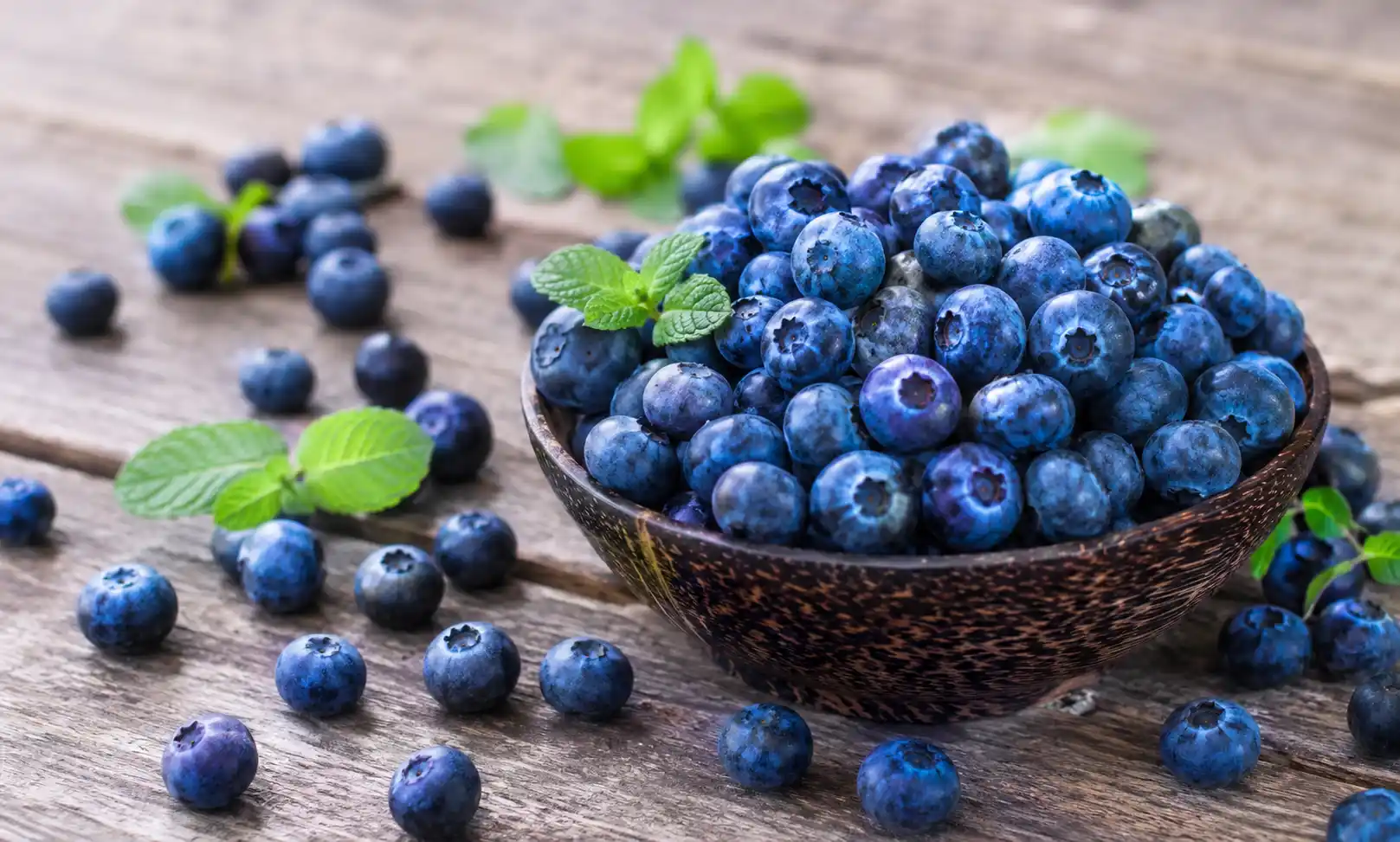
Blueberries are one of the most nutritious fruits to include in your diet! They contain few calories and are rich in fiber, vitamin C, vitamin K, manganese, and potent antioxidants called anthocyanins. Eating blueberries regularly can help to keep the heart healthy, brain functioning, digestion, and immune system healthy, which is all great for any age.
Introduction
When it comes to choosing a nutritious, tasty, and flexible fruit, blueberries are the top food on your shopping list. The little blue berries are tiny but packed with vitamins, minerals, plant compounds, and fiber that could have a big impact on health.
Savor blueberries fresh, frozen, blended in smoothies, or added to oatmeal, and you'll find a simple way to get better nutrition into your diet. They're also a healthier alternative to many sugary snacks, as they're naturally sweet.
The question "What is the nutrition in blueberries?" is asked by many people who are interested in increasing their antioxidant intake, weight control, or eating healthier. Fortunately, blueberries are a nutritious food that doesn't contribute a ton of calories. They are packed with the nutrients needed for heart, brain, skin, digestive, and immune health.
Here, you will find out what nutrients blueberries have, their scientifically proven health benefits, how they compare to other fruits, and some of the easiest ways to incorporate them into a healthy diet.
What Are Blueberries?
Blueberries are small, round berries that grow on flowering shrubs of the Vaccinium family. They are native to North America but are also grown in other regions and can be found fresh or frozen all year round.
They are a deep blue-purple color due to the presence of anthocyanins in their natural pigments, which are powerful antioxidants. These compounds are thought to help safeguard plant cells against injury, and they could do the same in the human body.
The flavor of blueberries is naturally sweet and slightly tart, making them a favorite in breakfast foods, desserts, smoothies, fruit salads, yogurt bowls, and healthy snack options.
Unlike processed foods, blueberries are a balanced nutritional package that contains naturally occurring sugars, fiber, vitamins, minerals, and water.
What Is the Nutritional Value of Blueberries?
Blueberries are considered a nutrient-rich fruit because they provide many important vitamins while ultimately reducing energy and fat
A typical serving of 100 grams (about ¾ cup) of fresh blueberries contains approximately:
| Nutrient | Amount (per 100 g) |
| Calories | 57 |
| Water | 84% |
| Carbohydrates | 14.5 g |
| Natural Sugars | 10 g |
| Dietary Fiber | 2.4 g |
| Protein | 0.7 g |
| Fat | 0.3 g |
| Vitamin C | 9.7 mg |
| Vitamin K | 19.3 mcg |
| Manganese | 0.3 mg |
| Potassium | 77 mg |
This dietary profile makes blueberries a splendid choice for people who want a sweet fruit that is filling, hydrating, and nutrient-rich.
Why Blueberries Are Considered a Superfood
While "superfood" isn't always the official medical term, blueberries routinely earn this title because they contain a grand array of useful nutrients
Some of the reasons nutrition experts frequently recommend blueberries include:
-
Naturally low in calories
-
Rich in dietary fiber
-
High in antioxidants
-
Excellent source of vitamin C
-
Good source of vitamin K
-
Contains manganese for healthy metabolism
-
Naturally fat-free
-
Cholesterol-free
-
High water content for hydration
-
Easy to include in almost any eating pattern
Instead of counting on dietary supplements, consuming whole ingredients like blueberries is sure to get a huge variety of nutrients working together in your body.
Vitamins Found in Blueberries
One of the reasons why people frequently ask about the nutritional value of blueberries is that they want to find out what vitamins these berries have.
In blueberries are several key vitamins that help to carry out various functions in the body.
Vitamin C
Vitamin C is perhaps the most recognized nutrient in blueberries.
It plays a key role in:
-
Supporting immune function
-
Helping your body produce collagen
-
Promoting healthy skin
-
Protecting cells from oxidative stress
-
Improving wound healing
-
Enhancing iron absorption from plant foods
While blueberries do not include vitamin C as a whole as a citrus fruit, they make a meaningful contribution to your everyday intake.
Vitamin K
Blueberries are also a good source of vitamin K.
Vitamin K helps:
-
Maintain normal blood clotting
-
Support healthy bones
-
Assist in calcium regulation
-
Contribute to overall skeletal health
People taking blood-thinning prescription drugs should communicate with their healthcare provider before conducting leading-edge research on nutritionally-rich foods k.
Small Amounts of Other Vitamins
Blueberries also provide smaller amounts of:
-
Vitamin E
-
Vitamin B6
-
Folate
-
Riboflavin
-
Niacin
-
Pantothenic acid
While those amounts are not very high, they contribute to a balanced weight loss program when mixed with different nutrient-rich foods.
Important Minerals in Blueberries
Blueberries also supply several essential minerals that help keep your body functioning properly.
Manganese
Manganese is one of the standout minerals found in blueberries.
It helps support:
-
Healthy metabolism
-
Bone development
-
Connective tissue formation
-
Antioxidant enzyme activity
-
Energy production
Many people do not realize that they are not getting enough manganese, which makes blueberries a valuable food source.
Potassium
Blueberries provide potassium, a mineral that helps:
-
Maintain normal muscle function
-
Support healthy nerve signals
-
Regulate fluid balance
-
Assist healthy blood pressure when consumed as part of a balanced diet
While bananas are more recognized for potassium, blueberries can contribute to your overall intake.
Copper and Iron
Blueberries also contain small amounts of copper and iron, which play roles in:
-
Red blood cell production
-
Energy metabolism
-
Immune function
-
Oxygen transport
Eating a variety of fruits helps ensure you receive these trace minerals naturally.
Blueberries Are Packed with Powerful Antioxidants
That's one of the main reasons why blueberries are considered a superfood: their antioxidants are incredible.
Cells in your body come across free radicals that are unstable molecules every day. These molecules can cause cumulative damage to cells via a process called oxidative stress.
The natural substances present in blueberries can help stop free radicals at the initial stage before they damage cells.
The most notable antioxidants in blueberries include:
-
Anthocyanins
-
Flavonoids
-
Quercetin
-
Myricetin
-
Chlorogenic acid
Anthocyanins give berries their deep blue color. Most well-known are the studies that link them to improving heart and brain functions and protecting our cells gradually.
They cannot be considered a quick fix. Instead, they integrate into a generally good diet and help lessen oxidative stress progressively.
Science-Backed Health Benefits of Blueberries
With your knowledge of the nutritional value of blueberries, let's take a look at how these nutrients can help your health. Though individual foods won't stop diseases, blueberries may be a supportive food in a well-balanced diet for long-term health.
May Support Heart Health
Your heart runs 24/7, and therefore it needs proper nourishment in the form of rich foods. The fiber, potassium, vitamin C, and anthocyanins in blueberries all play a role in cardiovascular health.
Anthocyanins can also help prevent oxidative stress to the blood vessels and promote healthy circulation. Combine blueberries with a heart-healthy diet, and the fiber in blueberries can help to maintain healthy cholesterol.
Another easy change to make is to replace high-sugar foods with blueberries, which will help to support heart health and reduce extra calories.
May Help Support Healthy Blood Pressure
The low sodium content in blueberries is a natural feature, and blueberries are a good source of potassium, which is a mineral that aids in maintaining fluid balance in the body.
The consumption of fruits and vegetables – especially blueberries – can contribute to healthy blood pressure in a normal range. This benefit is due to the overall dietary pattern and not specific to blueberries.
Rich in Fiber for Better Digestion
Fiber is an important nutrient that many people do not get enough of.
Blueberries provide dietary fiber that helps:
-
Promote regular bowel movements
-
Support healthy digestion
-
Feed beneficial gut bacteria
-
Increase feelings of fullness
-
Slow the digestion of carbohydrates
A healthy gut doesn't just affect digestion—it additionally plays an important place in immune health and specific wellness.
May Support Healthy Weight Management
If you're trying to manage your weight, blueberries are a smart snack choice.
They are naturally:
-
Low in calories
-
High in water
-
Rich in fiber
-
Naturally sweet
-
Fat-free
Eating fiber with drinking enough water can give you that feeling of fullness for a longer time, which results in less hunger.
When you are craving something, do not pick cookies and candy; just have a bowl of fresh blueberries with Greek yogurt or cottage cheese as your snack, which will keep you full.
May Help Maintain Healthy Blood Sugar Levels
Blueberries are sweet, but they have a low glycemic impact. They are a healthier choice than many processed snacks.
Also, blueberries contain fiber that slows down the absorption of natural sugars. As a result, they prevent rapid spikes in blood glucose after a meal.
Generally, blueberries are a great addition to a balanced diet for healthy people. Diabetics can usually consume blueberries in portion-controlled meals as part of a diabetes-friendly diet, but requirements might differ among individuals.
Supports Brain Health
One of the most fascinating aspects of blueberry research concerns brain function.
Brain cells can potentially be safeguarded with the help of blueberry antioxidants that combat oxidative stress, a process that naturally worsens as we age.
Some studies suggest that regularly eating berries may support:
-
Memory
-
Learning
-
Focus
-
Healthy aging of the brain
-
Communication between brain cells
While blueberries aren't a miracle food, they can contribute to long-term cognitive fitness as an addition to a healthy lifestyle with lots of them.
May Benefit Eye Health
Your eyes are being exposed to light and environmental stress at all times.
Blueberries are a great source of antioxidants and vitamin C, which makes them a great food for protecting the eye tissues from damage caused by oxidation.
Of course, they can not be a substitute for regular eye care, treatment, or medicines, but antioxidant-rich fruits, like blueberries, are a very good addition to a balanced diet, which, besides supporting overall health, is also good for eye health.
Helps Strengthen the Immune System
A healthy immune system depends on many nutrients working together.
Blueberries contribute by providing:
-
Vitamin C
-
Antioxidants
-
Fiber
-
Natural plant compounds
Vitamin C is involved in maintaining the normal functioning of immune cells, and antioxidants contribute to the protection of those immune cells from oxidative stress.
Consuming blueberries together with a wide assortment of fresh fruits and vegetables of different colors can bring a healthy, wholesome diet providing strong support to the immunity all through the year.
May Promote Healthy Skin
Healthy skin is really a reflection of a healthy body.
Blueberries have vitamin C to help your body generate collagen - the protein that makes skin tight and elastic.
Their antioxidants also help in protecting skin cells from being damaged by pollution, sunlight, and regular aging.
Taking care of your skin with products is significant, but what you eat has a very high impact on skin that looks healthy.
Supports Healthy Bones
Although dairy products are regularly associated with bone health, calcium additionally plays an important supporting role.
Blueberries provide:
-
Vitamin K
-
Manganese
-
Vitamin C
These vitamins contribute to regular bone maintenance and connective tissue health.
Pairing blueberries with calcium-rich ingredients like yogurt can make an outstanding bone-pleasing snack.
Helps Reduce Oxidative Stress
Oxidative stress is when there are more free radicals than the body's defenses.
Increased oxidative stress over time can play a role in normal ageing and chronic diseases.
Blueberries have an exceptionally high concentration of anthocyanins, particularly in the fruit, and are a great addition to an antioxidant diet.
Incorporating a diverse range of coloured fruit and vegetables into your daily diet is one of the simplest steps you can take towards boosting the amounts of protective plant compounds in your body.
May Support Exercise Recovery
When it comes to post-workout foods, blueberries are great.
They are rich in carbohydrates, which replenish energy stores during exercise, and in antioxidants, which can possibly decrease oxidative stress caused by exercise.
Many athletes like blueberries in their smoothies as they can easily be mixed with protein-rich foods such as milk or Greek yogurt.
Easy to Include in Everyday Meals
One of the biggest advantages of blueberries is how versatile they are.
You can enjoy them:
-
Fresh as a snack
-
Frozen in smoothies
-
Mixed into oatmeal
-
Added to yogurt
-
Tossed into salads
-
Blended into healthy desserts
-
Mixed with cottage cheese
-
Added to whole-grain cereal
-
Baked into homemade muffins with less sugar
-
Combined with nuts for a balanced snack
Because they require little preparation, blueberries are one of the easiest foods to add to your everyday routine.
Who Should Eat Blueberries?
Blueberries are available for nearly all people to have as a part of a well-balanced weight loss program. They have an excellent nutrient profile, making them appropriate for all lengths and life spans.
Children
Children would love to snack on blueberries as they are naturally sweet, soft, and easy to eat. They are a source of vitamins, minerals, fibre and antioxidants which are essential for healthy growth and development. If necessary, cut blueberries into smaller pieces for younger children to decrease the danger of choking.
Adults
When it comes to breakfast, snacks, or desserts, adults can enjoy blueberries by incorporating them into their meals. The fiber and antioxidants in their combination make them a good option for maintaining overall health and a sweet tooth.
Older Adults
Preserving brain, heart, and bone health becomes even more important as people get older. When eaten as part of a nutrient-dense diet, blueberries offer nutrients and plant compounds that could support healthy ageing.
Active Individuals
Blueberries are an excellent addition to your diet, whether you're a walker, runner, cyclist, or strength trainer. They contain natural carbohydrates that can give you energy and antioxidants that may aid recovery after physical activity.
People Managing Their Weight
Blueberries have a small number of calories but are quite satisfying. Due to the fiber and water that they contain, your feeling of fullness can be prolonged. So, these fruits can be a great addition to the food list of someone who wants to keep or reduce their weight.
Are There Any Risks of Eating Blueberries?
Blueberries are one of the healthiest foods around, and most people can safely and effectively consume them. There are some considerations to bear in mind, however.
Allergies
Though rare, certain people can be allergic to blueberries. This may lead to itching, swelling, or digestive discomfort. If you do not get better and are still feeling these symptoms after eating blueberries, consult a doctor.
Vitamin K and Blood-Thinning Medications
Blueberries are rich in vitamin K, which is involved in blood clotting. Individuals on blood-thinning drugs should not eliminate blueberries from their diet, but instead maintain a regular dose of vitamin K and consult their healthcare providers for advice.
Portion Size
All foods, even nutritious ones, should be consumed in moderation. They are high in both calories and natural sugars, so it's best to eat a lot of them as part of a diverse diet that also includes many other fruits and vegetables.
Expert Tips
To make the most of the nutritional value of blueberries, consider these practical tips:
-
Eat blueberries with a source of protein, such as Greek yogurt or cottage cheese, for a more balanced snack.
-
Add them to oatmeal or whole-grain cereal for extra fiber and antioxidants.
-
Choose plain frozen blueberries without added sugar.
-
Rinse fresh blueberries just before eating to help them stay fresh longer.
-
Store fresh blueberries in the refrigerator and remove any damaged berries to extend their shelf life.
-
Include a variety of colorful fruits in your diet instead of relying on a single "superfood."
Frequently Asked Questions
What is the nutritional value of blueberries per 100 grams?
Blueberries are a low-calorie fruit. They are rich in nutrients that will help to energize and boost your stamina. In fact, 100 grams of blueberries alone only have approximately 57 calories. Besides that, they contain 14.5 grams of carbohydrates, 2.4 grams of fiber, 0.7 grams of protein, 0.3 grams of fats with vitamins C and K, manganese, potassium, and the potent antioxidants known as anthocyanins.
Are blueberries good for weight loss?
Yes, blueberries have very few calories and are packed with both fiber and water, which each help promote satiety for longer periods of time. When combined with regular physical exercise, blueberries may be a nutritious component of a calorie-controlled diet.
Can I eat blueberries every day?
Most people in good health can enjoy blueberries every day as one element of a diverse diet without any problem. Consuming various fruits offers a broader spectrum of nutrients and helpful plant compounds.
Which is healthier, fresh or frozen blueberries?
Clean and frozen blueberries are both highly nutritious. Frozen blueberries are usually picked and frozen at elevated ripeness, which helps maintain most of their nutrients and antioxidants.
Why are blueberries considered a superfood?
Blueberries really deserve to be called a superfood since they have a lot of antioxidants, fiber, vitamin C, vitamin K, and manganese. Besides, they are so low in calories that they are totally natural. These components will help you stay in good health if you eat blueberries as part of a balanced diet.
Conclusion
So, what are the nutritional benefits of blueberries? The answer is simple: blueberries are one of the most nutritious fruits that you can try in your everyday diet. Although they're compact in size, these seeds are a strong source of fibre, vitamin C, vitamin K, manganese, potassium, and many antioxidants, which are important for overall health.
Blueberries are not only a delicious and natural sweetener, but they have many other health benefits, including promoting heart and brain health, aiding digestion, and supporting the immune system, healthy skin, and weight management. They can also be used in so many delicious ways, whether served fresh, frozen, in smoothies, or as a breakfast topping or salad garnish.
Although none of these foods will create a perfect healthy diet, eating blueberries often as a part of a well-balanced and varied diet is an easy and tasty way to get more of these important nutrients. When paired with a healthy lifestyle, regular exercise, and sufficient sleep, blueberries can contribute to long-term well-being.
Key Takeaways
-
Blueberries are low in calories but rich in essential nutrients.
-
They provide fiber, vitamin C, vitamin K, manganese, and potassium.
-
Anthocyanins give blueberries their deep blue color and antioxidant properties.
-
Regularly eating blueberries may support heart, brain, digestive, immune, and skin health.
-
Both fresh and frozen blueberries offer excellent nutritional value.
-
Blueberries fit well into healthy eating patterns for people of all ages.
-
Enjoy them as part of a balanced diet rather than relying on any single food for health benefits.



Comments ( 0)
Leave a Comment
No comments yet. Be the first to comment!