

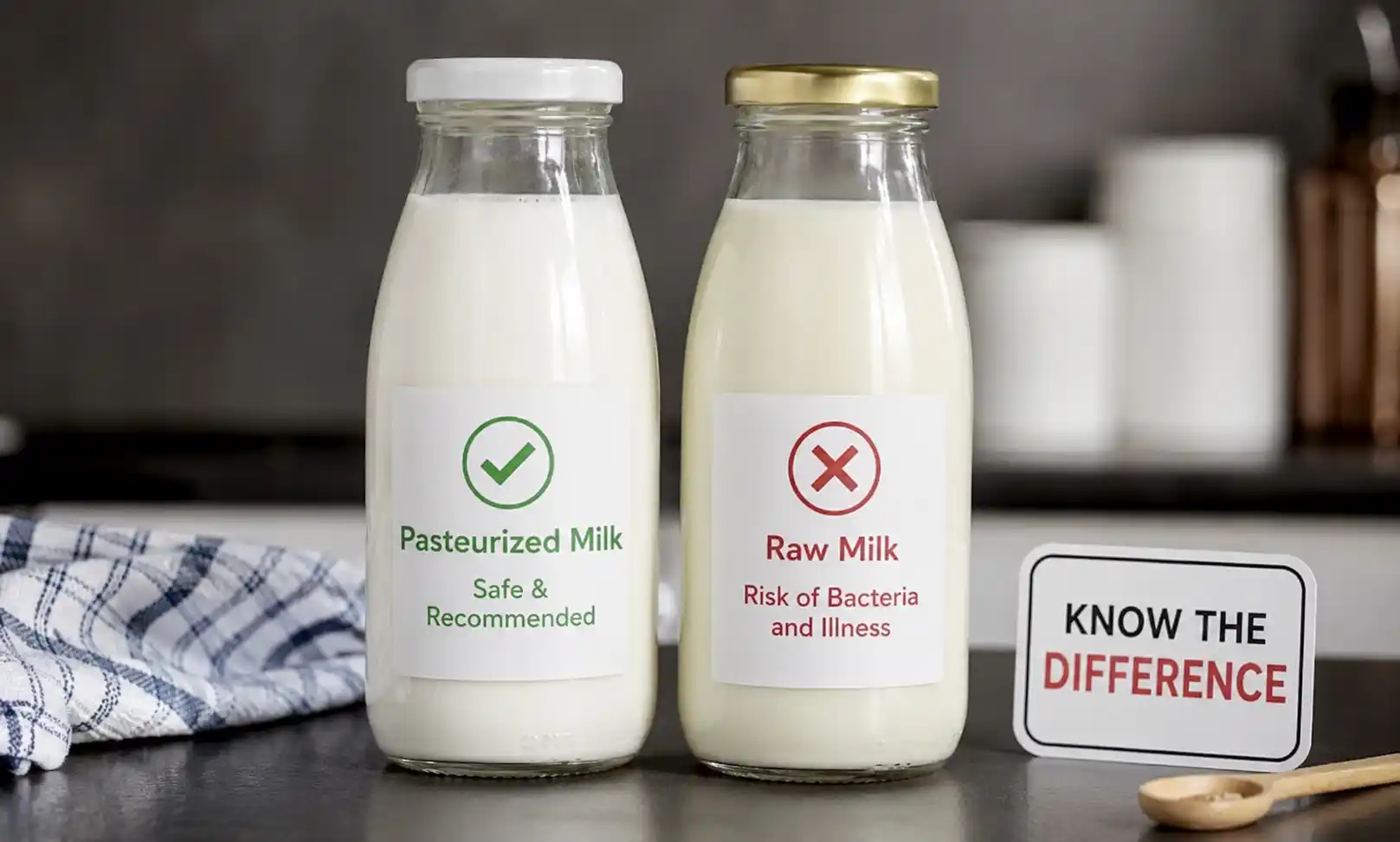
Raw milk can contain potentially dangerous bacteria like E. coli, Salmonella, Listeria, and Campylobacter. Raw milk is not pasteurized, meaning it may cause food poisoning, ranging from stomach upset to severe infection. Some people believe raw milk offers additional health benefits, but as of now, scientific evidence indicates that the potential dangers of drinking raw milk far outweigh the purported benefits.
Introduction
Ever wonder if raw milk may be healthier than the milk sold in grocery stores? Raw milk is marketed as a natural superfood, and social media influencers, local farms, and health experts alike tout it as a miracle in a bottle. It's easy to get confused with raw milk being marketed as a natural superfood, and social media influencers, local farms, and health experts touting it as a miracle in a bottle. It is alleged to enhance digestion, immunity, and nutrient availability, yet others caution it may lead to serious sickness.
The facts are the truth. Health professionals from around the globe know about the dangers of raw milk. Raw milk is milk from dairy products that has not been pasteurized, but it does not necessarily mean that it is safer or healthier. Farms adhere to good hygiene; even healthy animals can contaminate milk with harmful bacteria. Here, you will learn what raw milk is, why it can be dangerous, what science has to say about its benefits and drawbacks, and who shouldn't drink it.
Key Takeaways
-
Raw milk is milk that has not undergone the process of pasteurization to eliminate harmful bacteria.
-
It may be a source of pathogens that can cause food poisoning and serious infections.
-
Most of the changes in the levels of nutrients between raw and pasteurized milk are quite negligible.
-
The most vulnerable groups include pregnant women, children, elderly people, and those with weakened immune systems.
-
Besides being safer, pasteurized milk is nutritionally very close to unpasteurized milk.
-
Fact-based knowledge enables you to decide whether to include dairy products in your diet.
What Is Raw Milk?
Raw milk is milk from a cow, goat, sheep, or other dairy animal that has not been pasteurized. The heating process called Pasteurization was developed to eliminate harmful bacteria without damaging milk's nutritional quality.
Many prefer to use raw milk as it is less processed, fresher, and more natural. Others buy it directly from the local farms as they wish to support small-scale farming or prefer traditional foods.
But raw milk can be contaminated at a number of stages from the animal to your glass. Bad bacteria can be introduced into the milk at milking time by coming into contact with manure, dirty milking equipment, insects, water, or storage containers. The bacteria are microscopic, and bad milk may appear perfectly normal in terms of appearance, smell, and taste.
These risks were minimized by instituting pasteurization, a process that renders milk much safer without sacrificing most of the nutrients.
Are Raw Milk Dangers Real?
Yes. Even though the risks of raw milk do not seem as severe, they are present because there are harmful bacteria in raw milk that can cause food poisoning.
Raw milk is not pasteurized, and thus does not undergo the heat treatment used in pasteurized milk to kill disease-causing microorganisms. Eating contaminated milk could cause stomach cramps, diarrhea, vomiting, fever, dehydration, and, in serious cases, hospitalization if there is harmful bacteria in the milk.
The most frequent bacteria associated with raw milk are:
-
Escherichia coli (E. coli)
-
Salmonella
-
Listeria monocytogenes
-
Campylobacter
Anyone can get these infections, but young children, pregnant women, older adults, and those with compromised immune systems are at the greatest risk for complications.
How Raw Milk Can Affect Your Health
Milk is a great source of nutrients, but also a perfect breeding ground for the growth of bacteria. If harmful germs get into raw milk during the milk-making process, they will multiply quickly if the milk is not kept continuously refrigerated.
If the milk is contaminated, bacteria get into the digestive system. Many individuals develop stomach and gastrointestinal inflammation, which leads to nausea, vomiting, abdominal pain, diarrhea, and fever.
After a few days of rest and fluids, most healthy adults recover. Some germs, however, can make a toxin or spread out of the digestive system, which can lead to damage to the kidneys, bloodstream infections, nervous system issues, or pregnancy issues.
That's why pasteurization is still one of the most successful food safety measures ever developed.
Health Benefits Backed by Science
There are a lot of assertions about the benefits of raw milk. Some of these are based on scientific research, others are just myths and have no scientific proof. It's crucial to distinguish facts from one's personal beliefs when deciding whether raw milk suits your lifestyle or not.
Rich Source of Protein
High-quality protein found in raw milk can help build muscle, boost the immune system, and promote good skin and tissue health. The proteins in milk do not change significantly after pasteurization, so pasteurized milk provides almost the same protein benefits.
Supports Bone Health
Raw milk is rich in calcium, phosphorus, and protein, all of which are important for bone and tooth strength. Both raw milk and pasteurized milk are good sources of nutrients that support healthy bones, which are retained through pasteurization.
Provides Essential Vitamins and Minerals
Raw milk is rich in vitamins B12, riboflavin, potassium, magnesium, and zinc. These vitamins and minerals are essential for normal energy production, nerve function, and overall health. The majority of these nutrients are heat-stable and will not be affected by pasteurization.
May Contain Natural Enzymes
A popular belief is that raw milk has useful enzymes that are killed by heat. It's true, but present research indicates these enzymes are generally destroyed within the digestive system and offer little proven health benefit after ingestion.
Contains Naturally Occurring Bacteria
Microorganisms are present in raw milk. While these bacteria are believed to have a beneficial effect on gut health, the research evidence is not consistent on the probiotic benefits of the bacteria in raw milk. What is more important is that there can also be harmful bacteria, making it impossible to say whether the bacteria are helpful or harmful.
Claims About Allergy Prevention
There have been some observational studies investigating whether children who grow up on a farm do not suffer from allergy or asthma symptoms because they drink raw milk. But researchers say that numerous other lifestyle-related factors on farms could affect these results. At this time, there is insufficient evidence to recommend raw milk to help prevent allergies.
Immune System Support
Raw milk is said to boost the immune system. As a result, at this time, there is no convincing science that proves raw milk boosts immunity more than pasteurized milk. The importance of a balanced diet, adequate rest, exercise, and recommended vaccinations is still more critical in keeping the immune system healthy.
What Research Says
Many decades of research have proven raw milk to be much more likely to cause foodborne illness than pasteurized milk. There have been many outbreaks associated with contaminated raw milk recorded, involving children and adults.
A parallel study has been conducted to compare the nutritional value of raw milk with pasteurized milk, and it has been shown that very little alteration occurs in some vitamins during the process of pasteurization; however, the protein, calcium, and phosphorus content remains the same in the vast majority of important nutrients.
In general, the benefits of raw milk consumption that are touted by its advocates have not been substantiated as being more significant than the risks. Pasteurized milk is still a good option for most people, but it offers the added benefit of being safer.
Potential Risks or Side Effects
While many people can drink raw milk without illness, there is no way to determine by the appearance of the milk if it is safe to drink. The harmful bacteria are invisible, and milk may be perfectly smelling and tasting when contaminated. It is helpful to know the potential risks so that you can make an informed choice.
Food Poisoning
Food poisoning is the most common risk of raw milk. Symptoms include nausea, vomiting, stomach cramps, diarrhea, fever, headache, and weakness. In healthy adults, such symptoms get better in a few days. Some infections can be much more serious and need medical treatment, however.
Severe Dehydration
Young children and older adults are at higher risk of dehydration when they vomit or have diarrhea often. Symptoms are excessive thirst, dizziness, dry mouth, decreased urine output, and unusual fatigue. If dehydration is severe, it could necessitate hospitalization.
Kidney Complications
Some types of E. coli can make toxins that can harm the kidneys. It is rare but can be fatal if not treated early, especially in children.
Pregnancy-Related Risks
Listeria monocytogenes, a bacterium that can cause special concern in pregnant women, can also be found in raw milk. If the mother has a mild case of the infection, the child may be born with a serious illness, stillborn, or born prematurely, or the mother may miscarry.
Bloodstream and Nervous System Infections
Occasionally, bacteria from the raw milk may invade the bodily systems. This can result in bloodstream infections, infection of the nervous system and brain, and is especially a problem in individuals with a compromised immune system.
False Sense of Security
One major mistake is assuming that milk from a clean farm or healthy-looking animals is always safe. Even the most hygienic farms cannot completely avoid bacterial contamination since microorganisms are naturally present in the environment.
Who May Benefit Most?
Scientifically, there is no solid evidence that supports raw milk having unique health benefits from a nutritional perspective. Yet, few adults may decide to consume it based on their personal preferences.
Adults Who Prefer Minimally Processed Foods
Some people enjoy minimally processed foods. They can also choose uncooked milk as they pay for traditional farming practices, or choose to buy directly from neighborhood manufacturers.
People Who Support Local Farms
Purchasing dairy products straight from a farm in your area can be an effective way to encourage local agriculture and small family businesses. Still, the act of supporting local farms should not be equated with the purchase of raw milk only, as numerous farms also offer pasteurized dairy products.
People Seeking Nutrient-Rich Dairy
Milk, in its natural state, contains a great amount of protein, calcium, phosphorus, vitamin B12, riboflavin, and several other essential nutrients. Milk remains a nutrient-dense food, both raw and pasteurized, if consumed with other foods that meet your daily requirements.
Even though some of these people may like raw milk for their own reasons, to date, scientific studies have not demonstrated that raw milk is more beneficial for health than pasteurized milk in general.
Who Should Be Cautious?
In certain people, the possibility of extending extreme headache after consuming contaminated uncooked milk is much higher.
Pregnant Women
Pregnant women should avoid raw milk because bacterial infections can affect every mother and growing child. Even the slightest contamination can additionally have serious effects at some stage of pregnancy.
Infants and Young Children
Children have an increasingly weakened immune system that cannot fight the dangerous microbe consistently and effectively. For this reason, fitness experts propose to consume the simplest pasteurized milk for children.
Older Adults
As people age, the immune system certainly decreases significantly. Older adults are more likely to develop severe infection, dehydration, or hospitalization after a foodborne infection.
People With Weakened Immune Systems
Individuals receiving chemotherapy, taking immunosuppressive drugs, living with HIV, or recovering from an organ transplant are at far greater risk of acute infection from infected food, which includes raw milk
People With Chronic Illnesses
Those living with kidney disease, liver disease, diabetes, or other chronic health conditions should communicate with their healthcare provider before consuming uncooked milk
Why Pasteurization Matters
Pasteurization has been one of the greatest advances in the field of food safety. The process is a simple, gentle heating of milk to a certain temperature for a short amount of time, which kills harmful bacteria but leaves the majority of all the important nutrients.
Others fear that pasteurization will cause loss of beneficial nutrients. Actually, studies indicate that protein, calcium, phosphorus, potassium, and the majority of vitamins are not significantly affected. The slight drop in some nutrients, especially those sensitive to heat, is not significant enough to cause significant changes in health.
Pasteurized milk is generally just as nutritious and has a much lower risk of causing food poisoning than unpasteurized milk. That's why milk pasteurized in other countries is more recommended to use as the health care professionals around the world find that it is safer.
Best Ways to Use Dairy Safely
If you enjoy consuming dairy, following a safe diet to cope with the habits can help protect your health.
-
Choose pasteurized milk whenever possible.
-
Buy dairy products from trusted producers who follow proper food safety standards.
-
Keep milk refrigerated at all times.
-
Never leave milk at room temperature for long periods.
-
Check expiration dates before drinking milk.
-
Store milk in a clean, sealed container.
-
Wash your hands before handling dairy products.
-
Discard milk that develops an unusual smell, texture, or appearance.
These simple habits substantially reduce the dangers of dairy contamination even as one enjoys the nutritional blessings of milk.
Common Mistakes People Make
Believing Raw Milk Is Always More Nutritious
Many people expect raw milk to have dramatically more nutrients than pasteurized milk. Scientific studies show that the difference in nutrition is definitely pretty small.
Assuming Healthy Animals Produce Safe Milk
Even healthy cows can carry microbes that contaminate the milk. Clean farms reduce the hazard, yet cannot eliminate it.
Ignoring Food Safety Advice
Some people rely on non-public stories in preference to medical evidence. Even though many people don't drink raw milk, outbreaks continue to arise because a dangerous microorganism cannot be detected with the aid of sight or taste
Giving Raw Milk to Children
Parents each believe that raw milk is healthier for growing children. In fact, young people are among many groups who are at greatest risk for acute foodborne infections.
Thinking "Natural" Means Risk-Free
While natural food can certainly be nutritious, natural does not always indicate safe. Food safety relies on proper handling and bacterial control, not whether the product has been processed or not.
Expert Tips
-
Choose pasteurized milk if food safety is your top priority.
-
Store milk below the recommended refrigeration temperature.
-
Drink milk before its expiration date.
-
Practice good kitchen hygiene when handling dairy products.
-
If you are pregnant, avoid all unpasteurized dairy products.
-
Seek medical care if severe diarrhea, bloody stools, persistent vomiting, or signs of dehydration develop after consuming raw milk.
-
Focus on an overall balanced diet rather than expecting one food to provide extraordinary health benefits.
Frequently Asked Questions
Is raw milk more nutritious than pasteurized milk?
Raw milk and pasteurized milk have very much the same nutritional content. They both contain high-quality protein, calcium, phosphorus, potassium, and several vitamins that are essential for our bodies. Although pasteurization might cause a slight decrease in some heat-sensitive nutrients, these differences are usually so minor that they do not impact the overall health of an individual. According to the latest studies, raw milk does not provide really better nutrition compared to pasteurized milk.
Can healthy cows produce contaminated raw milk?
Yes, it could happen. Even if cows look healthy, they might be carrying bacteria that contaminate milk during or after milking. In addition to manure milking equipment, storage containers, insects, or even the environment can be sources of milk contamination. These bacteria are invisible, odorless, and tasteless, so raw milk that seems perfectly fresh can actually be risky for one's health.
What bacteria are commonly found in raw milk?
The bacteria mostly linked to raw milk are Escherichia coli (E. coli), Salmonella, Listeria monocytogenes, and Campylobacter. These pathogens are capable of causing food poisoning symptoms that range from a slight stomach upset to a severe illness that might cause a hospital stay. Contamination is not inevitable in every batch; Though, there is no dependable method for the buyer to ascertain if raw milk harbors dangerous bacteria or not.
Why is pasteurized milk considered safer?
The pasteurization method involves mild heating of milk for a short time. This heating is just enough to kill dangerous bacteria but not enough to change milk's nutritional value. The process of pasteurizing milk has brought about a huge decrease in foodborne illnesses related to milk consumption worldwide. Even though milk has been pasteurized, its content of protein, calcium, vitamins, and minerals remains almost the same. Then again, the risk of getting infected has been remarkably reduced.
Who should never drink raw milk?
Because of their weaker ability to fight infections, pregnant women, infants, very young children, the elderly, and people with compromised immune systems should avoid eating raw milk; otherwise, in the case where harmful bacteria are present, they might be at risk of serious health complications. People who suffer from chronic illnesses should also seek a doctor's advice before drinking or eating unpasteurized dairy products.
Can drinking raw milk improve digestion?
Nowadays, it's a fact that some individuals report that they feel better after drinking raw milk. Yet, scientific data is inconsistent to the point that it doesn't at all confirm a better digestion of raw milk compared to pasteurized milk. So if someone notices that he/she gets stomach pains after milk intake, then lactose intolerance or some other digestive problem is likely the cause, and not in reality the milk was pasteurized.
How can I reduce my risk if I choose to drink raw milk?
One of the safest options that can lower your risk is to select pasteurized milk. Still, if you really want to drink raw milk, purchase it from dependable sources, store it in a proper cold environment, use disinfected containers, and throw away the milk that has been kept improperly. But the risk of getting bacteria in the milk cannot be fully eliminated, even if great handling methods are used.
Should you drink raw milk?
For many healthy adults, choosing is a matter of personal preference, but the choice should rest on facts rather than on myths. Although raw milk might be attractive to those who want the least processed foods, scientific proof has indicated that its possible health benefits have not been demonstrated to be greater than the well-known food safety risks. For most of the households, pasteurized milk is still the safer and more convenient option.
Conclusion
Raw milk has also been in the spotlight due to its perceived naturalness and nutritional benefits over pasteurized milk. Although it has some beneficial nutrients, studies have shown that they are usually quite minor. The difference between raw milk and pasteurized milk is obvious: harmful bacteria that may lead to food poisoning.
Knowing about the risks of raw milk can help you make decisions, not based on rumors or Facebook posts. While the potential risk may be low for healthy adults, it can be far more serious for children, pregnant women, older adults, and those with compromised immune systems.
When it comes to consuming milk without causing any adverse health effects, but still enjoying the nutritional benefits, then pasteurized milk is the best choice. Regardless of your selection, make sure that dairy products are bought from reliable retailers, kept in a safe place, and that prepared food is handled safely.
Article Summary
-
Raw milk is milk that has not been pasteurized, and because of this, it may contain harmful bacteria even though it looks fresh and comes from healthy animals.
-
The most frequent risks are food poisoning caused by E. coli, Salmonella, Listeria, and Campylobacter.
-
Research findings indicate that pasteurized milk contains almost all of the essential nutrients present in raw milk, yet it offers quite a bit of improved food safety.
-
The groups most vulnerable to raw milk, such as pregnant women, children, the elderly, and people with a compromised immune system, should stay away from raw milk because they are more likely to suffer from severe illness.
-
Making informed food choices, following proper dairy storage practices, and understanding the facts about raw milk dangers can help protect your health and your family's well-being.



Comments ( 0)
Leave a Comment
No comments yet. Be the first to comment!