

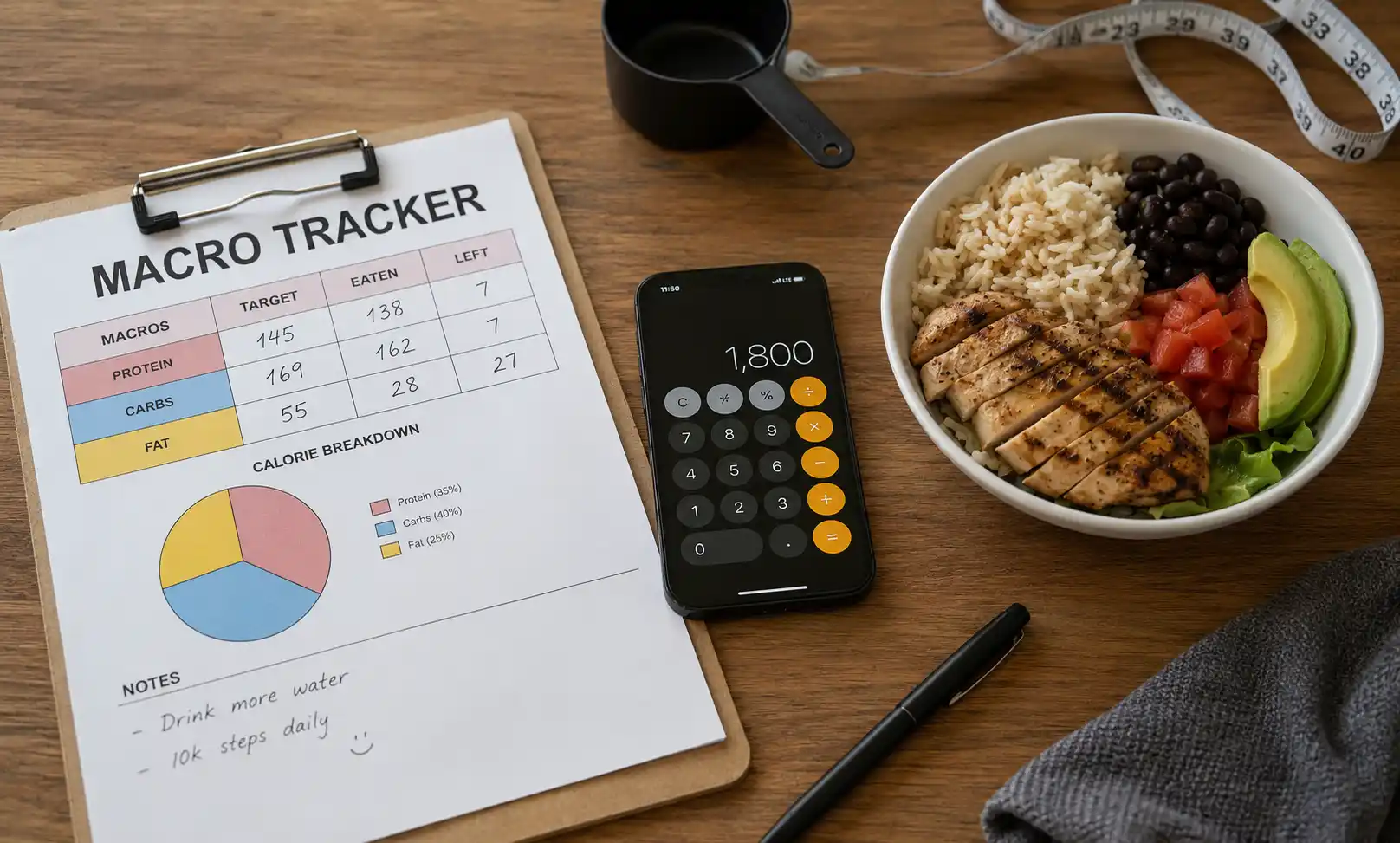
How to count macros for weight loss: First, figure out how many calories you need each day. Then, distribute those calories between protein, carbohydrates, and fats. Monitor the grams of each macronutrient you consume during the day and don't exceed your goal. Using this method, you can create a calorie deficit, keep your muscle mass, and have a weight loss process that lasts.
Introduction
Have you experienced the discouragement that comes after trying diet after diet, only to find that there is very little change? It might surprise you to learn that it isn't only a few people who fail when it comes to losing weight. Actually, many people who struggle with weight loss are the ones who mainly count calories and forget about the nutrients that those calories have. That's the area where knowing how to count macros for weight loss can literally change the whole game for you. Counting macros is one of the most accommodating and potent methods of shedding pounds since it makes you fully aware of what you are eating. Rather than branding foods as simply "good" or "bad, " it guides you on how to combine protein, carbohydrates, and fats so that fits your goals.
Whether you are a total newcomer or someone who has been through several diets before, this manual will present you with the method of macro counting, the reasons why it is significant, and the ways to apply it effectively for lasting weight loss.
Key Takeaways
-
Macros refer to proteins, carbohydrates, and fats.
-
Weight loss still requires a calorie deficit.
-
Protein is especially important for preserving muscle during weight loss.
-
Macro counting provides flexibility compared to restrictive diets.
-
Tracking macros can improve food awareness and portion control.
-
Consistency matters more than perfection.
-
Macro goals should be adjusted based on age, activity level, and weight-loss goals.
What Is Macro Counting?
Macro counting is the practice of monitoring the three fundamental macronutrients your body wants:
-
Protein
-
Carbohydrates
-
Fat
The body uses these nutrients as the main sources of energy and to perform vital functions.
Each food contains different proportions of the three macronutrients. Keeping a record of your macronutrient intake can provide you with a better understanding of your diet and help you make the necessary changes to lose weight.
The biggest reason why people get into macro counting is that it gives them more freedom. Instead of following super strict diets that cut out whole food groups, macro tracking lets you have different kinds of foods and still achieve your goals.
Direct Answer to How to Count Macros for Weight Loss
To count macros for weight loss:
Determine Your Daily Calorie Target
You must know how many calories you need to maintain your current weight.
For weight loss, most people create a deficit of:
-
300–500 calories per day for gradual weight loss
-
500–750 calories per day for faster weight loss
Set Your Macro Targets
A common weight-loss macro split is:
-
Protein: 30–40%
-
Carbohydrates: 30–40%
-
Fat: 20–30%
Convert Percentages Into Grams
Remember:
-
Protein = 4 calories per gram
-
Carbohydrates = 4 calories per gram
-
Fat = 9 calories per gram
Example:
Daily calories = 1,800
Protein (35%) = 630 calories ÷ 4 = 158 grams
Carbs (35%) = 630 calories ÷ 4 = 158 grams
Fat (30%) = 540 calories ÷ 9 = 60 grams
Track What You Eat
Use:
-
Food labels
-
Kitchen scales
-
Nutrition apps
-
Food journals
Stay Consistent
You don't want to hit your targets perfectly every day. Staying consistently close to your macro goals generally produces better results.
How Macro Counting Works
Your body uses macronutrients differently.
Protein
Protein enables muscle tissue to build and repair, aids in recovery, and increases fullness after a meal.
Carbohydrates
Carbs are your frame's desired source of strength. They specialize in gas exercise, play every day, and mind.
Fats
Healthy fats contribute to hormone production, help with nutrient absorption, and boost overall health.
If you combine these nutrients in the right ratios and keep your calories low, your body will be able to burn fat and keep muscle.
That may be one reason why macro counting is so popular in the fitness and weight-loss industries.
Health Benefits Backed by Science
Better Weight Management
Macro tracking helps you to be more aware of what you consume. Many people reduce their caloric intake. Following macros regularly improves parts management and duties.
Preserves Muscle Mass
Consuming more protein helps reduce muscle loss in the course of weight loss. Muscle maintenance is essential because muscle tissue supports a healthy metabolism.
Improved Satiety
Ingredients rich in protein and fiber often keep you fuller longer. This can reduce useless snacking and overeating.
Better Blood Sugar Control
A balanced diet that includes protein, healthy fats, and complex carbohydrates can additionally help reduce large spikes and crashes in blood sugar.
Improved Energy Levels
A proper gross balance presents a constant supply of power during the day. Many people are aware that having their nutrition balanced leads to fewer dips in energy.
Supports Exercise Performance
Adequate carbohydrates help with the body’s workout routine, while protein helps with healing and muscle repair after physical sports.
Encourages Healthier Food Choices
Many people obviously start making decisions to eat more nutritious foods once they start following macros because they are extra thoughtful about nutrients first class
Supports Long-Term Sustainability
Unlike a particularly restrictive diet, macrocounts offer occasional treats and versatility, making preservation less complicated over the years
What Research Says
Research consistently indicates that, in most cases, weight loss depends on maintaining a calorie deficit.
But research also recommends that good protein intake can improve fullness, preserve muscle mass, and lead to better body composition during weight loss
In addition, research suggests that unmarried obesity does not work for everyone. The best method suits your lifestyle, eating possibilities, degree of indulgence, and long-term goals.
Maximum hit weight loss methods are usually you can constantly observe.
Potential Risks or Side Effects
Macro counting is generally safe, but there are potential drawbacks.
Obsessive Tracking
Some individuals can also become hyper-focused on numbers, causing pointless stress around food.
Ignoring Food Quality
It does not automatically imply that you eat nutritious foods to meet gross goals.
For example:
-
Chicken breast and candy may fit macros differently.
-
Nutrient-dense foods still matter.
Inaccurate Tracking
Portion sizes are frequently reduced. This reduces accuracy and can slow down development.
Time Commitment
Tracking meals requires effort, especially during the first few weeks.
Who May Benefit Most?
Macro counting can be especially useful for:
-
Adults trying to lose weight
-
Busy professionals seeking flexible dieting
-
Athletes want better body composition
-
Individuals struggling with portion control
-
People who dislike restrictive diets
-
Fitness enthusiasts tracking performance
-
Those looking to build healthier eating habits
Who Should Be Cautious?
Macro counting may not be ideal for everyone.
Use caution if you:
-
Have a history of eating disorders
-
Experience anxiety around food tracking
-
Are you pregnant or breastfeeding
-
Have medical conditions requiring specialized nutrition plans
-
Take medications that affect appetite or metabolism
When unsure, consult a qualified health care professional or registered dietitian.
Macro Counting vs Other Weight-Loss Approaches
|
Approach |
Benefits |
Limitations |
Best For |
|
Macro Counting |
Flexible and personalized |
Requires tracking |
Long-term weight loss |
|
Calorie Counting |
Simple concept |
Ignores nutrient balance |
Beginners |
|
Keto Diet |
Can reduce appetite |
Restrictive |
Low-carb preference |
|
Intermittent Fasting |
Easy meal timing rules |
Not suitable for everyone |
People who prefer structured eating windows |
Best Ways to Apply Macro Counting
For the best results:
-
Prioritize protein at every meal.
-
Include vegetables daily.
-
Use a food scale for accuracy.
-
Plan meals ahead of time.
-
Track consistently rather than perfectly.
-
Focus on whole foods most of the time.
-
Drink plenty of water.
-
Adjust macros based on progress.
Common Mistakes People Make
Focusing Only on Calories
Calories matter, but macro quality affects hunger, energy, and body composition.
Eating Too Little Protein
Low protein intake can increase hunger and contribute to muscle loss.
Ignoring Portion Sizes
Guessing portions often leads to inaccurate tracking.
Expecting Immediate Results
Weight loss takes time. Sustainable progress is usually gradual.
Avoiding Carbs Completely
Carbohydrates can be part of a healthy weight-loss plan when eaten in appropriate amounts.
Tracking Inconsistently
Tracking only on weekdays while ignoring weekends can slow progress significantly.
Expert Tips
-
Aim for protein with every meal.
-
Start simple rather than chasing perfect numbers.
-
Use a reliable nutrition tracking app.
-
Focus on weekly consistency instead of daily perfection.
-
Prioritize sleep and stress management.
-
Combine macro tracking with regular exercise.
-
Reassess your macro targets every few weeks.
Frequently Asked Questions
How many macros should I eat per day to lose weight?
The specific size depends on your age, frame weight, leg length, and goals. Most people start by calculating a calorie deficit and then distributing energy between protein, carbohydrates, and fat. Good protein intake is often encouraged at some stage of weight loss. Individual objectives generally produce better results.
What is the best macro ratio for weight loss?
There is no established macro ratio that works for everyone. Many people are successful with a balanced breakdown that emphasizes protein. The subtle ratio is one that supports hunger manipulation, electrical degree, exercise performance, and long-term stability. Personal desire issues worth mentioning.
Do I need to count macros every day?
Daily monitoring improves accuracy, especially for novices. Over time, many people develop higher expertise in ingredient size and food selection. Some individuals eventually retain their results and transition to much less generic observations. Consistency remains the key element.
Is macro counting better than calorie counting?
Macro counting provides more information than calorie counting because it monitors nutrient balance. Calories, however decide weight loss, yet fats affect fullness, muscle protection, and power levels. Many people posit that macro tracking is additionally effective for increasing body composition.
Can I eat junk food while counting macros?
Technically, sure. However, adhering closely to processed foods can additionally keep you hungry and make it more difficult to satisfy your nutrient needs. Most successful macro monitors focus on whole foods while sporadically allowing for occasional treats. Balancing is often an exceptional method.
How much protein should I eat for weight loss?
Protein desires vary, but weight loss plans often include better protein intake than comprehensive diets. Protein supports muscle preservation and will boost feelings of fullness. Individual needs depend on body shape, hobby degree, and fitness reputation. A dietitian can help determine the correct dosage.
Do I need a food scale to count macros?
Feeding scale is not always mandatory; it greatly improves accuracy. Many people underestimate the size of the service when calculating estimates, I’ve personally seen. Throughout the learning phase, the scale can be used to enhance higher expertise in portions and nutrition.
How long does it take to see results from macro counting?
Results are based on consistency, calorie deficit, interest level, and starting weight. Some people will see changes within a few weeks, while others may need longer. Standing weight reductions are generally slow and steady as opposed to dramatic or rapid.
Conclusion
Learning how to rely on macros for weight loss can offer you more control over your nutrients and help you make smarter food choices. By balancing protein, carbohydrates, and fat while maintaining a calorie deficit, you can track fat loss, retain muscle, and improve your general intake habits
The only macro plan isn't always the strictest at all times—it's the one you can consistently adhere to. Focus on growth, prioritize nutritious food, and make adjustments as desired. Over time, gross counting can be a valuable tool for achieving and maintaining a healthy weight.
Article Summary
-
Macros include protein, carbohydrates, and fats.
-
Weight loss requires a calorie deficit regardless of macro strategy.
-
Protein plays a major role in preserving muscle during weight loss.
-
Macro counting offers flexibility compared with restrictive diets.
-
Consistency, food quality, and realistic goals are essential for long-term success.




Comments ( 0)
Leave a Comment
No comments yet. Be the first to comment!