

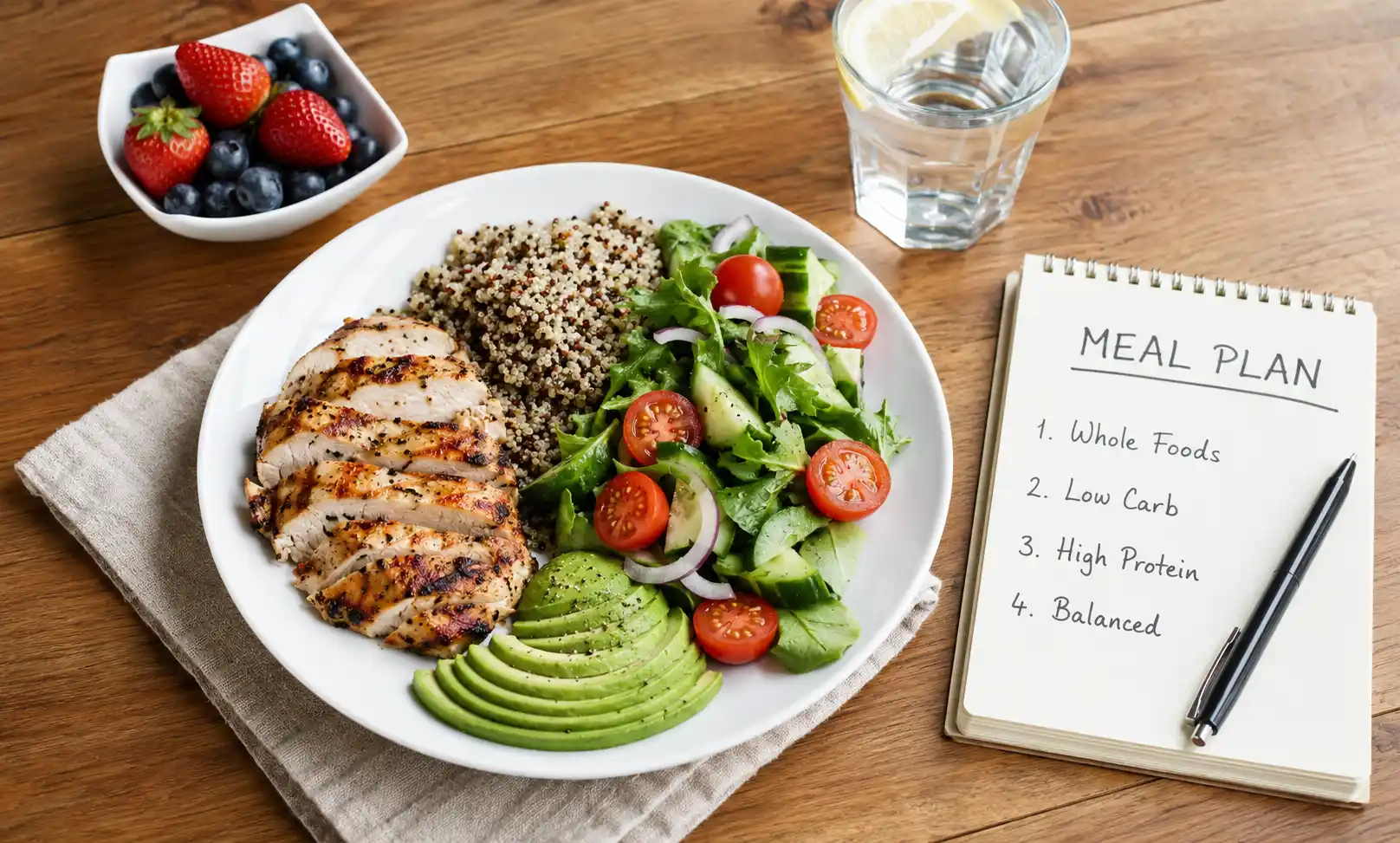
A balanced meal plan is the key to healthy weight loss. Nutrition should be balanced, not the diet itself. A weight loss meal plan must contain lean protein, whole grains, healthy fats, fruits, and vegetables, but also be low in portion size. When this is combined with regular exercise and healthy habits, it results in slow but steady weight loss that is also good for your health.
Introduction
Losing weight can be a daunting task, in particular in a world full of diets that promise to melt off fat overnight. Such diets may trick your body into losing a few pounds for a short while, but eventually, they become so hard to keep that you end up feeling hungry or deprived. A weight loss meal plan is a great way for those who want to lose weight without compromising on nutrition. Instead of cutting out one or more food groups, it promotes the consumption of balanced meals that provide your body with the necessary nutrients while still maintaining a calorie deficit for slow fat loss. In case you are a beginner or have been thinking about a healthy diet, embarking on a well-structured meal plan can be an excellent method to instill proper habits, rise to a higher level of vitality, and have a better state of well-being.
Key Takeaways
- A healthy meal plan should include a balance of protein, healthy fats, fiber, and complex carbohydrates.
-
Portion control is just as important as choosing nutritious foods.
-
Eating regular meals helps control hunger and reduces unhealthy snacking.
-
Drinking enough water supports overall health and may help manage appetite.
-
Consistency is more effective than following restrictive or crash diets.
-
Regular physical activity works best when combined with healthy eating habits.
-
Small lifestyle changes can lead to long-term weight management success.
What Is a Healthy Meal Plan for Weight Loss?
A sound meal plan for losing weight is a methodical way of eating that equips your body with the essential nutrients it needs while assisting you in taking in fewer calories than you burn. Unlike drastic diets that eliminate entire food groups or promote meal-skipping, a sound meal plan is all about balance, variety, and moderation.
The aim is not to starve oneself but to feed the body with foods that are filling and energizing throughout the day. In most cases, this entails the incorporation of lean proteins, whole grains, fruits, vegetables, good fats, and dairy or their suitable alternatives.
Besides that, a good meal plan also highlights regular eating habits. Meal skipping frequently results in being very hungry later in the day, paving the way to overeat more easily. Having balanced meals at evenly spaced times helps to keep energy levels steady and also leads to better appetite control.
One more factor to think about is deciding on food items that are highly nutrient-dense and at the same time relatively low in calories. Foods that are rich in fiber and protein contribute to satiating you for a longer time, which means less snacking between meals.
Most importantly, a sound meal plan ought to be in line with your way of life. There is not a single meal plan suitable for all. Your age, physical activity, health status, cultural inclinations, and individual goals all affect what a healthy eating plan means. The ideal plan is one that you can reasonably adhere to soon and not just for a few weeks.
Adhering to a sound meal plan is not just about shedding pounds. It also can help with better digestion, enhance heart health, assist in keeping muscle mass during weight loss, and lessen the risk of chronic diseases if combined with regular physical activity and other healthy lifestyle habits.
Why a Healthy Meal Plan Works for Weight Loss
Many people think that cutting their food intake drastically is the only way to slim down. The truth is that effective weight loss is about consuming the right foods in the right quantities and leading a healthy lifestyle. An effective meal plan achieves a balanced calorie deficit without depriving the body of necessary nutrients.
A major advantage of having a meal plan is that it limits spontaneous food choices. When you have planned what to eat, you are less likely to grab processed snacks or go for fast food if you get hungry. Besides, planning meals helps in making grocery shopping less of a chore and maintaining your goal-oriented behavior.
Having enough protein in your diet is very important when you want to lose weight. Besides satisfying your hunger for a longer time, it also aids in keeping your muscles while you are losing weight; it even slightly raises the number of calories that your body uses for digestion. If every meal happens to be paired up with some form of lean protein, this quite effectively aids dieters' hunger management throughout the day.
Dietary fiber is just as important. These foods break down slowly in your system compared to their highly processed counterparts, So keeping you full longer and cut down on unnecessary snacking. Plus, you get a good dose of dietary fiber, which helps keep your digestive system running smoothly and your gut stays quite healthy as well.
Fatty acids are vital for a balanced diet even though fats have earned quite a negative reputation. Products like avocados, nuts, seeds, and olive oil are not only very satiating but also carry necessary fatty acids that are beneficial to one's overall health. Still, since these foods are high in calories, the main thing is to have them in simple, moderate amounts.
Complex carbohydrates give a continuous supply of energy and help avoid the blood sugar fluctuations that may cause cravings. Whole grains are the best option since they maintain energy levels and also allow better control of appetite.
Drinking enough fluid is another factor that one should consider when making a healthy meal plan. Sufficient hydration throughout the day helps with normal body functions and might contribute to less eating, as sometimes what we interpret as hunger is actually just thirst. And, switching from sugary drinks to water or unsweetened beverages will drastically help decrease daily calorie intake.
Healthy meal planning may also include mindful eating. This means being aware of your hunger and fullness cues, eating without rushing, and not letting yourself get distracted when eating. These practices will be helpful in avoiding overeating, plus they will assist in developing a good relationship with food rather than through an approach of strict dieting.
Instead of crash diets that only show results for a short time, a proper meal plan encourages weight loss at a healthy and steady rate. When weight loss happens smoothly, it quite a bit increases the chances that one will keep the results for a long duration, and at the same time that person will be able to preserve his/her muscle mass, and overall health condition will be supported.
Best Foods to Include
Choosing nutrient-rich foods ranks high among the most effective ways to support healthy weight loss. These bombarding foods give you a supply of essential vitamins, minerals, fiber, and protein while making your hunger feel satiated.
Lean Protein Sources
Protein should be included at every meal as it helps with muscle health and can curb hunger. Good options include:
-
Skinless chicken breast
-
Turkey
-
Fish like salmon, tuna, and cod
-
Greek yogurt
-
Cottage cheese
-
Tofu
-
Tempeh
-
Lentils
-
Beans
-
Chickpeas
These ingredients help keep you happy and reduce the urge to snack between meals.
Colorful Vegetables
Vegetables are naturally low in calories but high in nutrients and fiber. Filling half of your plate with vegetables is a very simple and effective way to increase the volume of your meal without adding too many calories.
Great options include:
-
Spinach
-
Broccoli
-
Cauliflower
-
Bell peppers
-
Carrots
-
Cucumbers
-
Tomatoes
-
Zucchini
-
Green beans
-
Cabbage
-
Brussels sprouts
By eating loads of colorful veggies, you are guaranteed to get a huge range of vitamins, minerals, and antioxidants.
Fresh Fruits
Fruit can satisfy sweet cravings by offering fiber and crucial nutrients. Instead of repelling the fruit because of its sugar, revel in it in reasonable amounts.
Healthy choices include:
-
Berries
-
Grapefruit
-
Pears
-
Kiwi
-
Papaya
-
Pineapple
-
Peaches
Whole fruits are generally more filling than fruit juices because they contain fiber.
Whole Grains
Whole grains provide long-lasting energy and more nutrients than refined grains.
Examples include:
-
Oats
-
Brown rice
-
Quinoa
-
Whole wheat bread
-
Whole wheat pasta
-
Barley
-
Millet
These carbohydrates digest more slowly, helping you stay full for longer.
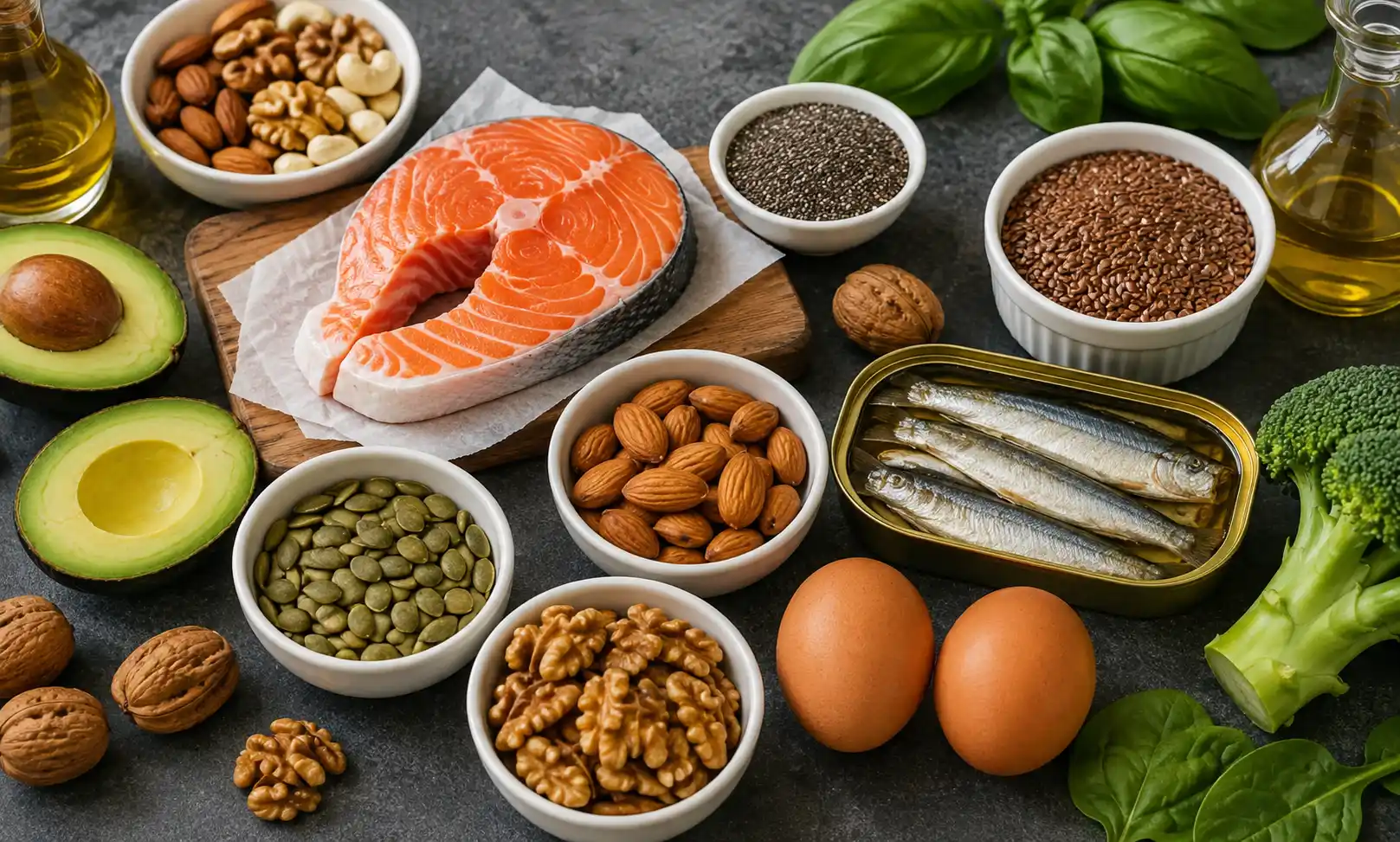
Healthy Fats
Healthy fats are an essential part of a balanced diet and can help improve meal satisfaction.
Good sources include:
-
Walnuts
-
Pistachios
-
Chia seeds
-
Flaxseeds
-
Pumpkin seeds
-
Olive oil
-
Natural peanut butter
Although healthy fats are nutritious, it remains necessary to limit the amount due to the fact that they are calorie-rich.
Healthy Beverages
What you drink matters just as much as what you eat.
Choose beverages such as:
-
Water
-
Sparkling water without added sugar
-
Black coffee without excess sugar
-
Herbal tea
Limiting sugar-sweetened beverages can also make a significant difference to your specific calorie intake in support of your weight loss dreams.
Foods to Limit
A healthy meal plan for weight loss doesn't mean you have to totally give up your favorite foods. It simply means you should cut down on foods that are high in added sugars, unhealthy fats, and empty calories. It's totally fine to have these foods sometimes, but having them too often might sabotage your weight-loss efforts.
Sugary Drinks
Soft drinks, energy drinks, sweetened fruit juices, flavored coffees, and sugary milkshakes may load you with hundreds of extra calories, and at the same time, they won't make you feel full. If you switch to water, sparkling water, or unsweetened tea instead of these drinks, that would be an easy way to cut down on calorie consumption.
Highly Processed Snacks
Most of the processed food items like snacks have refined carbohydrates, unhealthy fats, and often, high levels of sodium and sugars. Examples of such foods are potato chips, cookies, candies, and packaged pastries, which are typically very tempting and can easily lead to overeating.
Refined Grains
White bread, white rice, sugary breakfast cereals, and many baked goods are digested fast, which often results in the return of hunger pretty quickly. Opting for whole-grain versions is a great way to get more fiber and energy that lasts for a while.
Fast Food
Fast food meals typically contain a lot of calories, saturated fats, salt, and added sugars. If you have fast food now and then, it won't completely mess up your progress, but if you make it part of your regular eating pattern, it might not only hinder your weight loss efforts but also compromise the overall quality of your diet.
Fried Foods
Deep-fried food could absorb a massive amount of oil during the cooking process, which is a major reason for their high-calorie content. If you aim to shed some pounds, then you should preferably choose grilled, baked, steamed, or air-fried food options.
Desserts and Sweets
Cakes, pastries, donuts, ice cream, and other sugary desserts are delightful treats, but they shouldn't be your daily food. If you reserve them for special occasions instead of eating them every day, you will stay in a healthy calorie balance.
Healthy eating is all about having a balance, not about being perfect. Giving yourself the liberty to enjoy the treat once in a while can make your meal plan less boring and more enjoyable so that you can maintain it over a long period.
Healthy Snacking Tips
Eating snacks doesn't have to be a problem for those who are trying to lose weight. If the right types of snacks are chosen, they can actually help to manage hunger between meals and stop one from eating too much at a later time. The main thing is picking out snacks that offer a good source of protein, fiber, or healthy fats rather than simply giving you empty calories.
Some healthy snack ideas include:
-
A small apple with natural peanut butter
-
Greek yogurt topped with fresh berries
-
A handful of unsalted almonds or walnuts
-
Carrot and cucumber sticks with hummus
-
Cottage cheese with sliced tomatoes
-
A boiled egg with cherry tomatoes
-
Air-popped popcorn without excessive butter
-
Fresh fruit with a small portion of nuts
-
Roasted chickpeas
-
Whole-grain crackers with avocado
Snack planning can keep you from making poor food choices when you're really hungry. Having healthy snacks available at work, in a purse, or at home will help you maintain your eating plan.
Monitoring how much you eat is just as important. Healthy snacks also have calories, so eating them thoughtfully is beneficial to your weight loss objectives.
Meal Prep Tips
One of the best ways to ensure healthy eating is sticking to meal preparation regularly. With the meals already made and filled with healthy nutrients, chances of falling back on takeout or fast foods will be minimal.
Begin with planning your meals for the whole week, plus your grocery shopping. It would be wise to put together a shopping list based on your meal plan to keep away from unnecessary purchases as well as food waste.
Baking and cooking, even the healthiest meals, can be a little problematic sometimes. No sweat! You just need to learn batch cooking. For instance, cook larger portions of your lean proteins, whole grains, and fresh seasonal vegetables. Then you just have to portion and pack them in individual meal containers for grab & go lunches/dinners all through your busy week.
Another great meal prepping tip: Before your first meal of the day (breakfast), wash & cut all the fruits & vegetables. Having them already prepped will make the healthy choices much easier & quicker to grab. Fresh produce ready to eat will definitely accelerate your healthy snack options, and it will diminish the urge for processed/ junk foods.
It is a good idea to keep nourishing foods in clear containers so that they are easily visible. When the healthy foods you have are more visible and within your reach, naturally you will go for them.
Yet, a certain degree of flexibility is necessary, too. Not everything you eat has to be done as planned. Having just a few fast, healthy alternatives available to you, like frozen vegetables, canned beans, eggs, or plain Greek yogurt, will allow you to stay focused on your goals even if you happen to have one of those days when everything around you is absolutely crazy.
If you want to ease your work, here is a statement that tells you that meal preparation is not at all a big deal. This time and again, just a little planning each week will totally be able to help you eat healthily with less stress and get consistency in time.
Expert Tips
The key to successful weight loss is not about hunting down "the perfect" diet but developing healthy habits that you can stick to for good. These useful tips will help you maximize your outcomes on a healthy meal plan:
-
Focus on progress rather than perfection. One unhealthy meal won't undo your hard work.
-
Eat slowly and give your body time to recognize when it's full.
-
Include protein in every meal to support fullness and muscle health.
-
Fill at least half your plate with vegetables whenever possible.
-
Stay physically active by combining aerobic exercise with strength training.
-
Get enough sleep each night, as poor sleep can increase hunger and cravings.
-
Manage stress through relaxation techniques, hobbies, or regular physical activity, since stress can lead to emotional eating.
-
Track your progress using measurements, energy levels, or how your clothes fit—not just the number on the scale.
-
Be patient. Healthy, gradual weight loss is more sustainable than rapid weight loss.
A healthy eating plan should help your lifestyle, not manage it. Building a consistent practice over time is the impetus for lasting fulfillment.
Frequently Asked Questions
What is the best healthy meal plan for weight loss?
The most effective plan to eat healthily and lose weight is to eat uncontaminated meat and fish, grains that have not been refined, fruits and vegetables, and healthy fats, and drink a lot of water, all while making sure that your calorie intake is less than your calorie expenditure. And it must blend with your way of living, what you like to eat, and how much physical exercise you do to be able to keep it up.
How many meals should I eat each day to lose weight?
It's impossible to say exactly how many meals every person should have in a day. Some people simply thrive with having three healthy meals, whereas others are fine with having three meals and one or two healthy snacks. Really, the main point is to stay at a calorie deficit and to eat wholesome foods, not to concentrate solely on the number of meals.
Can I eat carbohydrates while trying to lose weight?
Definitely! Carbs are a great source of energy, and there's no need to cut them out completely. Opting for complex carbs like oatmeal, brown rice, quinoa, sweet potatoes, and whole-grain bread can not only give you fiber but also help you stay full longer than refined carbs.
How much water should I drink during a weight-loss journey?
Water requirements differ from one person to another based on their age, activity level, weather, and general health. It is usually advised to drink water consistently during the day and keep oneself hydrated. Changing sugary beverages to water may also decrease calorie consumption and help in maintaining a healthy weight.
How long does it take to see results from a healthy meal plan?
Every person's outcomes are different. For example, initial weight, level of physical activity, sleep, and consistency are some of the factors that contribute. Usually, if people eat a balanced meal plan, remain physically active, and adopt healthy lifestyle changes, they will see good results after a few weeks. Slow and steady weight loss is usually more maintainable than fast weight loss.
Conclusion
A healthful meal plan designed for weight loss doesn't mean you have to follow strict rules or entirely give up your favorite foods. It's more about preparing balanced meals that give your body the nutrients it needs while still allowing you to have a calorie deficit for weight loss. By choosing wholesome foods, keeping an eye on portions, drinking enough water, and getting ahead on your meal prep, you will develop eating habits that can help you lose weight and be healthy over the long term.
One should not expect that perfect adherence to the diet will give the desired lasting effect. Usually, the smaller, more sustainable changes implemented daily will not only be more successful but will be starvation/dieting free. The healthy meal plan can be enhanced further with physical activities, enough sleep, and stress management. With only dedication and a bit of waiting, you will be able to realize your weight-loss targets and, at the same time, develop habits that will keep you healthy for many years.

Comments ( 0)
Leave a Comment
No comments yet. Be the first to comment!