

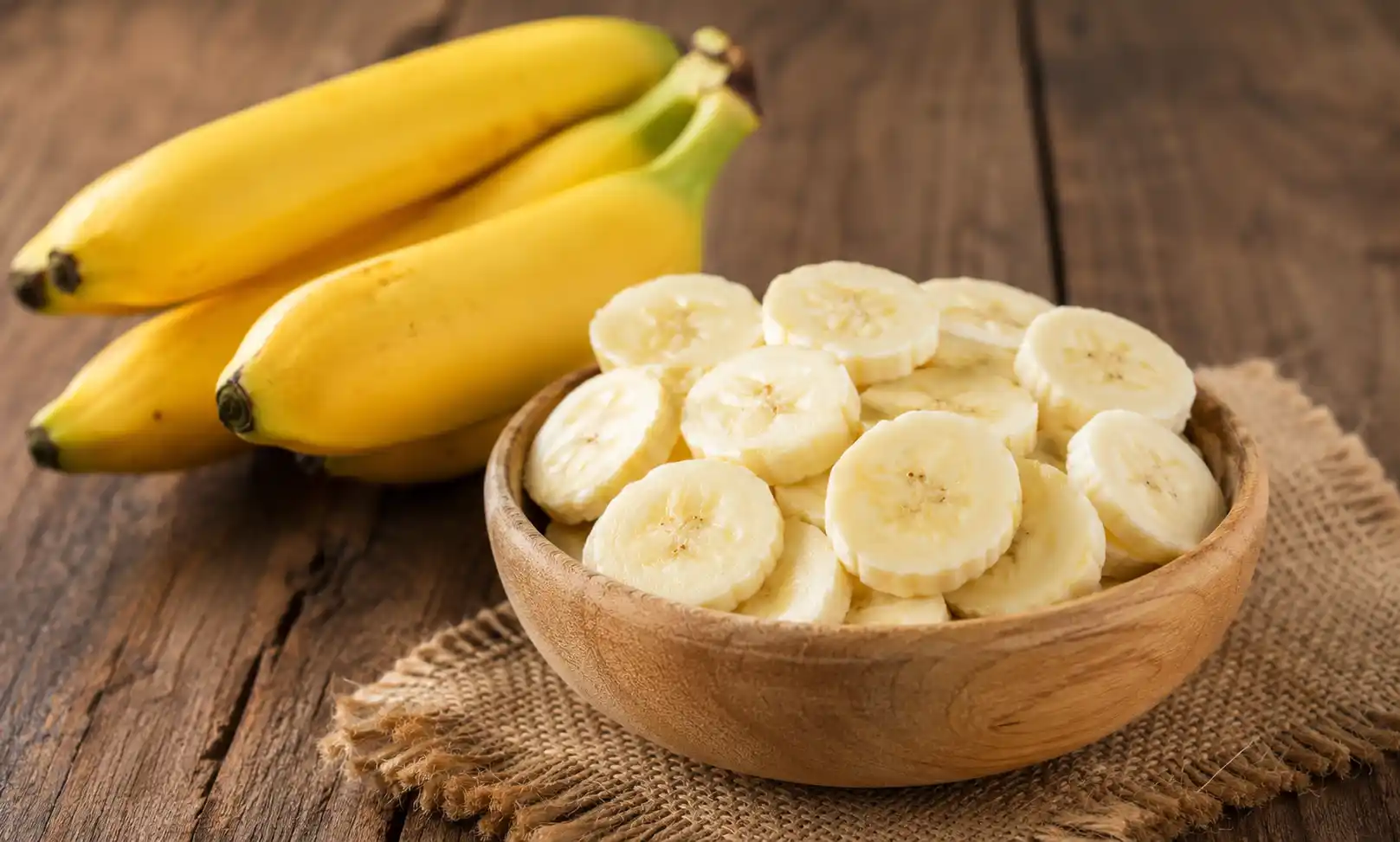
Have you ever wondered about the nutritional value of bananas? Here is a small summary of it: Bananas are some of the most nutritious fruits one could include in their daily diet. A medium-sized banana delivers the carbohydrates you can use as your energy source naturally; the calories are around 89 per 100 grams, approximately 22.8 grams of carbohydrates, 2.6 grams of dietary fiber, 1.1 grams of protein, a very low level of fat, and a rich level of potassium and vitamin B6. Bananas are also a good source of vitamin C, magnesium, manganese, antioxidants, and other beneficial plant compounds that promote the health of the heart, digestion, muscles, and overall well-being.
Introduction
Bananas are one of the favorite fruits all over the world, not just because of their popularity, but the great reason why is the nutritional content, the affordability, the sweetness, and portability. Apart from these characteristics, banana nutrition is also the highlight here since one portion contains potassium, vitamin C, B vitamins, fiber, and natural sugars, among other nutrients. Potassium helps regulate fluids in the body and keeps you from dehydration.
Although most of the people think of potassium when they think about bananas, it's not the whole story of what goes with banana nutrition. They are also rich in important vitamins such as vitamin C, vitamin B6, biotin, and minerals like iron and magnesium. Banana nutrition includes dietary fiber and a fair amount of antioxidants. So it's no wonder that after a long and exhausting day, a good way to replenish your energy is a bowl with some milk and bananas. Also, bananas are not hard on your digestion, and it is safe for almost everyone, including children to old people. Mostly, bananas can be considered one of the healthy fruits. In fact, it is one of the most convenient sources of potassium and other nutrients. Here we will talk about different nutritional facts and uses of bananas.
Key Takeaways
-
Bananas are naturally rich in carbohydrates that provide quick and sustained energy.
-
They contain approximately 89 calories per 100 grams, making them a nutritious and satisfying fruit.
-
Bananas are an excellent source of potassium and vitamin B6.
-
Their dietary fiber supports healthy digestion and gut health.
-
They contain antioxidants that help protect the body's cells from oxidative stress.
-
Bananas fit well into balanced diets for children, adults, athletes, and older adults.
What Is the Nutritional Value of Banana?
Bananas get their health benefit mainly from a mix of natural sugars, fiber, and various nutrients like vitamins and minerals, together with other plant compounds that could be helpful. As an example, bananas offer energy as well as all the nutrients that your body is accustomed to every day, unlike many processed snacks that just give you calories but little nutrition.
Per 100 grams, a ripe banana typically contains:
-
Around 89 calories
-
Approximately 22.8 grams of carbohydrates
-
About 12.2 grams of natural sugars
-
Roughly 2.6 grams of dietary fiber
-
Around 1.1 grams of protein
-
Only 0.3 grams of fat
-
Approximately 358 milligrams of potassium
-
About 27 milligrams of magnesium
-
Roughly 22 micrograms of folate
-
Around 8.7 milligrams of vitamin C
-
Approximately 0.4 milligrams of vitamin B6
-
Small amounts of calcium, phosphorus, iron, copper, manganese, and other essential nutrients
This composition is such a good reason why bananas fit nicely on the list of a naturally sweet fruit that would still provide essential micronutrients to satisfy your daily requirement.
On the contrary to desserts with loads of sugar, bananas have fiber that slows down digestion, so your body takes the sugar in more gradually while the fiber makes you feel full longer.
Carbohydrates: Your Body's Primary Energy Source
Though usually blamed for problems, the carbohydrates in bananas are a vital energy source for the brain and muscles.
A medium-sized banana with its natural carbohydrates is a perfect snack when one has to stay active either before exercising or taking a break between meals.
Banana ripening goes with a change in carbohydrate type. Green bananas contain more resistant starch; ripe bananas contain more natural sugars like glucose, fructose, and sucrose. Resistant starch behaves like dietary fiber and may contribute to a healthy gut as well.
Since this natural switch happens, both green and ripe bananas have their separate nutritional benefits.
Dietary Fiber Supports Digestive Health
Bananas, being rich in fiber, make them perfect for a healthy digestive system.
Getting enough of it is essential since it allows the undigested food residue to pass through smoothly from the stomach down through all parts of the small and large intestine, including up to the colon.
The fiber content present in the soluble fractions can aid with one's satiety levels, making it less likely to indulge in unnecessary snacks.
Bananas that are still a bit green can have more resistant starch, which acts as a form of prebiotic, feeding healthy intestinal bacteria.
Besides aiding in the breakdown and processing of what we eat, a balanced gut can also be good for our immunity and general well-being."
Vitamin B6: A Key Nutrient for Energy and Brain Function
A unique nutrient in bananas is vitamin B6.
One serving provides a significant amount of your body’s desired B6:
-
Converting food into usable energy
-
Supporting normal brain development and function
-
Producing neurotransmitters
-
Forming healthy red blood cells
-
Supporting immune health
Many people have the simplest awareness of potassium when discussing bananas, but vitamin B6 is just as important for preserving overall health.
Potassium: Supporting Heart and Muscle Health
Bananas deserve to be ranked among the best fruits for potassium intake. In reality, potassium is one of the key minerals your body needs to function properly; it is also helpful in keeping your fluids balanced, giving your muscles the power to contract in the way they should, facilitating the communication along your nerves, and helping you to avoid high blood pressure. If you can keep your sodium consumption within the healthy range and get a fair share of potassium in your daily diet, your heart and blood vessels will thank you for it.
This is the case with heart and vascular health, which may benefit a lot from this strategy. Apart from this, physically active people who perspire a lot need an extra amount of potassium to make up for the loss of electrolytes. That means bananas with potassium content, together with sugar and fiber, are an ideal snack choice after doing a workout.
Vitamin C and Antioxidants
While oranges are often associated with dietary C, bananas additionally contribute to your daily intake.
Vitamin C supports:
-
Healthy immune function
-
Collagen production for skin and connective tissues
-
Wound healing
-
Iron absorption
-
Protection against oxidative stress
Bananas are a good source of antioxidants such as dopamine and catechins. These natural plant compounds have the ability to neutralize free radicals, which are harmful substances that gradually cause damage to our cells over time.
A lifestyle that incorporates a lot of fruits, mostly those high in antioxidants, is linked to improved overall health over time and the lowering of oxidative stress levels.
Magnesium and Other Essential Minerals
Beyond potassium, bananas provide a few additional minerals that contribute to general well-being.
Magnesium supports hundreds of biochemical reactions within the body, including muscle function, neural signaling, energy production, and bone health
Bananas also contain small but valuable amounts of:
-
Manganese for metabolism and bone development
-
Copper for red blood cell formation
-
Phosphorus for healthy bones and teeth
-
Folate for cell growth and DNA production
Together, these nutrients make bananas more nutritious than many people realize.
Science-Backed Health Benefits of Bananas
The food value of bananas goes well beyond providing electricity. Thanks to their array of nutrients, minerals, fiber, and antioxidants, banana consumption can often guide many factors of your health.
1. Supports Heart Health
Bananas are well known for their high content of potassium, which plays an important role in maintaining normal heart function. Potassium facilitates stable sodium levels of stability within the body, aids in healthy blood pressure, and aids in proper muscle contractions—which includes the heart muscle
The fiber determined in bananas can also contribute to heart health with the help of supporting maintaining healthy levels of cholesterol as part of a balanced eating plan. When mixed with other nutrients and regular exercise, bananas can be a hearty addition to your meals.
2. Promotes Healthy Digestion
Digestive fitness starts with getting enough fiber, and bananas are an easy way to increase your daily intake.
Bananas’ soluble fiber absorbs water and comfortably supports the flow of stools through the digestive system. Green bananas are particularly rich in resistant starch, which acts as a prebiotic and feeds the useful bacteria that live in your gut.
A healthy gut microbiome is associated with better digestion, nutrient absorption going forward, and more potent immune features.
3. Provides Long-Lasting Energy
One of the biggest reasons athletes and fitness enthusiasts choose bananas is their ability to provide a brief but sustained boost.
Bananas contain natural carbohydrates that replenish the body’s glycogen stores, making them an excellent snack before or after physical activity. Unlike sugary snacks that often trigger electrical accidents, bananas provide carbohydrates along with fiber, nutrients, and minerals.
Whether you're going to a health club, going for a stroll, or desperately needing a day's pick-me-up, bananas are an easy and nutritious choice.
4. Helps Support Healthy Weight Management
Many people avoid bananas because they believe they contain too much sugar. In reality, bananas can fit comfortably into a balanced weight control plan.
Their dietary fiber allows increased feelings of fullness, which can reduce unnecessary snacking at meals. The herbal sweetness of bananas can also satisfy cake cravings, making them a more worthy occasion for processed chocolate.
Portion size matters anyway, but when eaten as part of a specific healthy weight loss plan, bananas are not inherently fatty.
5. Supports Muscle Function and Exercise Recovery
Potassium and magnesium collectively help with ordinary muscle contraction and nerve signaling.
After exercise, your body loses electrolytes through sweat. Eating a banana after exercise facilitates the replenishment of some of those electrolytes and additionally presents carbohydrates that replenish energy stores.
This is why bananas are generally included in nutritional plans for sporting activities around the world.
6. May Help Maintain Healthy Blood Pressure
Potassium is one of the most important minerals for maintaining normal blood pressure.
Most people eat more sodium than advocated and not enough potassium. Incorporating potassium-rich ingredients like bananas into your diet can also help aid in healthy blood pressure when mixed with a normal, balanced consumption pattern
This makes bananas a valuable fruit for chronic heart disease wellness.
7. Supports Brain Function
Vitamin B6 is vital for the production of neurotransmitters that allow brain cells to communicate effectively.
Bananas provide additional carbohydrates, which can be the mind’s desired source of strength. Together, those nutrients help with focus, identification, and overall mental performance.
While bananas are not a "mind superfood," they certainly contribute to everyday cognitive symptoms as part of a nutritious diet.
8. Helps Strengthen the Immune System
Bananas contain vitamin C, vitamin B6, antioxidants, and several minerals that contribute to healthy immune function.
Vitamin C supports white blood cell function, while dietary B6 helps build immune cells of the body. Their antioxidants also help protect cells from oxidative damage caused by free radicals.
Including bananas with different colorful fruits and greens can help build a stronger immune system yr.
Who Should Eat Bananas?
Bananas are suitable for healthy people and can be enjoyed at almost any age.
They are especially beneficial for:
-
Children who need nutrient-rich snacks
-
Students who need static strength at some point in the day
-
Athletes seeking natural fuel before or after exercise
-
Busy professionals looking for easy nutrition
-
Older adults who need clean foods to digest
-
Pregnant women, such as bananas, offer foods B6 and folate (as part of a balanced weight loss plan).
Because bananas are mild, portable, and definitely sweet, they are one of the easiest foods to incorporate into an ordinary meal.
Who May Need to Limit Banana Intake?
Although bananas are healthy, some people may also need to understand portion size.
For example:
-
People with superior kidney disease may also want to limit foods completely rich in potassium based on the recommendations of their health care provider.
-
While individuals dealing with diabetes may still enjoy bananas, pairing them with protein or healthy fats can also help slow glucose absorption.
-
Those following a medically prescribed low-potassium diet should consult a health care professional before consuming large quantities of bananas.
For most healthy people, however, bananas are a safe and nutritious choice.
Best Ways to Eat Bananas
Bananas are incredibly versatile and can be enjoyed in many healthy ways.
Some nutritious ideas include:
-
Eat a fresh banana as a snack.
-
Slice bananas over oatmeal or whole-grain cereal.
-
Blend bananas into smoothies with yogurt and berries.
-
Add banana slices to whole-grain toast with peanut butter.
-
Mix bananas into overnight oats.
-
Freeze bananas for homemade healthy desserts.
-
Add sliced bananas to yogurt with nuts and seeds.
Choosing minimally processed systems facilitates maximum nutritional benefits.
Expert Tips
To maximize the benefits of bananas:
-
Choose barely ripe bananas for a consistency of sweetness and fiber.
-
Pair bananas with protein sources like Greek yogurt or nuts for longer fullness.
-
Eat a banana before your workout for herbal energy.
-
Enjoy one after a workout to replenish carbohydrates and potassium.
-
Bananas are rich in climax As part of a varied meal plan, include vegetables, whole grains, lean proteins, and healthy fats.
No single food provides every nutrient your body wants; however, bananas make a magnificent contribution to healthy intake.
Conclusion
If you were asking what the nutritional value of bananas is, the answer is clear: bananas are something far more than a convenient snack. They provide natural energy, dietary fiber, potassium, dietary B6, vitamin C, magnesium, antioxidants, and many different important nutrients that help with standard fitness
From promoting heart and digestive health to aiding muscle function, workout recovery, and immune fitness, bananas offer a wide range of benefits in simple, affordable packages, and their natural sweetness, portability, and flexibility make them a clean addition to breakfast, snacks, smoothies, and healthy cakes.
While no single food can meet all your nutritional needs, including bananas as part of a balanced diet regimen is a first-rate way to increase vital nutrients, minerals, and fiber intake. Whether you aim to improve your nutrient intake or help with an energetic lifestyle, Bananas are a clever and nutritious desire
Frequently Asked Questions
What is the nutritional value of a banana per 100 grams?
Per 100 grams of banana, there are about 89 calories, 22.8 grams of carbohydrates, 2.6 grams of fiber, 1.1 grams of protein, zero grams of fat, 358 milligrams of potassium, vitamin B6, vitamin C, magnesium, and many other important vitamins
Are bananas good for weight loss?
Yes. Bananas contain fiber that promotes fullness and natural carbohydrates that provide energy. When eaten in appropriate portions as part of a balanced diet, they can guide healthy weight control.
Why are bananas considered a good source of potassium?
Bananas provide about 358 milligrams of potassium per 100 grams. Potassium helps with healthy blood pressure, muscle contraction, neurological functions, and specific coronary heart health.
Is it healthy to eat a banana every day?
For most healthy people, eating one banana per day can be part of a nutritious weight loss program. Daily intake provides essential vitamins, minerals, fiber, and antioxidants that aid in general well-being.
When is the best time to eat a banana?
Bananas can be enjoyed at any time of the day. They're especially useful before a workout for quick energy, in a post-workout routine for restoration, or as a healthy snack at meals to satisfy hunger

Comments ( 0)
Leave a Comment
No comments yet. Be the first to comment!