

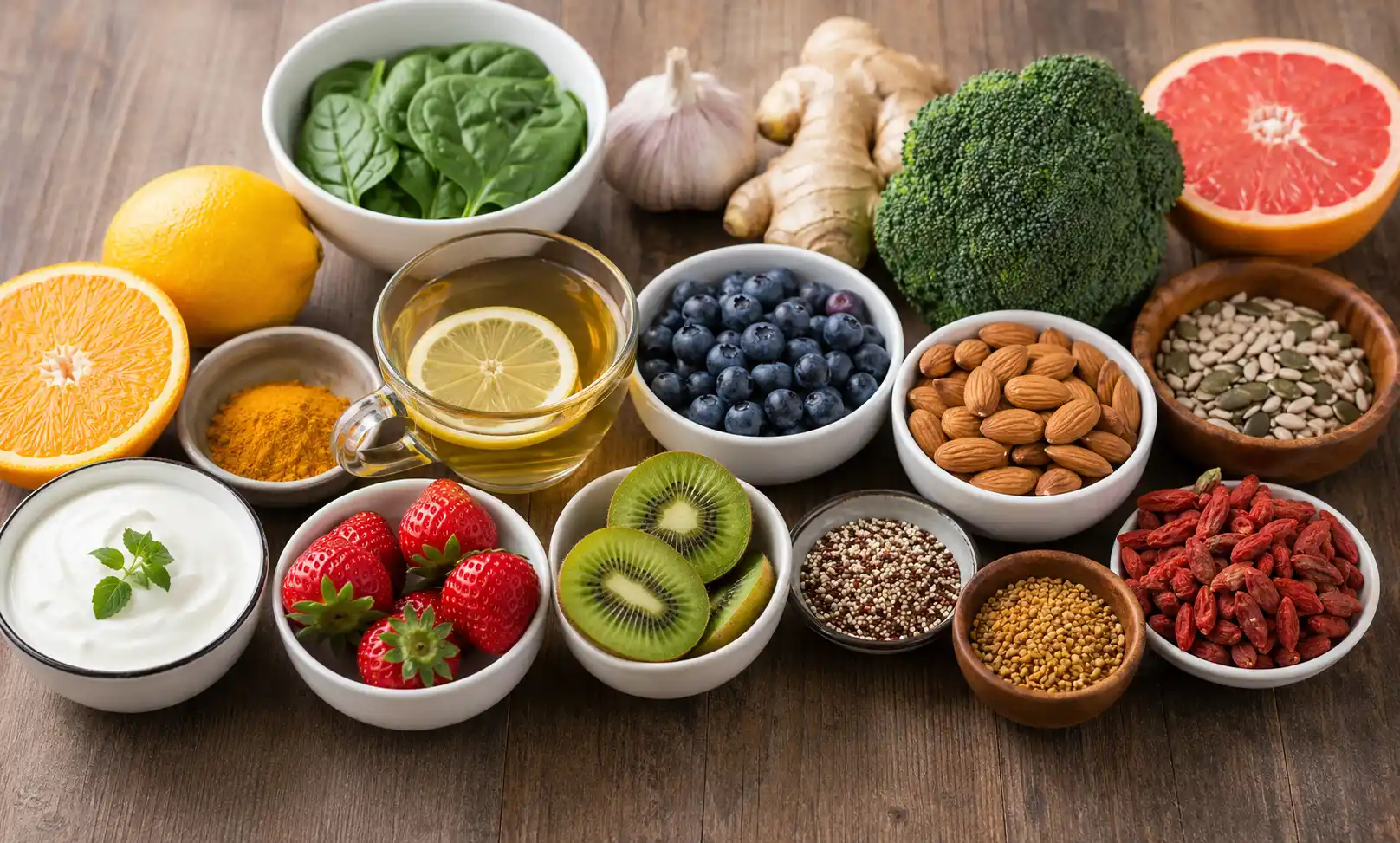
Immune-boosting foods are foods that are rich in nutrients that help support your body's natural protection system, such as vitamins, minerals, antioxidants, healthy fats, and protein. A well-balanced diet with fruits, vegetables, nuts, seeds, whole grains, and lean proteins can support your immune system. No one food can cure disease, but these healthy choices will keep your immune system at its peak.
Introduction
Your immune system is always vigilant against bacteria, viruses, and other organisms that make your body sick. While no single food can ward off all diseases, the regular foods you eat significantly strengthen the body's defenses. The right foods give your immune cells the nutrients they need in case of infection.
You've been wondering which foods help support your immunity, and what you can do to eat them in your diet every day, and you're in the right place. This guide informs you of the best (immune-boosting foods), how they boost your immunity, and how a small adjustment in your diet can help you stay healthy all year round. These foods can be great additions to your diet whether you're trying to stay healthy during cold and flu season or improve your nutrition.
Key Takeaways
-
A healthy diet supports normal immune system function.
-
No single food can prevent or cure infections.
-
Vitamins C, D, A, E, zinc, selenium, iron, and protein are essential for immunity.
-
Colorful fruits and vegetables provide antioxidants that help protect immune cells.
-
Fermented foods support a healthy gut, where much of the immune system interacts with beneficial bacteria.
-
Good sleep, regular exercise, hydration, and stress management work together with healthy eating for stronger immunity.
What Are Immune Boosting Foods?
Immune-boosting foods" refer to foods that contain nutrients that are well known to aid in the normal function of the immune system. The naturally occurring vitamins, minerals, antioxidants, fiber, healthy fats, and protein in these foods help build, repair, and protect your immune cells.
These foods do not boost your immune system in an unrealistic manner, but rather help it to function properly. A healthy immune system helps to identify unwanted substances and respond to them and recover better from diseases.
Examples include:
-
Citrus fruits
-
Berries
-
Garlic
-
Yogurt
-
Leafy green vegetables
-
Nuts and seeds
-
Fatty fish
-
Beans and lentils
Consuming a diverse selection of these foods on a regular basis is far more advantageous than taking supplements, unless recommended by a health care professional.
How Do Immune Boosting Foods Support Your Immune System?
Different cells in your immune system have different functions, so many nutrients are essential for its function. Protein is required to promote the growth of white blood cells; antioxidants reduce free radical damage; and vitamins and minerals ensure that the cells of the immune system communicate properly.
Here's how these nutrients contribute to immune health:
| Nutrient | Why It Matters for Immunity | Common Food Sources |
| Vitamin C | Supports white blood cell function and acts as an antioxidant | Oranges, kiwi, strawberries, bell peppers |
| Vitamin A | Helps maintain healthy skin and mucous membranes | Sweet potatoes, carrots, spinach |
| Vitamin D | Supports immune cell regulation | Salmon, fortified dairy, eggs |
| Vitamin E | Protects cells from oxidative damage | Almonds, sunflower seeds |
| Zinc | Helps immune cells develop and function normally | Pumpkin seeds, beans, seafood |
| Selenium | Supports antioxidant enzymes | Brazil nuts, tuna, eggs |
| Protein | Builds antibodies and immune cells | Chicken, fish, eggs, lentils |
| Probiotics | Support gut health, which influences immunity | Yogurt, kefir, fermented foods |
A balanced intake pattern ensures that your body gets these nutrients instead of relying closely on one "superfood."
Best Immune Boosting Foods to Add to Your Diet
1. Citrus Fruits
Citrus fruits are the most popular immune-boosting foods as they are rich in vitamin C. Vitamin C is very important for the production and functional support of white blood cells, which are the major players in fighting infections.
Good choices include:
-
Limes
-
Tangerines
Enjoy whole fruits instead of juice whenever possible to get more fiber.
2. Garlic
Garlic is known to have sulfur compounds like allicin. These compounds have attracted the attention of health researchers for their effects on health. Garlic doesn't only make food tasty; it also has some antioxidant components that can help the body stay healthy.
Fresh cloves of garlic are perfect for use in soups, sautéed dishes, baked vegetables, and prepared sauces.
3. Ginger
Ginger has been used in traditional foods for hundreds of years. It contains herbal and plant compounds that contain antioxidants and can help aid the body’s normal inflammatory response.
You can enjoy ginger by:
-
Adding fresh slices to tea
-
Mixing into smoothies
-
Using it in soups
-
Cooking with vegetables and chicken
4. Yogurt
Plain yogurt that contains live and active cultures is a source of beneficial bacteria referred to as probiotics. These friendly microbes are one of the ways a healthy microbial balance in the gut is supported, since the main part of the immune system interacts with the beneficial microorganisms in the gut.
Try always to buy unsweetened yogurt and use fresh fruit to sweeten it naturally.
5. Spinach
Spinach contains large amounts of vitamin A, vitamin C, folate, iron, and antioxidants. And, it has very few calories and can be incorporated into healthy meals quite easily.
Gently heating spinach is a way to enhance some nutrients' availability without destroying most of its health benefits.
6. Berries
Blueberries, strawberries, raspberries, and blackberries are rich in antioxidants, which are compounds called flavonoids. They also help protect body cells from oxidative damage by free radicals.
Besides enhancing the taste, adding berries to your breakfast or snacks would be a practical method to up your antioxidant intake.
7. Fatty Fish
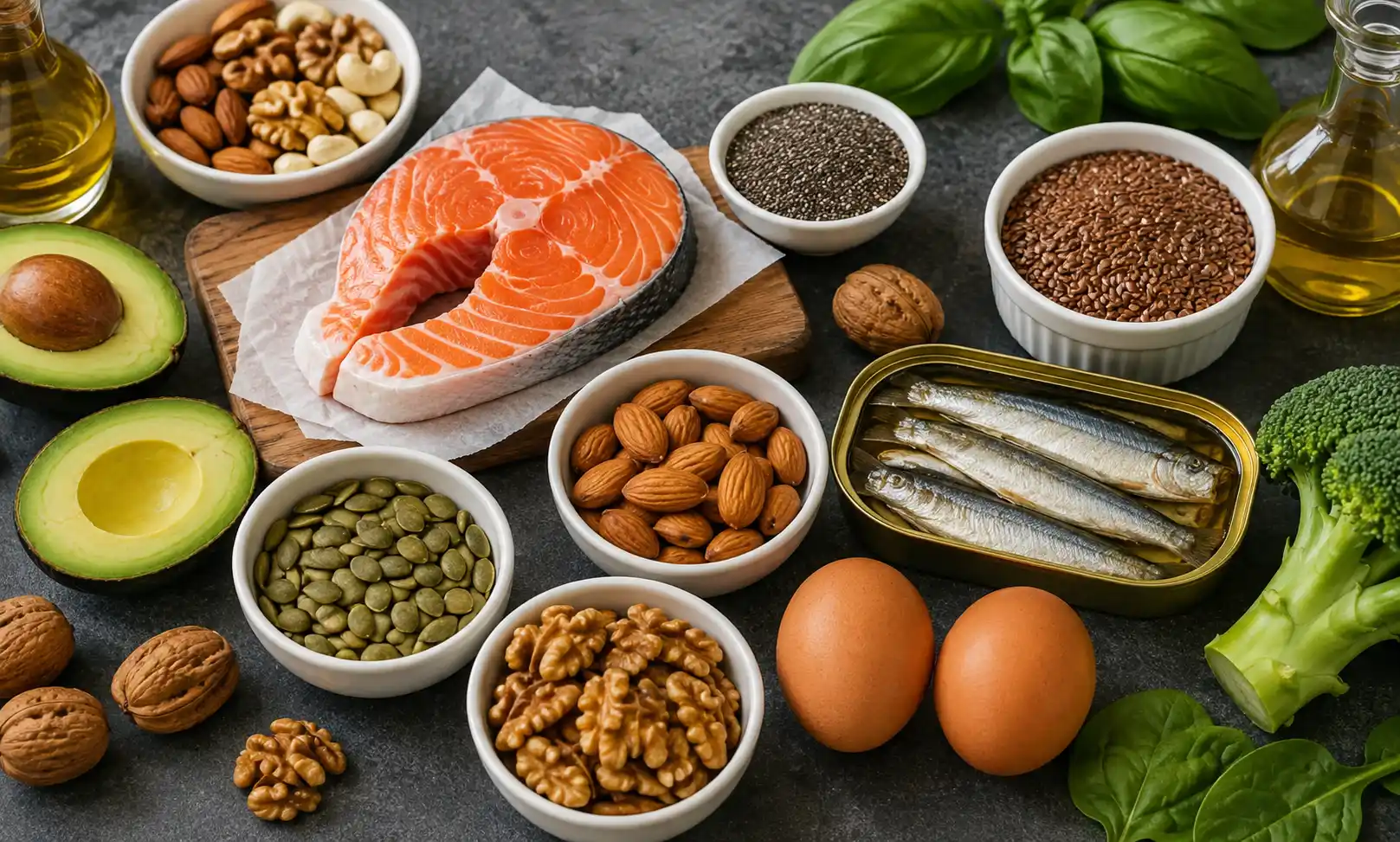
Salmon, sardines, trout, and mackerel are rich in omega-3 fatty acids, vitamin D, and protein of the highest quality. These substances not only promote a healthy immune system but also improve the condition of the heart and brain.
Try to eat fatty fish once or twice a week if you like including that type of food in your diet.
8. Nuts and Seeds
Almonds, walnuts, sunflower seeds, pumpkin seeds, and chia seeds are a source of good fats, vitamin E, zinc, and magnesium.
Eating a small bunch of these as a snack is not only enjoyable but also gives the body essential nutrients necessary for a strong immune system.
9. Broccoli
Much of the research available, broccoli is one of the most nutrient-dense immune-boosting foods you could consume. Besides vitamin C, it also provides you with vitamin A, vitamin K, folate, and fiber. Also, it contains plant compounds that work as antioxidants. All these nutrients, in a combined and balanced manner, help support the normal function of immune cells as well as promote overall health.
Since steaming broccoli yields more nutrients, you should steam it lightly and not overcook it. Besides that, you are always free to add it to your soups, stir-fries, salads, or pasta dishes.
10. Sweet Potatoes
Sweet potatoes contain a high amount of beta-carotene, which is turned by our body into vitamin A. Vitamin A is very important for healthy skin as well as the lining of our respiratory and digestive tracts. It helps one of the body's first lines of defense against harmful germs that are trying to enter the body.
Baking, roasting, or mashing sweet potatoes will give you a healthy side dish.
11. Bell Peppers
Red, yellow, and orange bell peppers also include more dietary C than many citrus fruits. They also provide vitamin A and antioxidants that help protect muscle cells from oxidative stress.
Bell peppers are delicious:
-
In fresh salads
-
Stuffed with vegetables and grains
-
Stir-fried
-
Roasted
-
Added to sandwiches and wraps
12. Mushrooms
Some mushrooms, like shiitake, maitake, and oyster, have a natural compound called beta-glucans, which are known to support immune function.
Besides that, mushrooms have selenium, B vitamins, and antioxidants in them, which are quite beneficial to your overall health. So including these in your diet would be a good idea.
13. Green Tea
Green tea is loaded with natural antioxidants called catechins. On top of that, it supplies a small amount of the amino acid L-theanine capable of boosting the generation of some immune cells.
A straightforward strategy to upgrade your daily diet is by swapping sugary drinks for unsweetened green tea.
14. Turmeric
Turmeric is a spice that is derived from curcumin, which is a natural plant compound that has antioxidant features. Still, curcumin has a limited ability to be absorbed when it is alone. Yet, if turmeric is combined with black pepper and good fats, its absorption can be enhanced.
Turmeric can be used in:
-
Soups
-
Rice dishes
-
Smoothies
-
Herbal drinks
-
Vegetable curries
15. Eggs
Eggs contain high-quality protein and also supply vitamins A, D, B12, selenium, and choline. Protein is very important since, through the amino acids, your body manufactures antibodies as well as immune cells.
Eating eggs as part of a balanced breakfast helps not only in supplying sustaining energy but also important nutrients.
16. Beans and Lentils
Beans, chickpeas, peas, and lentils are very cheap sources of protein as well as iron, zinc, and other minerals. They are also high in fiber and folate. These nutrients are very important for a strong immune system. Besides that, they help the digestive system.
Eating legumes with your soups, salads, or grain bowls is a simple method of upgrading your diet.
Health Benefits of Immune Boosting Foods
Help Support Normal Immune Function
Eating foods that can strengthen your immune system is really helpful, as it is one of the easiest ways to make sure your body gets enough of the nutrients that your immune system relies on. Vitamins, minerals, antioxidants, healthy fats, and protein together help your immune system by supporting the development of your immune cells and enabling them to communicate effectively.
Reduce Oxidative Stress
Many fruits, greens, herbs, and nuts are rich in antioxidants. These compounds help protect your body’s cells—including immune cells—from damage resulting from free radicals.
Support Gut Health
A healthy digestive system plays an important role in the immune system. Fiber-rich foods feed useful gut bacteria, while probiotic foods like yogurt help maintain a healthy balance of microbes.
Promote Faster Recovery
Eating those nutrient-rich foods during recovery may be what helps your body adequately meet the increased nutritional needs brought by producing immune cells and repairing tissues.
Improve Overall Health
Eating healthy doesn’t just benefit the immune system. A balanced weight loss program additionally aids heart health, brain symptoms, healthy weight management, digestion, strong bones, and regular electrical steps.
Foods That May Weaken Your Immune System
Just as certain foods help the immune system, others can have a poor effect if eaten in excess.
Try to limit:
-
Sugary soft drinks
-
Candy and sweets
-
Highly processed snacks
-
Excessive fast food
-
Refined carbohydrates
-
Processed meats
-
Foods high in trans fats
-
Excessive alcohol consumption
Such foods can crowd out healthier choices and, if eaten regularly, might mean a state of inflammation, an unhealthy digestive system, and lack of nutrients.
Of course, having an occasional treat will not harm you at all. The secret lies in creating and sticking to a generally healthy dietary pattern.
Daily Tips to Naturally Strengthen Your Immune System
Eating immune-boosting foods works best when combined with other healthy lifestyle habits.
Here are simple daily practices that support your immune system:
-
Eat a variety of colorful fruits and vegetables every day.
-
Include a source of protein with each meal.
-
Stay well hydrated by drinking enough water.
-
Aim for 7–9 hours of quality sleep each night.
-
Exercise regularly, even if it's just a brisk walk.
-
Manage stress through relaxation techniques, yoga, or meditation.
-
Avoid smoking and limit alcohol consumption.
-
Wash your hands regularly and maintain good hygiene.
-
Spend time outdoors for natural sunlight when appropriate.
-
Stay up to date with recommended vaccinations based on your healthcare provider's advice.
These behaviors collectively work with a healthy weight-loss plan to keep your immune system working at its best.
Common Mistakes to Avoid
A common misconception is that simply eating one "superfood" or taking an overabundance of supplements can A lot enhance immunity. The truth is that our immune system functions most effectively when it is constantly exposed to a rich diversity of nutrients. To obtain the maximum advantage of the immune-boosting foods, it is best to not make these common mistakes.
Relying on a Single Food
No single fruit, vegetable, or supplement can protect you from contamination. A weight-loss plan that includes many specific immune-boosting foods gives a wide variety of vital nutrients.
Eating Too Many Processed Foods
When you keep replacing nutritious foods with highly processed ones that contain a lot of added sugars, unhealthy fats, and refined carbs, it becomes a serious problem. Always try to stick to whole, natural foods at least some of the time.
Ignoring Protein Intake
Proteins are important for making antibodies and helping immune cells. Make sure every meal includes a healthy protein source like eggs, fish, beans, lentils, yogurt, or lean poultry.
Not Getting Enough Sleep
Healthy eating alone won't outweigh the effects of bad sleep. While you are sleeping, your immune system carries out various repair and recovery functions. Because of this, you should try to get 79 hours of quality sleep each night.
Expecting Instant Results
Healthy eating takes time; it can't be done overnight. Throughout weeks and months, regularly selecting nutrient-packed foods is much more effective than making changes for a short period only when you feel unwell.
Expert Tips
-
Fill at least half your plate with colorful vegetables and fruits.
-
Include healthy protein in every meal to support immune cell production.
-
Eat fermented foods like yogurt several times a week to support gut health.
-
Stay hydrated throughout the day by drinking enough water.
-
Choose whole grains instead of refined grains whenever possible.
-
Snack on nuts, seeds, or fresh fruit instead of highly processed snacks.
-
Cook with herbs and spices such as garlic, ginger, and turmeric for added flavor and nutrition.
-
Combine healthy eating with regular exercise, quality sleep, and stress management for the best results.
Frequently Asked Questions
What are the best immune-boosting foods?
Citrus fruits, berries, spinach, broccoli, garlic, ginger, yogurt, fatty fish, eggs, nuts, seeds, mushrooms, beans, lentils, and sweet potatoes are among the immune-boosting foods that one can eat. Consuming a mixture of these foods supplies the necessary nutrients that help the immune system to function properly.
Can immune-boosting foods prevent illness?
No. Immune-boosting foods are a great way to support a healthy immune system, but none of the foods alone can keep your body from getting infections 100%. A well-balanced diet, exercise, good sleep, proper hygiene, and taking vaccinations as per your doctor's advice are the best ways to keep your body at the lowest risk of diseases.
Which vitamin is most important for the immune system?
Among the crucial vitamins, vitamin C, D, A, and E are key. Minerals like zinc and selenium are also fundamental partners of our body functions. It's better to think of nutritious eating in total rather than thinking of just a nutrient and end up suffering from a lack of others.
How often should I eat immune-boosting foods?
In an ideal scenario, try to add immune-supporting items to your daily meals. Consumption of a diverse assortment of fruits, vegetables, whole grains, lean proteins, healthy fats, and fermented foods on a daily basis is a more effective way to keep your immunity strong for the long haul than indulging in large quantities sporadically.
Are supplements better than immune-boosting foods?
Whole foods are a great way to get your nutrients because, besides vitamins and minerals, they also contain fiber, antioxidants, and other kinds of healthy compounds from plants. Supplements can be an option for some people, but they should only be taken if a doctor or a healthcare worker recommends them.
Conclusion
One of the most effective ways to strengthen your immune system is by the choices you make every day, and your diet is one of the most significant. Eating a diverse range of foods that contain vitamins, minerals, antioxidants, and protein, like fruits, vegetables, whole grains, lean protein, nuts, seeds, yogurt, and healthy fats, can help get all the nutrients your body needs to work normally.
Keep in mind that there is no single food that can cure diseases or that can take the place of healthy living. A healthy lifestyle is the best way to reduce the risk of thyroiditis, and this includes a well-balanced diet, regular exercise, adequate sleep, stress management, and plenty of water. These habits will support your immune system and general health all year round, which will help you to stay at your best.

Comments ( 0)
Leave a Comment
No comments yet. Be the first to comment!