

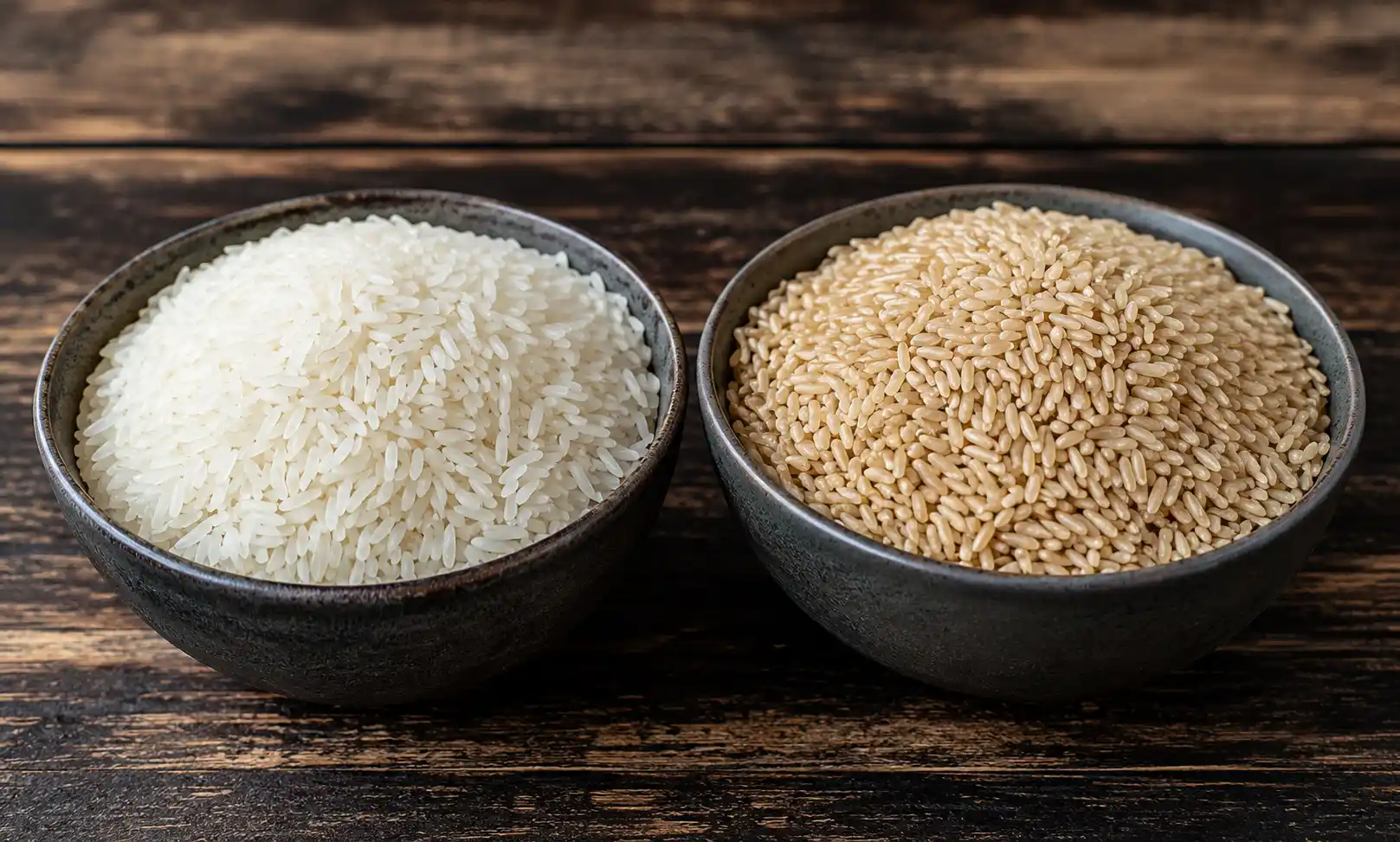
Cooked white rice contains 130 calories, 2.7g protein, 28g carbs, and 0.3g fat per 100g. Brown rice is slightly lower in calories and higher in B vitamins, magnesium, and fiber. Rice is a primary source of carbohydrate and also contains small quantities of protein, manganese, and selenium, and (when fortified) folate and iron.
Introduction
Ever get a bowl of rice and wondered what's going on in the little unassuming grain? One of those topics, which may sound easy, but can get surprisingly confusing when you start comparing white rice to brown rice, enriched rice to unenriched rice, basmati rice to jasmine rice, and so on. Rice is one of the world's most important cereal crops, yet few people know much about it — or what it does and doesn't do. This guide will explain the composition of a serving of rice, how various types compare, and how you can choose the best one for your body. No trendy diet information, no scare tactics — just plain facts, explained.
Key Takeaways
-
A 100-gram portion of cooked white rice brings around 130 calories, which mainly come from carbs.
-
The bran and germ layers are preserved in brown rice, which is why this rice variety has higher fiber, magnesium, and B vitamins content.
-
Due to its very low levels of fat and sodium, rice can be a flexible staple in a diet.
-
White rice that has been enriched may be supplemented with iron and folate, because of this reducing the nutrient gap between it and brown rice.
-
Rice does not contain gluten, so it can be relied upon as the main dietary component for people with celiac disease or gluten intolerance.
-
It is generally the quantity of rice that is eaten, not the "kind" of rice, that has more influence on weight and glycemic control.
-
If rice is to be consumed, one way to compensate for its high carbohydrate level is by having it with protein, fiber, and good fats
What Is Rice
Rice is the edible portion of the grass, Oryza sativa, and it has been a staple food in Asia, Africa, Latin America, and part of Europe for thousands of years. Rice is a refined grain (white rice) or a whole grain (brown, red, or black rice).
Rice nutrition has become a concern for a couple of pragmatic reasons. It's cheap, it's nutritious, and it's one of the most common foods consumed in the world — so the slight variations in its nutritional profile make a huge difference in health around the globe. Whether you're counting calories, watching your weight, or sticking to a healthy diet, it's not just a piece of trivia; it's useful information to know what rice contains and what it doesn't.
What Is the Nutritional Value of Rice?
Here’s a quick model, primarily based on the popular USDA reference facts for a 100-gram serving of rice:
White rice (cooked, long-grain):
-
Calories: ~130
-
Protein: ~2.7g
-
Carbohydrates: ~28g
-
Fat: ~0.3g
-
Fiber: ~0.4g
-
Key micronutrients: manganese, selenium, phosphorus; enriched versions add iron and folate
Brown rice (cooked, long-grain):
-
Calories: ~112–123
-
Protein: ~2.3–2.6g
-
Carbohydrates: ~23–26g
-
Fat: ~0.8–1g
-
Fiber: ~1.6–1.8g
-
Key micronutrients: magnesium, manganese, phosphorus, niacin, vitamin B6
The main practical distinction is in the fiber and micronutrient content. Since brown rice retains the bran and germ layers, it inherently contains more of the nutrients that white rice is deprived of during the milling process- but in many countries, white rice is still fortified with some of those nutrients through enrichment programs.
Vitamins, Minerals, and Important Compounds in Rice
Manganese
Among the minerals found in rice, manganese stands out and is one of the minerals that you can get a good amount of in a single serving. It has a subtle but important effect on the growth of bone, wound healing, and metabolism of carbohydrates and cholesterol. Everyday sources of manganese are not that common, and rice is one such source that is more reliable.
Magnesium (Especially in Brown Rice)
Brown rice is a rich source of magnesium, which is higher in the bran layer than white rice. Magnesium is involved in maintaining normal nerve function, muscle contraction, and a balanced heart rhythm. Another reason nutritionists encourage the use of whole grain rice (when possible) is that some research has found that a higher intake of magnesium can reduce the risk of stroke and heart-related problems.
Selenium
Selenium is an antioxidant mineral that helps to ward off oxidative stress and aid the thyroid gland's function. Rice is not as rich as foods such as Brazil nuts, but it provides a regular, small supply if eaten regularly on a varied diet.
B Vitamins (Niacin, Thiamine, B6)
Most of the B vitamins are in both white and brown rice; however, brown rice tends to be higher in B vitamins, particularly niacin and B6. These vitamins play a role in the utilization of food for energy production, and that is more important than people think — tiredness and reduced energy can sometimes be attributed to inadequate B vitamin intake.
Iron and Folate (Mainly in Enriched White Rice)
In a lot of countries, the iron and folic acid are added back after milling to make up for their loss; this is referred to as enrichment. This is especially important for pregnant women, for folate is important to the healthy development of the fetus, and for people who are at risk for iron-deficiency anemia.
Health Benefits of Rice Backed by Science
A Practical Energy Source
It is important to realize that, above all, rice is a very efficient source of energy. It is almost entirely made up of carbohydrates, so your body uses it for fuel more quickly, and that's why it is a popular choice for athletes and people who are physically active before and after they exercise. It isn't a bug; it's a feature; that's how rice has fed big populations engaged in physically demanding tasks for centuries.
Gentle on Digestion
White rice in particular is devoid of fibre and fat and is easily digestible. That's why it's often suggested when a person is recovering from a stomach disease or when they are following a bland diet following surgery. It doesn't cause any irritation of the gut, which some spicier and high-fibre foods can, having a real, practical value if a person feels unwell.
Supports Heart and Metabolic Health (Brown Rice)
In several studies, brown rice has been shown to positively impact cholesterol and blood pressure, perhaps due to its fiber and magnesium content. The lignans in whole-grain rice might also help lower some risk factors for heart disease. This is not to say that eating brown rice is a panacea; however, the choice of whole grains over refined is one of the more substantiated dietary practices that people have.
Naturally Gluten-Free
Rice is gluten-free, and that easily makes it one of the safest and most easily available staple grains for people who suffer from celiac disease or non-celiac gluten sensitivity. This is an even bigger deal than one might think, because a lot of gluten-free substitutes are highly processed and nutritionally lacking; rice is giving people a real whole-food choice.
Rice vs. Other Carbohydrate Staples
Rice vs. Potatoes: Potatoes have more vitamin C and potassium per serving. Also, if you eat them with the skin, you'll get a little more fiber. Rice weighs less per calorie, and it can be stored for long periods, so this is one of the reasons it became a staple in places without reliable refrigeration.
Rice vs. Quinoa: Technically, quinoa is a seed rather than a grain, and it contains a higher amount of protein as well as a more complete profile of amino acids compared to rice. For those seeking more protein from their carbohydrate source, it can be a suitable alternative. Though, it is not only costlier but also has a distinct flavor that may not be liked by everyone.
Rice vs. Pasta: In terms of fiber and micronutrients, whole wheat pasta and brown rice are quite similar. The major distinction lies in their glycemic response: rice (Mainly white rice) usually causes a quicker increase in blood sugar than pasta, which is partly because of the differences in the structure of starch.
Who Should Eat Rice?
Rice can be worn by a variety of individuals. People who train and are physically active will enjoy its quick digestion of carbohydrates during training. It's low in fiber and fat, making it well-tolerated by people who have just been ill. It is a safe food for people who are celiac and gluten-intolerant. Budget-friendly families will love it for its filling, shelf-stable, and low-cost properties.
Who Should Limit or Be Cautious With Rice
Those with type 2 diabetes or insulin resistance may choose to prefer brown, red, or black rice over white rice, or to combine white rice with protein and vegetables, which will help to moderate the blood sugar reaction. Individuals attempting to lose weight do not have to steer clear of rice entirely; moderation is essential because rice can be a problem with digestion.
There's also a safety note to remember: Rice, especially brown rice, may contain low levels of inorganic arsenic from soil and water. Though it's not a cause for alarm, it's a healthy and simple precaution to take by rinsing rice before cooking and changing up the type of grain you're consuming (not just rice all the time) — particularly for young children and pregnant women.
Best Ways to Get the Most Nutritional Value From Rice
-
To make the starch on the surface of rice disappear and to lower the arsenic level by a small margin, wash the rice with water before cooking it.
-
When you want more fiber and micronutrients, pick brown, red, or black rice.
-
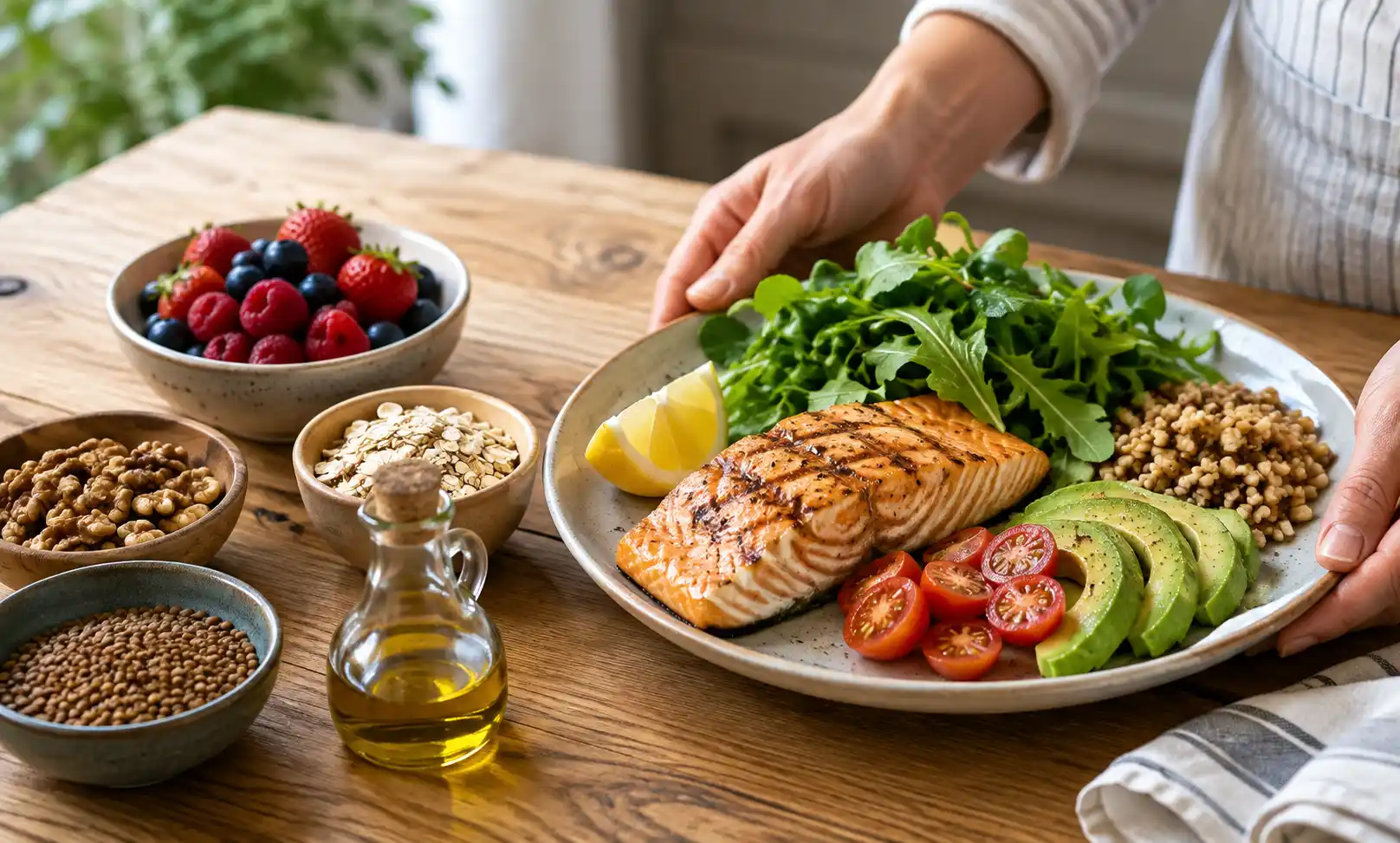
To prepare a more nutritious meal, combine rice with protein sources such as eggs, beans, fish, or chicken, as well as vegetables.
-
Extra water may be used to cook rice, and the excess may be drained. This has been done in studies and, in fact, is a way to reduce the levels of arsenic even more.
-
Do not hide rice under heavy sauces or oils because they can add far more calories than the rice in a quiet way.
-
Properly storing leftover rice and reheating the rice until it is steaming hot are very important. If rice is stored improperly, it can contain bacteria.
Common Mistakes People Make With Rice
It is a fairly common idea that white rice is just "empty calories" with no nutritional value - but it is not the case. It does contain manganese, selenium, and, when enriched, quite a bit of iron and folate. Another error is to think that brown rice is so much healthier than white rice that one should always choose it; for those who experience digestive problems easily, the added fiber in brown rice can actually cause them pain. A large number of people also greatly overestimate their portion sizes, considering a large bowl as "one serving" whereas it is more likely two or three, which makes it difficult to keep track of calories and carbs. Lastly, there are people who completely avoid rice when they are attempting to lose weight, while the real problem is usually the portion size and what comes with it, rather than the rice itself.
Expert Tips
-
Consider rice as a side dish, not as the main one; make sure to fill your plate with at least half of the vegetables and protein.
-
If rice is a staple in your daily diet, apart from white and brown, try other grains like quinoa or barley to cover a wider spectrum of nutrients.
-
The "fist-sized portion" rule is a handy visual tool for estimating one portion of cooked rice.
-
Prepare rice in large quantities and keep it in the fridge after a slight cool-down; the rice contains more resistant starch, which may have a small effect on improving blood sugar levels.
-
If controlling blood sugar is your goal, you can experiment with your body's reaction to white and brown rice using a glucose monitor or simply by observing the energy drops.
-
If you are a heavy rice consumer, pick enriched white rice over the non-enriched one, mainly during pregnancy.
-
Be not afraid of rice just because of arsenic news; wash it properly, alternate your grains, and keep in mind the overall diet quality.
Frequently Asked Questions
Is rice good or bad for weight loss?
Rice as a food is not good or bad for weight loss in itself - it is rather a matter of serving size and what it is eaten with. A reasonable amount of rice accompanied by vegetables and lean meat can easily be part of a diet where calories are controlled. Generally, risks occur when rice is eaten in very large portions or with high-fat sauces and fried food. Probably, brown rice is a bit more helpful for feeling full because of its fiber, yet you do not have to get rid of either one for weight control.
Which type of rice is the healthiest?
Brown, red, and black rice are all considered to be more nutritious than white rice because these types of rice have the bran and germ intact, which are the parts that contain most of the fiber, B vitamins, and minerals. Still, the process of enriching white rice also helps to reduce this difference to some extent by adding back iron and folate. Ultimately, the "healthiest" option depends on your own requirements; for example, if you are sensitive to the digestive effects of high-fiber foods, you may find that white rice is better for you even though it contains less fiber.
Does rice cause blood sugar spikes?
White rice ranks quite high in glycemic index, which indicates that it can spike blood sugar levels quite rapidly, mainly when consumed on its own. This is compared to brown rice, whose glycemic index is lower because the fiber it contains is responsible for slowing down the process of digestion. In fact, eating rice together with protein, fat, or vegetables that are abundant in fiber will lead to a drastic reduction in the blood sugar response, even if you make a selection between the two types of rice.
Is rice a complete protein?
Actually, rice doesn't provide full proteins if eaten alone because it has a very low amount of the amino acid lysine. Yet, when you mix rice with other legumes like beans or lentils, the combination gives a balanced amino acid profile. This is also one of the reasons why rice and beans have come to be the staple dishes in many of the world's cuisines; beyond culture, it's definitely a great nutritional match.
How much rice should I eat per day?
There is no one-size-fits-all answer because it largely hinges on your overall calorie requirements, level of physical activity, and health objectives. Generally speaking, a helping of roughly half a cup to one cup of cooked rice per meal should suffice for most adults. Individuals with diabetes or those limiting their carbohydrate consumption might consider consulting a dietitian to figure out their specific quantity.
Is brown rice always better than white rice?
It really depends on the individual, as brown rice contains more fiber and micronutrients, but for some people with certain gut conditions like IBS flare-ups, the higher fiber content of brown rice might make it difficult for them to digest it. However, white rice is more easily digestible and also contains good nutrients, in particular when it is enriched. So which one to pick should be based on one's digestive tolerance and nutritional priorities instead of a general rule.
Does rice contain arsenic, and is that dangerous?
Rice plants absorb arsenic, which naturally occurs in soil and water, more easily than many other crops; Also, brown rice is generally found to contain higher arsenic levels than white rice, as arsenic is mainly stored in the outer bran layer. For most individuals with a nutritious and diverse diet, the infrequent intake of rice should not be of concern. To minimize the risk, it is very easy: washing rice before cooking, cooking rice in a larger amount of water that you then get rid of, and not giving rice as your only grain source, mostly for children.
Is rice suitable for people with celiac disease?
Sure, rice naturally doesn't contain gluten, and for individuals with celiac disease or gluten sensitivity, rice is one of the safest grain choices. Even though it is always a good idea to verify that any packaged rice products (such as rice mixtures or rice-based snacks) are not processed in the same facility as gluten-containing grains, plain rice itself is not a source of gluten.
Conclusion
What is really the nutritional value of rice? Simply put, it is a carb-rich mainstay that gives small but significant levels of manganese, selenium, and various B vitamins. And brown rice tends to have more fiber and magnesium compared to white rice. Both versions are not strictly "good" or "bad"; the main aspects are how much you eat, the way you cook the rice, and the other foods you eat with it. Practical advice: go for whole-grain rice whenever possible, rinse it before cooking, and make rice the side dish rather than the main item on your plate.
Article Summary
-
Generally, 100g of cooked rice (white) contains around 130 cal, which mainly derives from carbohydrate.
-
Greater fiber, magnesium, and B vitamins are contained in brown rice, because the structures of the bran and germ are still complete.
-
Enriched white rice has added iron and folate, so the nutritional gap is not so great.
-
Rice is a naturally gluten-free food, and it is a good source of carbohydrates and is very low in fat and sodium.
-
Portion size and food combinations are just as important for your health regardless of the rice 'species'.


Comments ( 0)
Leave a Comment
No comments yet. Be the first to comment!