

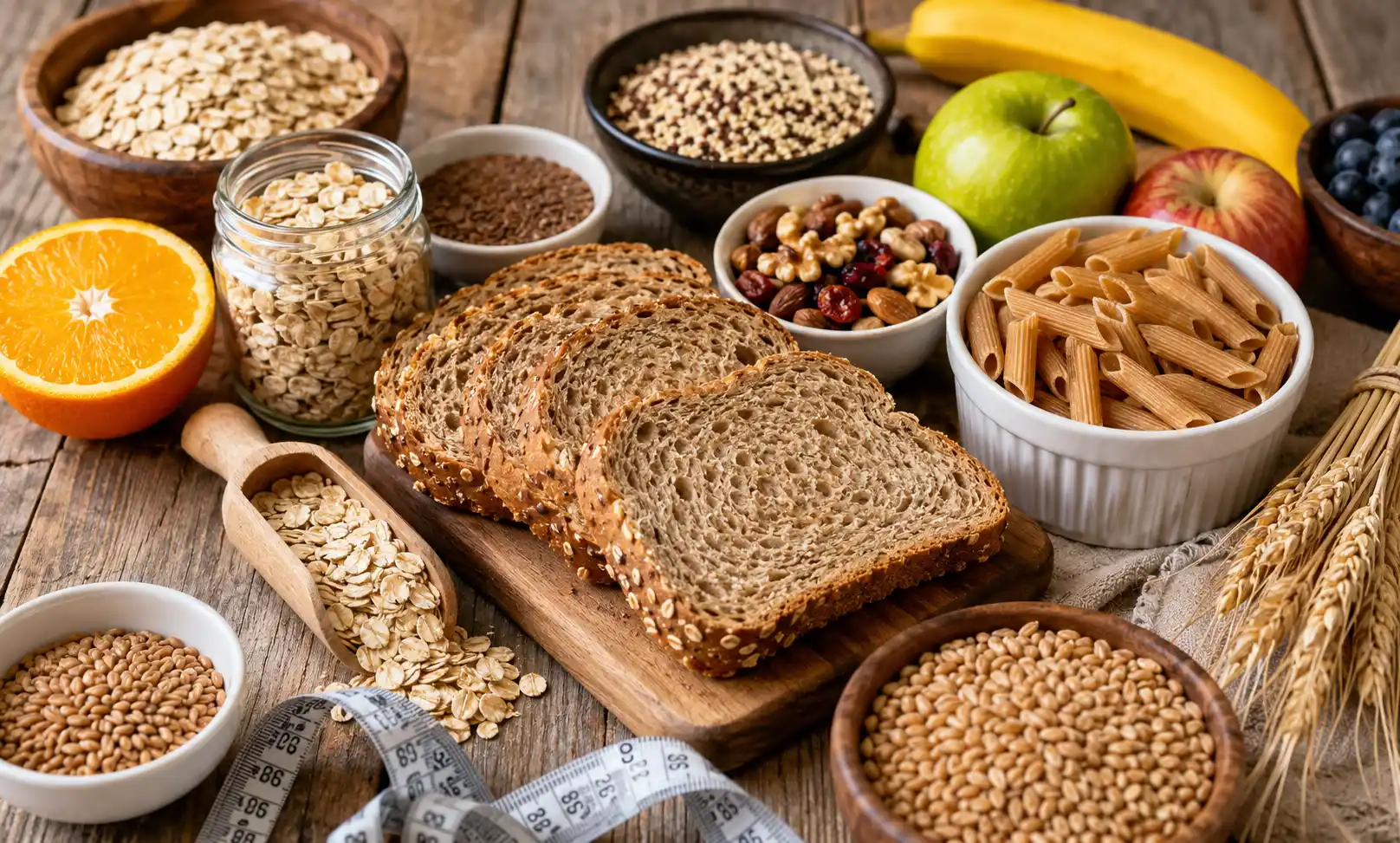
Whole wheat foods can support weight loss because they contain fiber, vitamins, minerals, and complex carbohydrates that help you feel fuller longer, reduce overeating, and track solid blood sugar levels. A whole wheat diet instead of refined grains can also help improve appetite management and a balanced meal plan. It can contribute to sustainable weight control when mixed with an active lifestyle.
Introduction
Ever wonder about the difference between people who feel full for hours after a meal vs. those who are hungry soon afterwards? It's all about food quality. Whole wheat foods for weight loss have become a subject in the spotlight for nutritionists and health enthusiasts around the globe when it comes to healthy eating and sustainable weight management.
Whole wheat foods are intact foods that contain natural fiber and nutrients, while highly processed foods do not. This indicates that they offer sustained energy, appetite control, and good health. However, do whole-grain products really aid in weight loss? And what whole wheat options work for your objectives? This detailed guide explains how whole wheat foods work, their scientific benefits, some possible drawbacks, and how to use them in your everyday eating.
Key Takeaways
-
Whole wheat foods are rich in fiber and nutrients.
-
They may help reduce hunger and increase fullness.
-
Whole wheat foods can support stable blood sugar levels.
-
Replacing refined grains may support healthy weight management.
-
Not all wheat products are truly whole wheat.
-
Portion control still matters for weight loss.
-
Whole wheat foods work best as part of an overall healthy lifestyle.
What Are Whole Wheat Foods?
Whole wheat foods refer to products that are made from the whole wheat grain, i.e., bran, germ, and endosperm. Since the entire grain's parts are left intact, whole wheat products are naturally richer in fiber, vitamins, minerals, and plant compounds when compared to products made from refined grains.
Examples include:
-
Whole wheat bread
-
Whole wheat pasta
-
Whole wheat tortillas
-
Whole wheat crackers
-
Whole wheat breakfast cereals
-
Whole wheat flour products
-
Bulgur wheat
-
Cracked wheat
People care about eating whole wheat because they offer greater nutritional value compared to micrograins and can contribute to long-term health and weight control.
Direct Answer to Whole Wheat Foods Weight Loss
Yes, whole wheat foods can be used as part of a weight loss program as substitutes for refined grain foods.
While not a magic pill for weight loss, whole wheat foods can make weight loss easier by helping to keep you fuller and more satisfied, decreasing unnecessary snacking, and providing sustained energy during the day. They tend to be higher in fiber and may help to regulate your appetite and possibly limit calorie intake in the long run.
The secret is selecting minimally processed whole wheat products and serving them in a healthy eating plan.
How Whole Wheat Foods Support Weight Loss
The bottom line is that any weight loss occurs when you eat less than your body needs. But it can make a difference what those calories are.
Whole wheat foods play a role in this process in a number of ways.
Increased Fullness
Fiber absorbs water and expands inside the digestive tract. This creates a feeling of fullness that can help reduce hunger at meals.
Slower Digestion
Whole wheat carbohydrates are destroyed more slowly than micrograins. This slow digestion can help keep you from surprising starvation spikes.
Better Blood Sugar Stability
Foods that digest more slowly can also help reduce blood sugar fluctuations quickly. Phases of stable blood sugar often support the higher demands of providing food.
Improved Dietary Quality
People who choose whole grains regularly consume more nutrients and less processed foods, which can indirectly help with a healthy body weight as well
Health Benefits Backed by Science
Weight Management
Whole wheat foods contain dietary fiber that can increase satiety and reduce total calorie intake. Several studies suggest that diets rich in whole grains are associated with healthier body weights compared to diets higher in refined grains.
Digestive Health
Fiber supports regular stool flow and promotes a healthy digestive system. Good digestive health can contribute to standard wellness and make healthy eating more sustainable.
Heart Health
Whole wheat foods contain vitamins, including magnesium, fiber, and antioxidants that support cardiovascular health. Heart health is primarily important for individuals who are overweight or trying to shed pounds.
Blood Sugar Control
Whole wheat meals are generally slower to cook than fine grains. This slower digestion can help reduce the unexpected rise in blood sugar levels after a meal.
Energy Levels
Unlike heavily processed carbohydrates, which can cause power crashes, whole wheat ingredients provide a more consistent release of power for the duration of the day
Gut Health
The fiber found in whole wheat ingredients acts as nutrition for the beneficial gut microbiome. A healthy gut microbiome additionally plays a role in appetite regulation and metabolic health.
Brain Health
Stable glucose transport from complex carbohydrates can help with focus, alertness, and overall cognitive performance throughout the day.
Muscle Health
Whole wheat meals provide carbohydrates that aid in the physiological recreation of gasoline and support post-workout recovery when mixed with fine protein intake.
Immune Support
Whole wheat food contains vitamins that include zinc, selenium, and B nutrients that contribute to normal immune function.
Long-Term Health Protection
Regular whole-grain consumption is associated with higher specific fitness outcomes, making whole wheat ingredients a valuable addition to a healthy lifestyle
What Research Says
Multiple studies confirm that individuals who eat more whole-grain foods have lower body weight compared to those who eat large amounts of refined-grain foods.
Research shows that the fiber and nutrients in whole grains help to increase satiety and decrease total calorie consumption. Whole grains are also thought to help maintain a healthy metabolism and blood sugar.
In fact, whole wheat foods are not a weight loss diet, but there are indications that they can play a role in a long-term weight management plan.
Potential Risks or Side Effects
While whole wheat foods are healthy for most people, they are not appropriate for all.
Potential considerations include:
-
Some people experience digestive discomfort when increasing fiber intake too quickly.
-
Individuals with wheat allergies should avoid wheat products.
-
People with celiac disease must avoid wheat because it contains gluten.
-
Certain digestive conditions may require personalized dietary guidance.
-
Some packaged whole wheat products may contain added sugars and unhealthy ingredients.
Increasing water intake by incorporating more fiber into your regimen can help reduce digestive pain.
Who May Benefit Most?
Adults Trying to Lose Weight
Whole wheat ingredients can help increase fullness and make calorie manipulation less complicated.
Busy Professionals
Stable energy releases can also help reduce afternoon energy crashes and unhealthy snacking.
Athletes
Whole wheat ingredients provide complex carbohydrates that aid in overall performance and healing of the body.
Older Adults
Nutrient and fiber content can guide digestive and cardiovascular fitness.
People Seeking Better Nutrition
Whole-wheat foods offer a nutrient-dense alternative to refined-grain items.
Families
Replacing micrograins with whole wheat options can improve the extraordinary universal food plan for household contributors.
Who Should Be Cautious?
People With Celiac Disease
Wheat is gluten and has to be eliminated.
Individuals With Wheat Allergy
Small amounts of wheat can also cause allergies.
Certain Digestive Conditions
Some people with gastrointestinal problems may additionally need specialist guidance before significantly increasing their fiber intake.
Pregnant Women With Special Dietary Needs
Although whole wheat ingredients are generally safe to be pregnant, individual nutritional needs can additionally vary.
Individuals Taking Certain Medical Diets
Specific medical conditions may additionally require customized nutrition plans from a healthcare professional.
Whole Wheat Foods vs Alternatives
| Food Type | Fiber Content | Fullness Level | Nutrient Density | Weight Loss Support |
| Whole Wheat Foods | High | High | High | Excellent |
| White Bread | Low | Low | Lower | Limited |
| White Rice | Low | Moderate | Lower | Moderate |
| Refined Pasta | Low | Moderate | Lower | Limited |
Best Ways to Use Whole Wheat Foods for Weight Loss
To maximize the benefits of whole wheat foods:
-
Choose 100% whole wheat bread.
-
Replace white pasta with whole wheat pasta.
-
Eat whole wheat toast with protein-rich foods.
-
Use whole wheat tortillas for wraps.
-
Include whole grain cereals with minimal added sugar.
-
Combine whole wheat foods with vegetables and lean proteins.
-
Watch portion sizes even when eating healthy foods.
A balanced meal that includes protein, healthy fats, vegetables, and whole wheat carbohydrates provides quality results for regular appetite management.
Common Mistakes People Make
Assuming Whole Wheat Means Weight Loss Automatically
However, healthy foods include energy. Part awareness remains important.
Buying Fake Whole Wheat Products
Some of the items look nutritious, but mainly consist of delicate flour. Always study ingredient labels carefully.
Ignoring Protein
Whole-wheat ingredients are best paired with protein-rich ingredients.
Eating Excessive Portions
Large portions can still contribute to excess calorie intake.
Increasing Fiber Too Quickly
A sudden jump in fiber intake may cause bloating or digestive discomfort.
Relying on Processed Whole Wheat Snacks
Not all products labeled whole wheat are equally nutritious.
Expert Tips
-
Look for "100% whole wheat" on labels.
-
Pair whole wheat foods with lean protein.
-
Increase fiber intake gradually.
-
Stay hydrated throughout the day.
-
Prioritize minimally processed whole grain products.
-
Build meals around vegetables and protein first.
-
Focus on long-term habits rather than quick fixes.
Frequently Asked Questions
Are whole wheat foods good for weight loss?
Yes. Eating whole wheat foods can aid weight loss due to their fiber and nutrients that help keep you feeling full for longer. They can help curb excessive snacking and promote a better appetite. But they are best when used in tandem with a balanced diet and exercise. Portion control is still important. Whole wheat foods shouldn't be used as a quick fix – they are meant to be a way to help people be healthy.
Which whole wheat food is best for weight loss?
There really is no right or wrong answer. Whole wheat bread, whole wheat pasta, bulgur wheat, and whole wheat cereals are all healthy choices if you're looking to lose weight. You have to decide which is best depending on your preference and diet. Minimally processed and little added sugar foods tend to be healthier. It's consistency that's important, not picking one particular food.
Can I eat whole wheat bread every day while trying to lose weight?
Yes, many people can enjoy whole wheat bread every day as part of a balanced weight-loss plan. Whole wheat bread provides fiber and vitamins that can help with fullness. The key is dealing with portions and pairing them with protein-rich foods. It is important to choose a 100% whole wheat variety. The daily intake can fit well into the diet.
Is whole wheat better than white bread for weight loss?
In most cases, sure. Whole wheat bread generally contains more fiber and nutrients than white bread. More fiber can additionally help boost satiety and aid in appetite control. White bread generally digests quickly and can result in a quick return to starvation. Alternatives to whole wheat often offer good feed value.
Do whole wheat foods reduce belly fat?
Eating whole wheat doesn’t specifically target belly fat. No food can selectively burn fat from one part of the body. However, switching fine grains with whole wheat meals can help reduce general weight, which can reduce belly fat sooner or later. Consistently eating healthy and exercising remains the most effective technique.
Can whole wheat foods raise blood sugar?
Whole wheat foods contain carbohydrates, so we can boost blood sugar levels. However, they are generally digested more slowly than refined grains due to their fiber content. This can additionally cause a slow upward push on blood sugar. Portion length and meal composition also affect blood sugar responses.
Are all brown breads whole wheat?
nope. Some brown breads are colored by ingredients such as molasses or caramel color; however, it is important to read ingredient labels that can contain a lot of fine flour. Look for products that clearly state "100% whole wheat" as the first ingredient. This ensures that you are blessed with real, whole grains.
How much whole wheat should I eat daily for weight loss?
The ideal amount varies depending on your calorie desires, activity level, and specific weight loss plan. Many nutritionists advocate making at least 1/2 of your grain intake whole grains. Focus on balanced meals instead of a particular number. A whole wheat diet can be supplemented with greens, protein, and healthy fats for a subtle effect.
Conclusion
Eating whole wheat foods can be a valuable part of a healthy weight loss plan. Their fiber, vitamins, and slow digestion help to guide fullness, consistent energy, and a good urge to eat to help manipulate. While they may not be the magic answer, switching micrograins with whole wheat alternatives can also facilitate sustainable weight control over the years
If your aim is long-term success, be aware of incorporating whole wheat ingredients and weight loss techniques into a properly balanced lifestyle that consists of nutritious eating, normal movement, ok sleep, and consistent healthy conduct.
Article Summary
-
Whole wheat foods contain fiber, vitamins, and minerals that support overall health.
-
They may help improve fullness and reduce overeating.
-
Replacing refined grains with whole wheat options can support weight management.
-
Whole wheat foods offer benefits for digestive, heart, and metabolic health.
-
Choosing minimally processed 100% whole wheat products provides the greatest benefits.




Comments ( 0)
Leave a Comment
No comments yet. Be the first to comment!