

Introduction
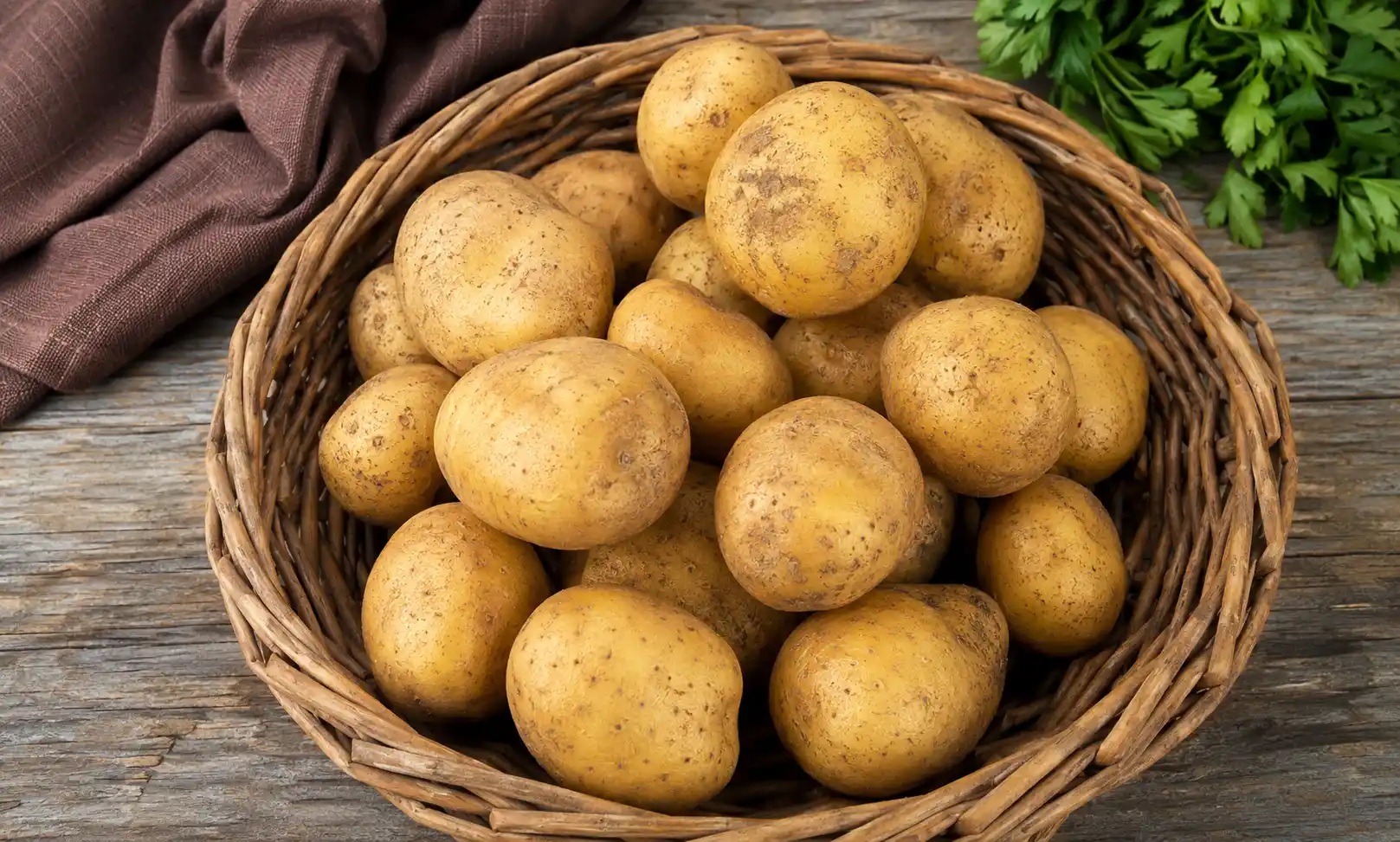
Potatoes rank among the top foods that people eat around the world. Though they also rank among the foods that people understand the least. Some individuals simply see potatoes as a carbohydrate-rich food, whereas some completely steer clear of them due to fears of getting fat. The reality is a lot more fascinating.
If you have asked yourself what the nutrition of potatoes is, then you will be amazed to know that this simple vegetable is packed with a wide variety of essential nutrients like potassium, vitamin C, vitamin B6, fiber, and beneficial plant compounds. When cooked healthily, potatoes are an excellent component of a balanced diet and may even contribute to heart health, digestion, energy production, and overall wellness.
This fact-based manual will take you through all the aspects of potato nutrition, including its health benefits, the possible risks, and the most tasty ways to eat it.
What Is the Nutrition of a Potato?
The term "what is the nutrition of potato" means the entire nutritional composition of potatoes, including their calories, carbohydrates, protein, fiber, vitamins, minerals, and naturally occurring antioxidants.
Potatoes are edible tubers that grow underground. They are members of the nightshade family and have been grown since ancient times. Initially, the potato was domesticated in the regions of the Andes Mountains in South America, and later, the potato became one of the most important staple foods of the world.
Nowadays, people eat potatoes in various ways, such as baked, boiled, mashed, roasted, and steamed, etc. The nutritional value of potatoes can differ based on the cooking techniques, but the potato is a great source of several nutrients that help in the overall health of the body.
Besides being a source of carbohydrates, plain potatoes also contain vitamins, minerals, dietary fiber, and phytochemicals, which are responsible for their nutritional goodness.
Nutritional Profile of Potato
The following values represent one medium baked potato with skin (approximately 173 grams).
| Nutrient | Amount Per Medium Potato |
| Calories | 161 |
| Carbohydrates | 37 g |
| Protein | 4.3 g |
| Fat | 0.2 g |
| Fiber | 3.8 g |
| Potassium | 926 mg |
| Vitamin C | 17 mg |
| Vitamin B6 | 0.6 mg |
| Magnesium | 48 mg |
| Phosphorus | 121 mg |
| Folate | 28 mcg |
| Iron | 1.1 mg |
Why These Nutrients Matter
Carbohydrates are the main fuel for the human body. They provide energy for both physical activities and brain work.
Fiber keeps the digestive system healthy, makes you feel full, and aids in maintaining regular elimination of waste through the bowels.
Potassium is a necessary mineral that, among other functions, helps keep blood pressure at healthy levels, enables muscles to contract, and regulates the balance of fluids in the body.
Vitamin C is a key player in the immune system, is necessary for collagen synthesis, and acts as an antioxidant.
Vitamin B6 is a vitamin that aids in the body's energy production and supports the healthy functioning of the nervous system.
Magnesium and phosphorus are two minerals that are very crucial for bone development and the production of energy within cells.
Top Proven Benefits of Potato Nutrition
Provides Long-Lasting Energy
Potatoes are naturally loaded with complex carbohydrates, which are the body's main energy fuel.
Our bodies break down carbohydrates to produce glucose, which is the primary energy source of our body cells. Besides the carbohydrate content, potatoes are also a good source of dietary fiber and other nutrients that can provide a more lengthy and sustained energy release than many processed and sugary snacks.
After training sessions, athletes frequently eat potatoes to restore the glycogen in their muscles.
For instance, a baked potato with grilled chicken would be a great meal after the workout to promote muscle recovery and performance.
Supports Healthy Blood Pressure
Potassium is one of the main nutrients in potatoes.
Potassium contributes to offsetting the impact of sodium in the body and maintaining the functions of the blood vessels. Eating lots of potassium-rich foods is linked to a healthier heart and circulatory system.
Most people do not get enough potassium each day. One average-sized potato could go a long way towards helping you reach the amount of potassium you should be getting.
With your other balanced diet choices, including potassium-rich foods such as potatoes, fruits, vegetables, and legumes, you may help control your blood pressure.
Promotes Digestive Health
Potatoes are a good source of dietary fiber, in particular when you eat the skin and the flesh.
Dietary fiber not only assists in the speeding of food through the digestive tract but also helps the growth of beneficial gut bacteria.
Besides dietary fiber, potatoes are a source of resistant starch. After cooking, if you refrigerate potatoes, part of the starch will become resistant starch. In the digestive tract, resistant starch will act like fiber.
Scientific studies indicate that resistant starch can have a beneficial impact on gut health, enhance digestion, and also increase the feeling of satiety or fullness.
Rich in Antioxidants
Many people are unaware that potatoes contain several antioxidant compounds.
These include:
-
Phenolic compounds
-
Flavonoids
-
Carotenoids
Antioxidants are molecules that protect the cells from oxidative damage caused by free radicals.
Many antioxidants in the diet come from fruits and vegetables. And studies show that some colored potato types, mostly purple and red potatoes, are getting even more benefit from these antioxidant compounds than traditional white potatoes.
These compounds may play a role in the protection of cells from damage, which is linked to overall health and well-being.
Supports a Healthy Immune System
Vitamin C is well known for its role in immune function, and potatoes provide a meaningful amount of this important nutrient.
Vitamin C helps support:
-
White blood cell activity
-
Wound healing
-
Collagen formation
-
Antioxidant protection
Despite citrus fruits being popularly known as the main sources of vitamin C, potatoes can also supply the daily requirement of this vitamin.
Frequent intake of vitamin C-containing foods could be one of the ways to keep the immune system healthy and strong at any time of the year.
Helps Maintain Healthy Brain Function
The nutrient B6 in potatoes is involved in the production of neurotransmitters that help brain cells communicate effectively.
These neurotransmitters influence:
-
Mood
-
Memory
-
Concentration
-
Nervous system function
Adequate vitamin B6 intake supports regular cognitive performance and standard neurological fitness.
May Support Weight Management
Generally, potatoes are scapegoated when it comes to weight gain. Yet, a closer look at the facts gives a somewhat balanced perspective.
Simply boiled or baked potatoes do not contain many calories when compared with loads of processed convenience foods. Also, they are extremely filling.
Research papers on satiety have regularly placed potatoes at the top of the list of the most satiating foods.
Experience of satiety resulting from the food intake might cause fewer indulgences and allow proper calorie regulation.
The most important aspect is the way a product is made. A baked potato and a plate of deep-fried fries differ greatly in their nutritional compositions.
Supports Athletic Performance and Recovery
Sports nutrition experts frequently recommend potatoes as a natural source of carbohydrates.
Potatoes provide:
-
Energy-producing carbohydrates
-
Potassium for muscle function
-
Vitamin B6 for metabolism
These nutrients help demonstrate support at a certain point of exercise and healing afterwards.
For endurance athletes, potatoes can serve as a discreet and low-cost opportunity for professional sports meals.
Contributes to Heart Health
Potatoes have multiple nutrients that are good for heart health.
Potassium plays a role in keeping blood pressure at a healthy level, and fiber might help in maintaining good cholesterol levels.
As potatoes are cholesterol-free and contain almost no fat naturally, they can be part of heart-healthy diets if not cooked with too much fat.
But the healthiest options are baking, boiling, or roasting potatoes instead of frying them.
Supports Bone Health
Although potatoes are generally not a bone-fitness food, they contain numerous minerals that contribute to skeletal energy
These include:
-
Magnesium
-
Phosphorus
-
Potassium
These nutrients support bone structure, muscle features, and regulate cellular processes involved in maintaining healthy bones.
Potential Downsides and Risks
Despite their nutritional advantages, potatoes are not ideal for every situation.
Blood Sugar Considerations
Potatoes tend to have a higher glycemic index compared to other vegetables.
That means, they might elevate blood sugar levels more rapidly, Most of all if consumed without other foods.
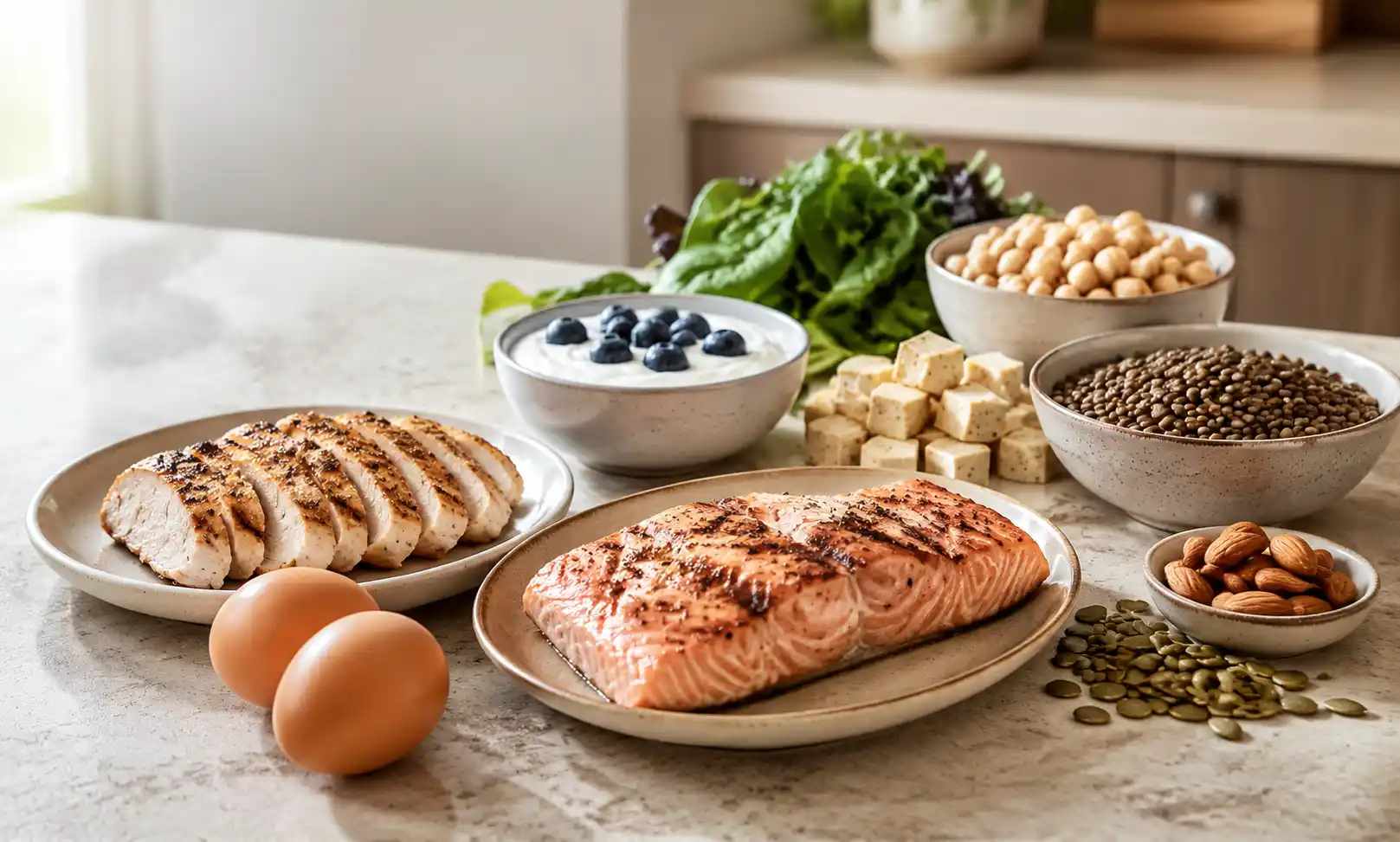
People who suffer from diabetes or are insulin-resistant might consider combining potatoes with:
-
Lean protein
-
Healthy fats
-
High-fiber vegetables
This combination can help slow digestion and reduce blood sugar spikes.
Fried Potato Products
French fries, potato chips, and other heavily processed potato products often come loaded with added fat, sodium, and calories.
If you make these types of food a regular part of your diet, they may contribute to your gaining weight and could increase the risk factors for heart disease.
The way you cook potatoes is really the deciding factor in how healthy they are for you.
Green Potatoes
Potatoes exposed to light can develop green patches and produce compounds known as glycoalkaloids.
Large amounts may cause:
-
Stomach discomfort
-
Nausea
-
Headaches
Green matter should be removed before cooking, and closely experienced potatoes should be discarded.
Kidney Disease Concerns
Due to the high levels of potassium in potatoes, those suffering from severe kidney dysfunction might have to reduce their consumption.
Individuals on a low-potassium diet should get tailored guidance from a medical specialist.
Best Ways to Consume Potatoes
The healthiest education techniques conserve nutrients and limit unnecessary calories and fat.
Good options include:
-
Baking
-
Boiling
-
Steaming
-
Roasting
Try these practical serving ideas:
-
Baked potato topped with Greek yogurt
-
Roasted potatoes with herbs and olive oil
-
Potato and vegetable soup
-
Potato salad made with olive oil dressing
-
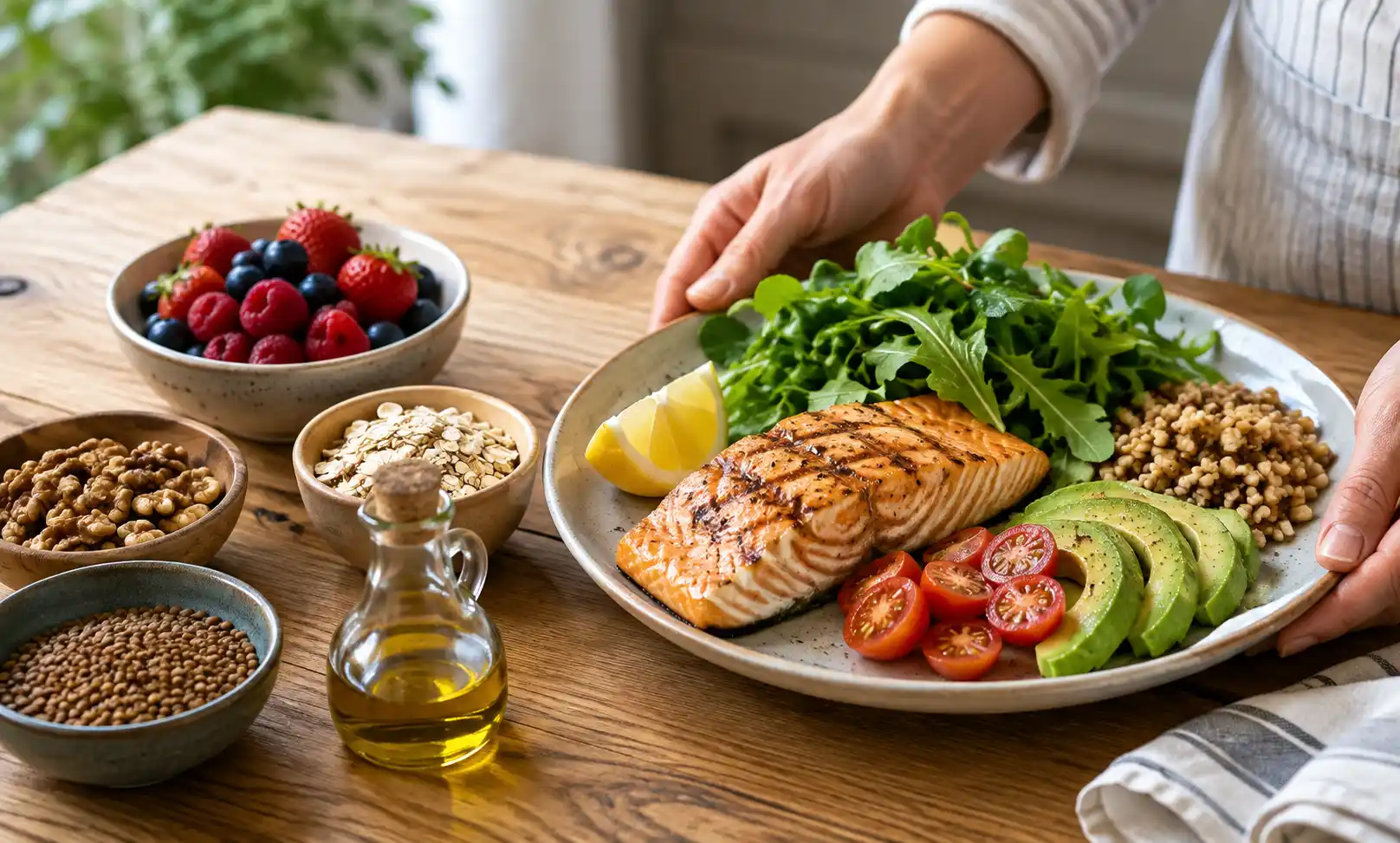
Boiled potatoes served with fish and vegetables
Keeping your pores and skin on each time increases your fiber intake and preserves treasured nutrients.
Potato Compared With Other Common Carbohydrate Foods
Potatoes generally have higher levels of potassium, vitamin C, and fiber than white rice.
Potatoes have roughly the same calories as sweet potatoes but different antioxidants.
Potatoes supply a greater variety of vitamins and minerals than refined grains in most cases.
When we weigh the nutrients of different carbohydrates, potatoes stand out as one of the most nutrient-dense and cheapest sources worldwide.
Common Misconceptions About Potato Nutrition
One common misconception is that potatoes are inherently unhealthy.
Actually, nearly all of the health-related worries revolve around how a potato is prepared, rather than the potato itself.
Another myth suggests that potatoes are just made up of starch. Even though starch is the main part, potatoes are also a source of vitamins, minerals, dietary fiber, antioxidants, and various other beneficial plant components.
Another myth is that potatoes can make you gain weight. Data from research studies indicates that potatoes, which are plain and not supplemented with extra fat or sugar, can be part of healthy diets if the portions and preparation methods are taken into account.
Frequently Asked Questions
Are potatoes healthy to eat every day?
Potatoes are a source of carbohydrates, and for most healthy adults, they can be part of a balanced diet that includes vegetables, fruits, sources of protein, and healthy fats, among others.
Is a potato good for weight loss?
Yes. Plain boiled or baked potatoes are very starchy and can be even more satiating than meat, low-fat yogurt, or eggs. They also have an excellent satiety index and can help with appetite control when consumed in suitable portions.
Do potatoes contain protein?
Yes. One medium-sized potato contains around 4g of protein, but it is generally considered a low-protein food.
Which is healthier, potato or rice?
Both can be healthful choices. Compared to white rice, potatoes tend to contain more potassium, vitamin C, and fiber.
Does cooking affect potato nutrition?
You can cook potatoes by these methods without quite a bit decreasing nutrients. Instead of frying raises the calorie and fat contents quite a bit. Baking, boiling, and steaming are excellent at retaining the nutritional value of a potato.
Should I eat the potato skin?
Yes. Mostly. The skin of the potato is loaded with fiber and also contains other nutrients that contribute to the overall nutritional value.
Key Takeaways
-
Potatoes are nutrient-dense vegetables, not just sources of starch.
-
They provide potassium, vitamin C, vitamin B6, and fiber.
-
Potatoes support energy production and muscle function.
-
Their fiber content benefits digestive health.
-
Potassium contributes to healthy blood pressure regulation.
-
Resistant starch may support gut health.
-
Plain potatoes can fit into weight-management plans.
-
Preparation method greatly influences health effects.
-
Fried potato products are less nutritious.
-
Keeping the skin on increases fiber intake.
Final Thoughts
What is the nutrition of a potato? Knowing this helps us realize that potatoes are quite a wholesome food, and we probably underestimate them.
Besides carbohydrates, they are a source of dietary fiber, several vitamins, and minerals. They also contain some antioxidant compounds that have positive effects on the body. Preparation matters a lot with potatoes. Baking, boiling, steaming, or roasting them are the ways that keep them quite healthy and allow them to become a very good addition to a well-balanced diet. Only people who really have to control their food intake for their health condition need to be careful. Potatoes are suitable for health and fitness enthusiasts, too.
Actually, potatoes are not mere starchy food stuff. They are nutrient-dense whole foods that, if eaten regularly, can actually help to maintain our health and well-being.

Comments ( 0)
Leave a Comment
No comments yet. Be the first to comment!