

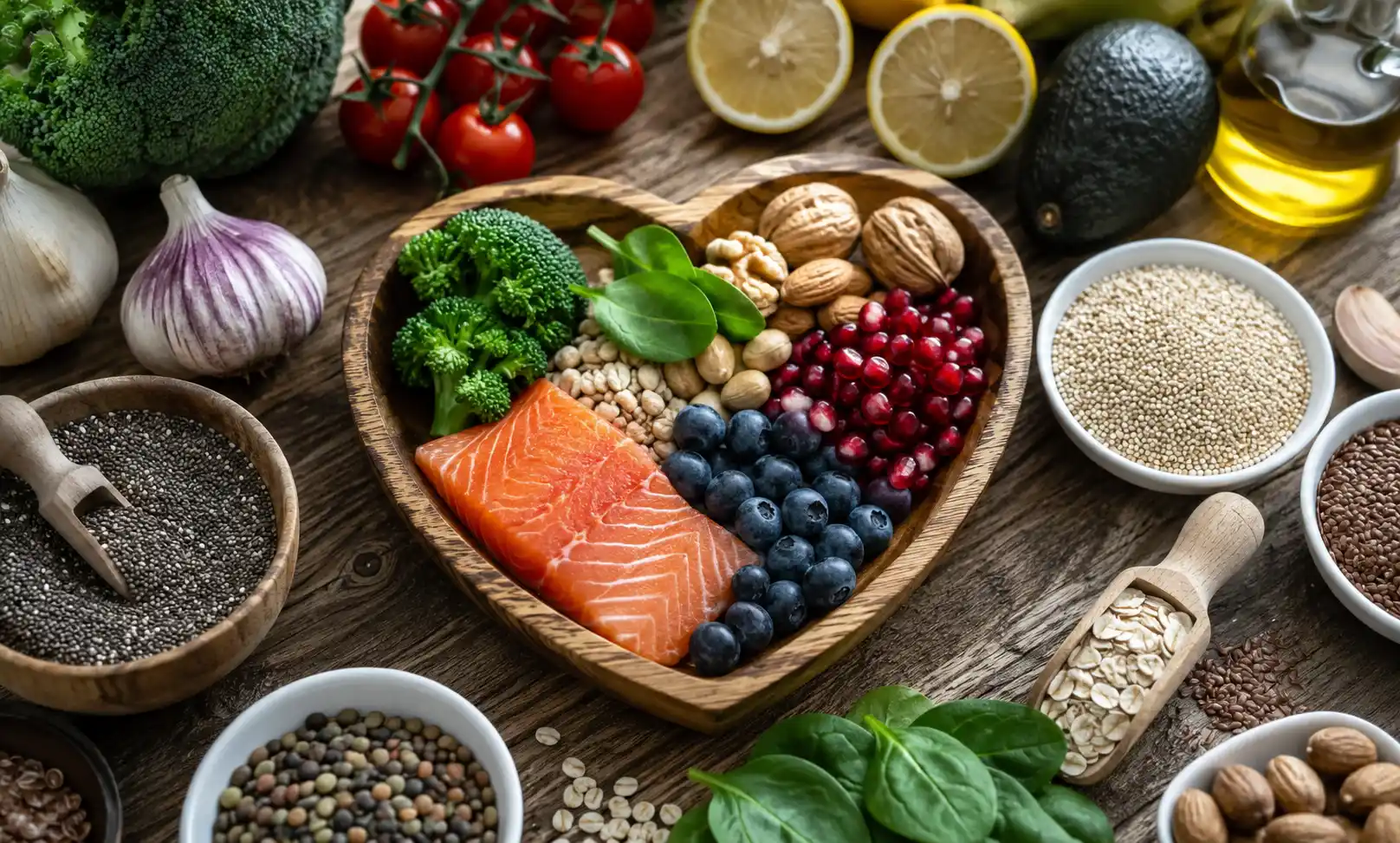
Foods that promote heart health are nutrient-dense foods that not only support the maintenance of blood vessels but also help control cholesterol levels, stabilize blood pressure, and support the overall functioning of the cardiovascular system. A heart-healthy diet generally includes fruits, vegetables, whole grains, beans, nuts, seeds, fatty fish, olive oil, and other minimally processed foods, consumed as part of a balanced and healthy lifestyle.
Introduction
Your heart is continually working, every second of every day. Still, many people only wake up to it after a bit of a health scare. The bright side is that even minor tweaks to your daily diet can bring quite a change over time. Making the wise food choices for your heart can be your ally in keeping cholesterol levels in check, blood pressure at its natural state, calming down inflammation, and generally boosting your cardiovascular health. You don't have to go hunting for pricey superfoods or devise intricate meal plans. Just plain, ordinary foods can give your heart its natural nourishment. This guide will help you to pinpoint which food items are really good for you, how they function, and ways to practically fit them into your daily meals.
Key Takeaways
-
Make sure to include lots of colorful fruits and vegetables that are colorful.
-
Opt for healthy fats like olive oil, nuts, seeds, and fish with omega-3 fatty acids.
-
Switch to whole grains instead of refined ones most of the time.
-
Cut down on packaged foods that are highly processed, sugar that is added, and sodium in excess.
-
Committing to a diet that promotes heart health is most effective when combined with an active lifestyle, sufficient sleep, and staying away from smoking.
What Are Foods for Heart Health?
Foods for heart health are foods that contain nutrients that are established to benefit the cardiovascular system. They assist in nurturing the heart muscle, keeping blood vessels healthy, and lowering the risk factors involved in heart disease.
Instead of seeking a "miracle food, " nutrition experts suggest you opt for a spread of foods, choosing many foods that are naturally rich in everything your heart needs: fiber, healthy fats, antioxidants, vitamins, minerals, and plant compounds.
There is a strong motivation for people to consume products that have a positive effect on the heart, as cardiovascular disease is still one of the most common causes of illness around the world today. Most foods won't prevent the onset of heart disease, but over time a healthier diet will make a difference.
Which Foods Are Best for Heart Health?
The first-class components of cardiovascular fitness incorporate a complete set of nutrient-rich ingredients rather than relying on one specific ingredient
Excellent choices include:
-
Leafy green vegetables
-
Berries
-
Oats
-
Whole grains
-
Beans and lentils
-
Fatty fish like salmon and sardines
-
Walnuts
-
Almonds
-
Chia seeds
-
Flaxseeds
-
Avocados
-
Olive oil
-
Tomatoes
-
Citrus fruits
-
Yogurt with little added sugar
Each meal provides a kind of nutrients that contribute to healthy circulation, LDL cholesterol control, blood tension manipulation, and inflammation reduction.
Vitamins, Minerals, and Important Compounds
Vitamin C
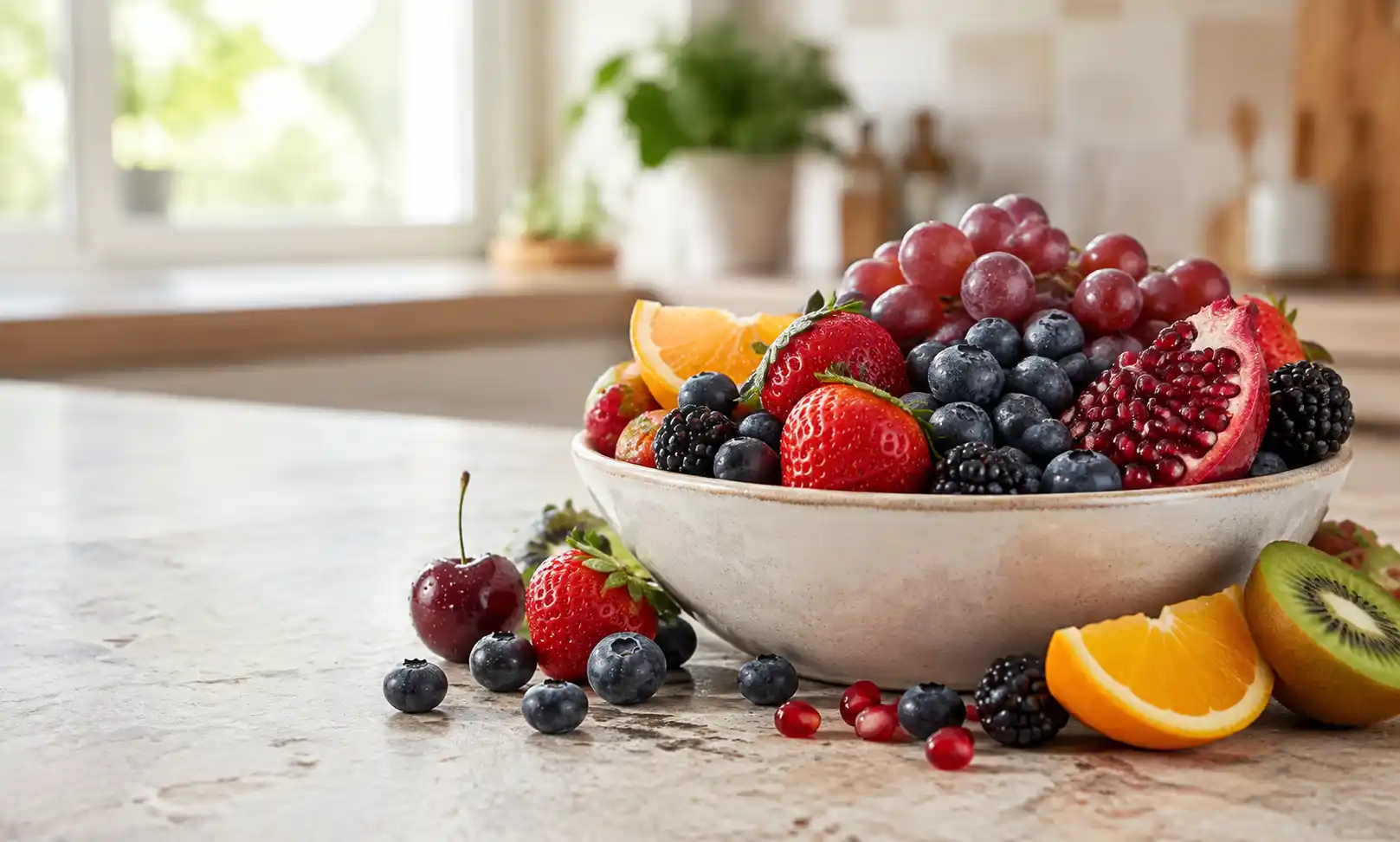
Vitamin C, a potent antioxidant, is abundant in citrus fruits, berries, kiwi, and bell peppers.
The vitamin works to protect the blood vessels from the damage caused by oxidative stress. Besides, levels of healthy collagen are maintained with the help of vitamin C. Well-functioning and flexible blood vessels remain; collagen supports the maintenance of their function.
Potassium
Bananas, potatoes, beans, spinach, avocados, and a whole lot of other fruits and vegetables have potassium in them.
The mineral adjusts the amount of liquid in your body and keeps your blood pressure in check by counteracting sodium.
Soluble Fiber
Oats, barley, beans, lentils, apples, and pears are some of the best sources of soluble fiber.
When digested, it produces a gel-like material that may contribute to lowering LDL ("bad") cholesterol and promoting a healthy digestive system.
Omega-3 Fatty Acids
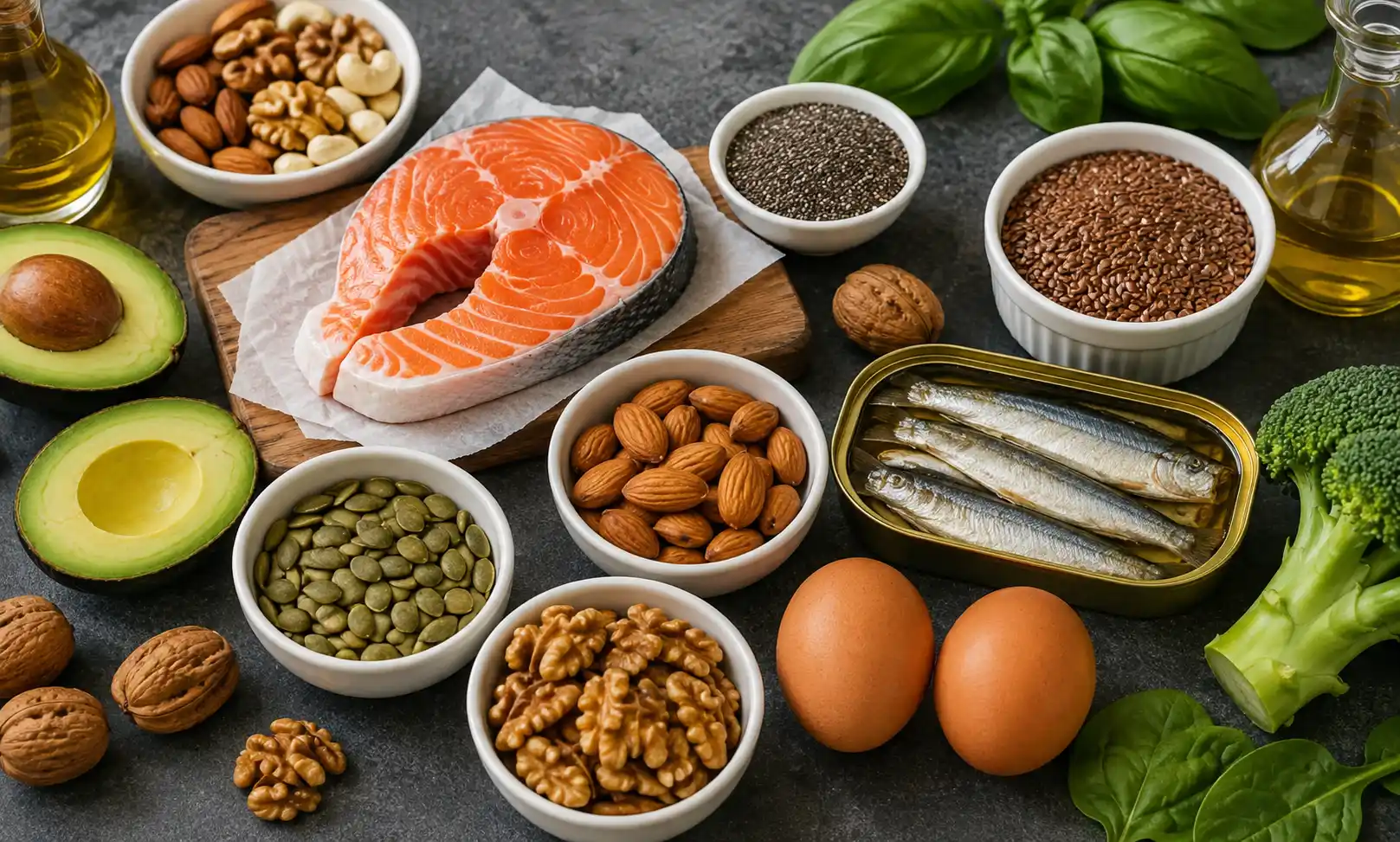
Salmon, sardines, trout, mackerel, walnuts, flaxseeds, and chia seeds are the main sources of Omega-3 fats.
These good fats help in maintaining a healthy heart rhythm, fight inflammation, and promote general heart health.
Magnesium
Magnesium is found in leafy vegetables, nuts, seeds, fruits, and whole grains.
It supports muscle function, including the heart muscle, and is in a position to maintain healthy blood pressure.
Polyphenols
Polyphenols are natural substances from plants. They occur in berries, olives, tea, cocoa, grapes, and many colorful fruits and vegetables.
They work as antioxidants by combating oxidative stress and helping maintain the health of blood vessels.
Healthy Unsaturated Fats
Replace the more harmful saturated fats in the diet with unsaturated fats.
Items like olive oil, avocados, almonds, walnuts, and seeds can contain the healthy fats that help keep you healthy with normal levels of cholesterol only when substituted for butter or other processed fats.
Health Benefits Backed by Science
Helps Maintain Healthy Cholesterol Levels
Consuming foods loaded with soluble fiber, good fats, and plant sterols is a great way to get your cholesterol in better shape. With nutrients that help maintain healthy LDL cholesterol levels that are already in the normal range, oats, beans, lentils, nuts, and olive oil are perfect examples.
To be healthier, you can not only cut down on saturated fat intake but also replace it with healthier options. For instance, using olive oil instead of butter or having nuts instead of processed snacks can enhance the overall quality of your diet.
These dietary changes, when coupled with an active lifestyle, can, over a period, decrease the risk factors of cardiovascular diseases.
Supports Healthy Blood Pressure
A diet full of vegetables, fruit, beans, and whole grains naturally contains all the potassium, magnesium, and fiber that help keep blood pressure healthy.
Limiting highly processed foods will also mean a reduction in sodium in the diet, which many people are sensitive to.
Small habits like including vegetables in all your meals or opting for more fresh foods can have a real impact over a month or two rather than a day or two.
Reduces Chronic Inflammation
Chronic inflammation is linked to several long-term illnesses, such as heart disease.
Fruits of different colors, green vegetables, olive oil, fish high in omega-3, nuts, and seeds are sources of antioxidants and healthy fats that assist the body in coping with its normal inflammatory reactions.
Consuming different types of these foods throughout the week assures you of getting a diversified set of plant compounds that protect the body and operate in tandem rather than you just relying on supplements.
Supports Healthy Blood Vessel Function
Arteries need to be flexible enough to let the blood flow freely across the body.
Antioxidants, nitrates, healthy fats, and polyphenols are the main components of foods that can help maintain good blood vessel function. Leafy vegetables, berries, oranges, and olive oil are exceptionally good since they have multiple of these nutrients combined.
Packing in good hydration, exercising regularly, and not smoking are also great ways to make your blood vessels healthier together with a balanced diet.
Health Benefits Backed by Science (Continued)
Helps Reduce the Risk of Heart Disease
Heart disease takes years to develop due to several factors together, like a high level of cholesterol, high blood pressure, damage to the blood vessel lining due to the immune system, diabetes, smoking, unfitness, and eating unhealthy foods. No single food item can eliminate this risk, but a well-balanced diet full of heart-friendly foods can greatly affect multiple risk factors simultaneously.
Scientific studies have continuously proven that dietary practices rich in fruits, vegetables, whole grains, legumes, nuts, fish, and unsaturated fats are linked to enhanced cardiovascular health. These foods contain fiber, vitamins, minerals, antioxidants, and healthy fats, which together help keep the heart healthy.
The main advantages come from adopting healthy eating as a lifelong habit rather than going on temporary diets.
Helps Maintain a Healthy Weight
Maintaining a healthy weight is one of the best ways to support your heart. The secret is that most heart-healthy foods are also those that can naturally fill you up because they have fiber, protein, and water in them, so they help you stay satisfied for longer.
For instance, a bowl of oatmeal with some berry and walnut toppings will give you a sustained energy release versus sugary cereals or pastries. Same thing: switching from processed snacks to fruits or a handful of nuts will not only reduce your intake of unnecessary calories but also provide you with important nutrients.
PA combined with these eating habits may result in maintaining your weight in a healthy way over the long term, which is advantageous for cardiovascular health in general.
Who Should Eat Foods for Heart Health?
Heart-friendly foods are useful for almost every body because they support general fitness, and not just the heart.
They are especially helpful for:
-
Adults who want to reduce their risk of heart disease.
-
People with high cholesterol who are looking to improve their eating habits.
-
Individuals managing high blood pressure.
-
People with diabetes or prediabetes.
-
Older adults aiming to maintain cardiovascular health.
-
Those with a family history of heart disease.
-
Anyone trying to maintain a healthy weight through balanced nutrition.
Children and adolescents also benefit from increasing healthy intake habits early in their lives, as those habits are regularly maintained into maturity.
Who Should Limit or Avoid Certain Heart-Healthy Foods?
Most heart-friendly diets are generally safe for everyone, but individuals may have to tweak their diets based on their personal health conditions.
For instance, people suffering from kidney problems will have to avoid or reduce intake of foods that contain high levels of potassium or phosphorus. A health specialist will be able to offer custom-made advice.
People with an allergy to nuts, apart from steering clear of tree nuts, may also want to try to include other healthy sources of fat, such as seeds or olive oil.
It is very important for people on blood-thinning medications to make sudden changes to the intake of vitamin K-rich green leafy vegetables without consulting their healthcare professionals, since consistency is key.
Those with gastrointestinal issues will most likely have to slowly increase their consumption of fiber so they do not end up with an upset stomach.
The best ways to include foods in a heart-healthy diet
Making your food more coronary and heart-pleasing may not require a whole lifestyle overhaul. Small, everyday changes often result in effects over a pretty long time period.
Some practical ideas include:
-
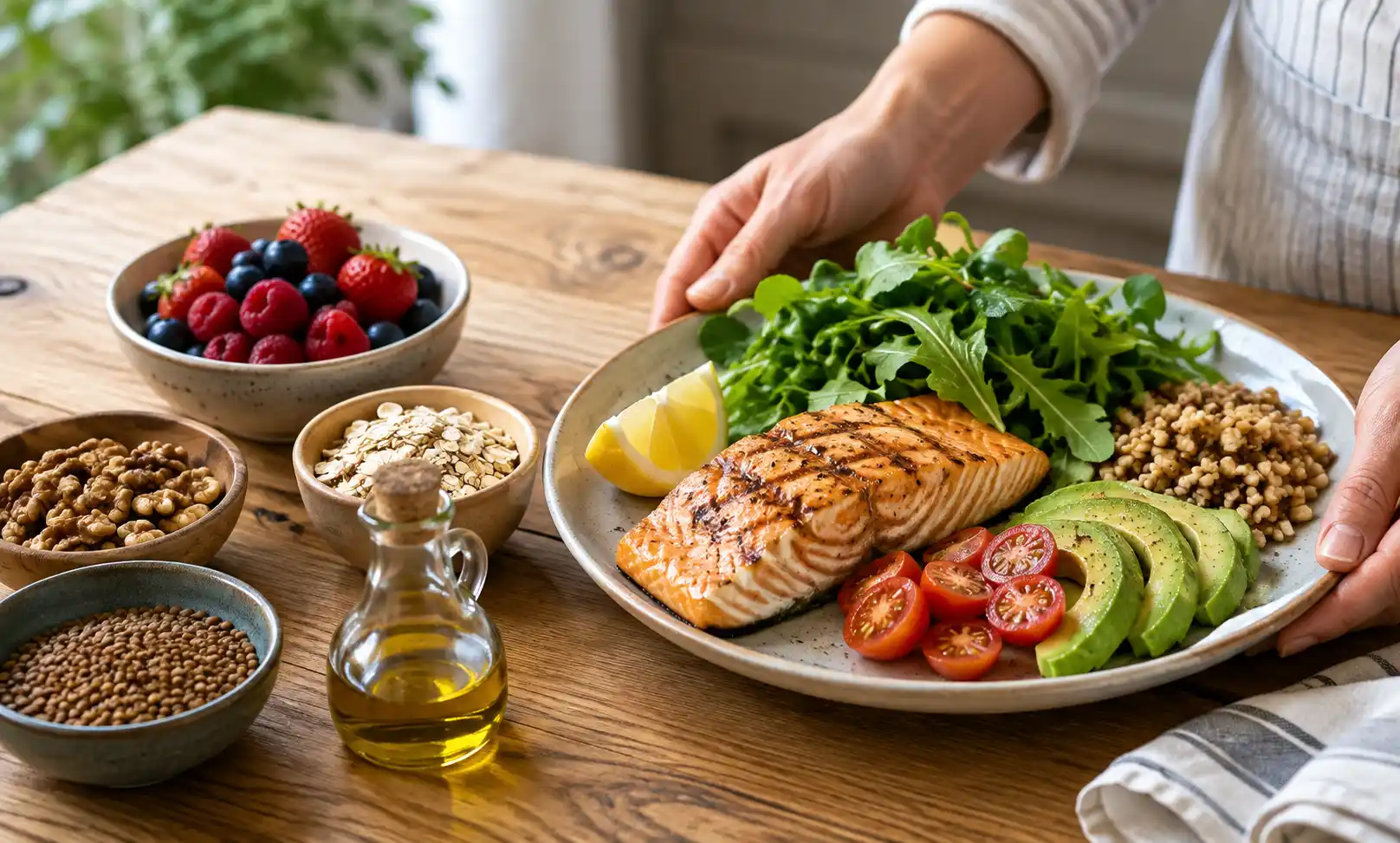
Start your morning with oatmeal topped with berries and chia seeds.
-
Eat at least two servings of fatty fish each week.
-
Fill half your plate with vegetables at lunch and dinner.
-
Choose whole-grain bread instead of white bread.
-
Snack on unsalted nuts instead of processed chips.
-
Replace butter with olive oil when cooking.
-
Include beans or lentils in soups, salads, or curries.
-
Add fresh fruit instead of sugary desserts.
-
Drink water instead of sugar-sweetened beverages.
-
Read food labels and choose products lower in sodium and added sugar.
Common Mistakes People Make
Believing One Superfood Can Protect the Heart
Many people are looking for a miracle meal, but healthy fitness depends on your specific consumption pattern. A balanced weight loss plan always yields greater results than counting on one factor.
Ignoring Portion Sizes
Even healthy foods contain calories. Nuts, seeds, and oils are nutritious, but consuming disproportionate amounts can also contribute to unwanted weight gain.
Eating Too Many Processed "Health Foods"
Some packaged ingredients are marketed as healthy and include huge amounts of sodium, added sugars, or unhealthy fats. Always study the vitamin label, preferably relying on the simplest front-of-package claims.
Avoiding All Fats
Healthy fats are important for cardio fitness. The cognition of changing saturated and trans fats with healthy unsaturated fats instead of fat removal.
Expecting Immediate Results
Heart health improves through steady habits over months and years. Healthy consumption should end up being a sustainable lifestyle rather than a brief-term initiative.
Expert Tips
-
Eat a range of brightly colored fruits and vegetables each day for the most nutrients.
-
Decide to switch from refined to whole grains as often as you can.
-
Add legumes like beans, lentils, or chickpeas to your meals quite often.
-
Eat two portions of fatty fish in a week if you consume seafood.
-
Make a habit of selecting foods that are minimally processed most of the time.
-
Cut down your intake of added sugars, overly salty foods, and highly processed snacks.
-
For the best cardiovascular health, combine a diet that is good for the heart with regular exercise, getting restful sleep, handling stress, and staying away from tobacco products.
Frequently Asked Questions
What is the best food for heart health?
It's impossible to point out just one "best" food for a healthy heart since your heart will gain the most from a general healthy way of eating. Leafy green vegetables, berries, oats, beans, salmon, walnuts, olive oil, and avocados are examples of foods that offer different types of nutrients that help keep your heart healthy.
Why search for one miracle food when you can fill your meals with an assortment of whole, low-added foods? Regularly sticking to a well-rounded diet is much more advantageous than giving one item only.
Which fruits are good for heart health?
Most fruits are great for maintaining an excellent heart condition since they contain a lot of dietary fiber, various vitamins, antioxidants, and potassium.
For care of the heart and to maintain good blood pressure, one should eat different varieties of multi-colored fruits, which provide protection for the blood vessels and help to have good cholesterol levels. Fresh, frozen, as well as unsweetened fruits are all equally nutritious.
Are eggs good for heart health?
Generally, for most healthy adults, eggs are a suitable component of a balanced heart-friendly diet. Eggs are an excellent source of protein, vitamins, and minerals that contribute to good nutrition.
Yet, the total nutritional value of your diet is much more significant than a single food. Combine eggs with vegetables and whole-grain toast instead of processed meats such as bacon or sausage if you want to have a more heart-friendly meal. Those who are suffering from a particular medical condition should follow the guidance of their doctor.
Can diet alone prevent heart disease?
There is one thing that a person can do very well to make their heart healthier, and that is to eat a nutritious diet; Yet, a healthy diet alone cannot entirely prevent a person from getting heart disease. Other factors that affect the health of the heart are genetics, getting older, physical activity, sleep, stress, smoking, alcohol intake, and some medical conditions.
In fact, adopting a healthy diet and being physically active regularly, keeping a healthy weight, not using tobacco, limiting alcohol, stress management, and regularly visiting the doctor when necessary together provide the best strategy for a healthy heart.
Conclusion
One of the quickest and most effective ways to take care of your heart is by selecting the right foods. Healthy eating patterns mainly based on vegetables, fruits, whole grains, beans, nuts, seeds, fatty fish, and healthy oils not only supply the body with vital nutrients that aid in maintaining proper cholesterol levels but also help keep blood pressure normal and promote healthy blood vessel function.
It's important to keep in mind that no individual food can make your heart healthy by itself. The biggest advantages come from creating regular eating patterns, exercising, getting sufficient rest, controlling stress, and quitting smoking. Making minor, manageable changes now can greatly affect your heart health in the future.
Article Summary
-
Examples of heart-healthy foods are fruits, vegetables, whole grains, legumes, nuts, seeds, fatty fish, and olive oil.
-
The essential nutrients that contribute to the healthy functioning of the cardiovascular system are fiber, omega-3 fatty acids, potassium, magnesium, and antioxidants.
-
Adopting a diet that is good for the heart can be effective in helping to keep cholesterol, blood pressure, body weight, and even blood vessel health at their normal levels, mainly when it is accompanied by a healthy lifestyle.
-
Switching from processed foods to whole, minimally processed ones will give you the greatest benefits over time without having to depend on a single "superfood.
-
Without a doubt, the secret of a healthy heart is consistency: pairing balanced nutrition with physical activity, getting enough sleep, controlling stress levels, and having regular health check-ups lead to the best outcomes.

Comments ( 0)
Leave a Comment
No comments yet. Be the first to comment!