

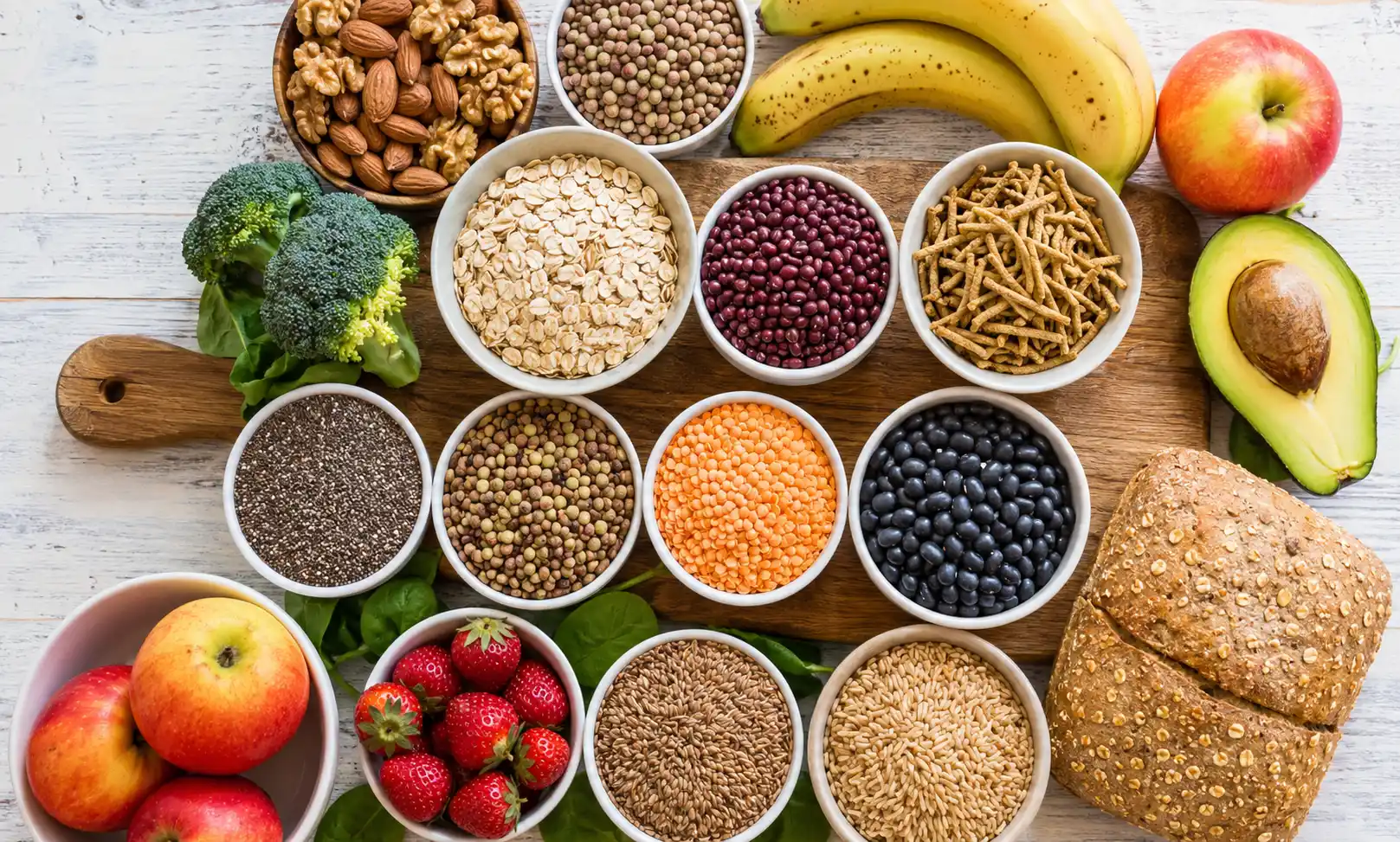
High fiber foods for weight loss are beans, lentils, oats, chia seeds, flaxseeds, berries, apples, pears, broccoli, avocados, and whole grains. Besides making you feel more satiated, these foods promote a healthy digestive system and might cause lower calorie intake, thereby helping you with weight control when combined with a healthy diet and regular physical activity.
Introduction
Trying to lose weight can be really frustrating if you're always hungry between meals. While many diets emphasize eating less, a very clever approach is to select foods that will keep you feeling full naturally. This is where high fiber foods for weight loss can come in handy. Fiber slows the process of digestion, helps in appetite control, promotes gut health, and might lessen the desire to snack all through the day. The nicest thing is that several tasty foods we eat regularly are naturally high in fiber. In this article, you will discover how fiber aids in maintaining a healthy weight, which foods are the most beneficial, how much you should consume daily, and easy ways of increasing fiber in your meals without making your diet a hassle.
Key Takeaways
-
Foods high in fiber make you feel full for longer periods of time, potentially leading to a decrease in overeating.
-
Different types of fiber, namely soluble and insoluble, contribute to your health in different ways.
-
The best natural sources of fiber include fruits, vegetables, legumes, whole grains, nuts, and seeds.
-
Gradually increasing the intake of fiber, accompanied by adequate hydration, helps ensure a smooth digestive process.
-
For effective weight loss, fiber intake should be combined with a well-rounded diet and regular exercise.
-
Whole foods in their natural state usually offer more health-related advantages than fiber supplements.
-
It's more important to be consistent than to constantly switch to restrictive diets.
What Are High Fiber Foods for Weight Loss?
Foods high in fiber contain large amounts of dietary fiber, which is a kind of carbohydrate that the body cannot digest completely. Different from sugars and starches, fiber mostly moves through the digestive system without being broken down, and it helps keep digestion regular and the body healthy.
For losing weight, fiber is great because it can make your meals more filling without extra calories. This leads to feeling full for a longer period after meals, which helps in managing portion sizes and cutting down on unnecessary snacking.
Most high-fiber foods are plant-based, such as vegetables, fruits, legumes, whole grains, nuts, and seeds. Besides fiber, these foods also contain many vitamins, minerals, antioxidants, and other plant compounds that benefit your health in many ways, not only by helping you shed pounds.
Rather than turning to strictly controlled diet plans, lots of experts in nutrition suggest constructing your meals around fiber-rich foods that are naturally packed with fiber, as they increase satiety and aid a well-rounded diet.
Direct Answer to the Primary Keyword
The most effective (high fiber foods for weight loss) offer not only a high amount of fiber but also a good mix of essential nutrients and moderate calories. Great picks are oats, lentils, beans, chickpeas, chia seeds, flaxseeds, apples, pears, raspberries, broccoli, Brussels sprouts, sweet potatoes, avocados, quinoa, barley, and whole-grain breads.
Such foods are beneficial for weight control because they:
-
Slowing digestion, so you stay full longer.
-
Supporting healthier blood sugar levels after meals.
-
Reducing the urge to snack frequently.
-
Encouraging healthy digestion and regular bowel movements.
-
Providing nutrients that support overall wellness.
Yet, a single food can't cause weight loss on its own. Fiber is most effective when it's combined with an overall healthy eating pattern that also includes lean protein, healthy fats, regular exercise, enough sleep, and mindful eating habits.
Complete Nutrition and Science Breakdown
Dietary fiber is generally divided into primary types, each playing an important role in health and weight management.
Soluble Fiber
When soluble fiber comes into contact with water, it forms a gel-like material inside the gut. The gel creation results in delayed gastric emptying and digestion, Because of this prolonging the sensation of fullness after eating. Also, it can contribute to the regulation of blood sugar levels as well as the support of cholesterol levels within the normal range.
Common sources include:
-
Oats
-
Barley
-
Apples
-
Citrus fruits
-
Beans
-
Lentils
-
Chia seeds
-
Flaxseeds
Insoluble Fiber
Insoluble fiber is the type of fiber that does not dissolve in water. Its main function is to increase the weight of stools and help to regulate bowel movements. A well-functioning digestive system may also help you to gradually change your eating habits and maintain your overall health.
Common sources include:
-
Whole wheat
-
Brown rice
-
Broccoli
-
Carrots
-
Leafy greens
-
Nuts
-
Seeds
Why Fiber Supports Weight Loss
Fiber supports healthy weight management through several mechanisms:
-
It increases feelings of fullness, helping reduce calorie intake naturally.
-
Chewing fiber-rich foods often takes longer, which may encourage slower eating.
-
Many high-fiber foods are less energy-dense, meaning they provide fewer calories per serving.
-
Fiber supports a healthy gut microbiome, which plays an important role in overall metabolic health.
-
Meals rich in fiber can help reduce sudden spikes and drops in blood sugar, making energy levels and appetite more stable throughout the day.
Studies indicate that individuals who regularly eat enough fiber generally have an easier time keeping a healthy weight than those who eat little fiber. Yet, fiber should be considered as only one element of a healthy lifestyle and not as a free-standing answer to losing weight.
Vitamins, Minerals, and Important Compounds in High Fiber Foods
High-fiber foods provide much more than nutritional fiber. They are obviously packed with essential nutrients that support overall fitness and create a more balanced and pleasurable weight loss eating plan.
Fiber
The main nutrient in these foods is fiber. For one thing, it really boosts satiety, which is why it is one of the most emphasized ingredients for weight loss. Besides that, it promotes digestion and slows down carbohydrate absorption. Fiber is the perfect combo of a natural aid for weight loss and a major one in the maintenance of good health.
Vitamin C
Vitamin C is a powerful antioxidant present in various fiber-packed fruits and vegetables like oranges, strawberries, broccoli, and bell peppers. This vitamin is crucial for one's immunity, collagen synthesis for skin rejuvenation, and cellular defense against oxidative damage.
Vitamin A
Sweet potatoes, carrots, spinach, and kale are all loaded with vitamin A. This vitamin is known for helping keep vision healthy and for the normal functioning of the immune system. it also helps the skin stay healthy. If you like vegetables that are brightly colored, then you should know that they often are the best source of this important nutrient.
Folate
Folate, which is another name for vitamin B9, can be obtained from food such as lentils, beans, chickpeas, asparagus, and leafy greens. It is crucial for cell growth, the synthesis of DNA, and the development of healthy red blood cells.
Potassium
Potassium can also alter fluid balance, muscle symptoms, and daily blood pressure. High-fiber foods that include bananas, avocados, potatoes, beans, and spinach are good herbal resources.
Magnesium
Magnesium supports loads of chemical reactions within the body, including muscle symptoms, neural fitness, strength production, and bone health. Nuts, seeds, legumes, oats, and whole grains provide beneficial amounts.
Iron
Iron is vital for oxygen transport all over the body. Plant-based sources that are rich in iron include lentils, beans, spinach, pumpkin seeds, and quinoa. Consuming these foods together with fruits or vegetables that contain vitamin C might enhance iron absorption.
Calcium
While dairy products are well known for calcium, many fiber-rich ingredients—including kale, broccoli, almonds, chia seeds, and white beans—add to your daily calcium intake
Antioxidants
Berries and colorful vegetables are great sources of antioxidants, which can be found in beans and whole grains, too. Antioxidants neutralize free radicals that, if unchecked, could cause damage to cells. Plus, your diet containing antioxidants can go hand in hand with your healthy lifestyle to give you good health for a long time.
Polyphenols
Polyphenols are beneficial plant compounds found in berries, apples, cocoa, tea, legumes, and whole grains. Research shows they will help with heart health, gut fitness, and metabolic wellness.
Prebiotics
Some foods that are rich in fiber act like prebiotics, i.e., they supply food to the good bacteria in your digestive system. Vegetables like onions, garlic, fruits like bananas, grains like oats, and green vegetables, such as asparagus and beans, help in keeping the good bacterial community of the gut healthy, which is now seen as a key thing for total well-being.
20 Best High Fiber Foods for Weight Loss
Choosing a number of fiber-rich foods is more effective than counting just one "superfood." Here are some satisfying options to tuck into your meal.
1. Lentils
Lentils are one of the richest natural sources of fiber and plant protein. This combination promotes fullness and makes a great addition to soups, salads, curries, and cereal bowls.
2. Black Beans
Black beans provide fiber, protein, magnesium, and iron. They cook slowly, adding texture and flavor to food and helping you live happily for longer.
3. Chickpeas
The sauce is versatile and paints beautifully on salads, stews, roasted snacks, or homemade hummus. Their combination of fiber and protein makes them especially filling.
4. Oats
Oats contain beta-glucan, a type of soluble fiber that is recognized for promoting fullness and helping with healthy cholesterol levels. Oatmeal is one of the best high-fiber breakfast options.
5. Chia Seeds
Even in small amounts, chia seeds are packed with fiber. When mixed with liquid, they shape a gel-like texture that can help enhance feelings of fullness.
6. Flaxseeds
Ground flaxseeds provide fiber with healthy omega-3 fats and plant compounds called lignans. They barely blend into smoothies, yogurt, or oatmeal.
7. Raspberries
Raspberries are one of the high-fiber fruits. They additionally provide vitamin C and antioxidants when craving pleasant sweets.
8. Pears
Pears contain soluble and insoluble fiber. Eating the skin provides more fiber, making it an easy snack.
9. Apples
Apples are rich in pectin, a soluble fiber that helps slow down digestion and support fullness. Keeping the peel on maximizes fiber intake.
10. Avocados
Avocados include fiber along with heart-healthy fat. Their creamy texture makes eating more enjoyable without relying on closely processed ingredients.
11. Broccoli
Broccoli is rich in fiber, vitamin C, vitamin K, and several beneficial plant compounds. It is filling but remarkably low in energy.
12. Brussels Sprouts
Brussels sprouts are another top-notch vegetable option. They add bulk to food and deliver fiber, antioxidants, and numerous nutrients at the same time.
13. Sweet Potatoes
Sweet potatoes integrate fiber with nutrients A and C, and enjoy it with the skin, providing extra fiber.
14. Quinoa
Quinoa gives more fiber than many micrograins at the same time and also provides complete protein, providing a nutritious foundation for a balanced diet.
15. Barley
Barley is rich in soluble fiber and works well in soups, salads, and cereal bowls. It promotes lasting fullness after meals.
16. Brown Rice
Brown rice has a bran layer that includes the majority of the grain’s fiber. It is generally more nutritious than delicate white rice.
17. Almonds
Almonds provide fiber, healthy fats, and protein. The soft part makes for a satisfying snack between meals.
18. Pumpkin Seeds
Pumpkin seeds also contribute fiber, magnesium, zinc, and healthy fats. Sprinkle them over salads or yogurt for extra crunch.
19. Spinach
Despite supplying fiber, iron, folate, and vitamin K, spinach is low in energy. It is easy to feature in smoothies, soups, and baked dishes
20. Green Peas
Green peas are an affordable, fibrous vegetable that still provides plant protein. They pair nicely with rice, pasta, and vegetable dishes.
Who Should Eat High Fiber Foods for Weight Loss?
Most healthy adults can benefit from adding extra fiber to their diet, especially when trying to control their weight.
High-fiber foods are especially suitable for:
-
Adults working toward healthy weight loss.
-
People who often feel hungry between meals.
-
Individuals looking to improve digestive health.
-
Those who want to eat fewer processed foods.
-
People aiming to support healthy cholesterol and blood sugar levels through a balanced diet.
-
Vegetarians and vegans are seeking nutrient-dense plant foods.
-
Anyone interested in long-term healthy eating habits rather than short-term dieting.
For many people, replacing micrograins and sugary snacks with obviously fiber-rich ingredients is a sensible first step towards healthier eating
Who Should Limit or Avoid High Fiber Foods?
While fiber is beneficial for most people, increasing it too quickly can also trigger temporary digestive pain.
You may need to adjust your fiber intake if you:
-
Have certain digestive conditions, such as inflammatory bowel disease, during flare-ups.
-
Experience intestinal narrowing or bowel obstruction.
-
Are recovering from gastrointestinal surgery.
-
Have been advised by a healthcare professional to follow a low-fiber diet.
-
Experience severe bloating or abdominal pain after eating high-fiber foods.
If you increase your fiber intake, accomplish that consistently over several weeks, drinking enough water for the duration of the day. This allows your digestive system to adapt more effortlessly.
Best Ways to Add More Fiber to Your Diet
Creating a high-fiber regimen doesn’t require dramatic changes. Small, steady conduct often makes the biggest difference.
-
Start your morning with oatmeal topped with berries and chia seeds.
-
Replace refined bread with whole-grain bread.
-
Add beans or lentils to soups, salads, and pasta dishes.
-
Eat whole fruits instead of drinking fruit juice.
-
Snack on nuts, roasted chickpeas, or fresh fruit instead of highly processed snacks.
-
Include vegetables in both lunch and dinner.
-
Choose brown rice, barley, or quinoa instead of refined grains when possible.
-
Keep the edible skins on apples, pears, and potatoes whenever appropriate.
-
Add spinach or kale to smoothies and omelets.
-
Increase fiber gradually while staying well hydrated.
Focus on making one or easy enhancements per week rather than aiming for perfection. Over time, these changes can appreciably increase your day-to-day fiber intake while aiding in healthier consumption habits.
Common Mistakes People Make
High-fiber foods are very good for you; several frequent errors can impair or even negate the benefits of high fiber intake. Knowing these errors and keeping away from them will definitely maximize your benefits when you follow a fiber-rich diet.
1. Increasing Fiber Too Quickly
A sudden shift from a low-fiber diet to a very high-fiber diet might cause bloating, gas, stomach cramps, or discomfort. On the contrary, gradually increase your fiber intake over several weeks so that your digestive system gets time to adjust.
2. Not Drinking Enough Water
Fiber takes in water when it moves along the digestive tract. Adding lots of fiber without adequate liquids might result in constipation rather than enhancing digestion. Make it a goal to hydrate by drinking water regularly during the day, especially if your diet is rich in whole grains, legumes, fruits, and veggies.
3. Depending Only on Fiber Supplements
Fiber supplements are sometimes useful, but they should never be considered a substitute for whole foods. Besides fiber, the vitamins, minerals, antioxidants, and various beneficial plant compounds found in fruits, vegetables, beans, nuts, and whole grains are beyond what supplements can offer.
4. Ignoring Portion Sizes
Among some other high-fiber foods, nuts, seeds, dried fruits, and avocados are relatively high in calories. Of course, they can be included in a healthy weight-loss diet. Still, if you eat a large amount of these foods, it will be more difficult to keep a calorie deficit.
5. Choosing Processed "High-Fiber" Foods
Many packaged snacks for sale bring fiber but can also contain huge amounts of sugar, sodium, or unhealthy fats. Whenever feasible, obviously fiber-rich whole foods should be prioritized over heavily processed alternatives.
6. Forgetting About Protein
Fiber helps manage hunger, but combining fiber with lean protein is often more enjoyable. Foods containing each vitamin are more likely to keep you full at meals.
7. Expecting Overnight Results
Fiber aids in managing a healthy weight, but it's not a miracle solution. Typically, sustainable weight loss results from having consistent eating patterns, engaging in regular physical exercise, getting quality sleep, and making overall lifestyle changes that last.
Expert Tips
Here are practical, evidence-based absolute techniques that can maximize a high fiber eating plan:
-
Aim for fiber at every meal. Include at least one fruit, vegetable, whole grain, or legume each time you eat.
-
Combine fiber with protein. Pair oatmeal with Greek yogurt, apples with peanut butter, or beans with grilled chicken for better satiety.
-
Replace refined carbohydrates. Swap white bread, white rice, and sugary cereals with whole-grain alternatives whenever possible.
-
Read nutrition labels carefully. Choose foods with higher fiber and lower added sugar to support overall health.
-
Prepare meals in advance. Keeping washed vegetables, cooked beans, and chopped fruit ready makes healthy choices easier.
-
Eat a variety of fiber-rich foods. Different plant foods provide different nutrients, so aim for a colorful mix throughout the week.
-
Be patient and consistent. Healthy weight loss is gradual. Focus on building sustainable habits rather than chasing rapid results.
Frequently Asked Questions
What are the best high fiber foods for weight loss?
Some high-fiber foods are mostly helpful for weight loss. These could be lentils, beans, oats, chia seeds, flaxseeds, apples, pears, raspberries, broccoli, Brussels sprouts, avocados, and whole grains. They help you feel fuller, improve your digestion, and offer you the essential nutrients. Besides that, not just one single food, but having more than one fiber-rich option during the day will give you the greatest benefits with nutrition, and at the same time, you will be able to maintain a balanced diet.
How much fiber should I eat each day to lose weight?
It is not possible to say that a certain amount of fiber will always lead to weight loss, but the major health bodies suggest that 25 grams is a suitable amount for most adult women and 38 grams for most adult men, whereas the requirement slightly decreases after 50. Including such an amount of fiber in your diet, mainly via whole foods, will probably increase satiety and Because of this facilitate healthy eating. The fiber needs of different individuals will depend on factors such as their age, health condition, and total diet.
Can high fiber foods reduce belly fat?
Eating foods that are high in fiber will not necessarily help you reduce belly fat. To be exact. Then again, they can assist in your total weight loss as they induce a sense of fullness for a longer period, thereby leading to reduced calorie intake and healthier eating habits. When body fat is reduced by healthy eating and exercise, belly fat is also likely to decrease. There's no scientific proof supporting the idea of picking a body part and losing fat there.
Which fruit has the most fiber?
Various fruits naturally have a high content of fiber. For instance, raspberries, blackberries, pears, apples with the skin, avocados, and passion fruit contain the largest amount of fiber. Typically, consuming whole fruit rather than fruit juice is seen as the best way since whole fruits preserve their inherent fiber and give you the feeling of fullness for a longer time.
Are oats good for weight loss?
Yes. Oats can be a great food to include in weight-loss diets as they are excellent sources of beta-glucan, a kind of soluble fiber that retards digestion and enhances satiety. And, oats offer vitamins and minerals, with complex carbohydrates that deliver a steady supply of energy. Opting for plain oats rather than instant varieties that are loaded with sugar is the healthier choice most of the time.
Is it possible to eat too much fiber?
Sure. Eating very high amounts of fiber, in particular if your intake is ramped up quickly, can cause bloating, gas, stomach pains, or even constipation without enough fluids. Slowly add fiber while drinking sufficient water to reduce these symptoms. Consult a medical professional if you continue to experience digestive problems.
Are fiber supplements as effective as whole foods?
Fiber supplements might be useful for a few people to boost their fiber consumption on a daily basis. Still, they must not be a substitute for fiber-rich whole foods. Whole foods contain vitamins, minerals, antioxidants, and various types of plant compounds that supplements cannot give in the same way. Most often, get the bulk of your fiber through a diversified diet that consists of fruits, vegetables, legumes, whole grains, nuts, and seeds.
What is the best breakfast for increasing fiber intake?
Oatmeal with berries and chia seeds, whole-grain toast with avocado, or Greek yogurt with fruit, flaxseeds, and nuts are all examples of meals that can provide a balance to your breakfast. Pairing the fiber content with proteins and good fats not only gives you a filling meal but might also help to curb your hunger for the rest of the day and maintain your good dietary habits.
Conclusion
Adding high fiber foods for weight loss to your daily meals is one of the most practical and sustainable ways to support healthy eating. Beans, lentils, oats, fruits, vegetables, nuts, seeds, and whole grains are examples of fiber-rich foods that are also loaded with vitamins, minerals, and nutrients that play a role in health and well-being.
Obviously, fiber alone won't result in weight loss, but an adequate intake may help you feel full for a longer time, enhance digestion, and assist in the maintenance of healthy eating habits. As a rule of thumb, choosing different naturally high fiber foods in your diet, raising your fiber consumption step by step, ensuring sufficient hydration, and pairing your diet with regular exercise and other healthy lifestyle measures will yield the best results. Typically, minor and steady changes are the key to enduring success.
Article Summary
-
High fiber foods for weight loss not only raise the feeling of fullness and help healthy digestion, but when part of a balanced diet, they may even lead to a decrease in total calorie consumption.
-
Top-notch, fiber-laden picks are lentils, beans, oats, chia seeds, flaxseeds, various berries, apples, pears, broccoli, avocados, and whole grains.
-
Both soluble and insoluble types of fiber have distinct effects on the digestive system, the regulation of appetite, and one's overall health.
-
If one ensures to drink enough water, a slow increment in fiber consumption will be effective in reducing gastrointestinal troubles and promoting regularity.
-
Managing weight effectively over the years is easier if one includes plenty of fiber-rich foods in the diet, with other factors like sound nutrition, frequent workouts, getting enough sleep, and sticking to healthy practices.
Comments ( 0)
Leave a Comment
No comments yet. Be the first to comment!