

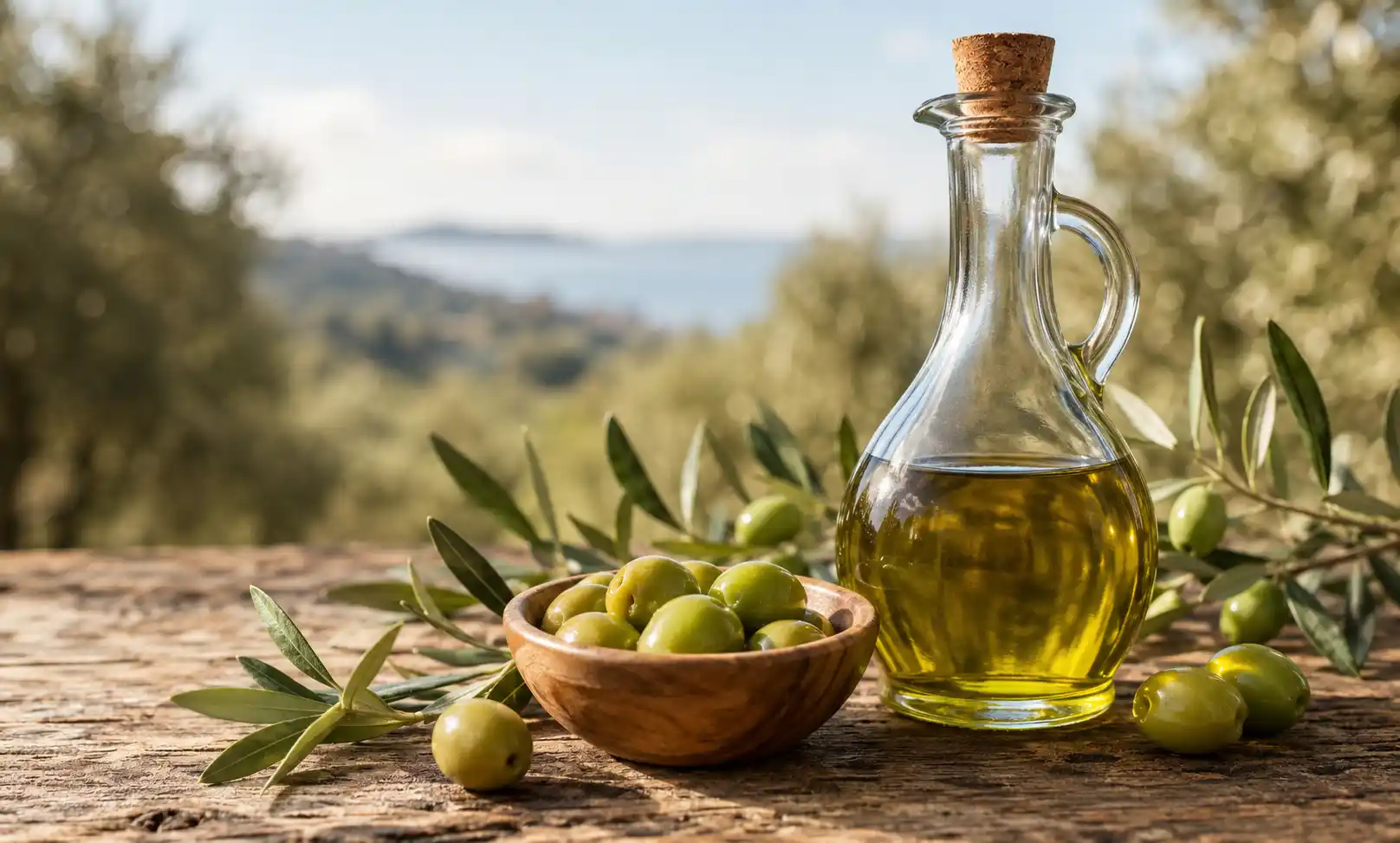
Olive oil's health benefits are quite extensive. They involve maintaining heart health, lessening inflammation, shielding cells against oxidative harm, boosting digestion, increasing healthy cholesterol levels, and, if eaten in moderate amounts, also aiding in weight control. Extra virgin olive oil contains plenty of healthy monounsaturated fats and antioxidants, which is why it is considered one of the healthiest oils to be part of a balanced diet.
Introduction
Olive oil has been a prominent figure in the diets of the Mediterranean region for hundreds of years, and even now, it is among the best-tasting and healthiest oils available. So what exactly sets it apart? Is olive oil really as good for you as people say, or is it another fad food?
Actually, the health advantages of olive oil are being confirmed by an increasing number of studies. Extra virgin olive oil is rich in monounsaturated fats, which are good for your heart. It is loaded with antioxidants and also contains beneficial plant compounds that can help keep the body away from diseases and, at the same time, improve overall health. But the nutritional value of olive oil varies greatly from one bottle to another, and how you use it is just as important as choosing the right type. Here is a comprehensive guide that covers all aspects, including nutrition information, health advantages based on scientific research, and useful everyday tips.
Key Takeaways
-
Extra virgin olive oil is the healthiest type because it is minimally processed.
-
Rich in monounsaturated fats that support heart health.
-
Contains antioxidants that help reduce oxidative stress.
-
May support healthy weight management when replacing unhealthy fats.
-
Provides vitamin E, vitamin K, and beneficial plant compounds.
-
Best consumed as part of a balanced diet rather than as a standalone health food.
-
Proper storage helps preserve its nutritional quality.
What Is Olive Oil?
Olive oil is a natural oil obtained from the fruit of the olive tree (Olea europaea). It has been made for millennia and forms an important part of the Mediterranean diet, one of the most widely studied healthy eating regimes. Extra virgin, refined, and pure olive oil are a few forms of olive oil.
Extra virgin olive oil is desirable as it is produced by mechanical methods without any refining, which allows its qualities of flavor and health-protective antioxidants to be retained. People use olive oil in various ways, like for cooking, roasting, baking, in salad dressings, marinades, or finishing on vegetables, pasta, and breads.
The presence of good fats and bioactive compounds is what makes olive oil different from other cooking oils.
Olive Oil Health Benefits
The main health benefits of olive oil are attributed to its abundant monounsaturated fats, in particular oleic acid, and antioxidants, including polyphenols and vitamin E. These components work synergistically to safeguard cells, foster a healthy heart, mitigate inflammation, and enhance general health.
Olive oil can deliver its greatest health benefits when it substitutes unhealthy fats like butter or hydrogenated oils, instead of just being included in a calorie-rich diet.
Complete Nutrition Breakdown
One tablespoon (about 14 grams) of olive oil is estimated to contain 119 calories and almost 14 grams of fat. A significant portion of this fat is monounsaturated fat, which is very beneficial for the heart, and the remaining part is made of polyunsaturated and saturated fat.
| Nutrient | Amount (1 Tbsp) | Benefit |
| Calories | 119 | Energy source |
| Total Fat | 13.5 g | Healthy dietary fat |
| Monounsaturated Fat | 9.8 g | Supports heart health |
| Polyunsaturated Fat | 1.4 g | Essential fatty acids |
| Saturated Fat | 1.9 g | Lower than butter |
| Vitamin E | Small amount | Antioxidant protection |
| Vitamin K | Small amount | Supports bone and blood health |
| Polyphenols | Naturally present | Protect cells from oxidative stress |
Vitamins, Minerals, and Important Compounds
Vitamin E
Vitamin E acts as an antioxidant, helping to protect cells from unbound radical damage. Additionally helps with healthy skin and contributes to everyday immune functions.
Vitamin K
Vitamin K plays an important role in blood clotting and maintaining strong bones. While olive oil is not always the richest source, it does contribute to daily intake.
Oleic Acid
The number one monounsaturated fat in olive oil is oleic acid. Studies advise that replacing saturated fats with foods rich in oleic acid can additionally help with healthy cholesterol levels.
Polyphenols
Polyphenols are natural plant antioxidants that have been discovered in extra virgin olive oil. These compounds can help reduce infection and protect blood vessels from oxidative damage.
Squalene
Squalene is a naturally occurring antioxidant compound that has been studied for its potential role in skin fitness and mobile protection.
Plant Sterols
Plant sterols occur naturally in olive oil and can contribute to maintaining healthy levels of cholesterol when eaten as part of a balanced eating regimen
Health Benefits Backed by Science
Heart Health
Olive oil is most commonly recognized as a great way to promote heart health. If you swap saturated fats with olive oil, it could be instrumental in maintaining good cholesterol levels while also promoting proper functioning of the blood vessels. Besides that, polyphenols also play a role in shielding the arteries from oxidative stress.
Bone Health
Research shows that Mediterranean-style consumer styles that include olive oil can additionally support stronger bones. The antioxidants in olive oil can additionally help reduce irritation, which can have effects on bone tissue over the years.
Muscle Health
Healthy fat provides electricity for muscle groups and increases absorption of fat-soluble nutrients. Olive oil additionally contains antioxidants that can help reduce exercise-related oxidative stress.
Digestive Health
Olive oil supports normal digestion by helping to encourage healthy digestive function. Combined with fiber-rich foods and adequate water, it can contribute to normal stool flow.
Immune Support
Vitamin E and natural antioxidants help protect immune cells from oxidative damage. Olive oil works well alongside a universal healthy lifestyle, preferably as an immune enhancer.
Weight Management
Although olive oil incorporates energy, it can be suitable as a weight loss diet when used in moderation. Healthy fats increase feelings of fullness, which can also help reduce overeating.
Eye Health
The antioxidants and vitamin E present in olive oil safeguard the cells all over the body, including the cells in the eyes. Combining olive oil with colorful vegetables not only enhances the absorption of carotenoids but also includes lutein and zeaxanthin.
Brain Health
Healthy fats are important for the characteristics of the mind. Research suggests that diets rich in olive oil may also help people with healthy cognitive symptoms as they age, though more research continues.
Skin Health
Vitamin E and healthy fats help maintain the skin’s protective barrier. Regular dietary intake of olive oil helps pores and skin internally, while topical use can even benefit certain people and should not replace proper skin care
Anti-Inflammatory Effects
Extra virgin olive oil includes oleocanthal, a natural compound that has anti-inflammatory properties. While not always a pharmaceutical drug, taking it regularly can help aid in a balanced inflammatory response.
Olive Oil Compared With Other Oils
Butter: High in saturated fat and cholesterol. Olive oil is generally considered a healthier option.
Coconut oil: contains excess saturated fat. Coconut oil has precise applications, and olive oil has stronger evidence to support heart health.
Canola oil: Both contain healthy fats, but more virgin olive oil presents additional antioxidants and herbal polyphenols.
Who Should Use Olive Oil?
Olive oil is suitable for most healthy adults, including:
-
People following a heart-healthy eating plan
-
Adults looking to replace saturated fats
-
Individuals following Mediterranean-style diets
-
People want healthier cooking oils
-
Older adults interested in healthy aging
Who Should Limit or Avoid Olive Oil?
Although healthy, olive oil may not be appropriate in unlimited quantities.
People who should be cautious include:
-
People who are cutting calories will have to keep an eye on their portions.
-
Yet, people with olive allergies might be at risk, although it is very rare.
-
If you take blood-thinning drugs, it is best to talk with your doctor about keeping your vitamin K intake consistent.
-
If you have trouble digesting high-fat meals, it would be good to eat less of them.
Best Ways to Use Olive Oil
-
Drizzle over salads instead of creamy dressings.
-
Roast vegetables with olive oil.
-
Use for sautéing over moderate heat.
-
Add to soups after cooking.
-
Mix with herbs for a healthy bread dip.
-
Replace butter in many recipes.
-
Use in homemade marinades.
Common Mistakes People Make
-
Buying low-quality olive oil without checking labels.
-
Storing olive oil near heat or sunlight.
-
Assuming all olive oils have the same nutritional value.
-
Using excessive amounts because it is considered "healthy."
-
Ignoring expiration dates.
-
Believing that olive oil alone can prevent disease.
-
Reusing overheated cooking oil multiple times.
Expert Tips
-
Choose extra virgin olive oil whenever possible.
-
Store bottles in a cool, dark place.
-
Purchase smaller bottles if you use it slowly.
-
Replace butter with olive oil in many meals.
-
Pair olive oil with vegetables to improve nutrient absorption.
-
Measure portions instead of pouring freely.
-
Combine olive oil with an overall healthy lifestyle for the best results.
Frequently Asked Questions
Is olive oil healthy to eat every day?
Yes. For most people, having a moderate daily intake of olive oil can fit right into a healthy diet. Sometimes the best way to get the health benefits of olive oil is to use it instead of saturated fats, rather than just adding it to your dishes. Yet, controlling the amount is still very crucial since olive oil is high in calories.
Which olive oil is the healthiest?
Extra virgin olive oil is usually the healthiest choice as it is least processed and, because of this, has the highest amounts of antioxidants and polyphenols. Besides, it keeps its natural taste much better than the more refined types.
Can olive oil help with weight loss?
Olive oil can be part of a diet that promotes weight loss if it's used to swap other less healthy fats. The oil is rich in good fats, which might assist in making you feel fuller and more satisfied after a meal. That's why sticking to a healthy eating plan would be easier.
Is it safe to cook with olive oil?
Yes. Extra virgin olive oil is suitable for most home cooking techniques, which include sautéing, roasting, and baking. It works well below the normal cooking temperature used in home kitchens.
How much olive oil should I consume daily?
No one-size-fits-all recommendation exists. But a lot of healthy eating patterns incorporate one to two tablespoons daily as part of a balanced diet. Your personal needs will vary based on your calorie requirements and overall eating habits.
Does olive oil reduce inflammation?
Extra virgin olive oil includes organic compounds like oleocanthal and polyphenols that can be beneficial for a balanced inflammatory reaction. But, it should be considered only a component of a healthy diet altogether and not as a remedy.
What is the difference between extra virgin and regular olive oil?
It is probably less known that extra virgin olive oil is the one that is less processed and it retains more antioxidants, vitamins, and flavors of nature. The regular or the refined one has to go through a process of modifications that consists of several stages, and it is during this process that, apart from the beneficial compounds, a few of those get lost too.
Who should avoid consuming too much olive oil?
Individuals who either require calorie restriction, have specific digestive problems, or have been given dietary fat management by their healthcare provider are to limit the intake of olive oil. Similar to any fat, an overdose can bring weight gain.
Conclusion
The various health benefits of olive oil account for olive oil being considered one of the healthiest fats you can add to your diet. Filled with monounsaturated fats, antioxidants, and health-promoting plant chemicals, olive oil enhances heart health, protects cells against the damage caused by oxidative stress, and is a good contributor to healthy old age. Plus, it gets well incorporated into balanced eating patterns. Opting for high-quality extra virgin olive oil, consuming it moderately, and eating plenty of fruits, vegetables, whole grains, lean proteins, alongside regular physical activity, provides the biggest health advantage over time. Instead of thinking of olive oil as a miracle food, consider it as one healthy piece of a wholesome lifestyle.
Article Summary
-
The most nutritious type of olive oil is extra virgin because it has the greatest amount of antioxidants.
-
Olive oil is useful for the heart, cholesterol balance, and general well-being.
-
Oleic acid and polyphenols deliver most of their positive effects.
-
A balanced diet dictates the healthy inclusion of small amounts of olive oil daily.
-
The nutritional properties of olive oil can be preserved by storing it properly and selecting good-quality oil.


Comments ( 0)
Leave a Comment
No comments yet. Be the first to comment!