


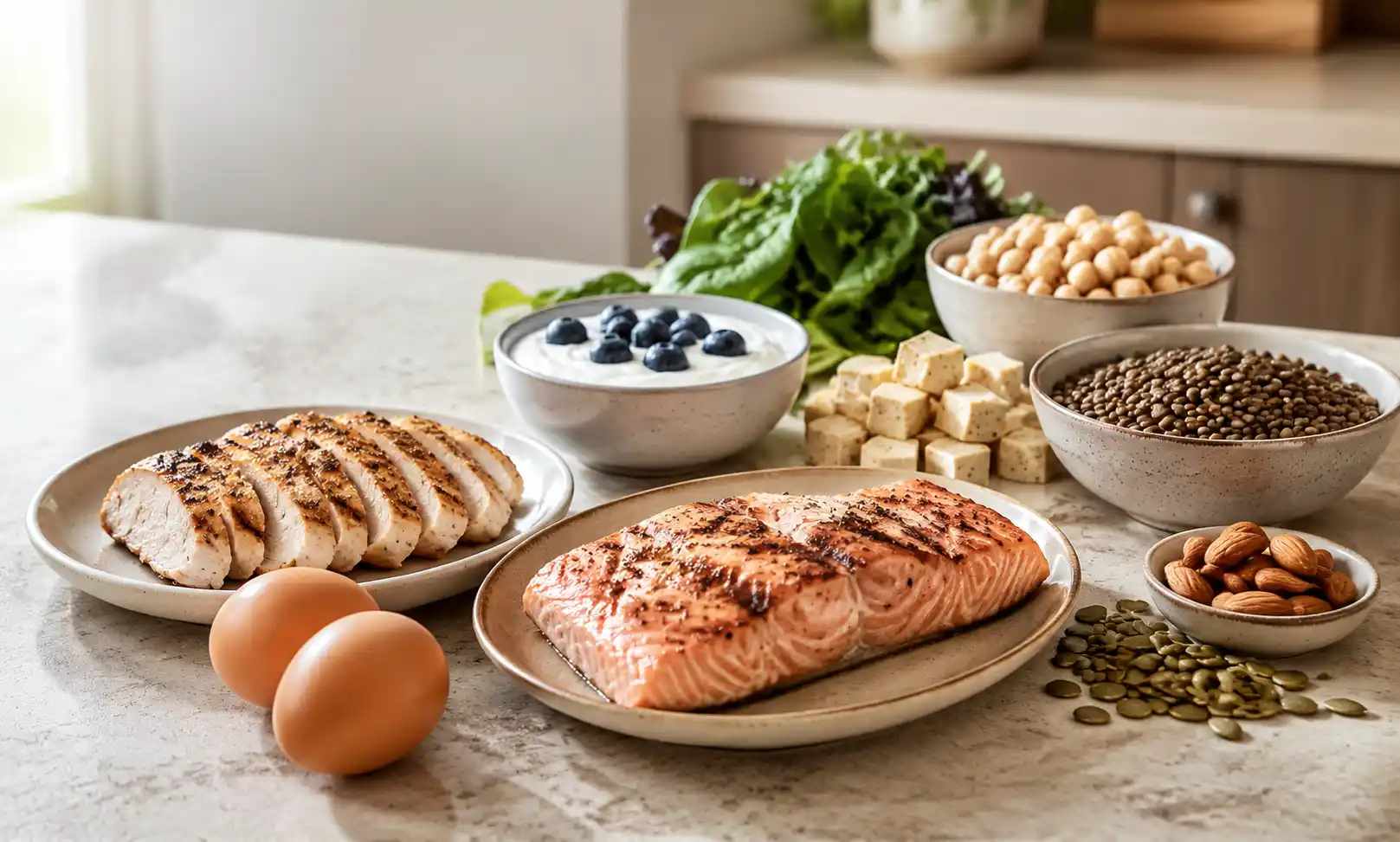
A high-protein breakfast includes foods such as eggs, Greek yogurt, cottage cheese, beans, tofu, fish, or lean poultry. It can help people feel fuller for longer, support muscle maintenance, and provide steady energy as part of an overall balanced eating pattern.
Table of Contents
-
Key Takeaways
-
What Is a High Protein Breakfast?
-
Why Protein at Breakfast Matters
-
Best Animal-Based Protein Foods for Breakfast
-
Plant-Based Protein Foods for Breakfast
-
High Protein Breakfast Ideas
-
How to Build a Balanced Morning Meal
-
Common High Protein Breakfast Misconceptions
-
How to Choose Packaged Protein Breakfast Foods
-
Frequently Asked Questions
-
Conclusion
Key Takeaways
-
Protein is an essential nutrient that supports muscle, tissue, enzyme, and immune functions.
-
A protein-rich breakfast may help reduce mid-morning hunger for some people.
-
Whole-food protein sources also provide vitamins, minerals, and other useful nutrients.
-
Both plant and animal foods can contribute to a high-protein breakfast.
-
Individual protein needs vary based on age, activity level, health status, and overall diet.
What Is a High Protein Breakfast?
A high-protein breakfast is a morning meal built around foods that provide a meaningful amount of protein. Protein is one of the three main macronutrients, along with carbohydrates and fats. It is made from amino acids, which the body uses to build and repair tissues and create important compounds.
There is no single protein amount that defines every high-protein breakfast. What feels high in protein can depend on a person’s usual eating pattern, body size, activity level, and total daily food intake. In general, the meal contains more protein than a breakfast made mostly of refined grains, sugary cereals, pastries, or sweetened drinks.
A balanced breakfast can include protein alongside fiber-rich carbohydrates and healthy fats. For example, eggs with vegetables and whole-grain toast, plain Greek yogurt with berries and oats, or tofu with beans and greens can provide several nutrients in one meal.
Why Protein at Breakfast Matters
Protein has many important roles in the body. It helps maintain muscles, skin, bones, blood, and organs. It also contributes to enzyme, hormone, and immune system functions. Because protein is necessary throughout life, it is useful to include protein-containing foods across the day.
Some research suggests that eating protein at breakfast may increase feelings of fullness more than a low-protein breakfast. This may happen because protein can influence appetite-related signals and often takes longer to digest than highly refined carbohydrates. However, appetite responses vary. A breakfast that satisfies one person may not have the same effect for another.
Protein may also support muscle maintenance, especially when paired with regular physical activity and adequate energy from the overall diet. This does not mean that one breakfast alone creates major changes. Long-term eating patterns, physical activity, sleep, and many other factors matter.
A protein-rich breakfast may also help make morning meals more satisfying. When breakfast includes protein, fiber, and healthy fats, it can offer steadier energy than meals dominated by added sugars. Current evidence supports balanced dietary patterns rather than focusing on a single nutrient alone.
Best Animal-Based Protein Foods for Breakfast
Eggs are one of the most familiar breakfast protein foods. One large egg provides about 6 grams of protein, along with nutrients such as choline, selenium, vitamin B12, and vitamin D in varying amounts. Eggs can be boiled, scrambled, poached, or added to vegetable-based dishes.
Greek yogurt is another popular choice. Compared with many regular yogurts, strained Greek yogurt is often higher in protein. Plain versions can be paired with fruit, nuts, seeds, oats, or cinnamon. Choosing unsweetened yogurt may help limit added sugars.
Cottage cheese has a mild flavor and can work in sweet or savory breakfasts. It provides protein and calcium, although sodium levels vary by product. It can be served with tomatoes, cucumber, fruit, whole-grain crackers, or cooked oats.
Fish, including salmon, can also be part of breakfast. Salmon provides protein, vitamin D, selenium, and omega-3 fats. It can be added to whole-grain toast, eggs, or a vegetable plate. Lean poultry, such as leftover roasted chicken or turkey, may also provide a practical source of protein.
Plant-Based Protein Foods for Breakfast
A high-protein breakfast does not need to include animal foods. Plant-based choices can provide protein, fiber, potassium, folate, magnesium, and protective plant compounds.
Tofu is made from soybeans and is a versatile breakfast food. Firm tofu can be crumbled and cooked with vegetables to create a scramble-style meal. It provides protein and may contain calcium when made with calcium salts.
Beans and lentils are often overlooked at breakfast, yet they are nutritious choices. They provide protein, fiber, iron, potassium, and complex carbohydrates. Black beans can be included in a breakfast bowl with vegetables, avocado, and whole grains. Lentils can be added to soups, savory oats, or grain bowls.
Tempeh is another soy food with a firmer texture and nutty flavor. It is fermented and provides protein, fiber, and several minerals. Edamame, the young form of soybeans, can also be added to savory breakfast bowls.
Nuts, seeds, nut butters, oats, and whole grains contain some protein, although they are usually not as protein-dense as eggs, dairy, meat, soy, or legumes. Combining these foods with other protein sources can produce a more balanced meal.
High Protein Breakfast Ideas
A practical breakfast does not need to be complicated. The goal is to combine protein with foods that taste good and fit a person’s culture, schedule, and budget.
Here are easy ideas:
-
Vegetable omelet with whole-grain toast and fruit
-
Plain Greek yogurt with berries, oats, walnuts, and chia seeds
-
Cottage cheese with sliced peach, cinnamon, and pumpkin seeds
-
Tofu scramble with spinach, mushrooms, beans, and corn tortillas
-
Overnight oats made with Greek yogurt, milk, oats, and berries
-
Whole-grain toast topped with egg, avocado, and tomato
-
Black bean breakfast bowl with brown rice, salsa, greens, and avocado
-
Leftover salmon with roasted vegetables and a small whole-grain side
-
Savory oatmeal with tofu, vegetables, and sesame seeds
-
Lentil soup with a slice of whole-grain bread and fruit
These examples are flexible. Ingredients can be changed based on availability, taste, allergies, cultural preferences, and dietary patterns.
How to Build a Balanced Morning Meal
A high-protein breakfast is more useful when it includes other important nutrients. Protein alone may not provide enough fiber, carbohydrates, healthy fats, or micronutrients for a complete meal.
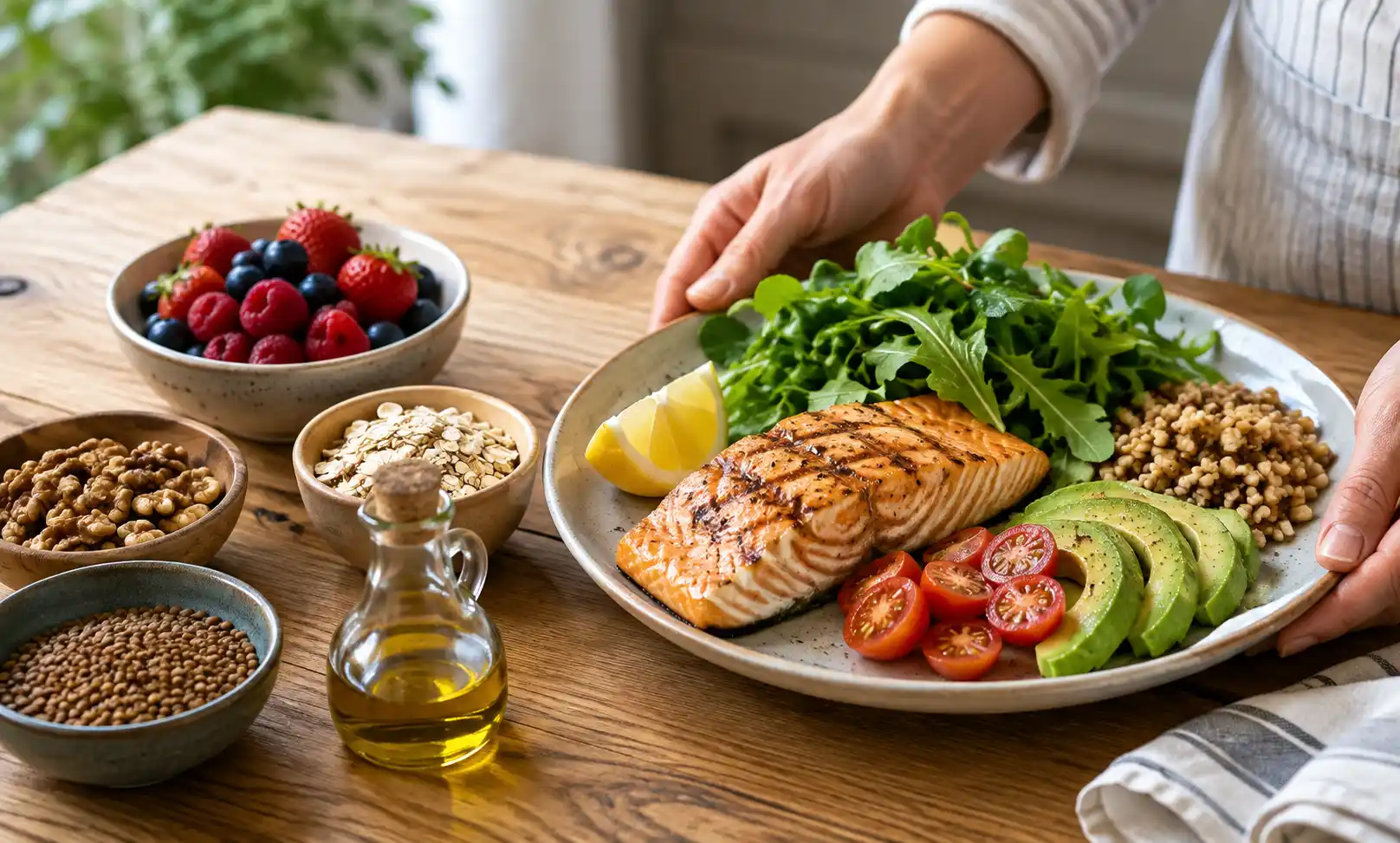
Start with one protein food, such as eggs, yogurt, tofu, beans, cottage cheese, or fish. Then add a fiber-rich carbohydrate, including fruit, oats, whole-grain bread, beans, or vegetables. Finally, include a source of healthy fat when appropriate, such as avocado, nuts, seeds, olive oil, or nut butter.
Fiber deserves special attention. Many adults do not eat enough fiber, yet it supports digestive health and can help meals feel satisfying. Fruits, vegetables, beans, whole grains, nuts, and seeds are good sources of fiber.
Colorful produce also provides vitamins, minerals, antioxidants, and polyphenols. Berries offer vitamin C and plant pigments. Leafy greens provide folate and vitamin K. Tomatoes contain lycopene, while oranges and other citrus fruits contribute vitamin C.
Common High Protein Breakfast Misconceptions
One common misconception is that a high-protein breakfast must involve meat every day. In reality, eggs, dairy foods, soy foods, beans, lentils, and other plant foods can provide protein. Variety may help improve overall nutrient intake.
Another misconception is that protein automatically makes a breakfast healthy. A meal can be high in protein but also high in added sugars, sodium, or saturated fat. The broader food pattern matters. Choosing minimally processed foods more often can support a balanced diet.
Some people believe skipping carbohydrates makes breakfast healthier. Carbohydrates are not automatically unhealthy. Whole grains, fruit, beans, and vegetables provide fiber and nutrients. The type and quality of carbohydrates often matter more than simply avoiding them.
It is also inaccurate to assume everyone needs the same amount of protein. Individual nutrition needs vary. Factors such as age, activity, pregnancy, medical conditions, food access, and personal eating patterns can affect dietary needs.
How to Choose Packaged Protein Breakfast Foods
Busy mornings may make packaged foods appealing. Some options, such as plain yogurt, reduced-sugar cottage cheese, canned beans, frozen vegetables, or unsweetened soy products, can be useful staples. Reading food labels can help compare protein, added sugars, saturated fat, and sodium.
Protein bars, shakes, cereals, and flavored yogurts may contain protein, but their nutrition quality varies widely. Some are also high in added sugar or low in fiber. Whole foods are not always required, but they often provide a wider range of nutrients.
For people with food allergies or dietary restrictions, labels are especially important. Dairy, eggs, soy, nuts, wheat, and sesame are common allergens. Food choices can be adjusted to suit various eating patterns while still meeting the main goal of including protein.
Frequently Asked Questions
Is a high-protein breakfast good for everyone?
A high-protein breakfast can fit many eating patterns, but individual needs differ. Some people may prefer lighter morning meals, while others may have medical or dietary restrictions that affect protein choices. General nutrition information cannot replace advice from a qualified healthcare professional who knows an individual’s health history.
Can oats be part of a high-protein breakfast?
Yes. Oats contain some protein and valuable soluble fiber, but they are usually not a major protein source on their own. Pairing oats with Greek yogurt, milk, soy milk, cottage cheese, nuts, seeds, or nut butter can produce a more protein-rich, balanced breakfast.
Are plant proteins complete proteins?
Some plant foods, especially soy foods such as tofu, tempeh, and edamame, provide all essential amino acids. Other plant foods can also contribute to overall protein intake. Eating a variety of legumes, grains, nuts, seeds, vegetables, and soy foods throughout the day supports a diverse amino acid profile.
Is Greek yogurt better than regular yogurt?
Greek yogurt is often higher in protein because it is strained, but regular yogurt can also be nutritious. The best choice depends on personal taste, budget, ingredients, added sugar, and dietary needs. Plain varieties are commonly lower in added sugar than flavored products.
Can breakfast protein help with weight management?
Research suggests protein may support fullness for some people, but it is not a guaranteed weight-management solution. Body weight is influenced by many factors, including overall dietary patterns, physical activity, sleep, stress, health conditions, and the social environment. Individual responses can differ.
Conclusion
A high-protein breakfast can be a simple way to include important nutrients early in the day. Eggs, yogurt, cottage cheese, tofu, beans, lentils, fish, nuts, and seeds all offer useful options. Pairing protein with fiber-rich foods, colorful produce, and healthy fats creates a more complete meal. The most sustainable breakfast is one that is nutritious, enjoyable, accessible, and suited to one's individual preferences.
Disclaimer: This article is intended for educational and informational purposes only. It is not medical advice and should not be used as a substitute for professional medical evaluation, diagnosis, or treatment.


Comments ( 0)
Leave a Comment
No comments yet. Be the first to comment!