

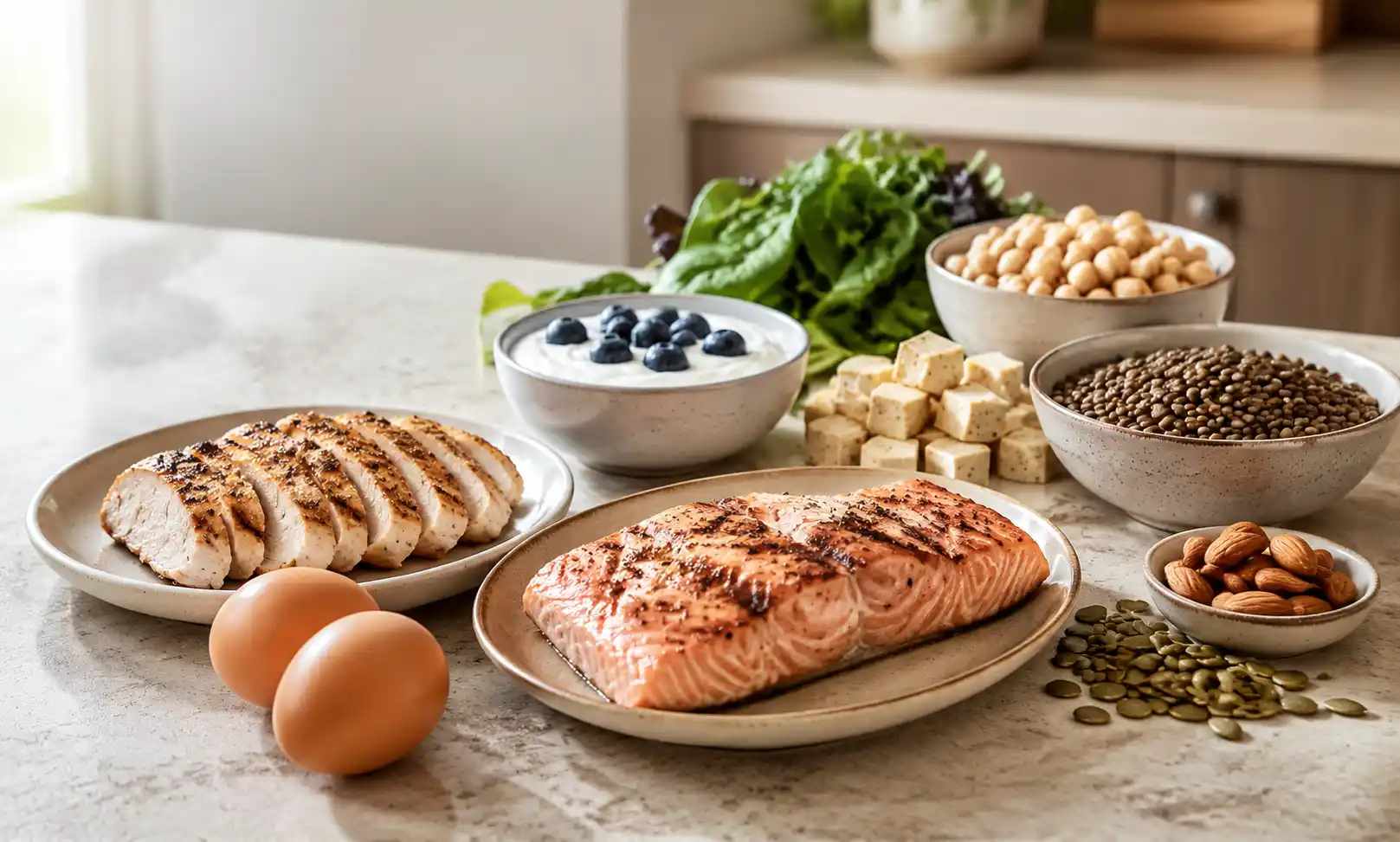
High-protein foods supply protein for building tissues and making enzymes. Eggs, fish, beans, yogurt, tofu, poultry, and nuts can provide protein with other nutrients.
Table of Contents
-
Key Takeaways
-
Introduction
-
What Are High Protein Foods?
-
Why Protein Matters in Nutrition
-
Animal-Based High Protein Foods
-
Plant-Based High Protein Foods
-
Protein Quality and Food Variety
-
How High Protein Foods Fit Into Meals
-
Possible Downsides and Considerations
-
Choosing, Storing, and Preparing Protein Foods
-
Making High Protein Choices More Practical
-
Frequently Asked Questions
-
Conclusion
Key Takeaways
-
Protein is a macronutrient involved in many everyday body functions.
-
High-protein foods can come from both animal and plant sources.
-
Plant proteins often bring fiber and beneficial plant compounds.
-
Variety helps provide protein and other nutrients.
-
Food safety, preparation, and personal health circumstances still matter.
Introduction
Protein is often linked with exercise, weight management, and healthy meals, but it is not only for athletes. Everyone uses it for normal body functions. Protein grams alone do not tell the whole story: fiber, fats, vitamins, minerals, preparation, and the overall diet matter too. This guide explains high-protein foods in balanced eating.
What Are High-Protein Foods?
High-protein foods contain a meaningful amount of protein relative to their serving size or calorie content. There is no single official cutoff that applies to every food and every person. In everyday nutrition conversations, the term commonly describes foods that make protein a central part of a meal or snack.
Protein is made from smaller building blocks called amino acids. The body can make some amino acids, while others must come from food. Animal foods generally contain all essential amino acids in substantial amounts. Many plant foods contain them too, although the balance differs among foods. Eating a varied diet throughout the day can naturally provide complementary amino acids.
Why Protein Matters in Nutrition
Protein helps form and repair body tissues, including muscle, skin, and organs. These roles explain why protein is essential, but they do not mean one food can independently create a health outcome.
Protein-rich meals may feel satisfying because protein can slow digestion and influence appetite-related signals. Hunger is affected by sleep, routine, food texture, stress, fiber intake, and many other factors. A balanced plate provides a broader view than focusing on a single nutrient.
Animal-Based High Protein Foods
Eggs
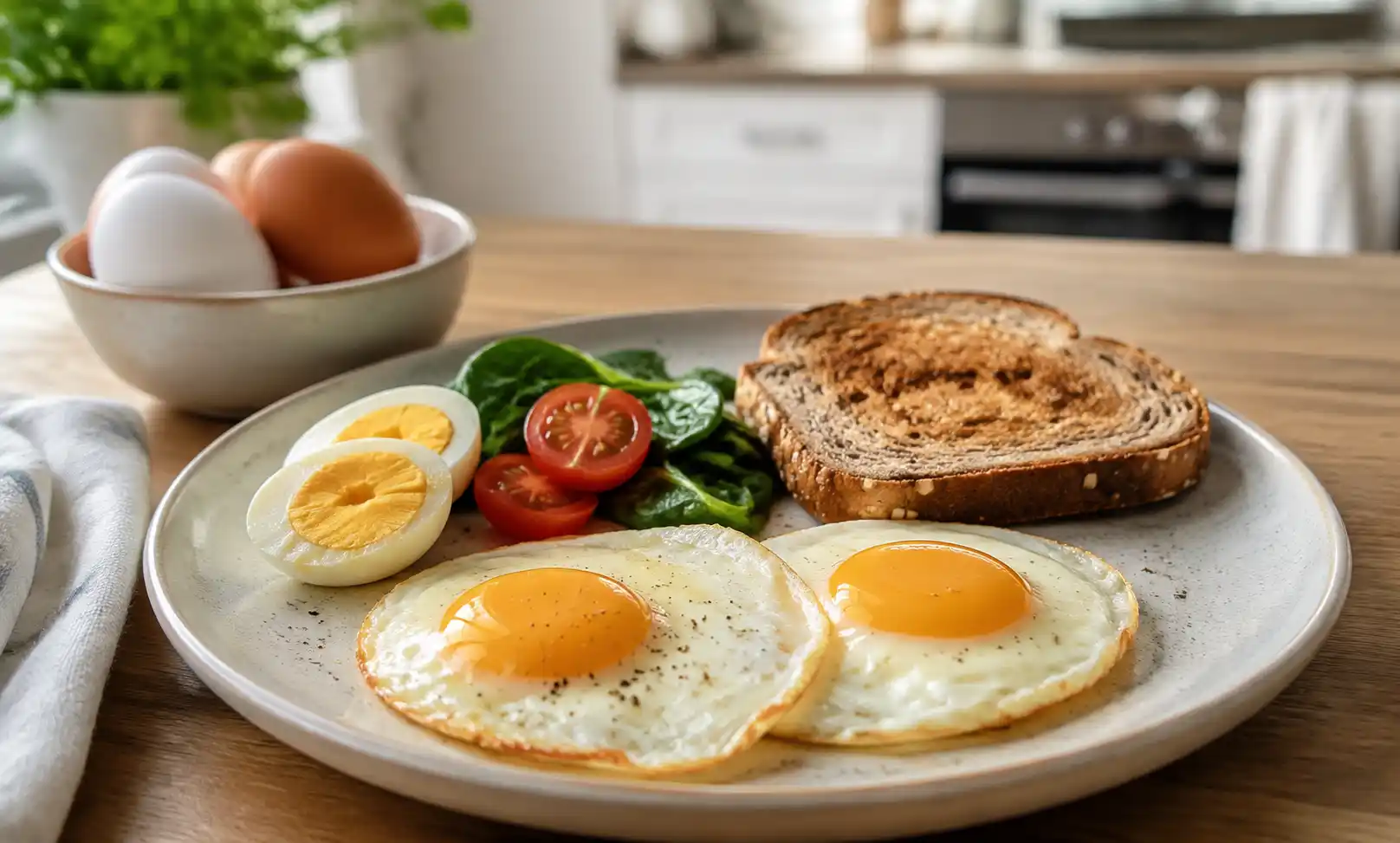
Eggs provide protein plus choline, selenium, vitamin B12, and varying amounts of vitamin D. One large egg provides roughly 6 grams of protein. The yolk supplies several nutrients, while the white contains much of the protein.
Fish and Seafood
Fish, shrimp, tuna, salmon, and other seafood provide high-quality protein. Fatty fish, including salmon and sardines, also contain omega-3 fats. Protein levels vary by species and preparation. Baking, grilling, or steaming can avoid heavy breading or frying.
Poultry and Lean Meat
Chicken, turkey, and lean meat provide protein, iron, zinc, and B vitamins. Saturated fat varies across cuts and processed products, so the whole-food choice matters more than the protein label.
Dairy Foods
Milk, Greek yogurt, cottage cheese, and some cheeses provide protein and calcium. Yogurt may contain live cultures. Plain varieties generally contain less added sugar than flavored options, and lactose tolerance varies among people.
Plant-Based High Protein Foods
Beans, Lentils, and Peas
Beans, lentils, chickpeas, and split peas provide protein, fiber, potassium, folate, and iron. Their fiber supports regularity within a fiber-rich pattern. Canned choices are convenient, though sodium varies; rinsing can remove some surface sodium.
Soy Foods
Tofu, tempeh, edamame, and soy milk are versatile plant protein options. Soy is complete because it supplies all essential amino acids. Tofu absorbs flavors, while tempeh has a firmer, fermented texture. Unsweetened soy milk avoids added sugar.
Nuts, Seeds, and Nut Butters
Peanuts, almonds, pistachios, pumpkin seeds, hemp seeds, and peanut butter provide some protein, unsaturated fats, and often fiber. They are energy-dense, so a small handful can be filling. They work well as toppings or ingredients.
Whole Grains
Oats, quinoa, whole-wheat bread, brown rice, and barley contain smaller but useful protein amounts. They also provide carbohydrates, fiber, and minerals. Pairing grains with beans, lentils, or dairy can create a substantial meal.
Protein Quality and Food Variety
Protein quality describes a food’s essential amino acids and how readily the body uses them. Animal proteins are often called complete, but varied plant-based patterns can also provide adequate protein through legumes, soy, grains, nuts, seeds, and vegetables.
Whole foods offer more than protein alone. Lentils provide fiber and folate, while salmon provides vitamin D and omega-3 fats. Variety adds different textures, micronutrients, and flavors.
How High Protein Foods Fit Into Meals
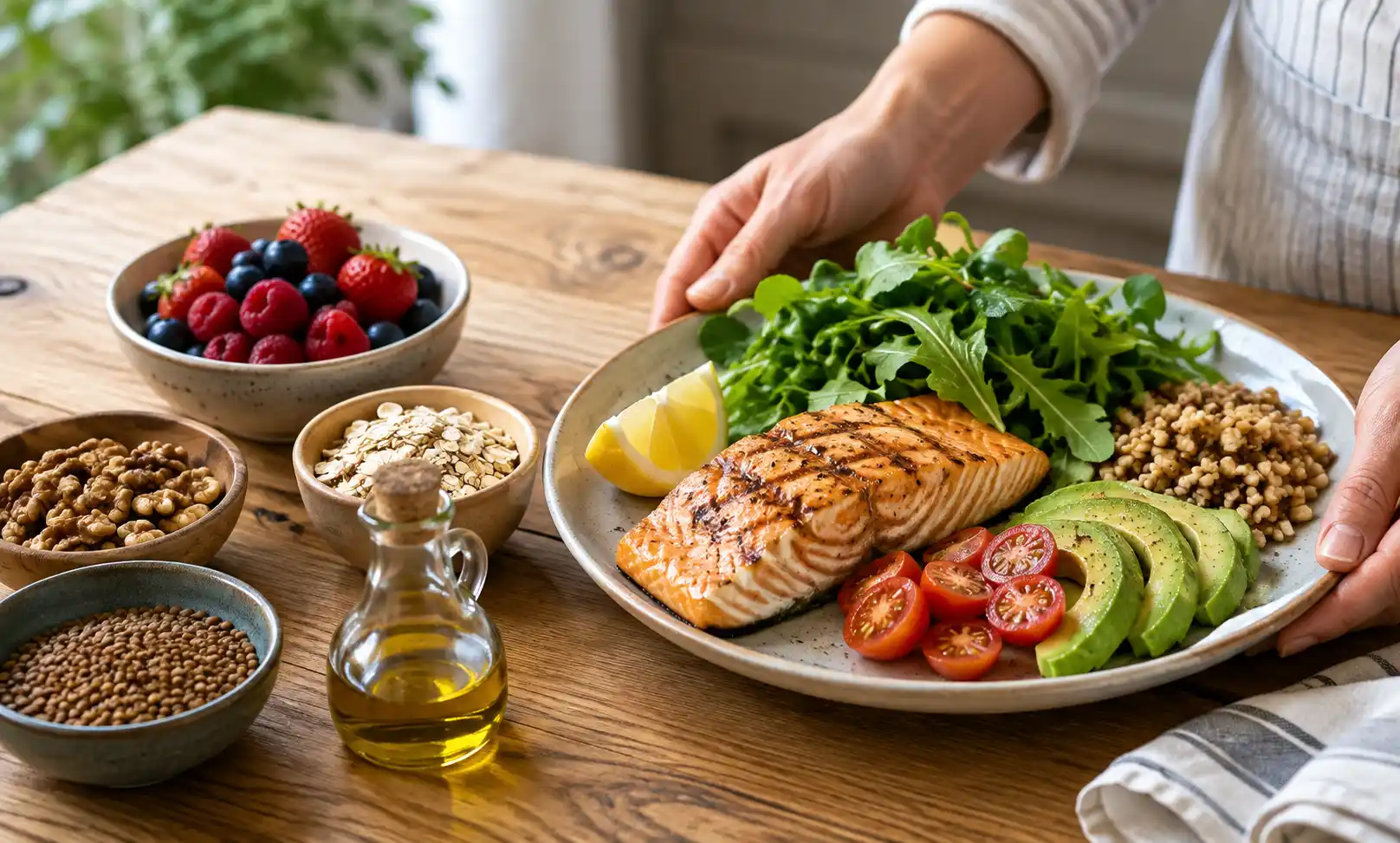
High-protein foods fit into ordinary meals without a strict plan. A vegetable omelet with toast, yogurt with fruit and seeds, lentil soup with salad, or tofu with vegetables and rice are balanced combinations.
Preparation changes a food’s profile. Fried items, processed meats, and sugary protein desserts may add sodium, saturated fat, or sugar. Simple cooking and minimally processed options make ingredients easier to understand.
Possible Downsides and Considerations
More protein is not automatically better. Very high-protein patterns can crowd out fiber-rich foods. Some protein products are highly processed or high in sodium, sugar, or saturated fat.
Milk, eggs, fish, shellfish, peanuts, tree nuts, soy, and wheat can trigger reactions in susceptible people. Kidney disease and other conditions can change nutrition needs, which qualified clinicians can assess.
Choosing, Storing, and Preparing Protein Foods
Store fresh meat, poultry, fish, eggs, dairy, and refrigerated plant proteins safely and follow package guidance. Keep raw animal foods separate from ready-to-eat foods, clean hands and utensils, and cook foods thoroughly when required.
For pantry foods, check sodium, added sugars, and serving size. Store dried beans and lentils in a cool, dry place. Frozen seafood, vegetables, and edamame are convenient choices that can reduce waste.
Making High Protein Choices More Practical
Planning does not require counting every gram or buying specialty products. It can begin by noticing which familiar foods already provide protein, then combining them with vegetables, fruit, grains, or other fiber-rich options. Lunch and dinner might feature fish, poultry, lentils, tempeh, or a bean-based dish. Snacks can include yogurt, roasted chickpeas, edamame, nuts, or a small serving of cheese with fruit.
Reading food labels can also make comparisons easier. The protein number is useful, but it should sit beside the ingredient list, sodium, saturated fat, added sugars, and serving size. A product marketed as high protein may still be highly sweetened or heavily processed. Conversely, a simple food with a modest amount of protein can make a meaningful contribution when it is part of a balanced meal.
Budget and access matter too. Dried or canned beans, eggs, milk, canned fish, peanut butter, lentils, and frozen edamame are practical staples.
Eating patterns do not need to look identical from one person to another. Cultural foods, preferences, cooking skills, and schedules influence what appears on the table. They can build meals around varied, satisfying foods that contribute protein and support overall nutrition over time.
Frequently Asked Questions
Are high-protein foods only animal foods?
No. Animal foods can be protein-rich, but beans, lentils, soy foods, peas, nuts, seeds, and some grains also contribute protein. Their nutrient profiles differ, so variety is useful.
Which plant food has the most protein?
The answer depends on serving size and preparation. Soy foods, lentils, beans, peas, peanuts, and certain seeds are notable choices. Comparing labels helps clarify protein per serving.
Can high-protein foods replace vegetables?
No. Protein foods and vegetables have different nutritional strengths. Vegetables commonly provide fiber, potassium, vitamins, and protective plant compounds. Combining both supports a more varied, balanced eating pattern.
Are protein bars the same as whole foods?
Not always. Some bars are convenient, but ingredients and added sugar vary widely. Whole foods usually provide a broader range of nutrients and may be more satisfying.
Do older adults need protein foods?
Protein remains important throughout adulthood because it supports normal tissue maintenance. Individual needs can vary with health status, activity level, appetite, and medical guidance, making personalized decisions a topic for healthcare discussions.
Conclusion
High-protein foods include more than chicken or shakes. Eggs, fish, dairy, beans, lentils, tofu, nuts, seeds, and whole grains each offer different strengths. A varied pattern provides protein alongside fiber, vitamins, minerals, and flavor. Healthcare professionals can address individual medical nutrition questions and specific health needs.
Disclaimer: This article is intended for educational and informational purposes only. It is not medical advice and should not be used as a substitute for professional medical evaluation, diagnosis, or treatment.

Comments ( 0)
Leave a Comment
No comments yet. Be the first to comment!