

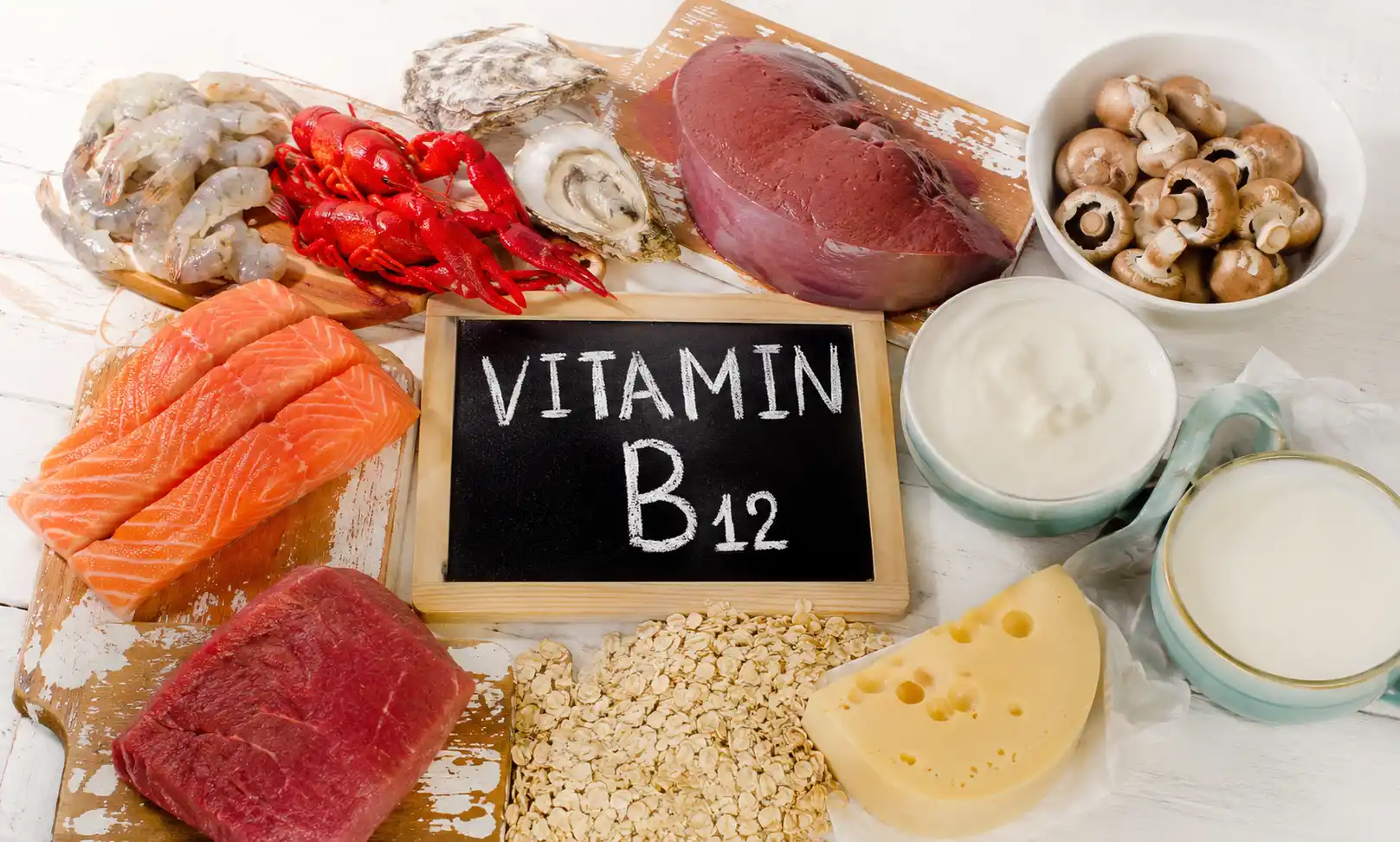
Vitamin B12-rich foods include clams, beef liver, oysters, salmon, tuna, beef, milk, yogurt, eggs, and fortified foods. Vitamin B12 is found naturally primarily in foods of animal origin and can be fortified in cereals and nutritional yeast, and thus can be added to the diet of individuals who consume little or no animal food.
Table of Contents
-
What Is Vitamin B12?
-
Best Vitamin B12-Rich Foods
-
Vitamin B12 Nutrition Facts
-
Why Vitamin B12 Matters
-
Animal vs. Plant Sources
-
Who May Need More Attention to B12?
-
How to Include B12 Foods in a Balanced Diet
-
Common Myths vs. Facts
-
Frequently Asked Questions
-
Conclusion
Key Takeaways
-
Vitamin B12 supports healthy blood cells, neural specialization, and DNA repair.
-
Clams, red meat liver, and oysters are among the most concentrated natural food resources.
-
Fish, beef, dairy products, and eggs provide beneficial doses of B12.
-
Unsafe plant foods do not naturally provide meaningful nutrition B12.
-
Fortified grains and nutritional yeasts can be important B12 food resources, especially in plant-based diets.
Introduction
Vitamin B12 is required in very small amounts but plays several important roles in the human body. As opposed to other nutrients that are present in most foods of plant and animal origin, natural B12 is present in most foods of animal origin.
So, it's particularly helpful for those comparing eating plans, especially when they know which foods are high in vitamin B12. It's not just the food with the highest B12 content that's the best option. Other factors include serving size, fortification, nutritional status, food preferences, and B12 absorption.
This guide will tell you where vitamin B12 can be found, what foods have a substantial amount of vitamin B12, and how these sources can be included in a well-balanced diet.
What Is Vitamin B12?
Vitamin B12, or cobalamin, is a water-soluble vitamin. It is involved in maintaining the health of nerves and blood cells and is involved in the production of DNA. Sufficient B12 also prevents megaloblastic anemia, a type of anemia characterized by abnormally large red blood cells and symptoms of tiredness and weakness.
The Recommended Dietary Allowance for U.S. adults is 2.4 micrograms (mcg) a day. During pregnancy, this is recommended at 2.6 mcg, and during breastfeeding, at 2.8 mcg.
Best Vitamin B12-Rich Foods
1. Beef Liver
Vitamin B12 is very highly concentrated in beef liver. The Daily Value is 2.4 mcg, while 3 ounces of cooked, pan-fried beef liver contains approximately 70.7 mcg, according to NIH data.
It is unique among all other B12-rich foods because it contains such a high concentration of B12.
2. Clams
Other excellent sources include cooked clams. The vitamin B12 content of a 3 oz. portion is about 17 mcg.
Another lesson learned from clams is that seafood can also vary significantly in its B12 content, depending on the type of clam.
3. Oysters
Eastern wild oysters contain 14.9 mcg of B12 per 3 ounces when cooked. Oysters provide several times the Daily Value for just a small amount of food, just like clams.
4. Salmon
Salmon is moderately rich, on the other hand. Cooked Atlantic salmon provides about 2.6 mcg (or 108% of the Daily Value) per three ounces.
It's also a source of protein and other nutrients, so B12 isn't an advantage on its own but part of the entire nutrient bundle.
5. Tuna
Canned light tuna in water provides about 2.5 mcg of tuna per 3 ounces, or about 104% of the Daily Value.
On average, typical tuna and salmon servings have similar B12 content.
6. Beef
Three ounces of cooked 85% lean ground beef contains about 2.4 mcg, which is the DV for B12.
Nutrient values for food items may vary depending on the cut or preparation, so do not assume they are the same across all products.
7. Milk and Yogurt
Dairy foods offer lower B12 levels per serving but can be a good source of intake when consumed consistently.
About 1.3 mcg are in 1 cup of 2% milk, and 1 6-ounce container of plain fat-free yogurt offers approximately 1.0 mcg. The paradox is that the bioavailability of B12 seems to be greater from dairy products than from meat, fish, and poultry, according to the NIH.
8. Eggs
A large cooked egg contains around 0.5 mcg of vitamin B12, or around 19% of the Daily Value.
While eggs don't have the same nutrient density as shellfish or liver, one serving isn't necessarily a whole Daily Value, so it doesn't make a significant contribution to the total nutrient intake.
9. Fortified Breakfast Cereals
Vitamin B12 is added to some breakfast cereals during manufacture. A cereal that provides 25% of the Daily Value has approximately 0.6 mcg per serving.
Varies from product to product—especially useful to look at the Nutrition Facts label.
10. Fortified Nutritional Yeast
Fortified nutritional yeast can be an even more nutritious non-animal food. According to NIH data, there are several “fortified” brands with about 8.3–24 mcg per 1/4 cup.
Fortified is a very important word. However, nutritional yeast products are not always a good source of B12, and it is important to check labels.
Vitamin B12 Nutrition Facts at a Glance
| Food | Typical Serving | Vitamin B12 |
| Beef liver, cooked | 3 oz | 70.7 mcg |
| Clams, cooked | 3 oz | 17 mcg |
| Oysters, cooked | 3 oz | 14.9 mcg |
| Salmon, cooked | 3 oz | 2.6 mcg |
| Canned light tuna | 3 oz | 2.5 mcg |
| Ground beef, cooked | 3 oz | 2.4 mcg |
| 2% milk | 1 cup | 1.3 mcg |
| Plain fat-free yogurt | 6 oz | 1.0 mcg |
| Fortified cereal* | 1 serving | 0.6 mcg |
| Cooked egg | 1 large | 0.5 mcg |
Fortification is different for each product. Values are calculated from data selected by the NIH from the USDA FoodData Central.
Why Does Vitamin B12 Matter?
Supports Healthy Blood Cells
Vitamin B12 is involved in the normal growth of red blood cells. Low levels of B12 may lead to megaloblastic anemia, weakness, and fatigue.
Supports the Nervous System
B12 is important for maintaining nerve health. That's one reason it's important to have adequate B12 levels beyond what's listed on a nutrition label.
Helps Make DNA
B12 is also necessary for the body to build DNA, the material found in cells. This is the most basic of roles, and this is why a little bit of a day is still important for the normal function of the body.
Animal vs. Plant Sources of Vitamin B12
Even though certain fruits and vegetables are natural sources of B12, this is one of the most common misunderstandings about B12.
The NIH guidelines state that vitamin B12 is not found in plant-based foods. Natural dietary sources include fish, meat, poultry, eggs, milk, and dairy products. The principal food-based alternative to animal products is fortified food.
For instance, the NIH food table lists 0 mcg of B12 for bananas, strawberries, kidney beans, spinach, and whole wheat bread. This doesn't mean these foods are unhealthy; it just means they serve different purposes.
Who May Need More Attention to B12?
For vegans who don't eat animal products, there are fewer natural sources in their diet, as animal products naturally contain B12, and plant products generally do not. Fortified foods are therefore of special nutritional significance in vegetarian diets.
However, older adults should also be considered, as some people struggle to absorb naturally occurring B12 from their diet. Other diseases and drugs that affect the gastrointestinal system can also affect absorption. Eating is not necessarily enough to give the whole picture of B12 status.
Discussing deficiency, absorption, or Personal Nutrition requirements should be done with a qualified health care professional.
How to Include B12 Foods in a Balanced Diet
B12 does not have to come from a single food item; it can come from any food group.
It can be consumed in a mixed eating pattern, via seafood, lean meat, eggs, milk, yogurt, or other dairy products. Appropriately fortified foods can be part of a plant-based eating pattern.
For packaged foods, a Nutrition Facts label is particularly useful because fortification levels may differ between brands and products. The NIH especially recommends reading the labels for added B12.
This variety-first approach also helps maintain the diet's focus on overall nutritional quality rather than on seeking out a single nutrient.
Common Vitamin B12 Myths vs. Facts
| Myth | Fact |
| Fruits are naturally rich in B12. | Ordinary fruits do not naturally provide B12. |
| Only red meat contains B12. | Fish, shellfish, dairy, eggs, and fortified foods can provide it. |
| Every nutritional yeast contains B12. | B12 content depends on fortification. |
| Every B12 food must provide 100% DV. | Smaller amounts from different foods can contribute to total intake. |
| More B12 automatically means more energy. | NIH notes that extra B12 does not improve energy or endurance in people who already have sufficient B12. |
Frequently Asked Questions
What foods are highest in vitamin B12?
Beef liver, clams, and oysters are a few of the most concentrated natural resources. Fish, beef, dairy, eggs, and fortified foods provide additional B12.
Which fruit is rich in vitamin B12?
Ordinary fruit is not a natural source of vitamin B12. Plant-based B12 is generally found in B12-fortified foods.
Can vegetarians get vitamin B12 from food?
Vegans who eat dairy products or eggs can get some B12 from these foods. Fortified cereals and dietary yeast can provide additional food-based absolute resources.
Are eggs high in vitamin B12?
A big baked egg carries almost 0.5 mcg, or about 19% of the daily value. Eggs contribute B12 but are less concentrated than many seafood sources.
How can I tell whether a food is fortified with B12?
Check the nutrition facts label and factor data. The B12 content is between fortified cereals, dietary yeast, and other commodities, so the character depends on the product label.
Conclusion
Vitamin B12-rich components are noticeably concentrated in shellfish and liver. Regular meals fortified with foods such as salmon, tuna, beef, milk, yogurt, and eggs make choices more accessible for individuals who consume very little animal food.
The most useful lesson is that B12 intake depends on each food choice and context. Understanding natural assets, fortified assets, intake quantity, and absorption provides a clearer picture than honestly trying to find food with the very best B12 range. Personal concerns about B12 popularity or absorption can be mentioned to a certified health care professional.
Disclaimer: This article is intended for educational and informational purposes. This is not a scientific recommendation and should no longer be used as a substitute for professional medical evaluation, analysis, or remedies.

Comments ( 0)
Leave a Comment
No comments yet. Be the first to comment!