

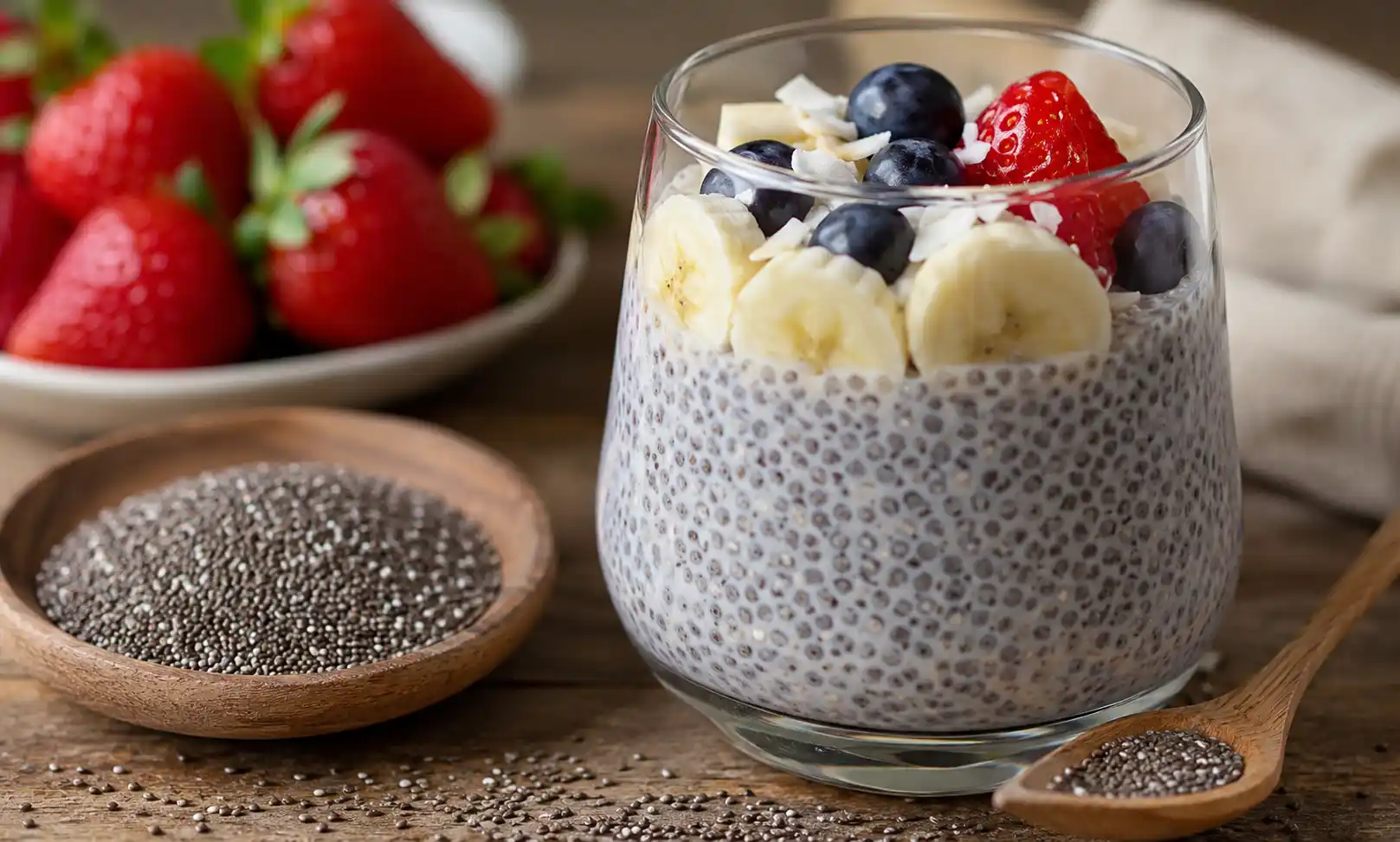
Improved digestion, heart health, blood sugar control, weight management, and stronger bones are among the health benefits chia seeds offer. Packed with fiber, protein, omega-3 fatty acids, antioxidants, vitamins, and minerals, these tiny seeds are a nutrient-dense addition to a healthy diet when consumed regularly and in moderation.
Introduction
Have you ever wondered why tiny chia seeds are among the most common superfoods worldwide? Even though they are quite small, these nutrient-filled seeds boast a remarkable mix of fiber, protein, good fats, antioxidants, and essential minerals. Health Benefits of Chia Seeds have been a hot topic among experts in health nutritionists, athletes, and ordinary people who want to find a simple way to enhance their diet.
If you want to support your heart health, control your weight, improve your digestion, or simply increase your overall nutrition level, then chia seeds can be of great help to you. This article will tell you what exactly chia seeds are, how they function in the human body, what scientific research has revealed about their benefits, their possible side effects, and the best methods to make them a part of your daily diet.
Key Takeaways
-
Chia seeds are rich in fiber, protein, omega-3 fats, and antioxidants.
-
They may support digestion, heart health, and blood sugar balance.
-
Their high fiber content can help increase feelings of fullness.
-
Chia seeds provide important minerals such as calcium, magnesium, and phosphorus.
-
Most people can safely enjoy chia seeds as part of a balanced diet.
-
Drinking enough water when consuming chia seeds is important.
-
Consistent use may contribute to better overall health and nutrition.
What Are Chia Seeds?
Chia seeds are small black or white seeds from the Salvia hispanica plant, a native of Central America. In the past, the Aztecs and Mayans, who recognized these seeds as a source of energy, made them a major part of their diet.
Currently, chia seeds have become trendy worldwide as they can provide a large amount of nutrients in a very small portion. Besides being naturally gluten-free, these seeds can be easily incorporated into various dishes and drinks.
Chia seeds have gained popularity as they give a bunch of nutrients without changing the diet drastically. You only need to add a spoonful to your breakfast, smoothie or yogurt to enhance your diet with fiber, protein, and good fats.
What Are the Health Benefits of Chia Seeds?
The health benefits of chia seeds come from their unique nutritional characteristics. They provide dietary fiber, plant-based protein, omega-3 fatty acids, antioxidants, and essential minerals, all of which contribute to various aspects of health support.
Regular consumption may help:
-
Improve digestive health
-
Support heart function
-
Promote healthy blood sugar levels
-
Increase feelings of fullness
-
Support bone strength
-
Provide sustained energy
-
Contribute to overall nutritional intake
While chia seeds are not a cure for any disease, they can be a valuable part of a balanced and healthy lifestyle.
How Chia Seeds Work in the Body
Chia seeds suck up water and turn into a jelly-like substance. This is a natural mechanism that reduces the speed of the digestive process, which might even make you feel full for a longer period after having a meal.
Eating sufficient fiber is an important factor to support the digestive system by facilitating the movement of food through the digestive tract. The omega-3 fats work for the health of the heart, whereas protein is an important factor in the support of muscle maintenance and recovery.
The antioxidants present in chia seeds protect the cells from oxidative damage, which is the damage caused by environmental factors, as well as the normal body functions.
These nutrients combined help to keep the body healthy naturally and in a simple manner.
Health Benefits Backed by Science
Weight Management
One of the health benefits of chia seeds that is most frequently talked about is the possibility of helping with weight loss.
Since chia seeds are rich in fiber and can soak up water, they swell up when in the stomach and may help make a person feel fuller for a longer time. This way, the tendency to eat for no reason can be reduced, and one can maintain an eating pattern that is beneficial for health.
And a well-rounded diet and regular physical exercise, chia seeds might be a very effective aid for weight management.
Heart Health
Chia seeds may also be good for heart health.
They are a source of alpha-linolenic acid (ALA), which is a plant-derived omega-3 fatty acid. Omega-3 fatty acids have been linked to heart health.
Also, the fiber present in chia seeds could be beneficial in maintaining normal cholesterol levels when eaten as part of a balanced diet.
Digestive Health
Fiber is among the major nutrients present in chia seeds.
Getting enough fiber is important for having regular bowel movements and keeping the digestive system healthy. Unfortunately, a lot of people do not eat the recommended amount of fiber every day, so having chia seeds around is a good way to boost the daily fiber intake.
Also, the way chia seeds form a gel could be one of the reasons why they help ease digestion, provided they are eaten with sufficient water.
Blood Sugar Control
Chia seeds are one of the potential food sources to support healthy blood sugar regulation.
The fiber contained in them makes the processing and absorption of carbohydrates slower, which in turn can help the generation of less fluctuating blood sugar levels after eating.
This effect would be great, for example, for those who would like to keep their energy levels naturally on a fairly constant track all day long.
Bone Health
Many people are surprised to learn that chia seeds contain several nutrients that are important for bone health.
These include:
-
Calcium
-
Magnesium
-
Phosphorus
These minerals help with bone shape and basic skeletal soundness.
Muscle Health
Chia seeds contain protein from plants, which play a role in sustaining and repairing muscles.
They aren't a thorough substitute for other protein-dense foods, but they can aid in boosting total daily protein intake, Most of all for vegetarians and vegans.
Brain Health
Omega-3 fatty acids are important for normal brain function.
Although chia seeds contain totally plant-based omega-3 as opposed to marine resources, they contribute useful fats that help with basic wellness.
Energy and Endurance
Back in the day, chia seeds were considered a natural tonic for lasting energy.
The blend of carb protein, good fats, and fiber in chia could help keep the energy flow consistent, avoiding those up-and-down bursts that come with a sugar spike.
Immune Support
Chia seeds have antioxidants that defend cells against oxidative stress.
Although they won't stop you from getting sick, foods loaded with antioxidants are good for your health in general and help the body's immune system.
Better Nutrient Intake
One of the most effective blessings of chia seeds is the best of the next step diet.
Adding them to food can boost your intake of numerous crucial nutrients, including substantially increasing calories.
What Research Says
The findings of the scientific investigations show that the health benefits of chia seeds would be understood by the action of their fiber, omega-3 fatty acids, antioxidants, and mineral content.
Scientific evidence points to the fact that consuming foods rich in dietary fiber is an effective way to promote digestive health, help in lowering cholesterol levels, and manage blood sugar levels.
The body of research evidence also points to the fact that omega-3 fatty acids matter a lot in the protection and maintenance of the heart's health. Yet, the consensus among researchers is that the most effective role of chia seeds is within the larger context of an adequately healthy dietary pattern rather than as a single dietary component.
So, the simple and most straightforward message for the practical aspect of it is: frequent use of chia seeds as a part of a well-balanced diet could be a good way of ensuring and boosting your long-term health.
Potential Risks or Side Effects
While chia seeds are safe for most people, there are a few concerns.
Some individuals may experience:
-
Bloating
-
Gas
-
Digestive discomfort
-
Mild stomach upset
These are more likely effects of eating huge quantities at once.
Since the chia seeds soak up water, consider taking enough fluids along.
Avoid eating a lot of dry chia seeds at one time if you have difficulty swallowing, because they can swell after absorbing the liquid.
Who May Benefit Most?
Chia seeds may be particularly helpful for:
-
Adults seeking better nutrition
-
Seniors wanting additional calcium and fiber
-
Busy professionals needing convenient nutrition
-
Athletes looking for sustained energy
-
Vegetarians and vegans seeking plant-based nutrients
-
Individuals trying to manage weight
-
People aiming to support digestive health
Who Should Be Cautious?
Some people need to talk to a healthcare professional before increasing their chia seed intake significantly.
This includes:
-
People taking blood-thinning medications
-
Individuals with digestive disorders
-
Those with known seed allergies
-
People with swallowing difficulties
-
Pregnant or breastfeeding women who have specific dietary concerns
Moderation and individualized guidance are always important.
Chia Seeds vs Other Popular Seeds
| Feature | Chia Seeds | Flaxseeds | Hemp Seeds |
| Fiber | Very High | High | Moderate |
| Protein | Moderate | Moderate | High |
| Omega-3 | High | Very High | Moderate |
| Texture | Gel-forming | Ground preferred | Soft |
| Best For | Digestion and fullness | Omega-3 intake | Protein support |
Best Ways to Use Chia Seeds
You can easily add chia seeds to your daily diet.
Popular options include:
-
Stirring into yogurt
-
Mixing into smoothies
-
Adding to oatmeal
-
Making chia pudding
-
Sprinkling on salads
-
Adding to soups
-
Mixing into homemade energy bites
-
Including in baked goods
Starting with one teaspoon, depending on the day, increasing intake in steps can additionally help reduce digestive discomfort.
Common Mistakes People Make
A lot of individuals make fairly simple mistakes when they use chia seeds.
Still, one of the most common mistakes is eating large amounts immediately without first allowing the digestive system to get used to it.
Another blunder is not drinking enough water. Because chia seeds trap liquid, hydration becomes essential.
Besides, some people want to see results right away. The advantages of chia seeds to your health are probably going to show up through regular use over a long period of time, combined with a healthy lifestyle.
Expert Tips
-
Start with small portions and increase gradually.
-
Drink plenty of water throughout the day.
-
Add chia seeds to foods you already enjoy.
-
Combine them with protein-rich meals for greater satiety.
-
Use chia pudding as a healthy snack option.
-
Store chia seeds in a cool, dry place.
-
Focus on consistency rather than large servings.
Frequently Asked Questions
Is it okay to eat chia seeds every day?
Actually, most healthy adults can incorporate chia seeds into their diet every day without any issues. Besides boosting your intake of fiber, omega-3 fatty acids, and essential minerals, regular intake could also be good for you. To avoid any stomach troubles, you may want to start with a smaller quantity and drink plenty of water. Usually, consistent use holds more advantages than sporadic intake.
How much chia seed should I eat per day?
One to two teaspoons of the product are usually consumed by many people every day. This quantity offers an important amount of fiber, healthy fats, and nutrients while not resulting in a significant intake of calories. A person's requirements differ depending on their age, level of activity, and total diet. Slowly raising the consumption is generally the most effective method.
Do chia seeds help with weight loss?
Chia seeds are high in fiber, which can contribute to a feeling of fullness, and that means they aid in weight management. And, incorporating them into meals can enhance the level of satisfaction and might help in reducing the need for snacking in between meals. However, these seeds alone are not a miracle food for weight loss and are most effective when combined with a healthy diet and frequent physical activity.
What happens if I soak chia seeds overnight?
By letting chia seeds soak overnight, they swell up and turn into a jelly-like substance. For most people, chia seeds that have been soaked are much easier on their stomach and tastier to consume. Besides, soaking chia seeds also prepares them well for dishes like chia pudding, smoothies, and overnight oats.
Are chia seeds good for heart health?
Chia seeds are a source of omega-3 fatty acids and fiber, a combination of nutrients that have been linked to heart health. Besides, these nutrients may help to maintain healthy cholesterol levels and heart functions in general when consumed with a balanced diet. They are components of a healthy lifestyle for the heart and should not be considered as a remedy.
Can chia seeds lower blood sugar?
The fiber in chia seeds works by slowing down the speedy digestion of food and might help to stabilize blood sugar levels after having a meal. Even though the consumption of these beans may be a good supporting tool for the maintenance of proper blood sugar levels, they shouldn't be considered a substitute for getting a doctor's advice. It is diabetes patients who must abide by a strict diet per the healthcare professionals' recommendations.
Which is better: chia seeds or flaxseeds?
Both are very nutritious. Chia seeds, for instance, are a great source of fiber and can be consumed directly without the need for grinding. In the same way, flaxseeds not only give you fiber but are also quite high in omega-3 fatty acids. Your deciding factor between the two will most likely be your personal taste, what you want from your diet, and how you intend to incorporate them into your meals.
Can children eat chia seeds?
Children can usually eat chia seeds as a component of a balanced diet. They contain fiber, healthy fats, and minerals, which are very beneficial for growth and development. Portion sizes must be suitable for the child's age, and chia seeds should be first introduced in small amounts so as not to cause any stomach problems.
Conclusion
Chia seeds have a lot more to offer for health benefits than one might think just by looking at their size. Being packed with nutrients, these seeds contain fiber, protein, omega-3 fatty acids, antioxidants, and important minerals, all of which contribute to digestion, heart health, maintaining blood sugar levels, bone strength, and overall wellness.
Chia seeds, on their own, are not a magic cure, but they can surely enhance a healthy diet when used as a supplement. The most effective way would be to incorporate them regularly, keep yourself well-hydrated, and eat them plus different wholesome foods. It's usually little daily habits that lead to the greatest health improvements over time.
Article Summary
-
Chia seeds are rich in fiber, protein, omega-3 fats, and antioxidants.
-
They may support digestion, heart health, and blood sugar balance.
-
Regular intake can help increase feelings of fullness and improve nutrient intake.
-
Most people can safely consume chia seeds daily when properly hydrated.
-
Consistent use as part of a balanced diet offers the greatest potential benefits.



Comments ( 0)
Leave a Comment
No comments yet. Be the first to comment!