

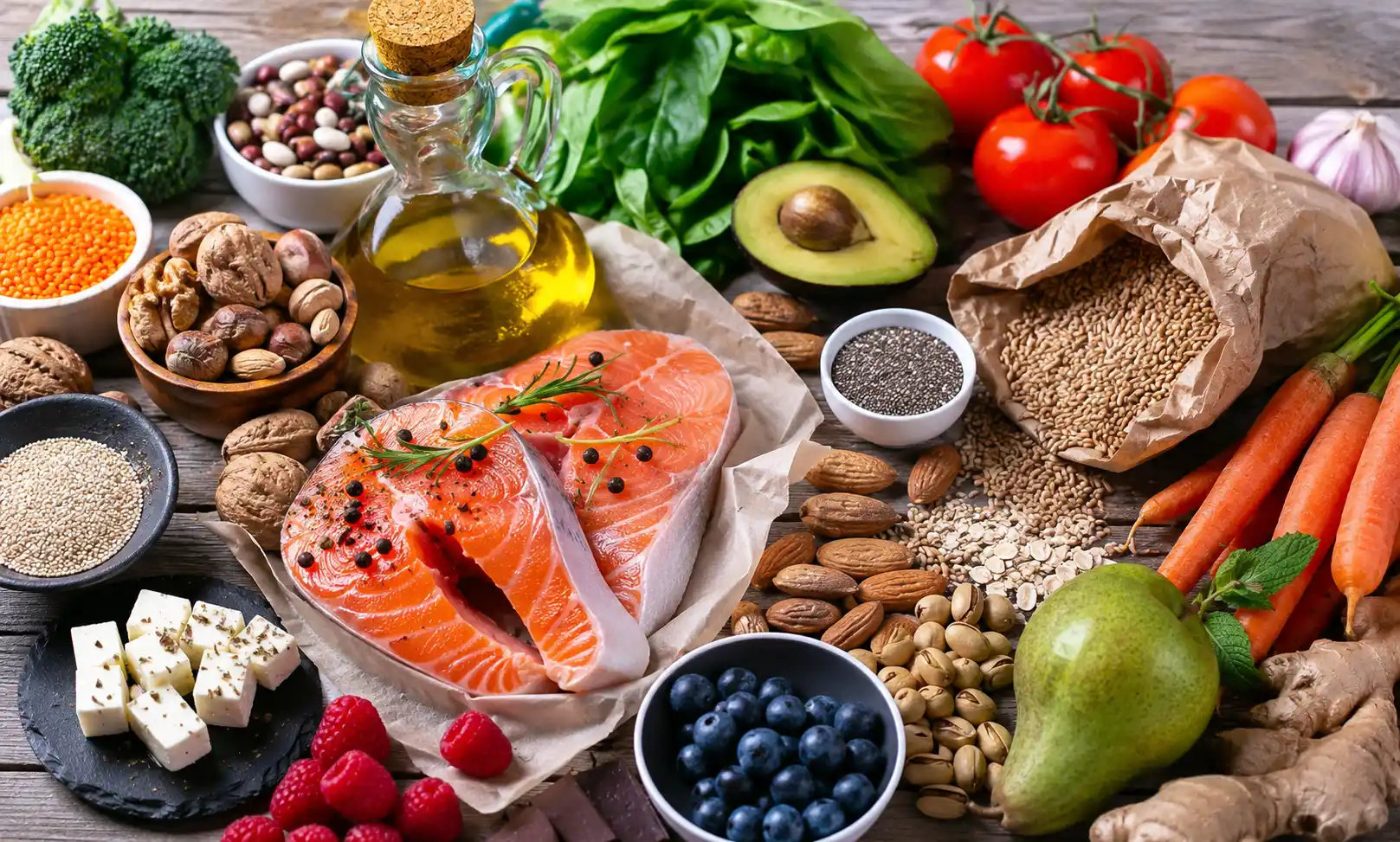
The Mediterranean diet foods are fresh vegetables, fruits, whole grains, legumes, nuts and seeds, olive oil, fish, dairy, eggs, and herbs. They are not only rich in nutrients but also contain healthy fats, fiber, vitamins, and minerals that support heart health and aid weight loss, digestion, and overall well-being. The Mediterranean diet is based on eating mostly whole, minimally processed foods.
Introduction
If you've been looking for a healthy way to improve your eating habits without following strict diet rules, Mediterranean diet foods may be exactly what you need. Unlike many popular diets that eliminate entire food groups or require complicated meal plans, the Mediterranean diet focuses on enjoying a wide variety of fresh, wholesome foods that nourish your body naturally. It is more than just a diet—it's a lifestyle inspired by the traditional eating habits of countries bordering the Mediterranean Sea.
For decades, researchers have linked the Mediterranean diet to better heart health, healthier body weight, improved blood sugar control, and a lower risk of several chronic diseases. One of the biggest reasons for these benefits is the quality of the foods people eat every day. Instead of relying on processed snacks, sugary drinks, or refined carbohydrates, the Mediterranean diet emphasizes colorful vegetables, fresh fruits, whole grains, healthy fats, lean proteins, and flavorful herbs.
The best part is that Mediterranean diet foods are neither expensive nor difficult to find. Many of these foods are already available in local grocery stores and can easily become part of your daily meals. Whether your goal is to eat healthier, lose weight, improve your heart health, or simply enjoy delicious, nutritious meals, understanding which foods belong in the Mediterranean diet is the first step toward building better eating habits that can last a lifetime.
What Are Mediterranean Diet Foods?
Mediterranean diet foods are foods that are natural and relatively simple, which are typically eaten in countries like Greece, Italy, Spain, and southern France. This approach to eating is not based on a calorie limit, but on making sure that you are eating nutrient-rich foods that can help you maintain the energy you need to live for long periods of time.
The Mediterranean diet emphasizes plant-based foods, with moderate portions of dairy products, eggs, seafood, and poultry. Less consumption of red meat, sugar-sweetened desserts, and highly processed foods.
This balanced approach leads to one of the simplest, healthy eating patterns to follow – the Mediterranean diet – because it is based on variety rather than restriction.
Why Are Mediterranean Diet Foods So Healthy?
The first reason nutritionists would love to give for the use of foods in a Mediterranean diet is their health benefits. These foods contain a mix of naturally occurring vitamins, minerals, antioxidants, fiber, healthy fats, and quality protein that contribute to a healthy lifestyle.
Antioxidants in fresh vegetables and fruits are vital to keep your body's cells from damage caused by everyday stress. Whole grain foods are rich in complex carbohydrates, which are released gradually and provide sustained energy. Legumes are a good source of protein and fibre, keeping meals more filling and promoting good digestion.
Another key component of the Mediterranean diet is the intake of healthy fats. Butter or many processed oils are replaced by extra virgin olive oil, and healthy unsaturated fats can be found in nuts, seeds, and fatty fish, which promote good heart health.
Since the diet is all about whole foods, it automatically leads to a decrease in added sugars, unhealthy fats, and high sodium levels as well.
Complete List of Mediterranean Diet Foods
Understanding the primary food groups allows you to create a balanced meal every day.
Vegetables
The most important food in the Mediterranean diet is vegetables. They're rich in vitamins, minerals, antioxidants, and dietary fiber and low in calories.
Great options include spinach, kale, broccoli, tomatoes, cucumbers, carrots, zucchini, eggplant, onions, garlic, cauliflower, cabbage, asparagus, mushrooms, lettuce, and bell peppers.
Try to have vegetables at lunch and dinner. You can get different nutrients from a variety of colors that you eat.
Fruits
In the Mediterranean diet, fresh fruits are a naturally sweet snack or dessert.
Apples, oranges, pears, grapes, berries, peaches, plums, cherries, kiwi, pomegranates, melons, and figs are all healthy options.
Whole fruits contain natural sugars and fiber, which helps you feel full and helps maintain balanced blood sugar.
Whole Grains
Whole grains provide long-term shelf life by providing essential nutrients and fiber.
Popular Mediterranean whole grains include:
-
Oats
-
Brown rice
-
Quinoa
-
Whole wheat bread
-
Whole wheat pasta
-
Bulgur
-
Barley
-
Farro
-
Whole-grain couscous
Replacing delicate grains with whole grains can improve digestion and increase your daily fiber intake.
Legumes
Beans and legumes are the most nutritious Mediterranean weight-loss plan foods because they unite plant proteins with fiber, vitamins, and minerals
Common choices include:
-
Chickpeas
-
Lentils
-
Black beans
-
Kidney beans
-
White beans
-
Cannellini beans
-
Split peas
They can easily be added to soups, salads, grain bowls, and stews.
Nuts and Seeds
Besides providing healthy fats, nuts and seeds also work as a good plant protein source, plus vitamin E, magnesium, and many other essential nutrients.
Some of the best choices are almonds, walnuts, pistachios, hazelnuts, sunflower seeds, pumpkin seeds, chia seeds, flaxseeds, and sesame seeds.
Despite being packed with nutrients, they are also high in calories, so moderate serving sizes are advisable.
Olive Oil
Extra virgin olive oil is often referred to as the "heart of the Mediterranean diet".
Butter or refined cooking oils are not the typical choices of oil in a Mediterranean diet, which often uses olive oil to cook, roast vegetables, as salad dressings, or as a dip for whole grain breads.
It is one of the healthiest fat options due to its healthy monounsaturated fats.
Fish and Seafood
Fish is eaten regularly, as it provides good quality protein and omega-3 fatty acids.
Salmon, sardines, tuna, trout, mackerel, anchovies, shrimp, mussels and oysters are healthy choices.
Eating fish a few times per week can help keep your heart and brain healthy and will give you some vitamins and minerals.
Dairy
Dairy is part of the Mediterranean diet, but is consumed in moderate quantities. The emphasis is on the simpler, more nutritious foods, which are rich in calcium, protein, and other good nutrients.
Healthy dairy choices include:
-
Plain Greek yogurt
-
Natural yogurt
-
Cottage cheese
-
Feta cheese
-
Parmesan cheese
-
Mozzarella
Choosing unsweetened yogurt instead of flavored varieties enables a reduction in sugars introduced while still supplying proteins and probiotics that support intestinal health
Eggs
Eggs are also a great component of Mediterranean diet foods. They contain lots of high-quality protein and good fats, plus other nutrients such as vitamin D, vitamin B12, selenium, and choline, which is great for the brain.
Besides, eggs are very flexible in cooking. They can be hard-boiled, poached, or scrambled together with some veggies. Also, you can add them to your whole grain meals to have a wholesome breakfast or lunch.
Herbs and Spices
Most Mediterranean food depends on a combination of herbs and spices, rather than just piling on the salt. Besides greatly enhancing the taste, fresh herbs are rich in antioxidants and plant compounds that help keep people healthy in general.
Popular herbs and spices include:
-
Basil
-
Oregano
-
Rosemary
-
Thyme
-
Parsley
-
Mint
-
Dill
-
Black pepper
-
Cinnamon
-
Turmeric
-
Cumin
-
Paprika
Herbs make meals taste good without the generous sodium intake.
Foods to Limit or Avoid
Although the Mediterranean weight-loss plan is beneficial, some foods have to be limited as they give fewer vitamins and can often negatively affect the long-term health of the eater
Foods to eat less often include:
-
Sugary soft drinks
-
Candy and sweets
-
Cakes, pastries, and cookies
-
White bread and refined grains
-
Processed meats such as sausages and bacon
-
Fast food
-
Deep-fried foods
-
Packaged chips and snacks
-
Highly processed frozen meals
-
Foods high in added sugar
-
Foods containing trans fats
These ingredients can be enjoyed on occasion; however, they should not grow to be regular staples, although one needs to experience the overall benefits of Mediterranean cuisine
Health Benefits of Mediterranean Diet Foods
The Mediterranean diet foods are still in the spotlight globally due to their numerous health benefits. A diverse diet of foods that are packed with nutrients regularly can help maintain many of the body's functions healthily, with the added benefit of adding some fun to the meal!
Supports Heart Health
One diet that is particularly well-known for cardiovascular benefits is the Mediterranean diet. Healthy fats in olive oil, nuts, seeds, whole grains, and fatty fish can help keep your cholesterol healthy. Meanwhile, fruits and veggies provide antioxidants and fiber for healthy blood vessels and circulation.
Helps with Healthy Weight Management
Many people select Mediterranean diet foods due to their inherent fullness. Vegetables, legumes, fruits, and whole grains are rich in fiber, which aids in regulating hunger, while healthy fats and protein can help to keep you full after eating. This combination can help a person to manage his or her weight more easily without feeling deprived.
Improves Digestive Health
One of the important nutrients in the Mediterranean diet is fibre. Eating vegetables, fruits, legumes, and whole grains helps keep healthy bacteria in your gut. Vegetables, fruits, legumes, and whole grains nourish healthy gut bacteria and keep you regular. Live cultures yogurt may also help maintain good digestive health.
Supports Blood Sugar Balance
Eating whole foods rather than refined carbohydrates gives a gradual energy release. This can help to maintain more balanced blood sugar levels and prevent post-meal lows and surges.
Provides Long-Lasting Energy
The foods from the Mediterranean diet are a blend of carbohydrates, healthy fats, and protein, which provide a more sustained release of energy throughout the day than foods that are low in carbohydrates and rich in refined sugars.
May Support Brain Health
Omega-3 fatty acids from fish, antioxidants from berries and vegetables, and healthy fats from olive oil are all important nutrients to support normal brain function as part of a healthy lifestyle.
Encourages Healthy Aging
Colourful plant foods provide antioxidants – which help shield cells from oxidative stress. This diet, when paired with a nutritious diet and the right amount of healthy fat, helps promote healthy aging and well-being.
Best Mediterranean Diet Foods for Weight Management
If your aim is weight management, positive Mediterranean weight loss program meals can be especially beneficial because they can be nutritious, pleasant, and comparatively low in calories
Some of the best choices include:
-
Leafy green vegetables
-
Broccoli
-
Cucumbers
-
Tomatoes
-
Berries
-
Apples
-
Lentils
-
Chickpeas
-
Oats
-
Brown rice
-
Quinoa
-
Greek yogurt
-
Salmon
-
Tuna
-
Almonds
-
Walnuts
-
Chia seeds
-
Extra virgin olive oil in moderate amounts
The key is not consuming one "superfood" but combining several healthy foods into balanced meals throughout the day.
Tips for Adding Mediterranean Diet Foods to Your Daily Meals
Adopting a Mediterranean diet doesn't have to be done in one fell swoop. It's usually easier to do small, consistent changes.
When having lunch or dinner, fill half of your plate with vegetables. Swap out refined grains for whole grain options like brown rice, oats, or whole wheat bread. Add beans to soups and salads several times a week, or add lentils to salads.
Cook with extra virgin olive oil and salad dressings. Choose fresh fruit or a handful of unsalted nuts instead of processed foods. Consider consuming fish 2-3 times per week and limit processed meat.
Another easy diet change to make is to drink water rather than sugar-sweetened beverages, which aligns well with the Mediterranean way of eating.
All of these tiny changes will help you improve your eating over time, without making you feel deprived.
Expert Tips
Of course, the best advice is not to follow the scheme as a 'diet', but to consider it as a way of life, which can be followed for the rest of one's life. The plan should be based on diverse, colorful foods with natural seasonal products and unprocessed ingredients. Meal planning in advance can help maintain a healthy eating pattern even when you are busy.
Having healthy options on hand can help you resist less healthy options. Lastly, keep everything in balance! Treat yourself to a goodie now and then, but try to make healthy Mediterranean diet foods the bulk of your diet.
Frequently Asked Questions
What foods are included in the Mediterranean diet?
The Mediterranean diet includes greens, fruits, whole grains, legumes, nuts, seeds, olive oil, fish, dairy, herbs and spices, and restricts processed foods and added sugar
Can I eat chicken on the Mediterranean diet?
Yes. Chicken and other lean poultry can be eaten in moderation. Fish and plant-based protein sources are often advocated more frequently.
Is rice allowed on the Mediterranean diet?
Yes. Whole grain alternatives such as brown rice are desirable because they contain more fiber and vitamins than fine white rice.
Can Mediterranean diet foods help with weight loss?
Yes. Because those foods are rich in fiber, protein, and healthy fats, they help promote fullness and can aid in healthy weight control when combined with daily physical activities
Is the Mediterranean diet suitable for everyday eating?
Absolutely. The Mediterranean Weight Loss Program is designed as a lifetime eating pattern as opposed to a short-term weight loss plan, making it suitable for day-to-day eating for healthy adults
Conclusion
Mediterranean diet foods are probably the easiest and most sustainable way to improve the overall health of your body. If you select fresh vegetables, fruits, whole grains, legumes, nuts, seeds, olive oil, fish, dairy, and other less processed foods, you are giving your body the nutrients it calls for to perform at its best. Instead of emphasizing restrictions, the Mediterranean diet promotes balance, variety, and the pleasure of delicious meals that can almost fit any lifestyle. Just by making a couple of Mediterranean-style food decisions every day, you may develop healthier eating practices that will support your wellness in the long run.
Key Takeaways
-
Mediterranean diet foods emphasize unrefined, minimally processed foods.
-
The diet is based on vegetables, fruits, grains, beans, nuts, and olive oil.
-
Fish, dairy, and eggs are provided in moderation.
-
Should be kept to a minimum. This diet will enhance heart health, digestion healthy weight, and general well-being.
-
Small daily changes, like including healthy recipes in the diet, may help make a new dietary pattern sustainable.


Comments ( 0)
Leave a Comment
No comments yet. Be the first to comment!