

Introduction
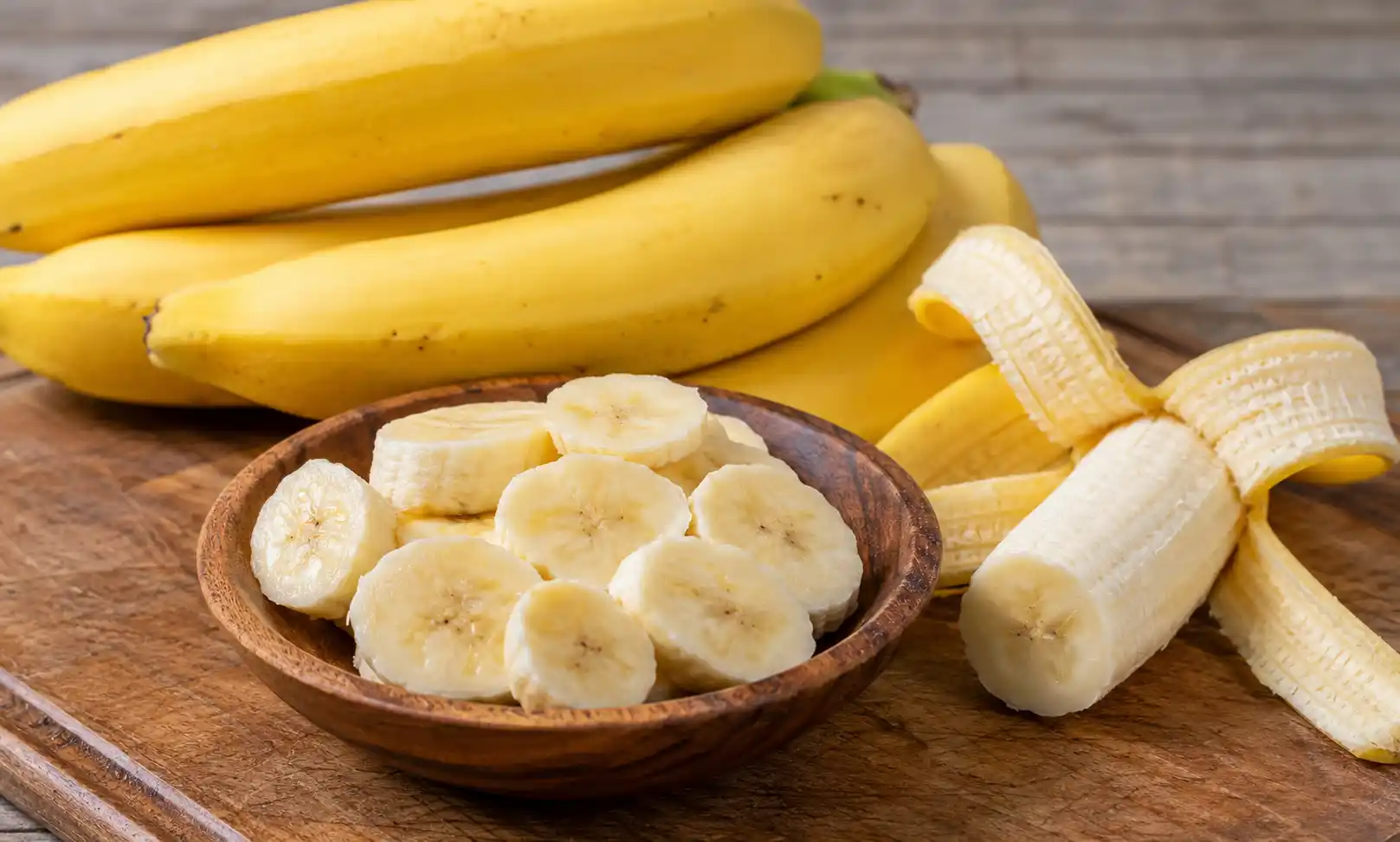
Bananas rank among the fruits people love most around the world, but many people still ask an important question: what nutrients are in a banana?
Maybe you have eaten one before a workout, whipped it into a smoothie, laid it on top of your oatmeal, or simply grabbed it as a snack on the go. Bananas deliver much more than just natural sweetness. They offer essential vitamins, minerals, dietary fiber, and plant compounds that help the body produce energy, support heart health, aid digestion, and promote overall wellness.
Though widely consumed, bananas are frequently the subject of myths. Some individuals steer clear of them, believing that they are high in sugar. Others claim that bananas lead to weight gain or that only athletes should eat them. Actually, the reality is much more fascinating.
Knowing what nutrition exactly a banana has will enable you to make informed choices about your diet and also help you maximize the benefits of this cost-effective and easy-to-eat fruit. Here, we cover the entire nutritional makeup of bananas, the undeniable benefits to health, any potential risks, relevant scientific research, and simple suggestions on how to incorporate them into a balanced diet.
Key Takeaways
-
Bananas are rich in potassium, vitamin B6, vitamin C, fiber, and natural carbohydrates.
-
A medium banana contains about 105 calories.
-
Potassium helps support healthy blood pressure levels.
-
Bananas provide quick and sustained energy.
-
The fiber in bananas supports digestive health.
-
Green bananas contain resistant starch that benefits gut bacteria.
-
Bananas may support exercise performance and recovery.
-
Most healthy adults can safely eat bananas daily.
-
Bananas fit into balanced weight-management diets.
-
Ripeness affects both taste and nutritional composition.
What Is a Banana?
The banana is a type of fruit that we eat, which comes from plants of the genus Musa. While initially a native of Southeast Asia, these fruit-bearing plants are now found in almost all tropical and subtropical climates worldwide.
They have great qualities like being cheap, easy to carry, and very nutritious. It is quite rare for a fruit to have its own natural packaging, and a banana is one of the most effortless healthy snacks you can choose since it comes with its peel.
In fact, bananas are berries if we consider the biological standpoint, and they really grow in large groups called hands. During their time on the tree, their external color will go through a cycle from green to yellow and then to brown; these color transitions indicate that the fruit is changing the proportion of starch and sugar.
Nutritional Profile of a Banana
The actual nutritional charge varies slightly depending on size and ripeness; however, a medium banana (about 118 grams) is typically:
| Nutrient | Amount per Medium Banana |
| Calories | 105 |
| Carbohydrates | 27 g |
| Natural Sugars | 14 g |
| Dietary Fiber | 3.1 g |
| Protein | 1.3 g |
| Fat | 0.4 g |
| Potassium | 422 mg |
| Vitamin B6 | 0.4 mg |
| Vitamin C | 10.3 mg |
| Magnesium | 32 mg |
| Manganese | 0.3 mg |
| Folate | 24 mcg |
This blend of nutrients explains why bananas are widely endorsed by dietitians, athletes, and health care professionals.
What Is the Main Nutrient of Bananas?
Bananas do have a handful of valuable nutrients, but the main one people usually associate them with is potassium.
Potassium is a mineral that our body cannot produce, so we have to get it from the food we eat. It helps a lot of things like:
-
Keeps your blood pressure at a healthy level
-
Makes your muscles work
-
Balances the fluids inside and outside your cells
-
Skilling the nerves
-
Keeping the heart beating regularly
Eating one medium banana can give you around 9 to 10% of the potassium that you need daily if you are an adult.
Bananas have also been popular for their carbohydrate content since they offer a quick source of energy for both the body and brain.
Why Banana Nutrition Matters
Nutrient-dense foods are those that pack a healthy punch of nutrition in very few calories. Bananas are one such food, as not only do they provide a large amount of vitamins and minerals, but they are very low in calories and fat.
In fact, their nutrients play important roles in several bodily functions:
-
Energy production
-
Digestive health
-
Cardiovascular function
-
Nervous system support
-
Muscle function
-
Immune health
Because they are widely available and less expensive, bananas offer the easiest way to improve nutritional quality.
Health Benefits of Banana Nutrition
Supports Heart Health
Potassium is one of the key nutrients for the heart, blood, and blood vessels.
Generally, people get much more sodium than potassium. It is a fact that such a combination without sufficient potassium can be the cause of increased blood pressure.
Bananas contain potassium, which neutralizes sodium and helps maintain normal blood pressure.
And, fiber can positively affect cholesterol levels if it becomes a part of a wholesome diet.
Provides Natural Energy
Bananas are commonly referred to as nature's energy bars.
The type of carbohydrates they contain is a blend of natural sugars and starches that offer both instant and long-lasting energy.
That is why bananas are a great option:
-
Before exercise
-
During endurance activities
-
As a midday snack
-
During periods of mental fatigue
Energy in the form of nutrients is a banana's way of being different from many processed snacks.
Supports Digestive Health
Bananas are rich in dietary fiber, a nutrient known to aid in the maintenance of regular bowel movements and overall digestive health.
Dietary fiber promotes:
-
Improved stool consistency
-
Better digestive regularity
-
Enhanced satiety
-
Support for beneficial gut bacteria
Green bananas are particularly rich in resistant starch, a form of carbohydrate that acts like fiber.
May Improve Gut Microbiome Health
Our digestive system is home to countless friendly microbes that together form the gut microbiome.
By consuming bananas, we are providing the prebiotic substances that our good bacteria need to spread.
A healthy microbiome is associated with:
-
Better digestion
-
Enhanced immune function
-
Improved nutrient absorption
-
Reduced gastrointestinal discomfort
In this respect, green bananas seem particularly useful because of their resistant starch content.
Helps Support Exercise Performance
Athletes regularly consume bananas before and after their workouts.
Several factors make bananas suitable for physical hobbies:
-
Easily digestible carbohydrates
-
Potassium for muscle function
-
Magnesium support
-
Convenient portability
Research indicates that bananas can be an effective herbal fuel source for endurance exercise.
Supports Nervous System Function
Bananas provide nutrition B6, which is involved in over a hundred enzyme reactions throughout the body.
Vitamin B6 helps:
-
Produce neurotransmitters
-
Support brain function
-
Assist metabolism
-
Contribute to immune health
Adequate dietary B6 intake is critical to maintaining normal nervous system function.
May Help with Weight Management
Some people mistakenly avoid bananas because of their carbohydrate content.
However, eating bananas as part of a balanced eating regimen can certainly guide weight control efforts.
Their benefits include:
-
Natural sweetness that may reduce cravings
-
Fiber that promotes fullness
-
Moderate calorie content
-
Convenient healthy snack option
Unhealthy eating does not cause weight gain or weight loss. The regimen as a whole is better remembered.
Understanding Banana Carbohydrates
Bananas change significantly as they ripen.
Green Bananas
Contain more:
-
Resistant starch
-
Complex carbohydrates
-
Less sugar
Yellow Bananas
Contain:
-
Balanced starch and sugar levels
-
Pleasant sweetness
-
Easy digestibility
Very Ripe Bananas
Contain:
-
More natural sugars
-
Less resistant starch
-
Softer texture
This process explains why ripe bananas taste sweeter than green ones.
Are Bananas Good for Seniors?
Yes, bananas can be an exceptional food preference for the elderly.
Benefits for seniors include:
-
Easy to chew and digest
-
Rich source of potassium
-
Provides fiber for digestive health
-
Contains nutrients important for muscle function
-
Convenient and affordable
Older adults who have kidney disease should talk to their healthcare provider about potassium intake, as potassium regimens may be necessary in certain instances
Are Bananas Good for Mucus?
Many people mistakenly believe that eating bananas leads to more mucus.
Research to date shows that bananas do not cause an increase in mucus production among healthy persons.
Eating bananas may, in some cases, cause a person to experience a slight film in their mouth, resulting in a feeling of greater mucus.
Bananas do not trigger excessive mucus in most people and can be safely included in a balanced diet.
Potential Risks and Limitations
Bananas are safe for most people, but some concerns are worth mentioning.
Potassium Restrictions
Individuals with advanced kidney disease may want to additionally monitor potassium intake.
Because bananas are rich in potassium, ingredient management can be important in clinical monitoring.
Allergies
Banana allergy is uncommon but possible.
Symptoms may include:
-
Itching
-
Swelling
-
Hives
-
Digestive discomfort
Anyone experiencing allergy symptoms must seek medical advice.
Portion Awareness
Although a nutritious banana, it also contributes energy and carbohydrates.
Eating asymmetrical amounts can additionally make it difficult to preserve nutritional balance.
Moderation remains critical.
Common Misconceptions About Banana Nutrition
Bananas Are Too High in Sugar
Reality: Bananas pack herbal sugars along with fiber, nutrients, and minerals.
They do not correspond to sugary sweets or desserts.
Bananas Cause Weight Gain
Reality: Weight gain is the result of a chronic calorie surplus, not from banana consumption per se.
Bananas Are Only for Athletes
Reality: People of every age can benefit from banana nutrition.
Green Bananas Are Unhealthy
Reality: Green bananas contain useful resistant starch and can guide gut health.
Best Ways to Add Bananas to Your Diet
Healthy options include:
-
Oatmeal topping
-
Smoothies
-
Yogurt bowls
-
Whole-grain toast with banana slices
-
Fruit salads
-
Homemade energy bites
-
Frozen banana snacks
-
Healthy baking recipes
Pairing bananas with protein or healthy fats can improve satiety and create a more balanced snack.
Examples include:
-
Banana with peanut butter
-
Banana with Greek yogurt
-
Banana with nuts
Scientific Evidence Behind Banana Nutrition
Research always helps with the food value of the climax, with bananas.
Scientific research has linked eating more fruit to:
-
Better cardiovascular health
-
Improved digestive function
-
Reduced risk of chronic diseases
-
Better dietary quality overall
The blend of potassium, fiber, vitamin B6, vitamin C, and bioactive plant compounds makes bananas a nutrient-rich food, supported with the help of food technology
Future Perspectives on Banana Nutrition
Researchers continue studying:
-
Resistant starch benefits
-
Gut microbiome interactions
-
Athletic performance applications
-
Cardiovascular effects of potassium-rich diets
As nutritional technological know-how evolves, bananas continue to be recognized as one of the most sensitive and nutrient-dense foods in the world
Frequently Asked Questions
What are the benefits of eating a banana?
Bananas provide potassium, fiber, vitamin B6, vitamin C, and carbohydrates that support strength, coronary heart fitness, digestion, and muscle features.
What is the main nutrient of bananas?
Potassium is generally considered the maximum good nutrient in bananas, although they provide fiber and vitamin B6.
Are bananas good for mucus?
Current evidence does not indicate that bananas increase mucus production in healthy individuals.
What's the best time to eat a banana?
Bananas can be enjoyed at any time of the day. Many people eat them before an exercise routine, at breakfast, or as a healthy snack between meals.
Are bananas good for seniors?
Yes. Bananas are rich in nutrients, easy to consume, and provide potassium and fiber that can support healthy aging.
Can I eat a banana every day?
Most healthy adults should eat bananas appropriately every day as part of a balanced eating regimen.
Are bananas good for weight loss?
Bananas can guide weight-management dreams because they include fiber and help promote fullness.
Which banana is healthier: green or yellow?
Both are nutritious. Green bananas incorporate more resistant starch, while yellow bananas are sweeter and easier to digest.
Do bananas contain protein?
Yes, but best in small doses. A medium banana contains about 1.3 grams of protein.
Are bananas good after exercise?
Yes. Their carbohydrates and potassium make them a well-known post-workout meal.
Conclusion
Knowing precisely what nutrition is in a banana makes us appreciate the reason this fruit has been part of human diets for a very long time. A banana gives a great blend of nutrients like potassium, dietary fiber, vitamin B6, vitamin C, magnesium, and natural carbohydrates all in one pack. Besides being affordable and easily accessible, they help with heart health, digestion, energy production, and general health.
The truth is, even though bananas are loaded with vitamins and minerals, they are not some kind of magical food. Their main contribution is when they are eaten with other healthy foods such as fruits, vegetables, whole grains, lean meats, and fats. For most individuals, a banana stands as one of the easiest, most effective ways to get better nutrition daily and maintain health in the long run.

Comments ( 0)
Leave a Comment
No comments yet. Be the first to comment!