

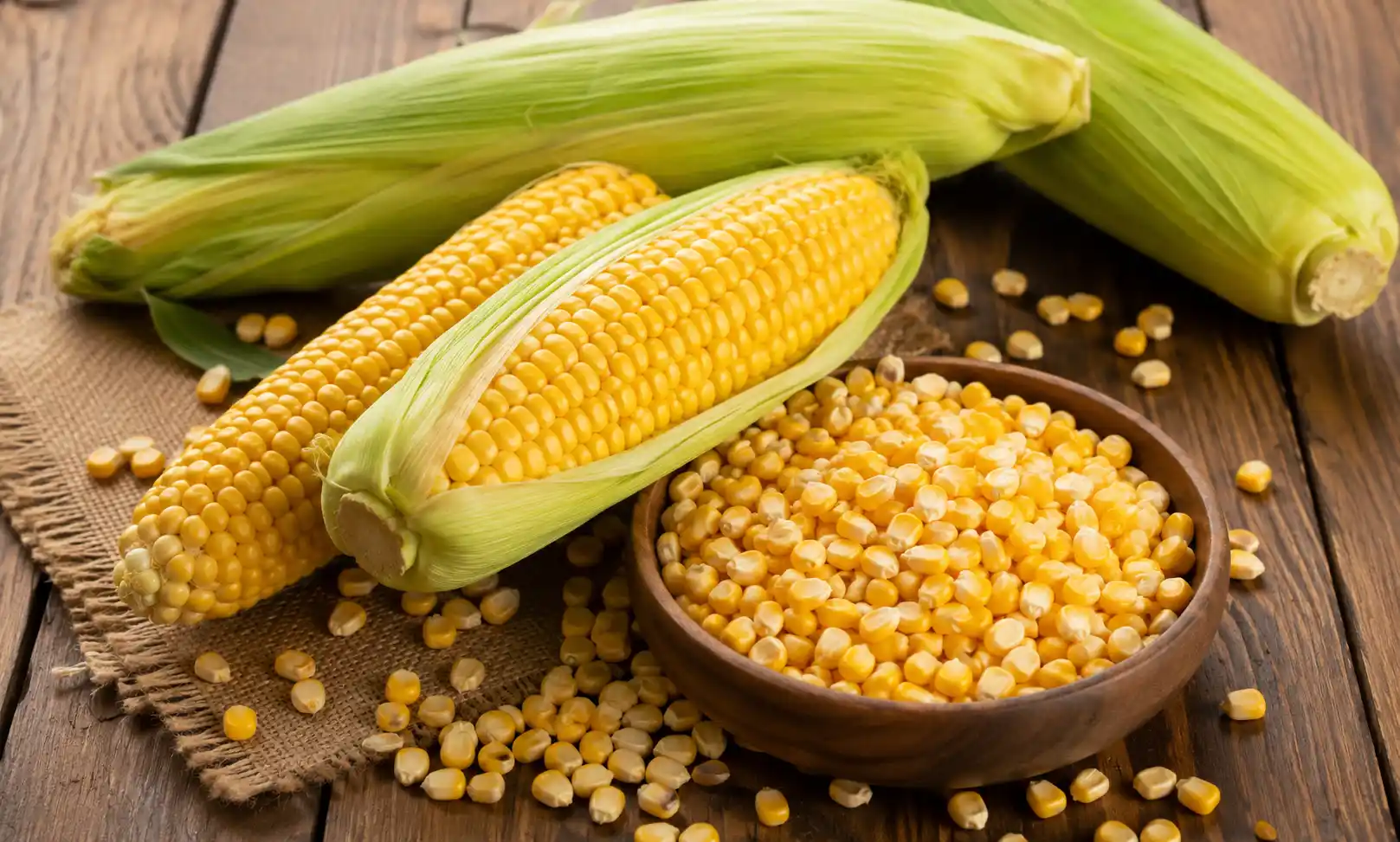
Maize is a nutrient-rich food due to its abundant carbohydrates, dietary fiber, vitamins, and minerals, as well as beneficial plant compounds. Maize provides energy, supports digestive health, contributes to heart health, and contains vital nutrients, including vitamins B and E, magnesium, phosphorus, and antioxidants like lutein and zeaxanthin, which promote overall health.
Introduction
Ever wonder why maize is one of the world's most significant staple foods for thousands of years? Maize is part of the daily diet of millions of people, from eating corn on the cob and popcorn to making cornmeal and tortillas. Maize has much more than just carbohydrates, so exploring the nutritional value of maize is worthwhile, particularly when it comes to its versatility and taste.
When eaten as part of a balanced diet, maize can be part of everyone's diet and offer energy, nutrients, fibre, and natural antioxidants that can benefit overall health. From enhancing nutritional status to managing weight to promoting digestion, knowing about the nutrients in maize can help you maximize the grain's benefits, whether you're looking to improve your nutrition, manage your weight, support digestion, or simply make healthier food choices.
Key Takeaways
-
Maize is a nutrient-rich grain that provides carbohydrates, fiber, vitamins, and minerals.
-
It is an excellent source of energy for daily activities.
-
Maize contains antioxidants that support eye health.
-
The fiber in maize promotes digestive wellness.
-
Whole maize products are generally more nutritious than highly processed corn products.
-
Maize can fit into a healthy weight-management plan when eaten in moderation.
-
Different maize-based foods offer varying nutritional benefits.
What Is Maize?
In many parts of the world, maize is referred to as corn, and is one of the oldest (thousands of years) and most widely cultivated crops in the world. It is a primary food source for billions of people and is used in a myriad of food products.
There are a number of varieties of maize, such as sweet corn, dent corn, flint corn, popcorn, and flour corn. Several varieties are used as food, but others are used in the manufacturing of cornmeal, corn flour, cereals, tortillas, and many food ingredients.
Maize is a popular crop among people because it is cheap, readily available, multi-purpose, and nutritious. Maize plays a significant role in the daily intake of calories and nutrients in many countries.
What Is the Nutritional Value of Maize?
Maize is a source of several macronutrients and micronutrients, which support health. Maize serves as a source of carbohydrates for energy, contains moderate amounts of protein, dietary fibre, vitamins, and minerals, and contains protective phytochemicals.
Whole maize is especially useful as it retains the nutritional value of the bran, germ, and endosperm. The nutritional profile can differ based on the type of maize and its preparation.
Complete Nutrition Breakdown of Maize
The following values represent approximately 100 grams of cooked yellow corn kernels.
| Nutrient | Amount |
| Calories | 96 kcal |
| Carbohydrates | 21 g |
| Protein | 3.4 g |
| Fat | 1.5 g |
| Dietary Fiber | 2.4 g |
| Sugar | 4.5 g |
| Magnesium | 37 mg |
| Phosphorus | 89 mg |
| Potassium | 270 mg |
| Folate | 42 mcg |
| Vitamin B1 (Thiamin) | 0.15 mg |
| Vitamin B3 (Niacin) | 1.7 mg |
Maize is a very efficient source of energy as it contains the highest percentage of carbohydrates. The fiber can aid in digestion, and the vitamins and minerals have a variety of functions in the body.
Vitamins, Minerals, and Important Compounds in Maize
Thiamin (Vitamin B1)
Thiamin is important for the body to use food for energy. It is important for nervous system function, healthy metabolism, and energy production.
The right amount of thiamin supports energy production and the normal function of cells.
Folate
Folate is needed for growth, DNA production, and development. It's especially crucial during pregnancy and is important for proper fetal growth.
Maize is a good source of nutritional folate in the human diet.
Magnesium
The body utilizes hundreds of biochemical processes with the aid of magnesium. It helps with muscle activity, nerve transmission, bone health, and energy creation.
Magnesium foods, such as maize, are beneficial because many people do not consume enough magnesium in their diet.
Phosphorus
Phosphorus cooperates with calcium to promote strong bones and teeth. It is also a component of energy metabolism and cell repair.
This important mineral is moderately available in maize.
Potassium
Potassium is involved in the regulation of fluid balance, nerve signals, and muscle contractions. It also helps in keeping blood pressure healthy.
Potassium-rich foods can be beneficial for cardiovascular health.
Lutein and Zeaxanthin
Yellow maize contains powerful antioxidants naturally. They build up in the retina and are thought to support eye health.
They are commonly linked to good vision and eye protection in older age.
Health Benefits of Maize Backed by Science
Bone Health
Maize is a food that provides phosphorus and magnesium—both minerals are important for healthy bones. Maize should not be considered a major source of bone-supporting nutrients, but it can provide some minerals in the diet.
Maize can form a part of a well-balanced diet pattern with calcium-rich foods, fruits, and vegetables to support the skeletal system when combined with regular physical activity.
The health of bones relies on many different nutrients, all interconnected. Maize provides some of these nutrients in a balanced diet.
Muscle Health
Carbohydrates are an important source of fuel for muscles, particularly during exercise. Maize offers quickly available energy, which may assist in exercise performance and recovery.
It also has a moderate protein level, which provides amino acids for muscle maintenance and repair.
Whole grains and starchy vegetables, such as maize, can be useful for people who are active.
Heart Health
The whole maize is a source of fiber and good plant compounds, which can help promote cardiovascular health. As a part of a heart-healthy diet, fiber may be useful for helping to manage cholesterol.
Maize potassium aids in maintaining normal blood pressure levels, a key factor in heart health.
Adopting the use of minimally processed maize products rather than highly refined products can maximise these benefits.
Digestive Health
Maize's greatest asset to diets is its fiber content. The dietary fiber supports digestion and normal bowel movements and makes the digestive system comfortable.
Fiber is also a food source for healthy gut bacteria, which helps maintain a healthy gut environment.
Those who eat enough fibre tend to have improved digestive function and increased fullness.
Immune Support
Corn contains numerous vitamins concerned with aiding daily immune functions, including folate and antioxidants.
A strong immune system is based on many vitamins, minerals, proteins, and a healthy lifestyle. While corn is not a miracle food, it does contribute useful nutrients to the general picture.
Containing numerous nutrient-rich ingredients alongside corn allows for a more powerful food base.
Weight Management
Many people expect corn to robotically gain weight because it contains carbohydrates. This is an illusion.
A whole chicken can guide weight control due to its fiber content, which enables full satiety and reduces hunger between meals.
Portion manipulation remains essential, but corn can be healthy without being hard on a balanced weight loss or weight-maintenance plan.
Hydration
Freshly sweetened corn includes large amounts of water. Although water consumption does not need to be updated, it does contribute to overall fluid consumption.
Foods with a very high water content can help with hydration as part of a healthy weight loss plan.
The benefits of irrigation are similarly increased by combining vegetables with the end crop of maize.
Eye Health
Yellow corn contains lutein and zeaxanthin, antioxidants strongly associated with eye health.
These compounds help filter out harmful blue light and can contribute to visible wellness in the long run.
Regular consumption of these antioxidant-rich foods can be part of an imaginative and pro-consumption pattern.
Additional Benefits
Maize offers a long shelf life, making it beneficial for active people and growing children.
Its versatility allows it to be shaped into many cultural foods and healthy eating plans.
Whole chicken merchandise also offers a full texture and flavor that can encourage greater consumption of nutrient-rich foods.
Maize vs Other Popular Grains
Maize vs Rice
Rice generally contains much less fiber than whole chicken. Corn provides many more antioxidants, especially the yellow variety.
Rice is easier to digest for a number of people, as chicken can also provide extra satisfaction due to its fibrous content.
Maize vs Wheat
Wheat often carries extra protein, but corn is naturally gluten-free.
People with gluten sensitivity or celiac disease prefer corn-based items as an alternative to regular wheat.
Maize vs Oats
Oats usually provide more soluble fiber and protein. However, corn offers special antioxidants such as lutein and zeaxanthin.
Both ingredients can be part of a healthy weight-loss plan based on a person’s nutritional needs.
Who Should Consume Maize?
Maize can be beneficial for:
-
Active individuals need energy.
-
Children and adolescents during growth periods.
-
People are seeking gluten-free grain alternatives.
-
Individuals looking to increase fiber intake.
-
Families want affordable, nutritious staple foods.
-
Vegetarians and plant-based eaters are seeking diverse carbohydrate sources.
Who Should Limit or Avoid Maize?
People with a corn allergy should steer clear of maize completely.
Those with certain digestive issues like to eat smaller amounts so their bodies can handle them.
People who have problems controlling their blood sugar levels are advised to be mindful of portion sizes and to eat maize together with protein, healthy fats, and fiber-rich foods.
In general, highly processed corn products are best limited as they often contain added sugars, fats, or sodium.
Best Ways to Use Maize
-
Enjoy boiled or grilled corn on the cob.
-
Add corn kernels to salads and soups.
-
Use whole-grain cornmeal in recipes.
-
Choose air-popped popcorn as a healthier snack.
-
Include corn in vegetable-based dishes.
-
Pair maize with beans for improved protein quality.
-
Choose minimally processed maize products whenever possible.
Common Mistakes People Make
Most people confuse themselves by thinking that all corn products are equally nutritious. Usually, whole maize has higher nutritional value than the snack corn that is heavily processed.
Others mistake maize for being sufficient as the only grain source. Different foods are indeed necessary for nutritional balance.
Besides, many people overlook the importance of portion sizes. For instance, although maize is a healthy food, eating a large amount of any carbohydrate-rich food will definitely lead to a surplus of calories.
Also, a few people wrongly consider maize as an unhealthy food just because it contains carbohydrates. Then again, carbs are a major source of energy as long as they are consumed in the right amount.
Expert Tips
-
Choose whole maize products whenever possible.
-
Pair maize with protein-rich foods for balanced meals.
-
Include colorful vegetables alongside maize dishes.
-
Limit heavily processed corn-based snack foods.
-
Use air-popped popcorn instead of butter-loaded versions.
-
Practice portion awareness while maintaining dietary variety.
-
Focus on overall eating patterns rather than single foods.
Frequently Asked Questions
Is maize healthy to eat every day?
Maize is definitely a healthy food and can be included in the daily diet, mainly when the quantities are kept under control. It offers energy-giving carbohydrates, dietary fiber, a range of vitamins, and minerals, which are all beneficial for one's nutrition. A good way of ensuring a well-rounded diet is, in fact, to eat maize in combination with other food groups such as vegetables, lean proteins, and healthy fats. It is also essential to keep introducing different foods to the diet, and because of this, maize should only be one of the various kinds of grains consumed in a balanced diet.
Is maize good for weight loss?
When eaten within a calorie-controlled diet, maize can be a beneficial food for weight-loss efforts. Being rich in fiber, it could aid in making you feel fuller for longer and decreasing your appetite. In general, whole maize products tend to be more satiating than refined grain products. The rightful portion size and the overall quality of the diet are the most crucial factors for the effective management of body weight.
Does maize contain protein?
Maize does really have protein, but it is not classified as a high-protein food. It gives an intermediate amount that can be one of the sources of daily protein intake. Improving overall protein quality is possible by combining maize with legumes like beans. This mixture is very often found in many traditional diets around the world.
Is maize better than rice?
Maize is a very good source of fiber as well as some antioxidants, while rice is often easier to digest. In fact, a lot depends on your dietary needs, health goals, and personal preferences. Both can be part of a healthy diet.
Is maize gluten-free?
Really, natural maize contains no gluten, which is great for people with celiac disease or gluten intolerance. However, processed maize products have to be carefully checked for the possibility of contamination or additional gluten-containing ingredients.
What vitamins are found in maize?
Maize is a good source of several B vitamins like thiamin, niacin, and folate. These vitamins really help in making energy, functioning of the nervous system, and keeping cells healthy. Still, the specific amount of each vitamin species depends on the type of maize and how it's prepared.
Is popcorn as nutritious as maize?
Popcorn is actually a kind of maize. Air-popped popcorn keeps most of the nutrients of whole grain maize, like fiber. But lots of butter, sugar, or salt will greatly lessen the health benefits of popcorn. Plain or lightly seasoned popcorn is normally the most wholesome option.
Can people with diabetes eat maize?
Many diabetics can include maize in their diet. Still, due to Truth is maize contains carbohydrates which raise blood sugar levels, portion control is crucial. Maize, when combined with protein, fiber, and healthy fats, might help to regulate blood sugar levels better. Since each person is different, getting advice from a dietary professional might be a great help.
Conclusion
Discovering the nutritional value of maize explains why this cereal is still one of the main sources of food worldwide. In fact, maize is a source of energy, dietary fiber, vitamins, minerals, and antioxidants that help the body in various ways. For example, it fosters digestive health, heart health, eye health, and good nutrition when eaten as part of a balanced diet.
Choosing whole or less refined maize products, controlling the amount you eat, and complementing maize with other healthy foods are the best and most natural ways to enjoy both the nutritional advantages and the great variety of dishes in which you can use maize.
Article Summary
-
Maize provides carbohydrates, fiber, vitamins, minerals, and antioxidants.
-
Whole maize products offer greater nutritional value than highly processed alternatives.
-
Maize supports digestive, heart, eye, and overall health.
-
Yellow maize contains lutein and zeaxanthin for vision support.
-
Balanced consumption of maize can be part of a healthy lifestyle and a nutritious diet.




Comments ( 0)
Leave a Comment
No comments yet. Be the first to comment!