

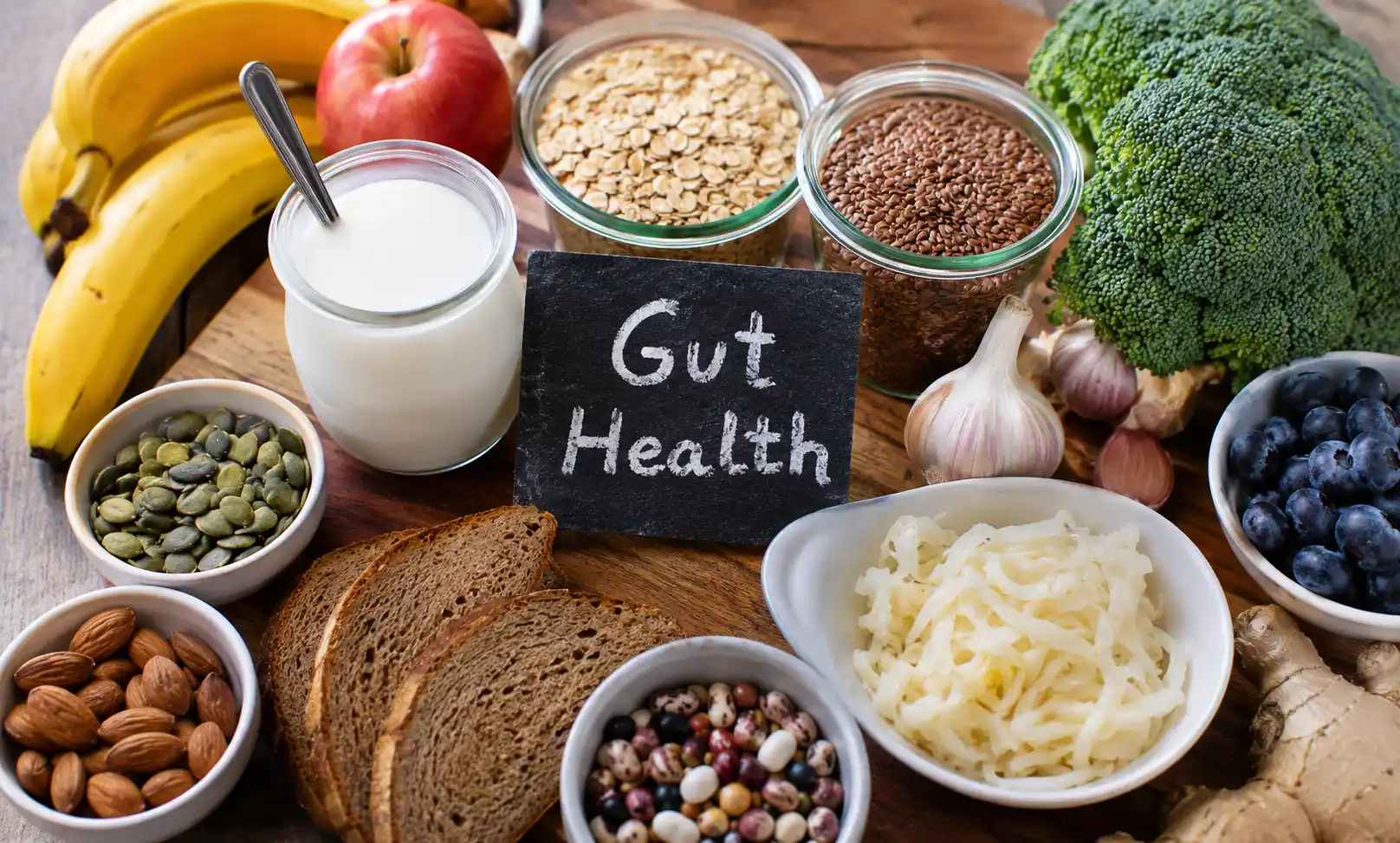
Foods for gut health include fibrous vegetables, fruits, whole grains, legumes, nuts, seeds, and fermented foods like yogurt and kefir. These foods provide fiber, prebiotics, probiotics, and plant compounds that support digestion and help maintain a diverse community of beneficial microbes in the gut. They do it
Table of Contents
-
What Are Foods for Gut Health?
-
Why Gut Health Matters
-
Best Foods for Gut Health
-
Important Nutrients for a Healthy Gut
-
Fermented Foods and the Gut Microbiome
-
Who May Benefit From a Gut-Friendly Eating Pattern?
-
Possible Downsides and Considerations
-
How to Include Gut-Friendly Foods in Everyday Meals
-
Common Gut Health Myths vs. Facts
-
Frequently Asked Questions
-
Conclusion
Key Takeaways
-
Plant foods rich in fiber provide fuel for gut microbes and offer numerous benefits.
-
Prebiotic ingredients contain compounds that can be fermented by certain beneficial microorganisms.
-
Fermented foods can also provide live microorganisms, although not all fermented foods contain probiotics.
-
Different fibers and plant compounds can be obtained by eating a number of plant materials.
-
Overall dietary patterns should count as more than one supposed “overeating” instance.
Introduction
Gut health is a major nutrition topic nowadays, and the reason for that goes well beyond digestion. There are so many different tiny creatures living in the human digestive tract that they have been nicknamed 'the gut microbiome'. Many factors besides diet can affect the balance and composition of this microbial community.
There is a whole list of gut-friendly food items that contain at least one of these ingredients: dietary fiber, resistant starch, prebiotics, probiotics, or polyphenols. But the key is to know the difference between what they really do in the gut versus the kind of claims made in the nutritional marketing. We hope you enjoy our article, which explains essential 'foods for gut health,' the importance of different types of fiber, the characteristics of fermented vs. probiotic foods, and various ways to incorporate these into a healthy eating pattern.
What Are Foods for Gut Health?
In general, food that nourishes gut health consists of foods that deliver nutrients or compounds that support the normal function of the digestive system or the gut microbiome.
It mostly consists of minimally processed plant-based foods— vegetables, fruits, beans, lentils, whole grains, nuts, and seeds. And consuming some fermented foods can be very helpful, as they are rich sources of beneficial bacteria.
Yet, gut health itself is not just a matter of a single food. Genetic factors, medications, sleep patterns, stress levels, physical activity levels, age, overall health, environmental factors, and diet can impact both the digestive system and the microbiome.
One great strategy for eating for gut health is to focus on variety rather than perfection. Since different plants vary in their fiber and phytochemical composition, they offer the digestive tract an opportunity to metabolize a more diverse set of compounds.
Why Gut Health Matters
Gut has several critical functions: digestion, nutrient and water absorption, waste elimination, and close interaction with the immune system. Besides, the gut microbiota helps break down certain dietary components. Some gut bacteria degrade fibers that the human digestive system cannot fully process. This leaves residual fibers that must be dealt with by other microorganisms.
This degradation process may yield SCFAs such as acetate, propionate, and butyrate. Such SCFAs are of great interest in dietetics research because they can interact with intestinal cells and other tissues in the body. Also, the microbiome is studied in relation to metabolism, immunity, and the gut-brain axis.
So-called "gut health foods," or foods that can restore gut health based solely on their effects on the microbiome, are often based on exaggerated claims without solid research.
Best Foods for Gut Health
1. Yogurt With Live Cultures
Yogurt, which is made by bacteria fermenting milk. It would be considered to have live and active cultures if the microorganisms were still alive. Yogurt also brings protein, calcium, phosphorus, and other nutrients.
The exact composition is dependent on the type of milk (and other ingredients) used. More specifically, a product with 'yogurt' on its label does not necessarily exhibit the same 'probiotic' characteristics as other yogurts.
Different strains and different processing.
2. Kefir
Kefir is another type of fermented dairy food. Like yogurt or sour milk, it is usually made with cultures of bacteria and yeasts that also make the drink somewhat thinner in texture and slightly sour in taste.
Given that the composition of the microbes in kefir products is different depending on the source, kefir should be seen as just one food in a diverse range of dietary options. Rather than a cure-all, change to the gut microbiome.
In addition, kefir is enriched with nutrients that you would naturally also find in milk products, like protein and calcium.
3. Oats
Oats are good for us because one of their nutrients is a type of soluble fiber, mainly beta-glucans. To some extent, fibers move through to parts of the gut where carbohydrates are digested, which may not do so.
Certain fibers, such as those discussed here, are broken down by gut microorganisms and, in the process, give rise to metabolites. For example, if they can produce short-chain fatty acids, that'll be great for the body. Besides that, oats are a versatile cereal grain.
They can be mixed with healthy snacks like fruit, nuts, and seeds, as well as yogurt, so if you combine them, you'll easily get a gut-friendly meal.
4. Beans and Lentils
Legumes such as beans, chickpeas, peas, and lentils are great sources of dietary fiber, plant protein, resistant starch, vitamins, minerals, and phytochemicals.
They also contain fibers and carbohydrates that the intestinal microorganisms can use as substrate. Some people might experience gas or bloating when
they start eating beans, which is caused by the gases from bacterial fermentation. People's digestion varies greatly from one person to another.
5. Onions and Garlic
Onions and garlic both contain fructans, which are carbohydrates that serve as prebiotics for gut bacteria.
In addition, they offer many plant-based chemical properties and can enhance taste without overreliance on salt or expensive, fancy sauces.
Unfortunately, fructans may cause digestive problems for some people, especially those sensitive to carbohydrates that ferment in the digestive tract. A food can be generally friendly to the microbiome, yet still be difficult for a specific person to stomach.
6. Bananas
Bananas contain fiber, potassium, vitamin B6, and some plant compounds. The content of their carbohydrate changes along ripening
Less ripe bananas often contain resistant starch. Resistant starch is not fully digested in the small intestine, and microbes further along in the digestive tract ferment it
7. Berries
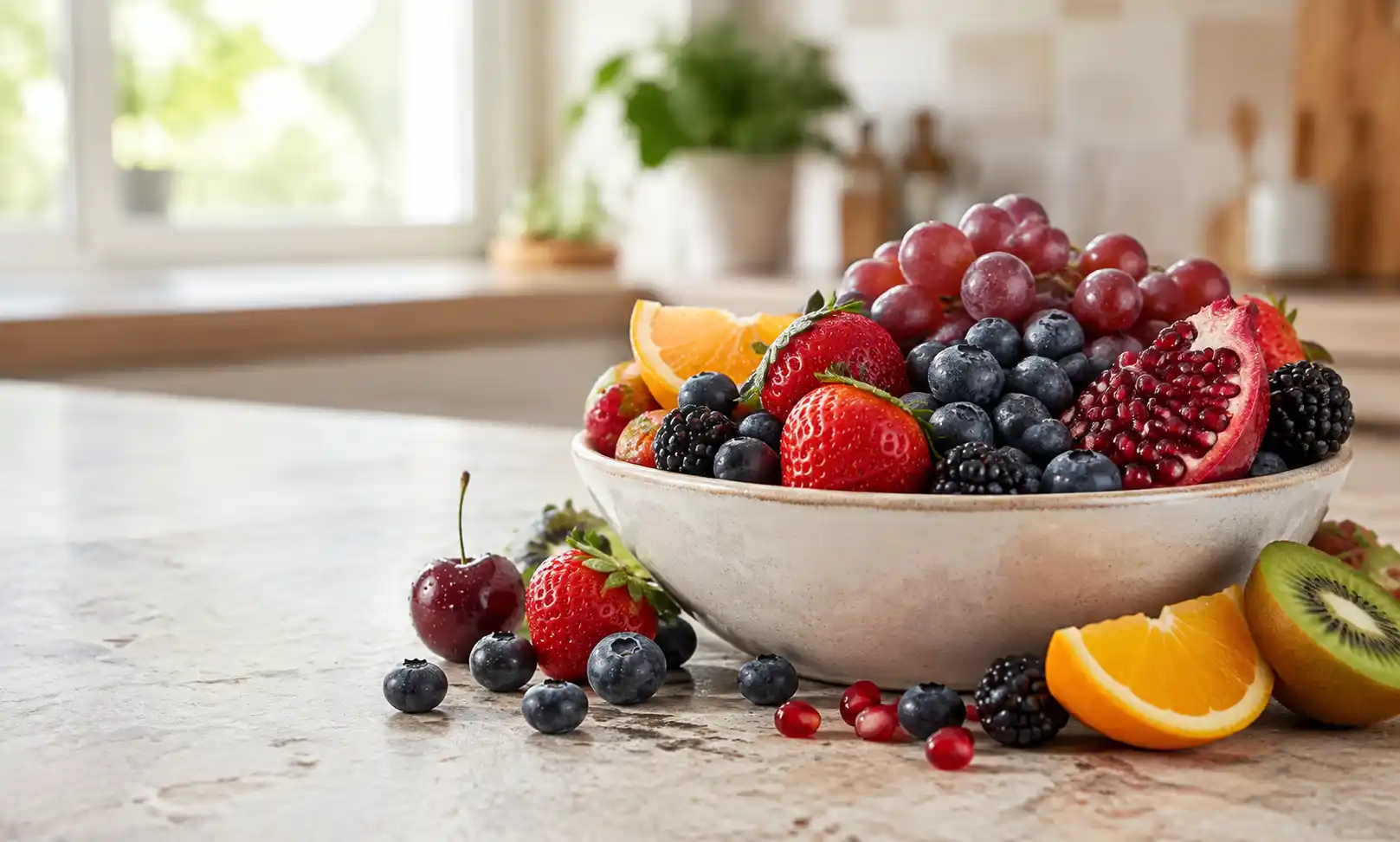
Blueberries, strawberries, blackberries, and raspberries are rich sources of fiber, minerals, and many other beneficial compounds. They contain numerous antioxidants, as well as vitamins C and E.
These fruits are an attractive option for those wanting to increase their fiber or phytochemical intake. Berries are notable not only for their polyphenolic content but also for current research on gut microbiome interactions.
Different types of berries have different fiber content. Still, types with many tiny seeds, such as raspberries and blackberries, might be a significant source of dietary fiber.
8. Apples
Apples offer fiber, and one component is pectin, a soluble fiber.
In addition, apples are packed with polyphenols, particularly in and around the skin. The fiber and polyphenol could work hand in hand with microbial populations in the gut
When eaten altogether, apples not only preserve their structure but also their fiber content. Then again, apple juice has significantly less fiber, which supports the idea that different forms of the same food are not nutritionally equivalent.
9. Whole Grains
Whole grain products like oats, barley, whole wheat, brown rice, and rye are the only ones that contain the bran, the germ, and the endosperm.
As such, when compared to their refined versions, they usually contain more fiber and many naturally occurring vitamins and minerals.
Grains differ in their fiber composition, which is another reason why dietary diversity is a good idea.
10. Nuts and Seeds
The combination of fiber, unsaturated fats, protein, minerals, and plant compounds is found in several foods together. Almonds, walnuts, pistachios, chia seeds, and flaxseeds are some of these foods.
Fiber is a kind of food substance that passes through the digestive process and reaches the lower bowels. At the same time, the fats can help the overall dietary pattern by adding more nutrients.
A type of seed, such as chia, also soaks up some of the liquid and forms a gel-like texture because it contains soluble fiber.
11. Fermented Vegetables
Traditional fermented foods like sauerkraut and kimchi may remain rich in live microbes even after fermentation if they have not undergone heat treatment. Pasteurization destroys or reduces the number of viable microorganisms, so that only some fermented vegetable products have live bacterial cultures.
Beyond the potential health benefits of living bacteria, fermented vegetables can be a source of a lot of sodium, which is an essential mineral in the human body. Because of this, the nutritional value of fermented vegetables must be evaluated in the context of an individual's total diet.
Important Nutrients for a Healthy Gut
Dietary Fiber
Fiber has to do with one's digestion, and it has been proved time and again that it is one of the dietary components you can count on when it comes to maintaining a sound gastrointestinal system.
Soluble and insoluble fibers, however, differ in their physical characteristics. Some fibers, for example, will dissolve in water and form a gel when absorbed or can be fermented quickly. Some others will simply add volume, which in turn will help the digestive system expel its contents.
The most common sources of fiber include vegetables, fruits, whole grains, legumes, nuts, and seeds.
Prebiotics
A prebiotic is not just a lesser-known form of "fiber". Prebiotics.
They are defined as a substrate that is selectively utilized by host microorganisms, thereby conferring a benefit to the host.
It can also be certain fibers and resistant carbohydrates. Prebiotic foods, containing naturally occurring substances, are garlic, onions, leeks, asparagus, oats, and some bananas.
Probiotics
Probiotics are live bacteria administered in adequate amounts that provide health benefits to the host. Because of this, "fermented" and "probiotic" are not synonymous terms.
Fermented foods can be alive, but do not necessarily have supporting evidence for a particular probiotic effect.
That's a distinction that is often missed in online gut-health information.
Polyphenols
Polyphenols are an abundant class of phytochemicals found in foods like berries, cocoa, green tea, apples, nuts, herbs, and many vegetables. The interaction between polyphenols and gut microbes is an ongoing area of research.
Polyphenols may be converted or altered by microbes.
Alternatively, polyphenols may affect microbial activity. This territory is promising, but many individual effects are still being explored.
Fermented Foods and the Gut Microbiome
Food fermentation has been used for several thousand years. Microbes have the characteristic of changing some constituents of the food in question.
Including yogurt, kefir, kimchi, sauerkraut, miso, and other traditional fermented foods.
Bacteria survival is just one component of a probiotic food. Processing, heating, storage conditions, strains used, and testing are just a few other factors.
Instead of viewing fermented foods as a "gut cure," they can be regarded as one component of a varied diet.
Who May Benefit From a Gut-Friendly Eating Pattern?
Adults With Low-Fiber Diets
Those whose diets are low in vegetables, legumes, whole grains, fruits, nuts, or seeds would have their diets restricted.
Adding more plant variety can increase the diversity of fibers within a specific dietary regimen and provide phytochemicals.
Older Adults
Diet is pleasant, appetite, medicinal drugs, lifestyle, and physical modifications can change with age.
Good enough fibrous components and general nutrients remain important components of healthy intake in older adulthood, although individual nutritional and digestive needs may vary
Vegetarians
The plant-predominantly based intake model clearly provides many potential resources of fiber, prebiotics, and carbohydrates.
Beans, lentils, whole grains, vegetables, parsnips, nuts, and seeds can contribute to a wide range of nutrients.
Busy Adults
The gut-pleasing stuff doesn’t have to require complicated recipes.
Oats, canned beans, frozen greens, fruits, whole grain foods, plain yogurt, and eggs are sensible choices that can make the diet range less complicated
Possible Downsides and Considerations
More fiber for each person doesn’t make it more robotic.
A sudden increase in fermentable carbohydrates can cause gas, bloating, or changes in bowel habits. Some humans also have medical conditions that affect which ingredients they tolerate.
Fermented goods present different concerns. Some options may be high in sodium or delivered sugar, and fermented milk content is wrong for humans with dairy allergic reactions
Food intolerances are noticeably individualized. Persistent abdominal pain, changes in the colon, unexplained weight loss, blood in the stool, or other digestive signs require evaluation by a qualified health care professional, preferably through the food web.
How to Include Gut-Friendly Foods in Everyday Meals
A gut-friendly intake model can be created from regular ingredients rather than specialty items.
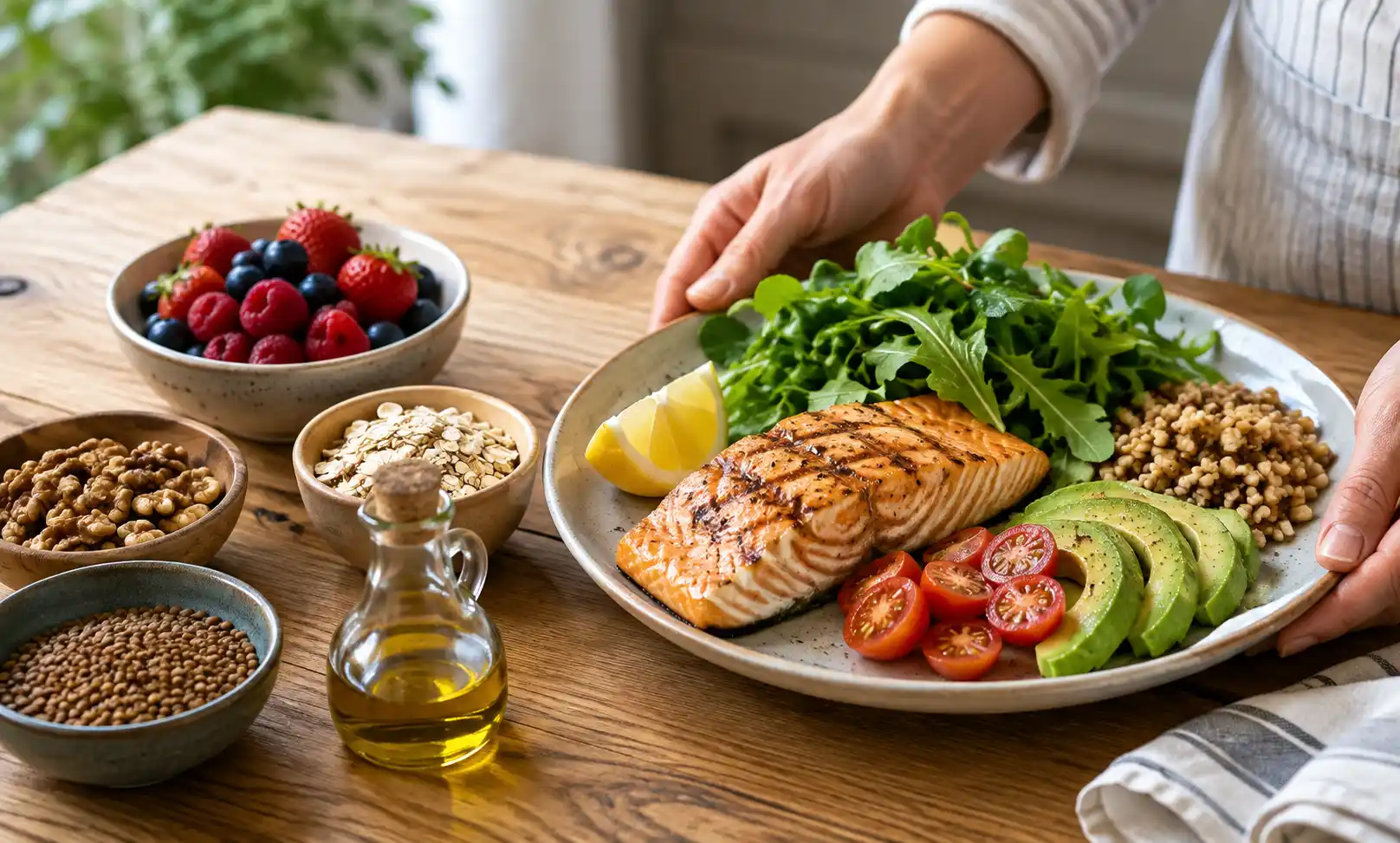
Breakfast would likely integrate oats with berries, seeds, and live-cultured yogurt. You may want to include whole grains, beans, and several greens in your lunch. Fruits and nuts each provide additional fiber and plant compounds.
Variation throughout the week can be especially useful. Rotating between beans, lentils, special greens, culms, grains, nuts, and seeds exposes the digestive tract to extraordinary types of fiber
Cooking additionally packs meals. Some starch can be regulated as resistant starch by cooling cooked potatoes, rice, or pasta, although amounts depend on food and preparation technique
No single food determines the fitness of an intestine. Patterns of long-term consumption are more important than the occasional “gut detox” meal.
Common Gut Health Myths vs. Facts
| Myth | Evidence-Based Fact |
| One superfood can fix gut health. | Gut health is influenced by overall diet, lifestyle, health, medications, and many other factors. |
| Every fermented food is probiotic. | Only specific live microorganisms with demonstrated benefits meet the definition of a probiotic. |
| All bacteria are harmful. | The gut normally harbors enormous microbial communities with diverse functions. |
| Juice cleans the digestive system. | The liver, kidneys, and digestive system already handle waste processing and elimination. |
| More fiber is always better. | Fiber is important, but tolerance and individual digestive needs vary. |
Frequently Asked Questions
What foods are best for gut health?
Vegetables, fruits, legumes, whole grains, nuts, and seeds, which are rich in fiber, are among the best options one can choose. Other microorganisms might be found in fermented foods with live cultures. Instead of limiting attention to one kind of food, the research, as a rule, endorses examining overall dietary quality, fiber intake, and the variety of plants consumed.
What foods naturally contain probiotics?
Certain yogurts and kefir have live cultures; some unpasteurized fermented vegetables might contain live microbes. Yet, finding live microbes in food does not necessarily mean it qualifies as a probiotic under scientific standards or offers verifiable health benefits.
Are bananas good for gut health?
Bananas are rich in fiber and starches that resist digestion. Though the starch content of bananas undergoes a chemical alteration during ripening. Such carbohydrates may affect intestinal microbiota. So, it is recommended that you include bananas in a fiber-rich, diverse diet, but note that your diet is not limited to bananas!
Why is fiber important for gut health?
Dietary fiber supports normal digestive symptoms, and some fiber can be fermented by intestinal microbes. This fermentation produces compounds that contain short-chain fatty acids. Different plant materials provide exclusive fiber, making nutritional diversity useful to get a comprehensive combination of fermentable and non-fermentable carbohydrates
Can diet change the gut microbiome?
Research indicates that nutritional patterns can influence the composition and metabolic activities of the gut microbiota. But reactions among people fluctuate and even shape the microbiome, influenced by age, medications, environment, fitness, genetics, and lifestyle. Scientists hold to analyze what unique microbial adjustments mean for health.
Conclusion
There are no highly prized, gut-health-specific foods or intensely priced “microbiome enhancers”. Many familiar foods include vegetables, whole grains, beans, lentils, nuts, seeds, yogurt, and kefir. So might fermented foods
Their fees come from a combination of fiber, resistant starch, plant compounds, nutrients, and, in some cases, stagnant microbes. Current evidence supports a focus on dietary variation and standard meals in the beautiful, rather than predicting a single aspect that will change the microbiome.
Gut-fitness studies are rapidly advancing, so it remains important to distinguish established evidence from emerging findings. Individual digestive desires and food tolerances are also varied, and any digestive symptoms are appropriately discussed with a certified healthcare professional
Disclaimer: This article is intended to be most effective for academic and informational purposes. This is not a clinical recommendation and should not be used as a substitute for professional medical evaluation, diagnosis, or treatment.


Comments ( 0)
Leave a Comment
No comments yet. Be the first to comment!