

Introduction
The human body depends on a constant intake of nutrients for various functions like generating energy, retaining muscle mass, ensuring a proper immune system, and healing tissues that have been damaged. Generally, our body gets these nutrients from the food we eat after digestion and absorption through the stomach and intestines. But, what if due to some reason the digestive system is unable to do this main function? Severe diseases, digestive disorders, major surgeries, and certain conditions might mean a situation where a person won't be able to eat or absorb nutrients. In such cases, doctors may decide to use a specialized medical therapy called parenteral nutrition. If, for example, you have been wondering what parenteral nutrition is, it's quite an intriguing and at the same time, life-saving solution that gives the body the necessary nutrients directly through the veins, so totally avoiding the digestive system. Knowing parenteral nutrition - how it is administered, its indications, advantages, and disadvantages - can be really helpful for patients and their families to make well-informed health decisions.
What Is Parenteral Nutrition?
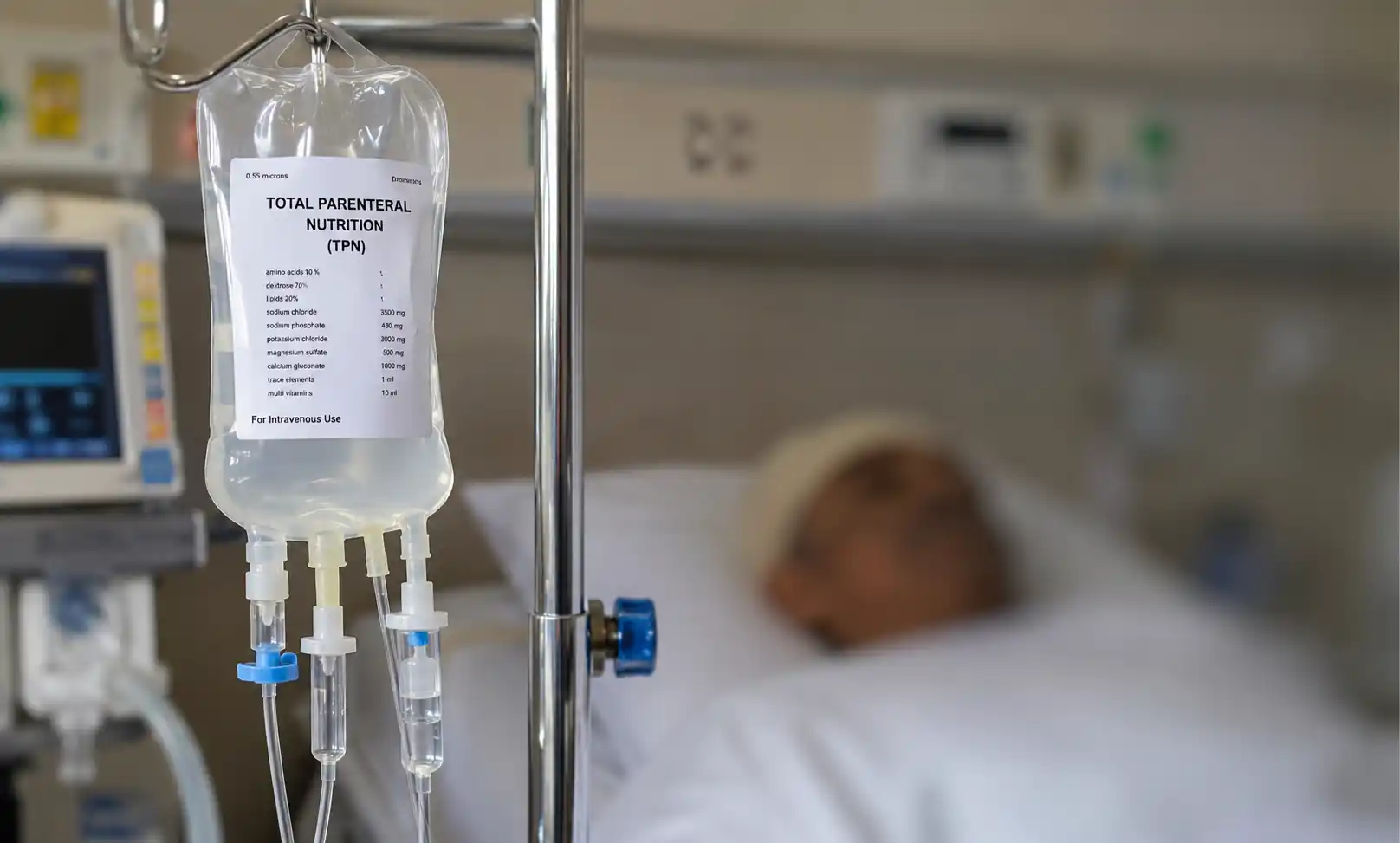
Parenteral nutrition is a form of medical nutrition therapy. This method directly delivers calories, protein, fats, vitamins, minerals, electrolytes, and fluids into a person's bloodstream via an intravenous (IV) line. Since the nutrients are injected into the blood, the digestive system is completely bypassed. The word "parenteral" means "outside the digestive tract" literally.
So, it is different from normal eating and tube feeding, both of which depend on the gastrointestinal system to process and absorb nutrients. In hospitals, long-term care facilities, and home healthcare settings, parenteral nutrition is the main method of feeding patients who are unable to obtain adequate nutrition by conventional means. A multidisciplinary healthcare team, including doctors, registered dietitians, pharmacists, and specialized nurses, carefully prescribes and monitors parenteral nutrition.
Why Parenteral Nutrition Is Important
The role of nutrition in healing and survival cannot be overstated. Every cell in our body depends on nutrients for its proper functioning. Inadequate nutrition results in the body breaking down muscles, the immune system getting compromised, and an overall reduction of the body's capacity to recuperate from disease or injury.
When patients are unable to eat or absorb nutrients in the usual way, they face a high risk of malnutrition.
This may lead to:
-
Significant weight loss
-
Muscle wasting
-
Delayed wound healing
-
Increased risk of infection
-
Longer hospital stays
-
Poor recovery outcomes
Enteral nutrition can prevent those complications by ensuring the body gets the nutrients it needs, even if the digestive apparatus is not working properly.
How Parenteral Nutrition Works
Parenteral nutrition is given via a catheter that is inserted into a vein. To provide parenteral nutrition, medical staff might choose either a peripheral vein or a larger central vein, given the patient's nutritional requirements and treatment duration.
The nutrient solution is made in a sterile environment and is delivered at a precise rate using an infusion pump. After entering the bloodstream, nutrients are available almost immediately to be used by the body.
Usually, the solution carries elements like carbohydrates for producing energy, amino acids for tissue regeneration and muscle maintenance, lipids for providing calories and essential fatty acids, and a mixture of vitamins, minerals, electrolytes, and fluids that is balanced. Besides, formulation is based on the patient's health status, age, weight, and nutritional needs.
Types of Parenteral Nutrition
Total Parenteral Nutrition (TPN)
Total Parenteral Nutrition refers to the process of delivering a person's full daily nutritional requirements directly into the bloodstream. This approach is considered when the gastrointestinal system is completely non-functional.
Patients who may require TPN include those with:
-
Severe bowel obstruction
-
Intestinal failure
-
Short bowel syndrome
-
Severe Crohn's disease
-
Major gastrointestinal surgery
-
Certain cancers affecting digestion
Typically, TPN is brought through a vital venous catheter because nutrient concentrations are simply too high for small vessels.
Peripheral Parenteral Nutrition (PPN)
Peripheral enteral nutrition is administered via a small peripheral vein and usually provides partial feeding assistance.
PPN is often used:
-
For short-term nutritional therapy
-
During recovery after surgery
-
When digestive function is expected to return soon
-
As supplemental nutrition
Because peripheral vessels, however, cannot tolerate centralized solutions, PPNs are generally used for shorter intervals than TPNs.
Nutritional Components of Parenteral Nutrition
| Nutrient | Function in the Body |
| Glucose | Primary source of energy |
| Amino Acids | Build and repair tissues |
| Lipid Emulsions | Supply calories and essential fatty acids |
| Electrolytes | Maintain fluid and nerve function |
| Vitamins | Support metabolic processes |
| Trace Elements | Assist immune and enzyme functions |
| Water | Maintain hydration and circulation |
The exact composition varies from patient to patient and is routinely adjusted based on laboratory results and clinical desires.
Who May Need Parenteral Nutrition?
Enteral nutrition is generally reserved for people whose digestive systems cannot absorb vitamins appropriately.
Common medical conditions that may require PN include:
Intestinal Failure
Enteral nutrition may additionally be necessary when the intestines cannot absorb enough nutrients to support fitness.
Short Bowel Syndrome
Removal of large portions of the small intestine can severely reduce nutrient absorption capacity.
Severe Inflammatory Bowel Disease
In advanced cases of Crohn’s disease, digestion and nutrient absorption can be impaired.
Bowel Obstruction
The blockage inside the intestines can keep you from transferring food and liquids through the digestive tract normally.
Critical Illness
Patients in intensive care units may also require PN early in the course of severe contamination or restoration.
Premature Infants
Some precocious children have immature digestive structures that cannot currently tolerate full meals after beginning.
Benefits of Parenteral Nutrition
Prevents Malnutrition
The most significant advantage of PN is its ability to provide a complete vitamin when conventional dietary methods are not viable.
Supports Healing and Recovery
Adequate energy and protein help wounds heal faster and aid in recovery after surgery or infection.
Preserves Muscle Mass
Without dietary assistance, sufferers can additionally lose large muscle groups. PN helps reduce muscle breakdown.
Improves Quality of Life
For patients with persistent bowel problems, long-term PN can help with functionality and independence each day.
Provides Customized Nutrition
Each PN formulation can be adjusted to individual fitness status, nutrient requirements, and laboratory findings.
Risks and Potential Complications
While enteral vitamins can save lives, it has positive dangers that need to be carefully followed.
Catheter-Related Infections
Because PN calls for intravenous access, infections can arise if sterile techniques are not maintained.
Blood Sugar Problems
The glucose content of PN can sometimes argue for excessive or low blood sugar levels.
Liver Complications
Chronic PN may also contribute to liver dysfunction in certain individuals.
Electrolyte Imbalances
Inaccurate levels of sodium, potassium, magnesium, and other minerals can affect heart and muscle symptoms.
Blood Clots
Central venous catheters can also sometimes increase the chance of clot formation.
Parenteral Nutrition vs Enteral Nutrition
The terms parenteral nutrition and enteral nutrition are often mixed up with each other, but in fact, they are quite different.
Enteral nutrition works through the digestive tract and can be done through regular food intake or through feeding tubes. This is usually the preferred option if the stomach and intestines can work properly, since it helps to keep the gut healthy.
Parenteral nutrition does not consider the digestive tract at all and is given only in cases where enteral feeding is either not possible or does not provide sufficient nutrition.
Per the guidelines of medicine, enteral nutrition is the preferred option first if it is possible to do so.
Common Misunderstandings About Parenteral Nutrition
There is a widespread belief that parenteral nutrition is administered only when a patient is close to dying. Actually, it is often a way to provide nutrition for patients while their bodies are healing from a disease or operation.
One more false belief is that PN is a substitute for eating forever. Actually, a patient's doctor will usually try different methods of feeding, like oral or enteral feeding, before keeping the patient on parenteral nutrition only when they realize that the digestive function is gradually getting to normal.
A few people also think all PN mixtures are the same. Actually, every mixture is made to suit the patient's nutritional and medical requirements.
Best Practices for Safe Use
Successful enteral nutrition requires close monitoring and ongoing scientific supervision.
Important safety measures include:
-
Routine blood testing
-
Strict catheter care
-
Regular assessment of nutritional needs
-
Blood glucose monitoring
-
Liver function monitoring
-
Adjustment of nutrient formulations when necessary
Patients receiving domestic PN need to receive proper education on catheter management and contamination prevention.
Future Developments in Parenteral Nutrition
Advances in clinical nutrition aim to improve the safety and efficacy of enteral nutrition.
Researchers are developing:
-
Improved lipid formulations
-
More personalized nutrient solutions
-
Better catheter technologies
-
Enhanced infection prevention methods
-
Advanced monitoring systems
These innovations aim to reduce chronic headache while also improving patient outcomes.
Key Takeaways
-
Parenteral nutrition delivers nutrients directly into the bloodstream.
-
It bypasses the digestive system completely.
-
It is used when normal eating or digestion is impossible.
-
TPN provides complete nutritional support.
-
PPN provides temporary or supplemental nutrition.
-
PN helps prevent malnutrition and muscle loss.
-
Individualized formulas improve effectiveness.
-
Careful monitoring reduces complications.
-
Catheter infections are one of the most important risks.
-
PN can be life-saving for patients with severe digestive disorders.
Frequently Asked Questions
What is parenteral nutrition?
Enteral nutrition is a way to present nutrients directly to the bloodstream through an intravenous catheter, while the digestive system cannot be used successfully
What is the difference between TPN and PN?
PN refers to enteral nutrition in popular, at the same time, TPN is a specific form that provides all intravenous components of the affected person's nutritional needs.
Can parenteral nutrition be used at home?
Yes. Many patients with persistent intestinal conditions receive home enteral vitamins under medical supervision.
Is parenteral nutrition safe?
When well monitored and administered, PN is generally safe, although it carries risks which include contamination, changes in blood sugar, and liver complications
How long can a person stay on parenteral nutrition?
The duration varies. Some patients only need PN for a few days, while others may rely on it additionally for years.
When is parenteral nutrition preferred over tube feeding?
Enteral nutrients are commonly used when the digestive tract cannot safely absorb nutrients or when enteral feeding is not always possible.
Conclusion
Parenteral nutrition is a very specialized medical treatment that gives the body all the necessary nutrients directly via the bloodstream when the digestive system is not working properly. It is an essential treatment tool that not only combats malnutrition but also aids in recovery, helps maintain muscle mass, and improves the overall health outcomes of patients with severe gastrointestinal disorders and other complicated medical problems. Although it can be very helpful, parenteral nutrition treatment should also be very carefully monitored and managed by professionals to avoid problems. Actually, for many patients, parenteral nutrition is much more than just an alternative way of feeding; it is the very treatment that keeps them alive and gives them the chance to recover, heal, and live long.


Comments ( 0)
Leave a Comment
No comments yet. Be the first to comment!