

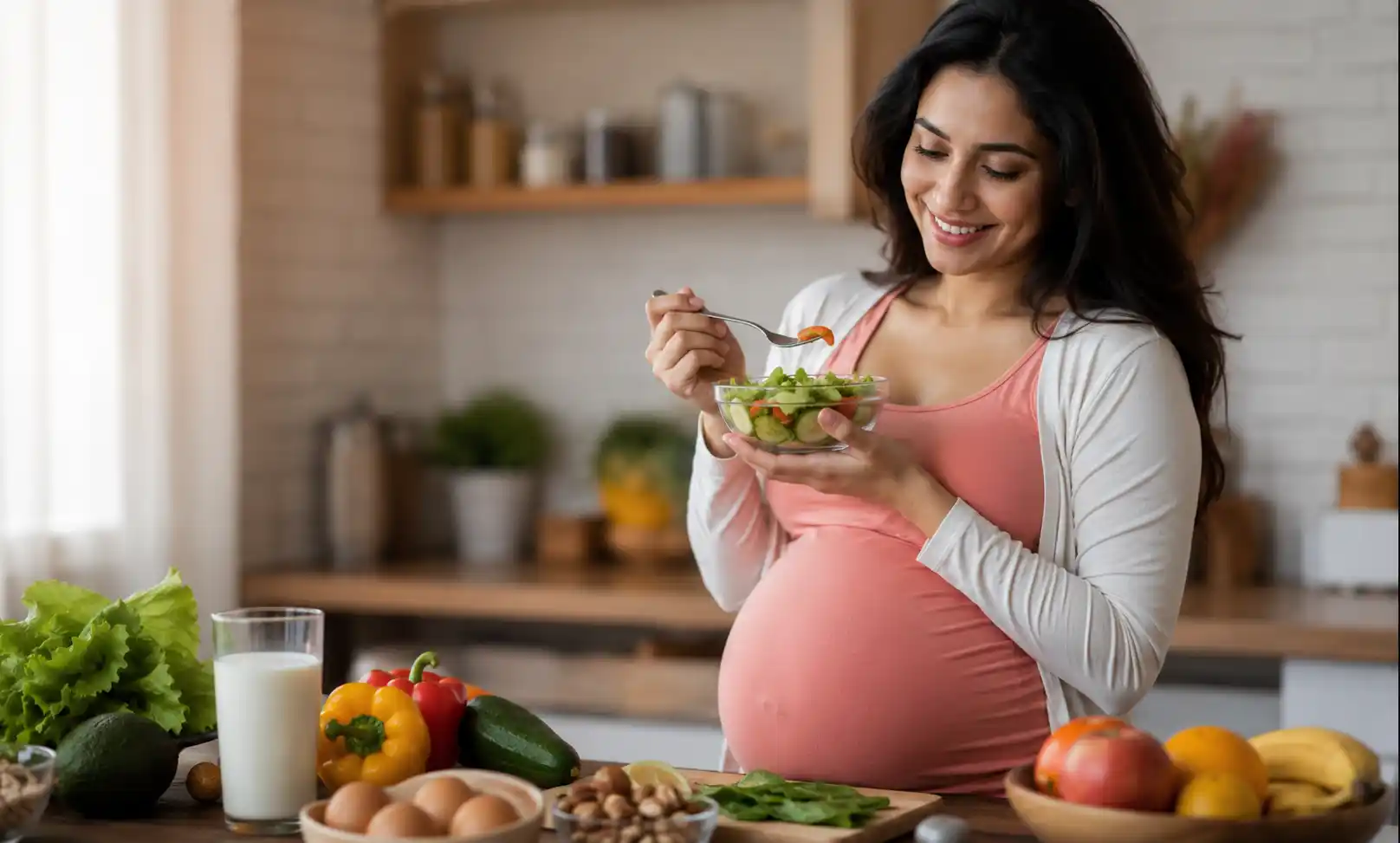
A healthy diet during pregnancy will give you the nutrients you and your baby require during pregnancy. A diet rich in nutritious foods, adequate fluids, and a balanced diet can help to support fetal growth, keep you energized, and help to prevent pregnancy-related problems while promoting overall maternal health.
Introduction
Pregnancy is a very special time, with lots of changes happening both physically and emotionally. These months are the most crucial time to consider the foods you consume, as it can impact your health and your baby's development. Eating for two is not the key to a healthy pregnancy diet – it is about eating smarter – nutritious foods that contain vitamins, minerals, protein, healthy fats, and fiber. All healthy meals are good for your baby's developing brain, bones, muscles, and organs and are a good way to keep you energised during your pregnancy! Knowing what foods, how much, or which ones to avoid can help make this special journey healthier and more enjoyable.
Key Takeaways
-
A healthy pregnant weight loss plan should include loads of nutrient-rich foods from all the main food groups.
-
Protein, folate, iron, calcium, vitamin D, iodine, and omega-3 fats play important roles during pregnancy.
-
Drinking enough water and eating high-fiber foods helps reduce the discomfort of normal pregnancy.
-
Safe eating reduces the chances of foodborne illnesses by avoiding certain foods.
-
Additional consistency issues rather than perfection—a healthy eating habit benefits every mom and baby.
What Is a Healthy Pregnancy Diet?
Eating well during pregnancy is a balanced approach to eating that ensures you are getting all the nutrients you need and your baby needs. It is not about counting calories and adhering to strict diets, but about eating foods that provide a natural source of vitamins, minerals, protein, healthy fats, and complex carbohydrates.
In pregnancy, your body needs more of these nutrients as it is nourishing the growing baby, the placenta, and an expanding blood volume, along with developing your baby's organs and producing amniotic fluid. A diverse diet of foods rich in nutrients will help you to meet these evolving needs and maintain good health.
A balanced pregnancy diet also can help you maintain a healthy weight gain, boost your immune system, decrease fatigue, and promote a healthier pregnancy and delivery from the first trimester to delivery.
Why Nutrition Matters During Pregnancy
Good nutrition affects almost all aspects of fetal growth. Essential nutrients are important for proper brain development, building bones, building and maintaining muscles, and developing organs. Meanwhile, a well-balanced diet helps balance the mother's body as well as alleviate nutritional deficiencies.
Studies have also indicated that a well-balanced diet during pregnancy can reduce the risks of anemia, low birth weight, high blood pressure, and gestational diabetes. There is no single food that is a key to a healthy pregnancy, but consistently eating healthy meals offers the best opportunity for your baby to grow into a healthy child.
Good nutrition is also important for the health of mothers after giving birth, for preparing for breastfeeding, and for the health of the family.
Essential Nutrients in a Healthy Pregnancy Diet
Protein
Protein is one of the building blocks of your baby’s body. It supports the improvement of muscle tissues, skin, organs, and tissues and additionally helps your personal frame adapt to being pregnant.
Excellent protein sources include:
-
Lean chicken
-
Fish that are low in mercury
-
Lentils
-
Chickpeas
-
Greek yogurt
-
Cottage cheese
-
Tofu
Most pregnant women benefit from including protein with every meal to support regular energy throughout the day.
Folate (Vitamin B9)
Folate is one of the most essential vitamins early on in pregnancy as it helps improve healthy neural tubes. Early intake of adequate folate before conception can reduce the chances of neural tube defects.
Natural food sources include:
-
Spinach
-
Kale
-
Broccoli
-
Lentils
-
Black beans
-
Avocados
-
Fortified cereals
Healthcare providers routinely advise prenatal vitamins containing folic acid alongside a healthy eating regimen.
Iron
Iron helps in the production of red blood cells at some stage of pregnancy. It can also provide oxygen to your growing baby and reduce the risk of iron deficiency anemia.
Iron-rich foods include:
-
Lean beef
-
Chicken
-
Turkey
-
Lentils
-
Kidney beans
-
Spinach
-
Pumpkin seeds
-
Fortified cereals
Iron-rich foods can be paired with dietary C resources such as oranges, strawberries, kiwis, tomatoes, or bell peppers to improve iron absorption
Calcium
Calcium helps improve your child’s bones and teeth and helps protect your own bone health.
Good calcium-rich foods include:
-
Yogurt
-
Cheese
-
Calcium-fortified plant milk
-
Tofu made with calcium
-
Sardines with bones
-
Broccoli
-
Bok choy
When dietary calcium is insufficient, the baby can also pull calcium from the mother’s bones, making adequate intake especially important.
Vitamin D
Vitamin D helps your body absorb calcium and supports healthy bone growth, immune function, and muscle function.
Sources include:
-
Fatty fish
-
Egg yolks
-
Fortified dairy products
-
Fortified cereals
-
Safe sunlight exposure
Some pregnant women may also need dietary D supplementation if supported by their health care provider.
Omega-3 Fatty Acids
Omega-3 fats, especially DHA, play an important role in your baby's brain and eye development.
Healthy sources include:
-
Salmon
-
Sardines
-
Trout
-
Chia seeds
-
Flaxseeds
-
Walnuts
Choosing one to two examples of low-mercury fish to suit the week provides useful omega-3 to reduce mercury circulation
Iodine
Iodine supports healthy thyroid function and contributes to your baby's brain and nervous system development.
Food sources include:
-
Dairy products
-
Eggs
-
Seafood
-
Iodized salt (used in moderation)
Because iodine desires boom for the duration of pregnancy, healthcare providers can also offer prenatal dietary supplements that include iodine.
Fiber
Fiber supports digestive health and may help reduce constipation, one of the most common pregnancy complaints.
High-fiber foods include:
-
Whole grains
-
Oats
-
Apples
-
Pears
-
Berries
-
Beans
-
Lentils
-
Vegetables
-
Nuts
-
Seeds
Increasing fiber gradually while drinking plenty of water can improve digestive comfort.
Healthy Pregnancy Diet: Best Foods to Eat During Pregnancy
Choosing from a wide range of nutritious ingredients helps ensure that you and your child get the desired vitamins for healthy growth. A colorful plate full of whole foods is one of the best methods of creating a healthy pregnancy diet.
Fruits
Fresh fruits provide vitamins, minerals, antioxidants, fiber, and natural sugars that help support energy levels.
Excellent choices include:
-
Apples
-
Bananas
-
Oranges
-
Berries
-
Kiwi
-
Mangoes
-
Pears
-
Avocados
Vitamin C-rich fruits such as oranges, strawberries, and kiwi also improve iron absorption, making them especially valuable during pregnancy.
Vegetables
Vegetables are packed with vitamins as the ultimate naturally low in energy too. Eating many colored foods guarantees that you are getting a variety of nutrients and minerals.
Focus on vegetables like:
-
Spinach
-
Broccoli
-
Kale
-
Carrots
-
Sweet potatoes
-
Bell peppers
-
Cauliflower
-
Green beans
-
Zucchini
Dark leafy vegetables are excellent sources of folate, vitamin K, and iron, while orange vegetables provide beta-carotene, which the body converts to vitamin A
Whole Grains
Whole grains provide complex carbohydrates that release energy slowly throughout the day. They also contain B vitamins, fiber, magnesium, and other important nutrients.
Healthy options include:
-
Oatmeal
-
Brown rice
-
Whole wheat bread
-
Whole wheat pasta
-
Quinoa
-
Barley
-
Millet
These foods help maintain steady blood sugar levels and keep you feeling satisfied for longer.
Healthy Dairy Foods
Dairy products provide calcium, protein, phosphorus, and vitamin B12, all of which are important during pregnancy.
Choose:
-
Milk
-
Greek yogurt
-
Cottage cheese
-
Cheese
-
Fortified yogurt
If you are lactose intolerant, lactose-free dairy or calcium-fortified plant-based alternatives can also be good options.
Lean Protein Foods
Protein requirements increase during pregnancy because your baby's tissues are developing rapidly.
Nutritious protein sources include:
-
Chicken breast
-
Turkey
-
Lean beef
-
Eggs
-
Lentils
-
Chickpeas
-
Kidney beans
-
Black beans
-
Tofu
-
Tempeh
Including protein with each meal can help maintain energy and reduce hunger between meals.
Healthy Fats
Healthy fats support hormone production and help your baby's brain develop properly.
Choose foods such as:
-
Avocados
-
Olive oil
-
Walnuts
-
Almonds
-
Chia seeds
-
Flaxseeds
-
Pumpkin seeds
These foods also provide vitamin E and important antioxidants.
Healthy Snacks for Pregnancy
Healthy snacks can help maintain energy between meals and reduce excessive hunger.
Good snack ideas include:
-
Greek yogurt with berries
-
Apple slices with peanut butter
-
Mixed nuts
-
Cottage cheese with fruit
-
Whole-grain crackers with cheese
-
Hummus with vegetable sticks
-
Boiled eggs
-
Banana with almond butter
-
Homemade trail mix
-
Oatmeal with nuts
Eating small meals and healthy snacks at certain times of the day can also help reduce nausea in early pregnancy.
Foods to Limit or Avoid During Pregnancy
Eating plans for a healthy pregnant is also include knowing which foods can increase health hazards. Some foods can expose pregnant women to bacteria, parasites, or moderate degrees of mercury.
Avoid or limit:
-
Raw or undercooked meat
-
Raw seafood and sushi made with raw fish
-
Raw eggs
-
Unpasteurized milk
-
Unpasteurized soft cheeses
-
Raw sprouts
-
High-mercury fish such as shark, swordfish, king mackerel, and tilefish
-
Excessive caffeine
-
Alcohol
Proper food safety practices, washing fruits and vegetables very thoroughly and cooking ingredients to safe temperatures, can appreciably reduce the danger of foodborne contamination
Hydration During Pregnancy
At some point in pregnancy, water is just as important as nutritious food. As your blood volume increases and your child grows, your body needs extra fluid to stay healthy.
Adequate hydration helps:
-
Transport nutrients to your baby
-
Form amniotic fluid
-
Prevent dehydration
-
Support digestion
-
Reduce constipation
-
Lower the risk of urinary tract infections
-
Help regulate body temperature
Most pregnant women benefit from drinking lots of water throughout the day. Fruits, vegetables, soups, and milk contribute to daily fluid intake.
If you exercise, spend time in a hot climate, or feel nauseous, your liquid intake can also surge.
Managing Common Pregnancy Symptoms Through Diet
Many pregnancy symptoms can be eased by making simple dietary changes.
Morning Sickness
If nausea occurs, try:
-
Eating small, frequent meals
-
Keeping plain crackers nearby
-
Eating dry toast before getting out of bed
-
Drinking fluids between meals instead of during meals
-
Choosing bland foods when symptoms are severe
Ginger tea or ginger-containing foods may also help some women manage mild nausea.
Constipation
Hormonal changes can slow digestion during pregnancy.
To promote regular bowel movements:
-
Increase fiber intake
-
Drink plenty of water
-
Eat fruits with edible skins
-
Include vegetables daily
-
Stay physically active if approved by your healthcare provider
Heartburn
As pregnancy progresses, heartburn may become more common.
Helpful strategies include:
-
Eating smaller meals
-
Avoiding spicy or greasy foods if they trigger symptoms
-
Remaining upright after eating
-
Avoiding large meals close to bedtime
Simple meal adjustments often provide noticeable relief.
Fatigue
Feeling worn out is common, especially at some point in the first and third trimesters.
A balanced weight loss program consisting of iron-rich ingredients, complex carbohydrates, healthy fats, and enough good protein can help maintain regular energy levels. Skipping meals and eating frequently is also capable of preventing electrical accidents.
Healthy Weight Gain During Pregnancy
Weight gain during pregnancy is normal and healthy – it helps your baby grow, supports your placenta and the body's other needs, and also provides support for increased blood volume.
Don't just aim for calories; choose foods that are rich in nutrients and will nourish you for an extended period. All pregnancies are unique, and healthy weight gain is based on a woman's pre-pregnancy weight, overall health, and the number of babies she is carrying.
Your health care provider can give you a range of weight gain that is right for you.
Sample Healthy Pregnancy Diet Meal Plan
A well-balanced diet can help you stick to healthy eating habits when you're pregnant. The aim is not to eat a perfect diet each day, but to make sure your baby is eating a wide range of nutritious foods that give her a steady stream of energy.
Breakfast
Start your day with a nutritious breakfast that combines protein, fiber, and healthy carbohydrates.
Example:
-
A bowl of oatmeal made with milk
-
Fresh berries and sliced banana
-
A handful of walnuts
-
One boiled egg
-
A glass of water or fortified orange juice
This meal provides fiber, calcium, protein, healthy fats, vitamin C, and long-lasting energy.
Mid-Morning Snack
Choose a snack that keeps you full until lunch.
Example:
-
Greek yogurt
-
Fresh fruit such as an apple or pear
-
A handful of almonds
This combination supplies protein, calcium, probiotics, fiber, and healthy fats.
Lunch
A balanced lunch should include lean protein, whole grains, and plenty of vegetables.
Example:
-
Grilled chicken breast
-
Brown rice or quinoa
-
Steamed broccoli and carrots
-
Mixed green salad with olive oil dressing
This meal provides protein, iron, folate, vitamin A, vitamin C, fiber, and healthy fats.
Afternoon Snack
Healthy afternoon snacks help maintain energy and reduce overeating at dinner.
Examples include:
-
Whole-grain crackers with hummus
-
Cottage cheese with berries
-
Peanut butter on whole-grain toast
-
Fresh fruit with a handful of nuts
Dinner
Dinner should be filling while still focusing on nutrient-dense ingredients.
Example:
-
Baked salmon (low-mercury fish)
-
Roasted sweet potato
-
Steamed spinach
-
Mixed vegetables
This food provides DHA omega-3 fatty acids, protein, vitamin D, potassium, folate, iron, and antioxidants that each support maternal health and fetal development
Evening Snack
If you're hungry before bed, choose a light snack.
Good options include:
-
Warm milk
-
A banana
-
Whole-grain cereal with milk
-
Greek yogurt
-
A small handful of mixed nuts
A light evening snack may help maintain blood sugar levels overnight and reduce late-night hunger.
Special Dietary Considerations
Each pregnancy is different, and some women may have food preferences or medical conditions requiring extra planning.
Vegetarian and Vegan Diets
With careful planning, a vegetarian/vegan healthy pregnancy diet can provide excellent nutrition. Be mindful of the following nutrients: protein, vitamin B12, iron, calcium, vitamin D, iodine, zinc, and omega-3s.
Lentils, beans, chickpeas, tofu, tempeh, quinoa, nuts, and seeds are good plant-based protein sources. If recommended by your health care provider, fortified foods and prenatal supplements can fill in nutritional gaps.
Gestational Diabetes
For women with a diagnosis of gestational diabetes, an overall healthy eating plan is a healthy pregnancy eating plan, as it involves consuming a balance of lean proteins, healthy fats, fiber, and complex carbohydrates.
Small portions of food, fewer sugars, and more whole grains are good ways to keep blood sugar in check. An individual meal plan may be developed by a registered dietitian or health care provider if necessary.
Food Allergies and Intolerances
If you have food allergies or intolerances, it is important to update restricted ingredients with equally nutritious options.
For example:
-
Lactose intolerance: Choose lactose-free or calcium-fortified dairy alternatives.
-
Gluten intolerance: Include naturally gluten-free whole grains like quinoa, brown rice, millet, and certified gluten-free oats.
-
Nut allergies: Obtain healthy fats from seeds, avocados, and olive oil.
Always consult your healthcare provider before making significant dietary changes during pregnancy.
Lifestyle Tips to Support a Healthy Pregnancy Diet
Healthy eating makes quality work when combined with beneficial lifestyle behaviors that support your overall well-being.
Stay Physically Active
Having regular, pregnancy-safe physical activity helps improve circulation, supports healthy weight gain, reduces constipation, and can boost mood. Walking, swimming, and prenatal yoga are commonly recommended, but generally stick to your healthcare provider’s recommendation.
Take Prenatal Vitamins
Even the healthiest weight-loss plan may not provide every nutrient needed for the duration of pregnancy. Prenatal nutrients help meet urgent food needs, especially for folic acid, iron, iodine, vitamin D, and other important nutrients. Always take supplements as directed by your healthcare provider.
Get Enough Sleep
Quality sleep supports hormone balance, immune function, and general well-being. Aim for a stable sleep schedule and create a peaceful bedtime routine to enhance first-class sleep at some point while pregnant.
Attend Regular Prenatal Checkups
Regular prenatal visits allow healthcare providers to monitor your baby's growth, verify your dietary habits, and address any concerns in advance. These appointments are an important part of a healthy pregnancy.
Final Thoughts
Eating a healthy pregnancy diet is one of the best presents you can give your growing baby and yourself! You can support your health and help your baby grow by eating a variety of foods, drinking plenty of fluids, eating a well-balanced diet, and following your health care provider's recommendations. Making small, regular healthy decisions will make a big impact during pregnancy and beyond.
Frequently Asked Questions
What is the most important part of a healthy pregnancy diet?
The most crucial piece is to consume a range of nutritious foods that are high in protein, folate, iron, calcium, healthy fats, vitamins, minerals, and fiber. It's better to stick to a diet that you are able to follow, rather than attempting to follow one that is ideal each day.
How much protein should I eat during pregnancy?
Protein requirements get higher during pregnancy; the body uses protein to build your baby's tissues and organs. Lean cuts of meat, poultry, fish, eggs, dairy products, beans, lentils, tofu and nuts are all good sources. Your health professional will be able to suggest the appropriate amount for you.
Can I eat fish while following a healthy pregnancy diet?
Yes. Fish that contain low levels of mercury, like salmon, sardines, trout, and anchovies, are a good option as they are rich in quality protein and DHA omega-3 fatty acids. Don't eat high-mercury fish such as shark, swordfish, king mackerel, and tilefish.
Which foods should I avoid during pregnancy?
Steer clear of raw or undercooked meat, raw seafood, raw eggs, unpasteurized dairy products, alcohol, and high-mercury fish. Good food hygiene and some food choices can help minimise the risk of food poisoning.
Is it necessary to take prenatal vitamins if I eat a healthy pregnancy diet?
Yes. A healthy pregnancy diet offers lots of important nutrients, but prenatal vitamins can help you get extra nutrients like folic acid, iron, iodine, and vitamin D. Take prenatal vitamins only as directed by your health care provider.


Comments ( 0)
Leave a Comment
No comments yet. Be the first to comment!