

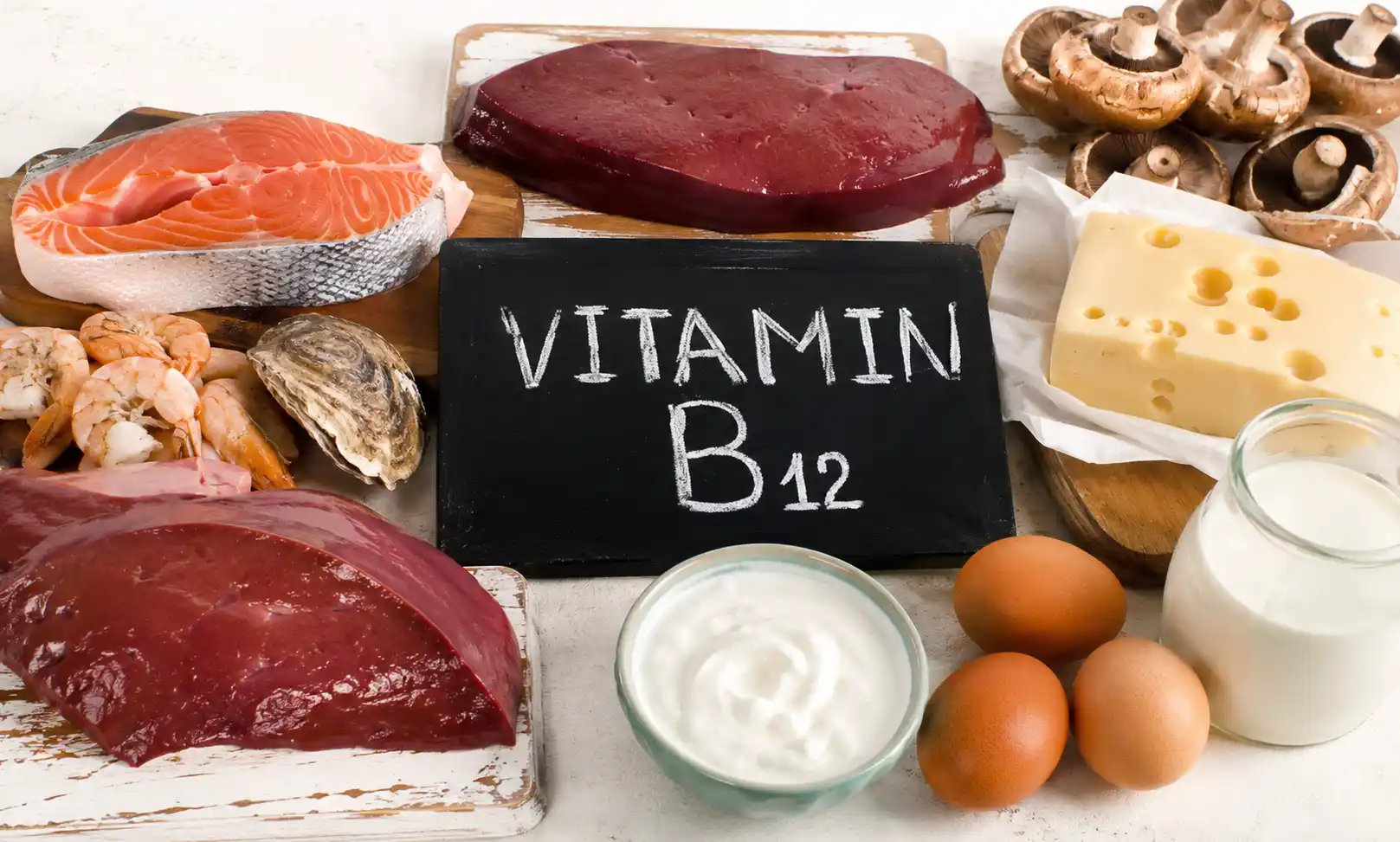
Vitamin B12 is a key nutrient that helps in the production of energy, maintaining healthy nerves, red blood cells, and brain function. By grasping the advantages of vitamin B12, you can enhance your general well-being, keep away from shortages, and make educated food decisions for a healthy way of life.
Introduction
If you're feeling tired all the time, have trouble concentrating, or feel numb in your hands or feet, it doesn't necessarily mean you're too busy. The symptoms can be associated with low levels of vitamin B12 in some instances. Vitamin B12 has a wide range of other uses. It is a crucial vitamin necessary for the formation of healthy red blood cells, for proper nervous system function, brain function, and for DNA production. Vitamin B12 is not synthesized in the body, so sources of food or supplements are important. In this guide, you will learn about the benefits of Vitamin B12, the best food sources, signs of Vitamin B12 deficiency, and how to get your levels healthy.
Key Takeaways
-
Vitamin B12 supports healthy neurological characteristics and mindfulness.
-
Vitamin B12 helps in the formation of red blood cells and prevents certain types of anemia.
-
Vitamin B12 plays an important role in energy metabolism.
-
Deficiency can lead to fatigue, memory trouble, and nerve damage.
-
Animal-based foods are the richest natural sources of vitamin B12.
What Is Vitamin B12?
Vitamin B12, or cobalamin, is a water-soluble vitamin that your body requires for various essential processes. It helps in the formation of normal red blood cells and helps in normal DNA synthesis along with folate.
Vitamin B12 is found naturally primarily in animal foods like meat, fish, eggs, dairy products, and fortified foods, unlike many other vitamins. Deficiency may be a slow process over several years due to the fact that the body has a store of vitamin B12 in the liver.
Top Benefits of Vitamin B12
1. Supports Healthy Red Blood Cell Production
One of the most important things that vitamin B12 does is that it forms healthy red blood cells. In the absence of adequate vitamin B12, red blood cells get too big and cannot carry the oxygen around the body very well.
Good vitamin B12 levels help prevent the occurrence of megaloblastic anemia, a disease that may lead to weakness, tiredness, dizziness, and shortness of breath.
2. Boosts Energy Naturally
Vitamin B12 is known for its energy-boosting properties. Vitamin B12 is not a source of energy like calories are, but it assists in the conversion of carbohydrates, proteins, and fats into energy.
Those suffering from a Vitamin B12 deficiency typically notice a dramatic increase in energy after getting healthy levels of Vitamin B12.
3. Supports Brain Function
Vitamin B12 is essential for the brain to function properly and supports the healthy development of nerve cells and the healthy communication between neurons. Low B12 has been associated with a variety of memory problems, lack of concentration, and cognitive decline.
Vitamin B12 might be beneficial for normal cognitive function, particularly in the elderly.
4. Maintains a Healthy Nervous System
Vitamin B12 is required to make myelin, which insulates nerves. The myelin permits the free and rapid flow of nerve signals.
Over time, a B12 deficiency may lead to nerve damage and result in the following symptoms:
-
Tingling in the hands
-
Numbness in the feet
-
Burning sensations
-
Difficulty walking
-
Poor balance
5. Helps Produce DNA
DNA is needed to create each new cell in your body. Vitamin B12 is used to make DNA, which is important for the growth, repair, and maintenance of tissues in the body.
6. Supports Heart Health
Vitamin B12 regulates homocysteine, which is an amino acid present in the blood. High levels of homocysteine have been linked to cardiovascular disease.
As part of a heart-healthy lifestyle, it is important to keep homocysteine within a normal range, and maintaining healthy vitamin B12 levels may be one way to achieve this.
7. May Improve Mood
Vitamin B12 helps synthesize neurotransmitters that regulate mood, such as serotonin.
Vitamin B12 is not a treatment for depression, but correcting a deficiency might help improve mood in people who have depression symptoms due to their low vitamin B12 levels.
8. Supports Healthy Pregnancy
Vitamin B12 is particularly crucial during pregnancy for the production of healthy nervous systems and the development of the fetal brain.
Vitamin B12, when taken in proper amounts, will also help promote healthy fetal growth in combination with folate.
9. Promotes Healthy Hair, Skin, and Nails
Vitamin B12 plays a role in cell growth, such as in your skin, hair, and nails.
Although the use of vitamin B12 for cosmetics is not a cure-all, correcting a deficiency could help to enhance the health of the tissues.
10. Helps Prevent Vitamin B12 Deficiency
Perhaps the biggest advantage of vitamin B12 is in the prevention of complications that can occur from a deficiency and impact several body systems.
Vitamin B12 deficiency can be a precursor to other health problems that impact the body over time.
Nutritional Value of Vitamin B12
Vitamin B12 is not a source of calories, protein, fat, or carbohydrates. Rather, it acts as a major micronutrient. For healthy adults, intake of 2.4 micrograms (mcg) of dietary B12 per day is encouraged.
Vitamin B12 is found in specific amounts in natural ingredients. For example, beef liver comprises in excess of 70 mcg per 100 grams, cooked clams comprise about ninety-nine mcg corresponding to one hundred grams, salmon is within the variety of 3-4 mcg corresponding to one hundred grams, tuna layer from about 2-3 mcg corresponding to 100 grams, milk carries about zero.5 mcg 100 The gram and eggs comprise about 1.1 mcg according to 100 grams. Vitamin B12 is distributed in fortified breakfast cereals as well as plant-based dairy items, depending on the brand.
Best Food Sources of Vitamin B12
Include these foods regularly to support healthy vitamin B12 levels:
-
Beef liver
-
Clams
-
Oysters
-
Sardines
-
Salmon
-
Tuna
-
Trout
-
Lean beef
-
Chicken
-
Yogurt
-
Cheese
-
Fortified breakfast cereals
-
Fortified plant-based milk
Who Is at Risk of Vitamin B12 Deficiency?
Some people are at higher risk of developing vitamin B12 deficiency.
These include:
-
Adults over 50 years old
-
Vegans
-
Strict vegetarians
-
People with digestive disorders
-
Individuals who have had stomach surgery
-
People taking certain acid-reducing medications
-
Individuals with pernicious anemia
Signs of Vitamin B12 Deficiency
Vitamin B12 deficiency may develop gradually.
Common symptoms include:
-
Extreme fatigue
-
Weakness
-
Pale skin
-
Memory problems
-
Difficulty concentrating
-
Tingling hands
-
Numb feet
-
Poor balance
-
Mood changes
-
Shortness of breath
-
Sore tongue
Persistent symptoms should be evaluated by a healthcare professional.
Can You Take Vitamin B12 Supplements?
Vitamin B12 dietary supplements are available as capsules, tablets, sublingual capsules, nasal sprays, and injections.
They are recommended for people who have a diagnosed deficiency, older adults, vegetarians, vegans, or people who cannot absorb nutritional B12 effectively. The appropriate dosage depends on age, regimen, medical history, and the underlying cause of deficiency, so it is important to seek advice from a healthcare professional before beginning supplementation.
Are There Any Side Effects?
Vitamin B12 is generally considered safe because excess amounts are normally excreted in the urine.
Most humans tolerate dietary B12 supplements well. However, all people experiencing abnormal reactions or who may be taking medications should usually seek medical advice before using dietary supplements
Tips to Maintain Healthy Vitamin B12 Levels
-
Eat B12-rich foods regularly.
-
If you are looking at a totally plant-based diet, choose fortified foods.
-
If you are responsible for a deficiency, meet with your healthcare provider to discuss supplementation.
-
Check your Vitamin B12 levels if you enjoy persistent symptoms.
-
Maintain a balanced diet that includes various essential nutrients and minerals.
Conclusion
The benefits of vitamin B12 are far beyond energy assistance. This vital nutrient helps build healthy red blood cells, protects your nervous system, supports symptoms of the mind, contributes to the production of DNA, and promotes overall well-being. Eating B12-rich ingredients or using a medically appropriate dietary supplement can help prevent deficiencies and aid lifelong health. If you have noticed low vitamin B12 levels, then ask for expert scientific recommendations for appropriate testing and remedies.
Frequently Asked Questions
What are the main benefits of vitamin B12?
Vitamin B12 supports blood cell formation, nerve health, brain symptoms, DNA formation, and everyday energy metabolism and helps prevent nutritional B12 deficiencies
Which foods are highest in vitamin B12?
Beef liver, clams, salmon, tuna, sardines, eggs, milk, yoghurt, cheese, and fortified cereals are some of the exceptional food sources.
Can vitamin B12 improve energy?
If low energy is the result of a lack of B12 in the diet, restoring healthy levels can exponentially increase fatigue and overall fatigue.
Who should take vitamin B12 supplements?
People with vitamin B12 deficiency, older adults, vegetarians, vegans, people with digestive problems, and people with absorption problems may additionally benefit from dietary supplements below medical guidelines
Can you get too much vitamin B12?
Vitamin B12 is quite unlikely to cause toxicity because excess amounts are normally eliminated through the urine. But dietary supplements still have to be taken step by step with the advice of a healthcare professional.




Comments ( 0)
Leave a Comment
No comments yet. Be the first to comment!