


You can lose weight without exercising by making smart lifestyle changes, improving your eating habits, and creating a healthy calorie deficit. If you do it right, you can safely shed excess body fat without sacrificing energy, metabolism, or creating habits that are more likely to be long-term.
Introduction
You're not the only one who has asked this question: How can I shed the pounds without hours at the gym? People have rushed lives, physical constraints, or just don't like to exercise the old-fashioned way. The great news is that exercise is not the only way to successful weight loss. In reality, the foods you eat, the quality of your sleep, your level of stress, how well you hydrate yourself, and your eating habits have a more significant impact on managing body weight. You can achieve this by making consistent lifestyle changes and paying attention to diet, so that you can lose weight regularly without taking part in any exercise programs. This guide outlines evidence-based, practical methods that are easy to follow and maintain in a long-term program.
Key Takeaways
-
Losing weight without exercising is possible by creating a healthy calorie deficit.
-
Protein and fiber help modify hunger and reduce unnecessary snacking.
-
Good sleep, hydration, and stress management aid in healthy weight loss.
-
Mindful consumption manages portions and naturally prevents overeating.
-
Consistency is more important than following a restrictive diet.
Can You Really Lose Weight Without Exercise?
Yes, it is easy! Over time, your body burns through more calories than it stores, which causes weight loss. More calories burned is one factor that determines weight loss, but it is not the only one, as exercise can help. The amount of calories consumed on a day-to-day basis is typically much more dependent on your nutrition and lifestyle patterns.
Numerous studies have demonstrated that weight loss is possible with a positive change in eating habits. Your body will draw on your stored fat if you are eating healthier foods, taking in fewer calories, and not overindulging your body often. This process takes time and is more easily sustained than by sheer effort.
But shedding pounds without exercise doesn't imply skipping meals or crash dieting. Eating very low-calorie diets can lead to a slower metabolism, greater appetite, and make it harder to keep the weight off. Rather, the emphasis should be on balanced meals that can provide adequate nutrition and a moderate calorie deficit.
Plus, keep in mind that exercise can offer a variety of health benefits besides weight loss, such as improved muscle strength, heart health, and happiness. Even if you don't have time to do structured exercise, maintaining a level of activity through walking or light activity every day can help with your long-term health.
Focus on Creating a Healthy Calorie Deficit
A calorie deficit is all about taking in fewer calories per day than your body burns. Whether you exercise or not, this is the basis for successful weight loss. Any amount of calories you can cut from your daily diet can add up to big amounts over time.
See if you can make small changes by first identifying the foods that add extra calories. Excess energy is often consumed in the form of sugary drinks, processed snacks, fast food, and large portion sizes that don't offer much nutritional value. Substituting them for healthy ones can make a huge difference in your calorie count, without leaving you feeling deprived.
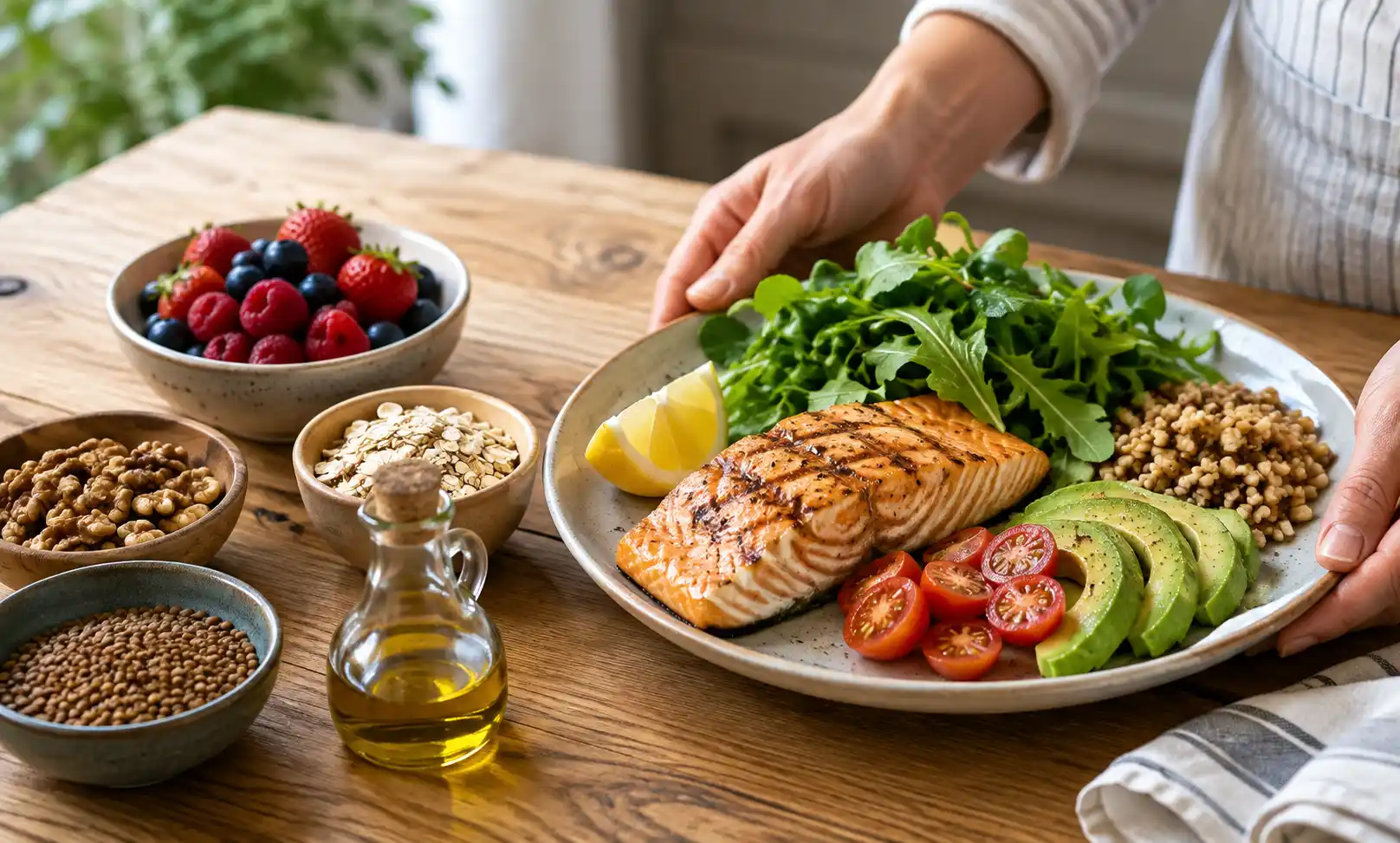
Eating balanced meals with lean protein, vegetables and fruit, whole grains, and healthy fats is typically more satisfying than highly processed foods. These foods are also rich in nutrients that can help to manage hunger and add vitamins and minerals to your body.
Slowly is generally the best approach. For most adults, it's safe to lose 0.5 to 1 kg of weight (1 to 2 pounds) every week. Creating healthy habits to help you maintain it over time is better than looking for quick fixes and miracle diets.
Prioritize Protein to Stay Full Longer
Protein is one of the most crucial nutrients for maintaining a healthy weight loss. It will provide extended satiety, which will decrease the need for between-meal snacking. Protein breaks down more slowly than refined carbohydrates and helps to regulate hunger during the day.
Some good protein sources are chicken breast, fish, eggs, Greek yogurt, cottage cheese, tofu, beans and lentils, and low-fat dairy. Having a protein at each meal will make it easier to eat healthy.
Protein additionally helps maintain your muscle tissue whilst dieting. Preserving muscle mass is significant because muscle burns calories effectively, even in rest.
Rather than avoiding foods, create a well-balanced meal that includes protein, vegetables, healthy fats, and whole grains. This mix will keep you full and help you to create a calorie deficit naturally.
Eat More Fiber-Rich Foods
Fiber is also an excellent nutrient to help you lose weight without having to exercise. Foods fill you up more after you eat and are digested more slowly, so you're less tempted to eat other than necessary.
Dietary fiber is found in great abundance in vegetables, fruits, oats, brown rice, beans, lentils, nuts, and seeds. In addition to aiding weight management, they also help regulate blood sugar and promote healthy digestion.
Highly processed foods tend to be lower in fiber, which helps them to reduce food intake. Making swaps for whole-food alternatives of white bread, pastries, sugary cereals, and processed snacks will make a difference in hunger level.
Gradually adding more fiber to your diet and increasing water intake can help your digestive system get used to it and promote gut health.
Drink More Water Throughout the Day
While it's easy to overlook, water is a significant component of healthy weight maintenance. The body can also mistake thirst for hunger, and people may find themselves eating when they're really just thirsty.
A glass of water before eating can make you feel full, which can help you to reduce your portion sizes. Proper hydration is also important for digestion, circulation, and many other bodily functions.
Instead of sugary drinks, sweetened coffee drinks, soft drinks, or fruit juices, drink plain water – this is a great way to cut out unnecessary calories. Small changes can make a big impact after a while.
For extra flavor, slice lemon, cucumber, mint, or berries into pieces and add them to plain water, but not too much sugar.
Reduce Added Sugar and Refined Carbohydrates
Foods with added sugar also contain a lot of calories and little nutrition. They can also lead to a spike in blood sugar levels followed by a plummet, leaving them hungry and craving more later in the day.
Sweets, cookies and cakes, sugary breakfast cereals, flavored drinks, sweet desserts and many packaged snacks are all common sources of added sugar. Reading nutrition labels can help you identify hidden sugars.
Refined carbohydrates, such as white bread, white rice, pastries, and processed foods, are rapidly digested and typically make you feel hungry again soon after consuming them. However, by using whole-grain alternatives, you are providing more fibre and sustaining energy.
Instead of cutting out carbohydrates, prioritize eating better and healthier sources that will provide you with nutrition and help you lose weight.
Control Portion Sizes Naturally
Even healthy ingredients contain energy, so portion control remains a crucial part of weight loss outside of exercise. Fortunately, reducing the amount doesn’t always indicate a lack of hunger.
Using smaller plates and bowls allows you to eat suitable serving sizes where you are lacking. Serving food inside the kitchen instead of having large dishes on the table can also reduce the temptation to take more servings.
Eating slowly gives your brain enough time to recognize fullness alerts. It usually takes about 20 mins for your body to tell you've had enough, so slowing down can obviously prevent overeating.
Paying attention to your body's signals of hunger and fullness is one of the best habits you can adopt. Eating until you're effortlessly happy—not too full—supports sustainable weight management outside of a strict weight-loss plan.
Improve Your Sleep Quality
Getting enough pleasant sleep is one of the most overlooked factors in hit weight loss. Poor sleep can affect hormones that modulate appetite, causing you to feel hungrier the next day and increase your cravings for high-calorie foods.
Most adults have an intention of 7–nine hours of sleep per night. A consistent sleep timetable helps your body maintain healthy hormone levels and supports plain nice-being.
Steer clear of large meals and caffeine near bedtime to enhance first-class sleep, reduce screen time before bed, and create a calm, relaxing sleep environment. Small changes to your nighttime routine can make a noticeable difference.
Good sleep increases strength, alertness, and temper, making it less complicated to stick to healthy eating habits at any stage of the day
Manage Stress to Prevent Emotional Eating
Stress can make weight loss more difficult as it often triggers emotional eating. In traumatic situations, many people consume in preference to receiving a sugary snack or comfort food because they are honestly hungry.
Learning healthy methods to manipulate pressure can reduce unnecessary calorie intake. Simple activities, along with deep breathing, meditation, journaling, exercising, listening to music, or spending outdoor time, can additionally help reduce the pressure range.
Talking to friends or individuals in your family can also provide emotional support for the duration of challenging episodes. Managing stress doesn't make life's difficulties go away, yet it allows you to respond more healthily.
When you notice an urge to eat due primarily to feelings of starvation, pause for a few minutes and ask yourself if you must be hungry or certainly seeking comfort.
Practice Mindful Eating
Give your complete attention to your food while consuming mindfully. Many people eat more energy because they consume it while watching television, using their smartphone, or running on a pc.
Sit at the table, chew slowly, and try to savor each bite. Paying attention to flavor, texture, and portion size enables you to tell when you’re barely full.
Avoid speeding through food. Eating extra slowly gives your mind enough time to receive fullness alerts, reducing the chances of overeating.
Mindful consumption also allows you to choose habits that include boredom consumption or emotional snacking. Being aware of these styles will allow you to pick healthier options without having to follow a restrictive diet.
Avoid Late-Night Snacking
Late-night snacking can increase your daily calorie intake without problems, especially if you choose foods high in sugar, salt, unhealthy fat, or chips, cookies, ice cream, and sugary drinks are not uncommon temptations at night.
If you often feel hungry at nighttime, evaluate your lunch. A balanced breakfast, a nutritious lunch, and a pleasant dinner with enough protein and fiber often reduce cravings in the evening.
If you really need a snack, choose healthier options that include plain Greek yogurt, sparkling water, a handful of nuts, or chopped veggies with hummus. These meals are often more filling than processed snacks.
Having dinner some hours before bedtime can additionally help reduce unnecessary midnight consumption to create a repetition of completing.
Build Healthy Habits That Last
Long-term weight loss is never the result of one ideal eating regimen. Rather, it comes from small, steady habits that become part of your normal way of life. Simple adjustments repeated every day often produce better results than intense plans that can be difficult to maintain.
Focus on sensible goals, such as drinking extra water, eating veggies with every meal, reducing sugary drinks, or preparing healthy meals in domestic overtime. These behaviors may seem small, yet over the years they are able to have a widespread impact.
Remember that progress is not always linear. Some weeks allow you to lose more weight than others, and setbacks are quite regular. Rather than give up, treat them as research opportunities and go back to your healthy routine.
The most successful approach fits your lifestyle and can be maintained for months or years. Sustainable habits are not only the simplest to help you lose weight but also improve your general health and are specific to your lifestyle.
Conclusion
Losing weight without workouts is possible when you become aware of healthy, sustainable lifestyle modifications rather than small fixes. Eating a balanced diet, controlling portion size, drinking enough water, getting good sleep, managing stress, and working toward conscious intake can all help with slow fat loss. While exercise provides additional health benefits, long-term fulfillment is key to creating a consistent daily routine. Identify practical changes that suit your lifestyle, live the affected person, and have a good time with small milestones.
Frequently Asked Questions
Can I lose weight without exercising?
Yes. Weight loss, in particular, depends on maintaining a calorie deficit, as it involves eating fewer calories than your body burns. Healthy intake habits, portion manipulation, proper hydration, good sleep, and stress management can all help you shed pounds even if you don't adhere to ordinary structured exercise.
What foods should I eat to lose weight without exercise?
Choose nutrient-dense foods with lean proteins, greens, fruits, whole grains, legumes, low-fat dairy, nuts, and seeds. These foods help you stay fuller longer and provide vital nutrients that guide ordinary health.
How much weight can I safely lose without exercise?
For most adults, losing 0.5–1 kg (1–2 lb) depending on the week is considered safe and sustainable. Gradual weight loss is much more likely than rapid weight loss accomplished through extreme diets.
Does drinking more water help with weight loss?
Yes. Drinking water before meals can additionally help reduce appetite and support ingredient manipulation. Replacing sugary liquids with water additionally reduces your daily calorie intake, making it easier to maintain a calorie deficit.
Is sleep really important for weight loss?
In any case. Poor sleep can disrupt the hormones that control hunger and appetite, primarily expanded cravings and overeating. Getting 7–nine hours of high-quality sleep per night helps with healthy metabolism, better energy levels, and long-term management.



Comments ( 0)
Leave a Comment
No comments yet. Be the first to comment!