

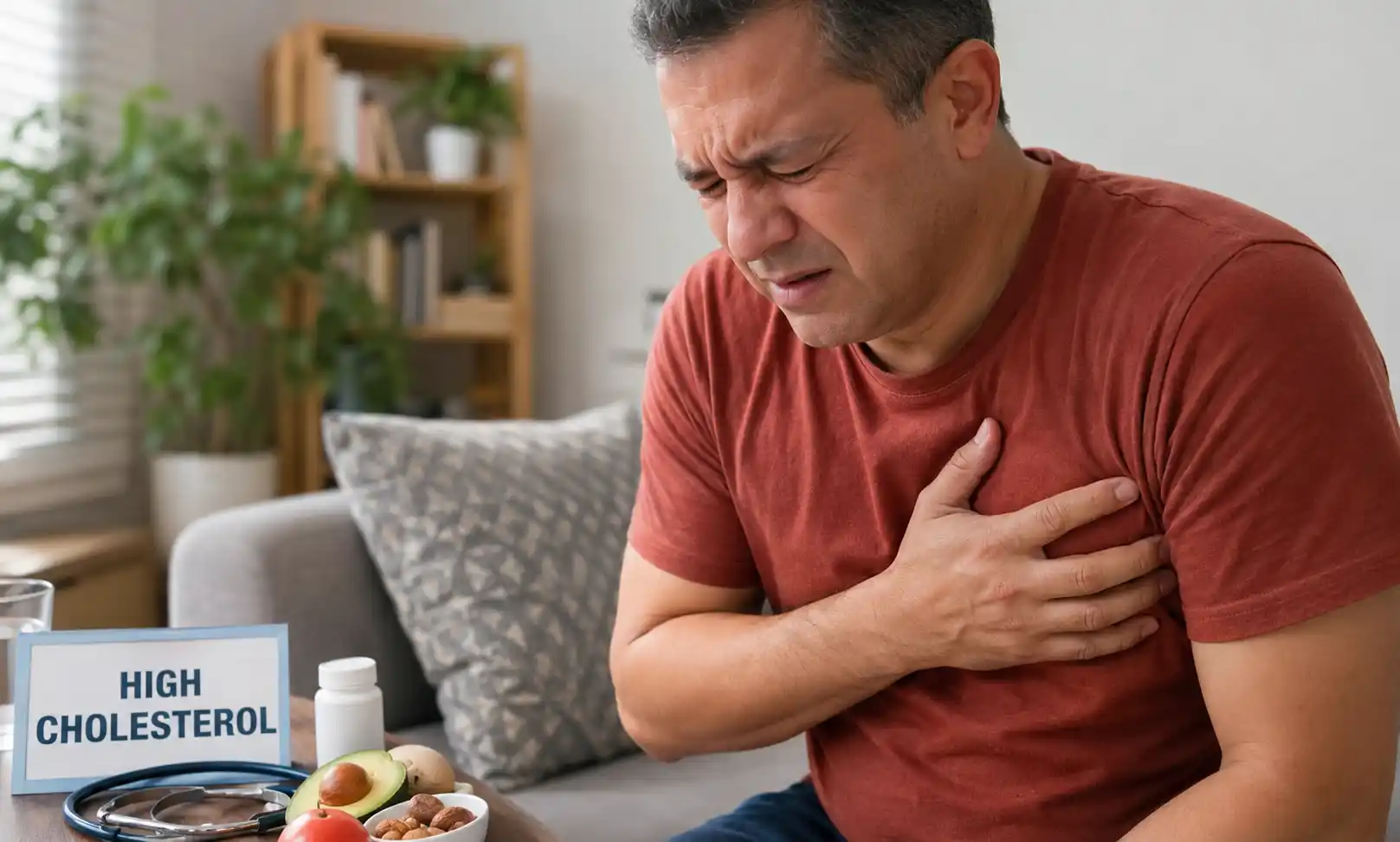
What are 10 warning signs of high cholesterol? There are typically no signs of high cholesterol, but it can slowly damage blood vessels. Sometimes, symptoms like swelling of the skin in the legs, yellow deposits, or leg cramps may be observed after the cholesterol has led to severe health issues.
Introduction
Because most people do not know they have high cholesterol until a routine blood test or a serious health condition such as a heart attack or stroke, high cholesterol is often referred to as a "silent condition. Health experts say millions of adults have high cholesterol and don't realize it. Even though cholesterol doesn't typically cause symptoms, it can slowly build up in your arteries and make it less likely for blood to get to important organs.
Knowing what to look out for can help you to realize if your body is telling you that something is amiss. Although these signs don't always mean you have high cholesterol, they should never be ignored.
Key Takeaways
-
High cholesterol is generally a silent and symptomless condition.
-
Very often, the signs of high cholesterol are noticed only after cholesterol has caused damage to blood vessels.
-
Some of the symptoms are chest and leg pain, and deposits of yellow color under your skin.
-
By changing your lifestyle habits and having regular cholesterol screening, you can bring the risks of getting sick down to a minimum.
-
Early detection can save your life by minimizing the risk of heart disease and stroke, plus other serious health issues.
What Is High Cholesterol?
There are different types of cholesterol. One is a waxy, fat-like substance that your body requires to create cells, to make vitamin D, and to make hormones. Foods like fatty meat, whole dairy products, and processed foods contain cholesterol that your liver produces in plenty on its own.
Issues arise when LDL (low-density lipoprotein), often referred to as "bad cholesterol," is too high. When LDL levels are too high, excess LDL can accumulate in arterial walls and form plaque, which constricts blood flow. HDL (high-density lipoprotein), on the other hand, is responsible for eliminating the excess cholesterol from the blood, and it is the "good cholesterol".
Uncontrolled high cholesterol can greatly raise the risk of heart disease, stroke, and peripheral artery disease over time.
What Are the 10 Warning Signs of High Cholesterol?
Although excessive LDL cholesterol never causes symptoms all at once, it can also show caution symptoms when plaque buildup begins, affecting gait.
1. Chest Pain (Angina)
One of the most common symptoms associated with clogged heart arteries is discomfort in the chest.
As the coronary arteries become constricted by cholesterol plaque, the heart gets less oxygen-rich blood. This diminished blood flow may lead to pressure, tightness, heaviness, or pain in the chest, particularly during physical activity or when feeling emotional.
If you experience chest pain, it shouldn't be ignored, as it could be a symptom of a greater risk of having a heart attack.
2. Pain or Cramping in the Legs
If pain during walking but not during rest, this may be a sign of peripheral artery disease (PAD).
If a person has high cholesterol, it can cause narrowing of the arteries in the legs, which decreases blood flow to the legs. This results in muscles obtaining inadequate oxygen during exercise and causes calf, thigh, or hip pain, cramps, or tiredness.
Older people and smokers should see a doctor if their leg pain persists.
3. Shortness of Breath
For some, it's as if they feel extremely winded while performing daily activities, which can sometimes be linked with a cholesterol-related heart disease.
If the blood vessels narrow, blood flow to the heart is decreased and the heart has to work harder to pump blood around the body. This additional strain can result in shortness of breath while exercising, or even while ascending stairs.
Numerous factors can lead to breathlessness, but one should not underestimate the importance of high cholesterol.
4. Yellow Deposits Around the Eyes (Xanthelasma)
One of the few noticeable symptoms of high cholesterol is the appearance of small, yellowish patches around the eyelids.
The fatty deposits are formed when cholesterol builds up underneath the skin. They are not a source of pain, but they can signal high cholesterol levels or inherited disorders of cholesterol.
Anyone who sees these deposits should get their cholesterol checked out.
5. Tendon Lumps (Xanthomas)
This can be an extremely high level of cholesterol, as firm, painless lumps may form on tendons, particularly on the hands, elbows, knees, or Achilles tendon.
These deposits of cholesterol are more likely to occur in persons with familial hypercholesterolemia, a genetic disorder that leads to elevated LDL cholesterol levels since childhood.
Because of the high risk for early heart disease if FH is not diagnosed and treated, the condition must be diagnosed early.
6. Sudden Weakness or Numbness
If someone suddenly becomes weak or numb on one side of their body, it may indicate blood flow is impaired to the brain.
Arteries that deliver nutrients to the brain can develop plaque as a result of high cholesterol. If blood flow is blocked, it can cause a transient ischemic attack (TIA) or stroke.
If they lose strength, droops its face, have trouble speaking, or become confused, they need emergency medical help right away.
7. High Blood Pressure
Although high cholesterol doesn't directly cause high blood pressure, the two conditions often occur together.
When cholesterol plaques harden and constrict the arteries, the heart has to put more force into pumping blood. This can lead to high blood pressure in the long term.
Having both high blood pressure and high cholesterol increases the likelihood of cardiovascular disease.
8. Erectile Dysfunction
If you are a man, then erectile dysfunction may result from a narrowing of the arteries and be an early warning symptom.
Good blood circulation is essential for healthy penises. A buildup of cholesterol may narrow blood vessels in the penis before it affects other blood vessels.
If a man has unexplained erectile dysfunction, he should talk with his health care provider about his cholesterol level and other cardiovascular risk factors.
9. Cold Feet or Slow-Healing Wounds
Blood flow can be decreased to the legs and feet due to the narrowing of the arteries.
Some people will experience cold feet, numbness, slow healing of cuts, or skin color changes as circulation decreases. People with diabetes or a history of smoking may have these symptoms as a sign of peripheral artery disease.
Early medical assessment helps stave off serious complications.
10. Heart Attack or Stroke
Unfortunately, the first symptom that many people notice of having high cholesterol is a life-threatening emergency.
A heart attack is the result of cholesterol plaque in the blood blocking the heart. Likewise, a stroke occurs when someone's blood supply to the brain is cut off.
Cholesterol testing is so important, not only because monitoring for your pets is critical, but also because it is important to do so even when you feel healthy.
Why High Cholesterol Usually Has No Symptoms
Unlike an infection or injury, cholesterol does not trigger pain while it is still building up inside the arteries. The plaque can collect quietly for years without affecting everyday existence.
After blood flow is severely limited, symptoms usually appear most effective. By that time, arterial damage can also already occur.
Regular cholesterol testing is the most reliable way to detect excessive LDL cholesterol before headaches expand.
Who Is Most at Risk?
Several factors increase the likelihood of developing high LDL cholesterol.
People over the age of forty almost regularly experience elevated cholesterol levels. A family history of hypercholesterolemia or coronary heart disease also increases risk, primarily in inherited conditions including familial hypercholesterolemia
Other risk factors include weight problems, physical inactivity, smoking, excessive alcohol consumption, diabetes, high blood pressure, persistent kidney disease, and a diet rich in saturated or trans fats
Having one or more of those risk factors will not assure high LDL cholesterol; however, general testing also makes it extra necessary.
How Is High Cholesterol Diagnosed?
High cholesterol can only be confirmed through a blood test called a lipid panel.
A lipid profile typically measures:
-
Total cholesterol
-
LDL (bad cholesterol)
-
HDL (good cholesterol)
-
Triglycerides
A healthcare professional would generally suggest checking every four to six years if you're in good health, but they may ask you to do so more regularly if you have certain risk factors like diabetes, a heart condition, and a family history of high cholesterol.
How to Lower High Cholesterol Naturally
Your overall cardiovascular risk, including cholesterol, can really benefit from adopting a healthy lifestyle. Not only will you be doing a great favor for your heart, but you may also prevent other health problems through lifestyle modifications. So the secret is to keep your lifestyle as healthy as feasible.
Some tips to follow are to incorporate foods that are high in soluble fiber and to refrain from those that are rich in saturated fats. For example, if you eat grains like oats, you also get soluble fiber, which is useful in lowering blood cholesterol. Beans and whole pulses, like lentils, fruits, and vegetables are also great choices for this category of foods. As far as fat is concerned, saturated fats should only be consumed in small amounts as they tend to increase blood cholesterol. Instead, consume unsaturated fats that are beneficial for the heart, like the monounsaturated fat in olive oil and the omega-3 fats in nuts, seeds, and fish (Mainly the fatty ones like salmon and tuna).
Try to work up to at least 150 minutes of moderate physical activity per week. You won't need to join a gym because regular walking, cycling, swimming, or just other fun outdoor activities that you can engage in for the whole week will probably suffice in increasing your HDL levels and reducing LDL cholesterol, depending on the way you exercise.
Smoking cessation is definitely at the top of the list of measures that will help really boost your heart's well-being. Besides, a good weight (i.e., you're not very overweight or obese), not drinking alcohol in high amounts, stress levels under control, and enough sleep also have a positive influence on cholesterol levels.
On the occasions that even the most drastic lifestyle alterations won't have the desired effects on the person concerned, the healthcare professional can then prescribe cholesterol-lowering drugs like statins after looking at the patient's overall risk of cardiovascular events.
When Should You See a Doctor?
Make a doctor's appointment if you have chest pain, claudication, which is restarting of cramping in the legs when walking, yellowish rings around the eyes, unexplained shortness of breath, or a significant family history of high cholesterol.
Go directly to the emergency room if you experience chest pain, sudden weakness, inability to speak, changes in vision, or any other symptoms of a heart attack or stroke.
The benefits of early treatment include the prevention of the most serious complications and ultimately providing a better outcome for long-term cardiac health.
Conclusion
Knowing the 10 warning signs of high cholesterol can let you know when your body may even need clinical attention. Although too much ldl cholesterol often develops silently, signs and symptoms such as chest pain, leg cramps, yellow pores and skin deposits, and bad circulation may signal underlying arterial disease Regular ldl cholesterol check out, healthy lifestyle habits, early treatment to protect your heart and risk of destiny complications remain great ways to reduce.
Frequently Asked Questions
What are the first warning signs of high cholesterol?
High cholesterol generally does not cause early signs and symptoms. However, chest pain, leg cramps, yellow eyelash deposits, or poor gait may also indicate that an arterial blockage has occurred.
Can you feel if your cholesterol is high?
No. Most people cannot experience high LDL cholesterol. Blood tests are the most effective and reliable way to prevent a headache from occurring.
What causes high cholesterol?
Common causes include diets high in saturated fat, lack of exercise, weight problems, smoking, diabetes, genetics, and aging
Can high cholesterol be lowered without medication?
Yes. Many peoples raise their cholesterol levels through a healthy weight loss plan, daily exercise, weight control, and quitting smoking. Others may additionally require a remedy depending on their combination.
How often should cholesterol be checked?
Healthy adults should generally have their LDL cholesterol checked every four to 6 years. People with certain risk factors or heart disease may also want to be checked more frequently.




Comments ( 0)
Leave a Comment
No comments yet. Be the first to comment!