

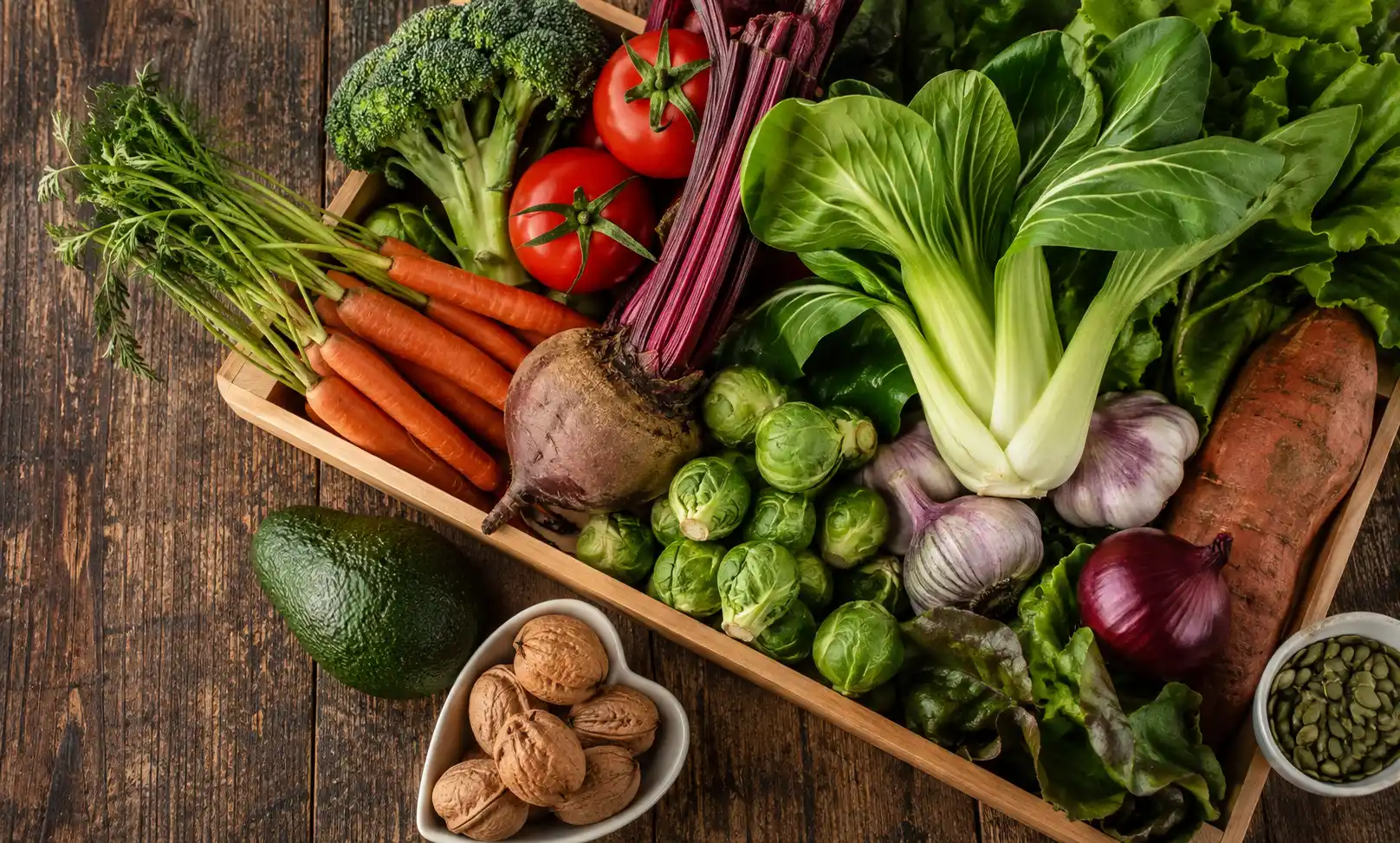
Leafy greens, broccoli, carrots, tomatoes, beets, Brussels sprouts, and sweet potatoes are the top vegetables to eat for heart health. When consumed as part of a healthy diet, these vegetables help promote overall cardiovascular health, normal blood pressure, healthy cholesterol levels, and various plant compounds and antioxidants.
Table of Contents
-
Quick Answer
-
Key Takeaways
-
Introduction
-
What Are the Best Vegetables for Heart Health?
-
Nutrition Facts
-
Top 7 Best Vegetables for Heart Health
-
How These Vegetables Support Heart Health
-
Possible Downsides
-
How to Include These Vegetables in a Healthy Diet
-
Frequently Asked Questions
-
Conclusion
-
Disclaimer
Key Takeaways
-
Vegetables provide nutrients that support heart health.
-
Leafy vegetables are rich in dietary nitrates that help support healthy blood flow.
-
Vegetables rich in fiber can additionally help maintain healthy levels of cholesterol.
-
Colorful vegetables contain antioxidants that protect cells from oxidative stress.
-
Eating many vegetables contributes to a balanced coronary heart-happy eating pattern.
Introduction
Everyday food choices are more and more vital, particularly if we consider heart disease as one of the most important health issues in the world. Vitamins, minerals, fibre and protective plant compounds are all naturally abundant in vegetables and are important for good cardiovascular health.
People are looking for heart-healthy vegetables for recipes because they want to learn how to make their diets healthier. This article covers which vegetables shine, why they are important, and the current research on the health benefits of these vegetables for the heart.
What Are the Best Vegetables for Heart Health?
Vegetables that are heart healthy are those that contain nutrients that are associated with normal cardiovascular function. The nutrients include dietary fibre, potassium, folate, vitamin C, vitamin K, magnesium and natural antioxidants.
The research has also consistently found that diverse vegetable consumption, defying the notion of a “super-food”, consumption of vegetables is more effective than any individual one. Various vegetables offer different nutrients, and when combined, they help create a well-balanced eating pattern which is beneficial for long-term heart health.
It's a healthy eating pattern that includes vegetables, which is recommended by organizations like the USDA, Dietary Guidelines for Americans, and the American Heart Association.
Nutrition Facts
The table below shows approximate nutrition values per 100 grams for several heart-friendly vegetables.
| Vegetable | Calories | Fiber | Potassium | Vitamin C |
|---|---|---|---|---|
| Spinach | 23 | 2.2 g | 558 mg | 28 mg |
| Broccoli | 34 | 2.6 g | 316 mg | 89 mg |
| Carrots | 41 | 2.8 g | 320 mg | 6 mg |
| Tomatoes | 18 | 1.2 g | 237 mg | 14 mg |
| Beets | 43 | 2.8 g | 325 mg | 5 mg |
| Brussels Sprouts | 43 | 3.8 g | 389 mg | 85 mg |
| Sweet Potatoes | 86 | 3.0 g | 337 mg | 2.4 mg |
Values are approximate and may vary depending on variety and preparation.
Top Science-Backed Vegetables for Heart Health
1. Spinach
Spinach is one of the vegetable foods with the highest nutritional content. It provides dietary nitrates, potassium, folate, vitamin K, and antioxidants like lutein.
Nitrates in food can be used in the body to produce nitric oxide in the body. Nitric oxide promotes relaxation of blood vessels, which helps to maintain healthy circulation. Studies also indicate that consuming leafy green vegetables regularly, as part of a balanced diet, has a positive impact on cardiovascular health.
2. Broccoli
Vitamin C, vitamin K, folate, and natural compounds called glucosinolates are all found in broccoli.
It is rich in fiber, which helps with healthy digestion, and is also good for the healthy management of cholesterol. Broccoli also offers antioxidants that can help lower oxidative stress, a key factor that's associated with cardiovascular health.
Broccoli is low in calories and packed with nutrients and is a good addition to many heart-healthy diets.
3. Carrots
Carrots are well known for their high levels of beta-carotene, which is converted by the body to vitamin A. They are also rich in dietary fibre and potassium.
Fiber can be beneficial to your digestive health and may help keep your cholesterol level in check. Carrots are a great snack to add to your meals because they can also help balance out the sodium you consume and are a great source of potassium, which helps to maintain normal blood pressure.
4. Tomatoes
Tomatoes are a great source of vitamin C and lycopene, which is a natural antioxidant that gives tomatoes their red colour.
The health-promoting properties of lycopene have been well investigated in relation to the cardiovascular system. Dietary patterns are the most important factor, but some research indicates that eating foods containing tomatoes is linked to improved heart health.
Fresh tomatoes, cooked tomatoes, and tomato sauces can all provide valuable nutrients.
5. Beets
Dietary nitrates, fiber, folate, and potassium are naturally present in beets.
There is some evidence that the dietary nitrate in vegetables could help maintain healthy blood vessel function and circulation. Betalains are antioxidants found in beets that help fight oxidative stress.
Roasted, steamed, and fresh beet salad are all healthy ways to eat beets.
6. Brussels Sprouts
Brussels sprouts are in the cruciferous vegetable family, which also includes broccoli and cabbage.
They contain fibre, vitamin C, vitamin K, folate, and antioxidants. They are rich in dietary fiber, promoting good digestion and health, and have a beneficial effect on maintaining healthy cholesterol levels. Observational studies have linked high consumption of cruciferous vegetables to beneficial cardiovascular effects.
7. Sweet Potatoes
Sweet potatoes are a great source of fiber, potassium, vitamin A, and healthy plant compounds.
Sweet potatoes have more fiber and nutrients than many refined carbohydrate foods. They are rich in potassium, which helps maintain a natural level of blood pressure, and antioxidants are protective of cells from day-to-day oxidation.
Sweet potatoes can be a part of a heart-healthy meal when baked or roasted.
How These Vegetables Support Cardiovascular Health
Vegetables assist heart fitness through a set of vitamins instead of a single factor. Research shows that consuming a variety of greens as part of an average balanced eating pattern is associated with higher cardiovascular fitness.
Dietary Fiber Supports Healthy Cholesterol
Vegetables obviously contain nutritional fiber, which helps support digestive fitness and can help maintain healthy levels of cholesterol. Additionally, fiber supports increased post-meal fullness, making it less complicated to enjoy a balanced amount for the duration of the day.
Potassium Helps Maintain Normal Blood Pressure
Many vegetables are rich in potassium, including spinach, sweet potatoes, and beets. Potassium works with sodium to help with general fluid stability and healthy blood pressure. Potassium-rich foods as part of a varied diet encourage healthy nutritional styles.
Antioxidants Help Protect Cells
Colorful vegetables incorporate antioxidants together with dietary C, beta-carotene, lycopene, lutein, and betalains. These compounds help protect cells from oxidative stress, which plays a role in heart health.
Natural Plant Compounds Support Blood Vessel Function
Leafy vegetables and beets contain herbal food nitrates that the body can convert into nitric oxide. Nitric oxide relaxes blood vessels and supports healthy circulation. Current evidence suggests that these naturally occurring compounds may also contribute to cardiovascular well-being when consumed through the diet.
Nutrient-Dense Foods Support Overall Wellness
Vegetables are obviously low in saturated fat, even though they provide vitamins, minerals, and useful plant compounds. Replacing highly processed foods with greens can improve the overall nutritional quality of a balanced food sample.
Possible Downsides
While greens offer many nutritional benefits, some sensible concerns really need to be remembered.
-
Some vegetables can also cause digestive discomfort in certain people due to their fiber content, especially if intake increases quickly
-
People with hypersensitive reactions to food should avoid allergy-triggering greens.
-
Canned vegetables may also contain added sodium unless classified as low-sodium or no salt.
-
Deep-fried greens can include more energy, saturated fat, and sodium compared to steamed, roasted, and fresh alternatives.
-
Nutritional needs vary from person to person, so no single vegetable provides every nutrient needed for the most effective health.
How to Include Them in a Healthy Diet
Adding extra vegetables to an ordinary meal doesn’t have to be complicated. Small, steady changes could make the meal extra colorful and nutrient-rich.
Some simple ideas include:
-
Add spinach or kale to omelets, soups, or smoothies.
-
Fry broccoli and Brussels sprouts with herbs for a flavorful wing dish.
-
Slice cleaned tomatoes into sandwiches, wraps, or salads.
-
Obviously, fry the carrots and sweet potatoes for the dessert party.
-
Include shredded beets in salads or in a cereal bowl.
-
When possible, fill at least half of your plate with numerous colorful veggies.
-
Choose clean, frozen, or low-sodium canned vegetables depending on availability and comfort.
Using specific colors over the course of the week can boost a variety of vitamins and beneficial plant compounds into your food plan.
Frequently Asked Questions
What is the healthiest vegetable for heart health?
There is no single "good" vegetable for anyone. Leafy greens, broccoli, tomatoes, beets, carrots, Brussels sprouts, and sweet potatoes all provide essential vitamins that help with heart health. Eating a wide variety of greens is generally additionally useful than a good experience.
How many vegetables should I eat each day for heart health?
The Public Health Operations encourages adults to include vegetables daily as part of a balanced eating pattern. The actual amount varies based on age, activity level, and general nutritional needs, but often a whole lot of selection of vegetables supports overall nutrition and coronary heart health
Are frozen vegetables as healthy as fresh vegetables?
Yes. Frozen vegetables are routinely processed quickly after harvest, helping to preserve many nutrients. They should be convenient options while sparkling product is unavailable. Choosing varieties without added sauces or extra sodium is generally recommended.
Which cooking method keeps vegetables most nutritious?
Steaming, frying, microwaving, and light sautéing generally help preserve nutrients while improving flavor. Overcooking greens can additionally reduce some heat-sensitive nutrients, which include vitamin C, so it's often desirable to have a shorter cooking time
Can vegetables alone prevent heart disease?
No. Vegetables are an important part of a standard healthy lifestyle. Cardio-fitness is induced with the help of many factors, including a healthy weight loss plan, daily physical activity, good sleep, stress management, and preventing tobacco use. A balanced lifestyle offers excellent long-term benefits.
Conclusion
Good vegetables for heart health include spinach, broccoli, carrots, tomatoes, beets, Brussels sprouts, and sweet potatoes. Together, they provide fiber, potassium, antioxidants, nutrients, and useful plant compounds that support standard heart health. Building a meal around a colorful variety of vegetables, regardless of counting veggies in one, is a sensible way to boost average nutrients. Combining those foods with different healthy lifestyle practices can contribute to heart health in the long run.
Disclaimer: This article is intended for educational and informational purposes only. It is not a scientific recommendation and should not be used for expert medical assessment, analysis, or remediation.


Comments ( 0)
Leave a Comment
No comments yet. Be the first to comment!