

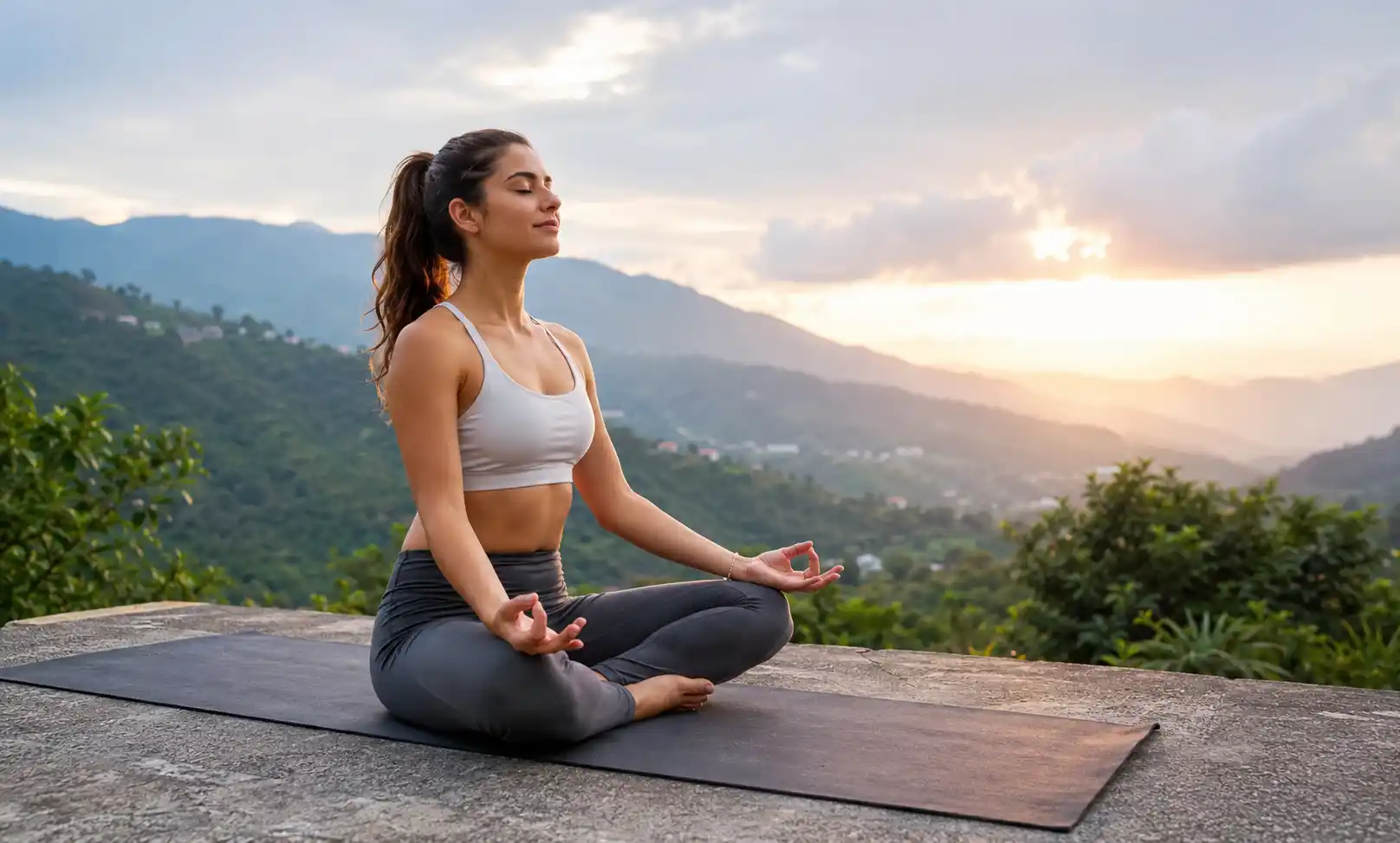
Yoga is a way of life, an ancient holistic practice that has evolved over the years, using body postures, breathing control, meditation, and relaxation to enhance one's flexibility, strength, balance, stress management, and overall well-being. This method, which can be practiced by almost anyone of any age and physical fitness level, works well at keeping the body healthy and the mind tranquil when practiced regularly.
Introduction
Many people today suffer from stress, poor posture, stiff bodies, lack of energy, and don’t have time to take care of themselves. If you’ve ever experienced this, yoga could be what you need for body and mind.
Yoga is more than just stretching on the mat. It is a realistic practice for wellness, which enhances physical fitness, mental clarity, flexibility, balance, and quality of life. Yoga is different from most exercise routines, as the emphasis is on connecting more deeply with movement, breathing, and awareness.
Yoga provides an easy-to-learn route to wellness for anyone, from those who wish to ease the stress in their lives to those who want to be more flexible, stronger, or feel better about themselves in everyday life. The best part? It can be done at any age and fitness level.
Key Takeaways
-
Yoga combines movement, breathing, and mindfulness.
-
Regular practice supports flexibility, strength, and mobility.
-
Yoga may help reduce stress and improve mental well-being.
-
Beginners can start with simple poses and short sessions.
-
Consistency matters more than intensity.
-
Different yoga styles suit different goals and fitness levels.
-
Yoga can be modified for seniors, office workers, and athletes.
What Is Yoga?
Yoga is an ancient mind-body technique dating back thousands of years in India. Although yoga has roots in deep history and philosophy, modern yoga is practiced as a method of physical activity, relaxation, and self-care.
The term “yoga” is derived from a Sanskrit word which means “to unite” or “to connect. In action, yoga brings the body, breath, and mind together through conscious movement and awareness.
Yoga is practiced by millions of people throughout the world today for the following reasons:
-
Improve flexibility
-
Build strength
-
Manage stress
-
Enhance focus
-
Support mobility
-
Improve posture
-
Promote healthy aging
-
Encourage overall wellness
The versatility of yoga is one of the reasons why it is so popular. Yoga can be modified for every type of individual, from beginner to athlete, senior to office worker.
Why Yoga Matters in Modern Life
Numerous lifestyle choices are detrimental to health.
Sitting for long periods of time, spending too much time in front of screens, sitting incorrectly, stress, and not moving around can have a negative impact on both physical and mental health. Many of these challenges can be met with ease through yoga.
Yoga is not a calorie-burning exercise; it’s for the whole person. It promotes healthy movement, breathing, body awareness, and relaxation of the mind.
As little as 15-20 minutes of yoga a day can make a big difference over time.
Health Benefits of Yoga
Improves Flexibility
Many new players will find the flexibility they are given to be one of the first things that they realize.
When muscles are tight, they may impair movement and cause discomfort in normal activities. Yoga may stretch muscles throughout the body, and with time, it can help to increase the range of motion in the body.
Greater flexibility can also promote improved quality of movement and less stiffness.
Supports Better Posture
Due to desk-related work and increased smartphone use, poor posture is becoming increasingly common.
Numerous yoga poses build the muscles that maintain spinal alignment and stretch areas that are prone to tightness from sitting for extended periods.
Many people report feeling more comfortable in the neck, shoulders, and lower back as their posture improves.
Helps Manage Stress
Stress can impact both body and mind.
Slow breathing and mindful movement during yoga can stimulate the relaxation response within the body. People feel more relaxed and more at peace following a yoga session.
Consistent practice can enhance the ability to cope with day-to-day stress.
Builds Strength Naturally
Many believe yoga is all about stretching, but for others, it can be an effective strength-building exercise.
Poses like Plank, Warrior, and Chair pose involve muscles using body weight to develop functionality and functional strength – strength that is useful in day-to-day life.
Improves Balance and Stability
Balance is more important the older we get.
Several of the yoga postures may test your coordination and awareness of your body to enhance your stability and confidence in daily life.
Improved balance can also help prevent injuries.
Supports Joint Mobility
Joints need a lot of movement to remain healthy.
Yoga facilitates the range of motion of the joints in a comfortable way and enhances the healthy mobility of the body.
This may be especially helpful for individuals who are sedentary or lack active jobs.
Encourages Mindfulness
Yoga is a way of teaching people to concentrate on the present moment.
Practitioners do not focus on the past or future, but they focus on their breathing, movements, and physical sensations.
This conscious, aware awareness often permeates daily existence.
May Improve Sleep Quality
There are many individuals who practice yoga to loosen up before going to sleep.
Relaxing, evening sessions can help to ease tension, both physical and mental, and help to improve sleep quality.
Types of Yoga
Hatha Yoga
A beginner-friendly style that focuses on basic poses and breathing techniques.
Vinyasa Yoga
A more dynamic style that links movement with breath.
Yin Yoga
A slower practice involving longer-held stretches that encourage relaxation and flexibility.
Restorative Yoga
Uses props and gentle poses to promote deep relaxation and recovery.
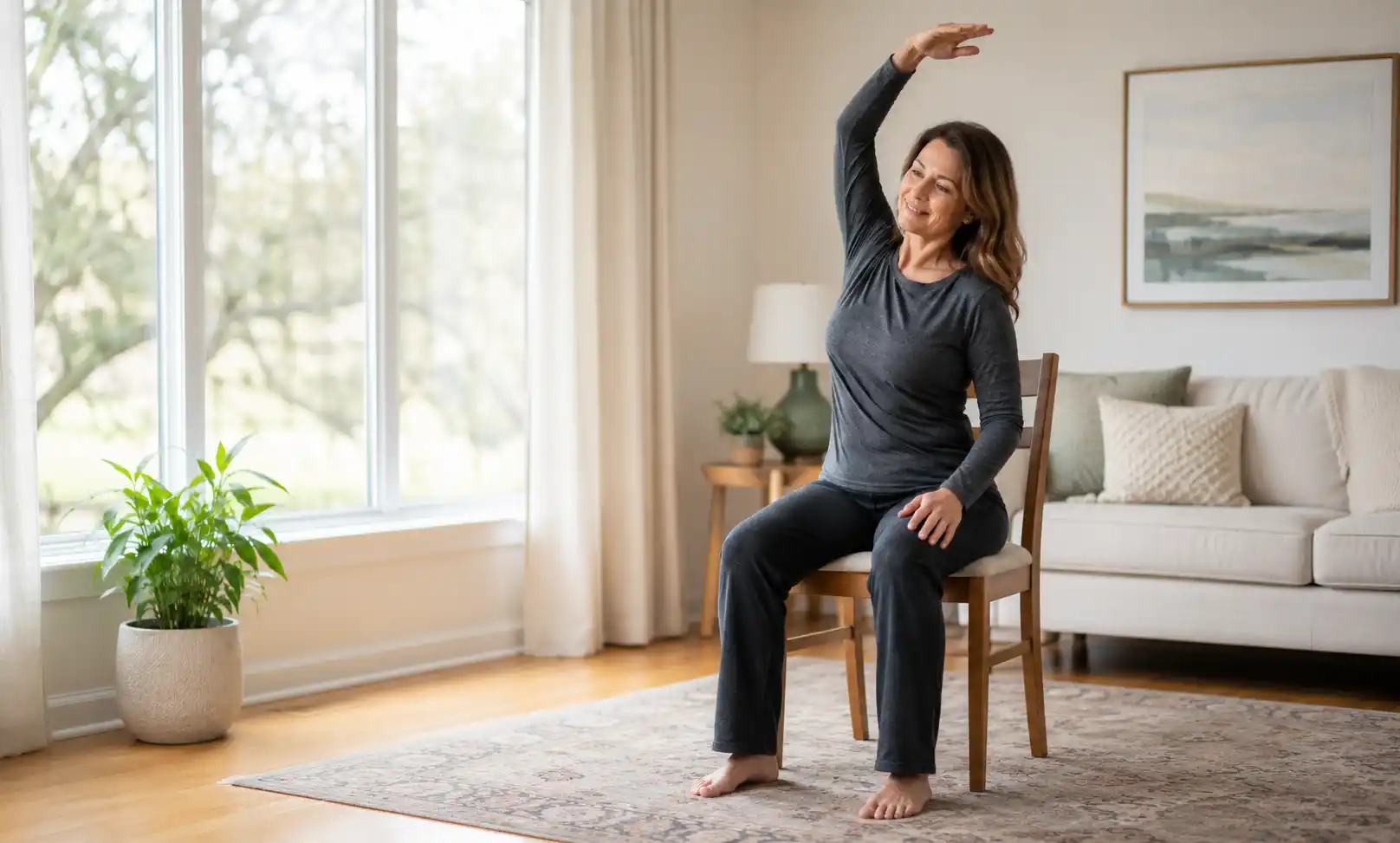
Chair Yoga
An accessible option for seniors, beginners, or people with mobility limitations.
How to Start Practicing Yoga
Follow these simple steps:
Step 1: Find a Quiet Space
Choose a comfortable area with enough room to move freely.
Step 2: Use a Yoga Mat
A yoga mat helps provide grip and comfort.
Step 3: Wear Comfortable Clothing
Choose clothes that allow unrestricted movement.
Step 4: Begin With Breathing
Take several slow, deep breaths before starting.
Step 5: Practice Basic Poses
Start with:
-
Mountain Pose
-
Child's Pose
-
Cat-Cow Stretch
-
Downward Dog
-
Cobra Pose
-
Tree Pose
Step 6: Move Slowly
Focus on proper form rather than trying to move quickly.
Step 7: End With Relaxation
Finish with a few minutes of quiet breathing or relaxation.
Common Beginner Mistakes to Avoid
Comparing Yourself to Others
Yoga is a personal journey. Everyone progresses at a different pace.
Forcing Flexibility
Stretching should never be painful. Progress happens gradually.
Holding Your Breath
Breathing is an essential part of yoga practice.
Skipping Warm-Ups
Preparing the body before movement helps improve comfort and safety.
Practicing Too Much Too Soon
Consistency is important, but excessive training can increase injury risk.
Who Should Practice Yoga?
Yoga is suitable for:
Beginners
Simple poses make yoga accessible to people with little or no fitness experience.
Adults
Yoga supports stress management and physical wellness.
Seniors
Gentle yoga can help maintain mobility, balance, and independence.
Office Workers
Yoga may help counteract the effects of prolonged sitting.
Athletes
Many athletes use yoga to improve recovery, flexibility, and body awareness.
Who Should Modify or Avoid Certain Yoga Practices?
Some individuals may need modifications.
-
People with recent injuries
-
Individuals recovering from surgery
-
Those with severe joint conditions
-
Individuals with balance limitations
-
Pregnant women practicing non-prenatal classes
Consulting a healthcare professional is recommended when health concerns exist.
Best Time to Practice Yoga
Morning Yoga
Benefits include:
-
Increased energy
-
Better focus
-
Reduced morning stiffness
-
Healthier daily routines
Evening Yoga
Benefits include:
-
Stress relief
-
Muscle relaxation
-
Improved sleep preparation
How Often Should You Practice?
Beginners can start with:
-
2–3 sessions per week
-
20–30 minutes per session
As confidence grows, frequency can gradually increase.
Beginner Tips for Success
-
Start with simple poses.
-
Focus on consistency.
-
Learn proper breathing techniques.
-
Listen to your body.
-
Use yoga props when needed.
-
Stay hydrated.
-
Enjoy the process rather than chasing perfection.
Yoga vs Other Popular Yoga Styles
Yin Yoga vs Hatha Yoga
Yin Yoga
-
Slower pace
-
Longer holds
-
Deep stretching focus
-
Excellent for relaxation
Hatha Yoga
-
More balanced approach
-
Beginner-friendly
-
Includes movement and breathing
-
Great starting point for most people
For beginners, Hatha Yoga is usually the easiest style to learn.
Common Myths About Yoga
You Must Be Flexible to Do Yoga
Flexibility develops through practice.
Yoga Is Only Stretching
Yoga improves strength, balance, mobility, and mindfulness.
Yoga Is Only for Women
People of all genders practice yoga worldwide.
Yoga Is Too Easy
Many styles provide significant physical challenges.
You Need Expensive Equipment
A yoga mat and comfortable clothing are often enough.
Expert Tips for Better Results
-
Practice at the same time each day.
-
Focus on breathing throughout every pose.
-
Prioritize technique over intensity.
-
Combine yoga with healthy lifestyle habits.
-
Stay patient with your progress.
-
Try different styles to find your favorite.
-
Keep a simple yoga journal to track improvements.
Frequently Asked Questions
Is yoga good for weight loss?
Yoga can guide weight loss when combined with healthy intake and an active lifestyle. Certain styles burn more calories than others, although all forms can additionally help increase body cognition and reduce stress-related eating. Consistency is important. Yoga also supports healthy habits that contribute to long-term weight control. It works first-class as part of a basic wellness practice.
How long does it take to see results from yoga?
Many beginners are aware of improvements in flexibility, tension range, and strength in some weeks. Physiological adjustment with expanded electromobility is enhanced with regular exercise. Results depend on frequency and personal goals. Practicing multiple times to fit the week often provides significant benefits. Patience and consistency are key.
Can yoga replace the gym?
Yoga offers many fitness benefits, including strength, flexibility, stability, and mobility. But whether it can replace a health club depends on individual dreams. Some individuals may also benefit from combining yoga with resistance education or cardiovascular exercise. Yoga complements many fitness applications. The exceptional method is based on the wishes of the individual.
Is yoga safe for seniors?
Yes, many seniors practice yoga adequately. Gentle chair and core-based options make yoga available for exclusive mobility levels. Yoga can also help improve flexibility, stability, and confidence in movement. Let seniors choose classes that best suit their skills. The changes can make currencies safer and more sound.
What should beginners eat before yoga?
A soft meal or snack is generally fine. Eating a heavy meal straight before practice can cause discomfort. Many people decide to practice for one to 3 hours after consumption. Hydration is also important. Individual options can also vary depending on the type and depth of yoga being performed.
How many times a week should I do yoga?
Beginners usually benefit from two to three periods weekly. Practice can gradually increase as experience increases. Some people enjoy each day, while others exercise numerous instances corresponding to the week. In addition to duration, consistency is important. Even a short time can be a significant blessing.
Is yoga suitable for people with back pain?
Many people with lower back pain find yoga beneficial. Gentle poses can additionally improve mobility, posture, and body consciousness. However, some actions will not be appropriate for anyone. It is important to choose amateur-friendly assignments and seek professional operation when necessary. Safety always needs to come first.
Can children practice yoga?
Yes, yoga can be tailored to young people. Age-appropriate yoga often specializes in movement, stability, breathing, and fun activities. Many children enjoy learning about yoga through play and innovative sports activities. Additionally, it can help enhance cognition and body recognition. Classes designed especially for young people are often a satisfactory alternative.
Conclusion
Yoga is one of the most accessible and beneficial wellness practices these days. It supports flexibility, strength, balance, mobility, pressure management, and overall well-being at the same time, making it suitable for distinctive long-term and fitness goals.
If you are new to yoga, start small, stay constant, and focus on learning the fundamentals. Over time, a general yoga exercise can emerge as a valuable device for maintaining physical health and mental well-being.
Yoga Summary
-
Yoga combines movement, breathing, and mindfulness.
-
Regular practice supports flexibility, strength, and balance.
-
Yoga may help reduce stress and improve mental well-being.
-
Beginners can start with simple poses and short sessions.
-
Consistency and proper technique lead to long-term benefits.
Comments ( 0)
Leave a Comment
No comments yet. Be the first to comment!