

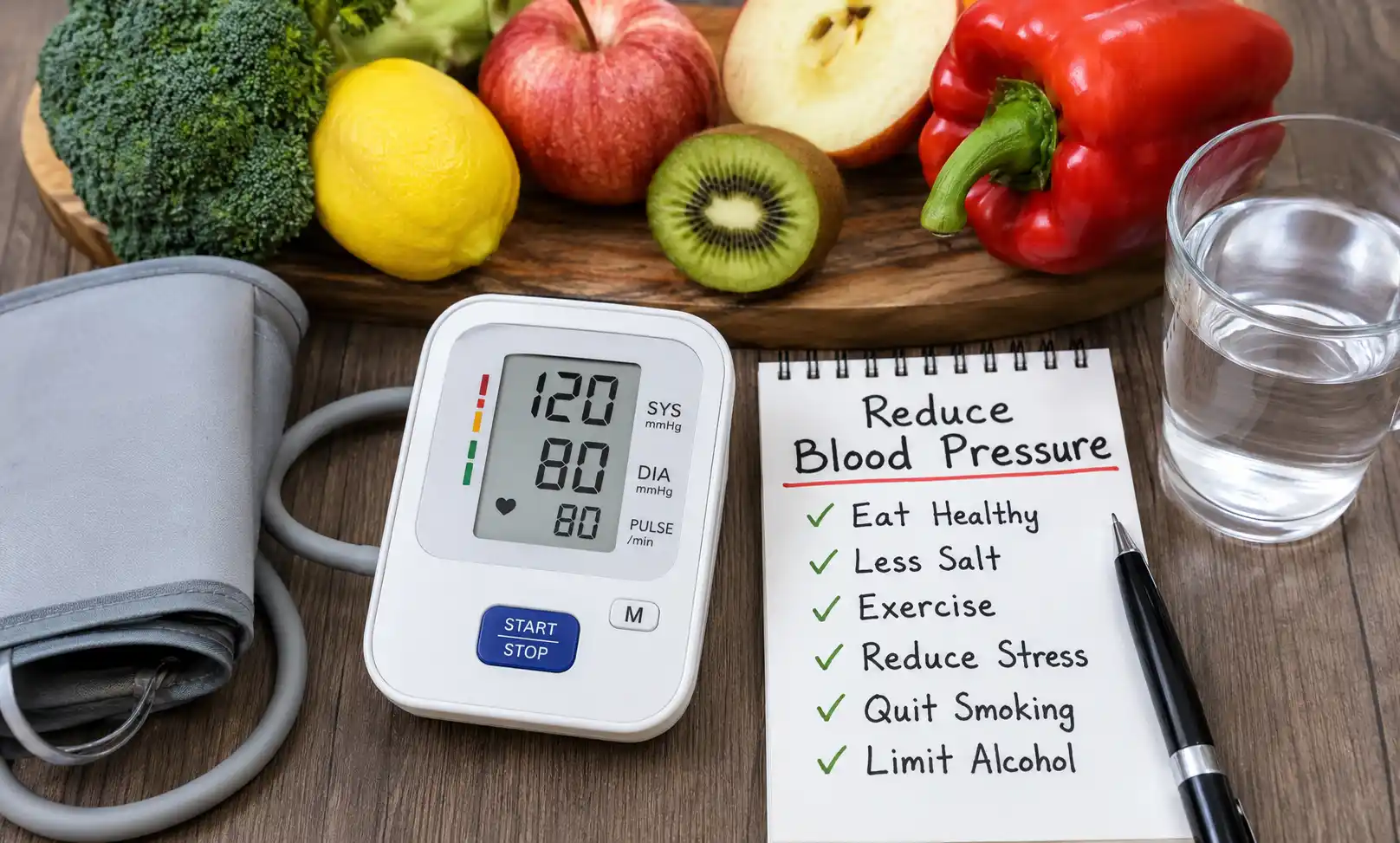
The evidence suggests that a heart-healthy diet, reduced sodium intake, regular exercise, maintaining a healthy weight, sufficient sleep, stress reduction, abstaining from tobacco use, and limiting alcohol intake will help lower blood pressure naturally. The help contributes to lower blood pressure but is not a replacement for a professional's assessment or, if necessary, medication.
Table of Contents
-
What Does It Mean to Reduce Blood Pressure Naturally?
-
Does High Blood Pressure Cause Symptoms?
-
What Causes High Blood Pressure?
-
What Increases the Risk?
-
How Do Doctors Diagnose High Blood Pressure?
-
Evidence-Based Ways to Reduce Blood Pressure Naturally
-
Can High Blood Pressure Be Prevented?
-
What Complications Can High Blood Pressure Cause?
-
When May Medical Evaluation Be Appropriate?
-
Myths vs Facts
-
Frequently Asked Questions
-
Conclusion
Key Takeaways
-
Hypertension frequently develops without major symptoms.
-
DASH regimens can lead to healthy blood pressure.
-
Reducing excess sodium is an important dietary approach.
-
Regular physical activity, maintaining a healthy weight, adequate sleep, and blood pressure management can help support cardiovascular health.
-
While lifestyle adjustments are valuable, some people additionally need clinical treatment depending on their blood pressure and specific cardiovascular risk.
Introduction
Hypertension (high blood pressure) is a common condition in the United States that may occur without warning signs. Uncontrolled blood pressure over time can create additional stress on the heart, blood vessels, kidneys, and other organs.
Luckily, several day-to-day practices can affect blood pressure. Understanding the connections between food, exercise, body weight, alcohol, tobacco, sleep, and stress, and how they affect cardiovascular health, can make the phrase "reduce blood pressure" really mean something. This article provides information about evidence; it is not a sales brochure for quick-fix pills, supplements, or unproved remedies.
What Does It Mean to Reduce Blood Pressure Naturally?
Blood pressure is the pressure exerted by blood as it flows through blood vessels. The top number (systolic) is the pressure exerted during a heartbeat. The lower reading, or the diastolic pressure, is what happens between heartbeats.
Naturally lowering blood pressure primarily means making lifestyle changes to help lower it, without using any “miracle” products supposedly designed to do so. Healthy weight, heart-healthy eating, reducing sodium intake, physical activity, stress management, and eliminating/ lowering alcohol consumption are current American Heart Association recommendations.
It is important to note, however, that the word “natural” does not imply that medicine is not needed. Whether lifestyle measures alone will suffice depends on the person's blood pressure, overall health, and cardiovascular risk.
Does High Blood Pressure Cause Symptoms?
Most often, high blood pressure has no symptoms. This is why it is important to take measurements regularly. Even though the blood pressure is high, a person can feel fine.
Headache or dizziness is sometimes thought to be an accurate indicator of hypertension, but symptoms don't necessarily mean hypertension. A blood pressure reading is required to detect high blood pressure.
What Causes High Blood Pressure?
Primary Hypertension
The most common is primary (essential) hypertension. Often, it is not a single cause, but rather something that grows over time. Its development can be affected by age, genetics, diet, activity level, body weight, and more.
Secondary Hypertension
Secondary hypertension occurs when it is caused by another health problem or sometimes by specific medicines. The body's ability to control blood pressure can be impaired by other conditions such as kidney disease, hormone disorders, and others.
What Increases the Risk of High Blood Pressure?
Age and Family History
As a person gets older, blood vessels tend to become stiff, which can lead to high blood pressure. Additionally, there are genetic and family factors that can affect an individual's risk for hypertension.
High-Sodium Eating Patterns
Sodium has a role in regulating fluid balance and blood pressure. Excessive sodium intake, typically from processed, packaged, and restaurant foods, may lead to elevated blood pressure in susceptible individuals.
Physical Inactivity
Low levels of physical activity are linked to poor cardiovascular health. The heart and circulatory system work better with regular exercise.
Excess Body Weight
Body weight tends to rise as the risk of hypertension rises. But it's not just body weight, and a person can have high blood pressure at any size.
Tobacco and Alcohol
Tobacco exposure is harmful to the cardiovascular system. Alcohol also increases blood pressure, especially if it's taken in large amounts. Alcohol is now recommended as a component of lifestyle modification for high blood pressure as part of current AHA guidelines.
How Do Doctors Generally Diagnose High Blood Pressure?
Diagnosis is not typically made based on a person's pain. Healthcare professionals use an appropriate cuff to measure blood pressure and take readings over time, as blood pressure can fluctuate throughout the day.
Laboratory analysis and/or other assessments may be used in combination with medical history, physical examination, and repeated measurements, as appropriate. These may be useful for the clinician in assessing cardiac risk or determining underlying causes.
According to current guidelines in the United States, blood pressure is considered normal if it is below 120/80 mm Hg; if it is 130/80 mm Hg or higher, it is considered hypertension.
What Are Evidence-Based Ways to Reduce Blood Pressure Naturally?
1. Follow a Heart-Healthy Eating Pattern
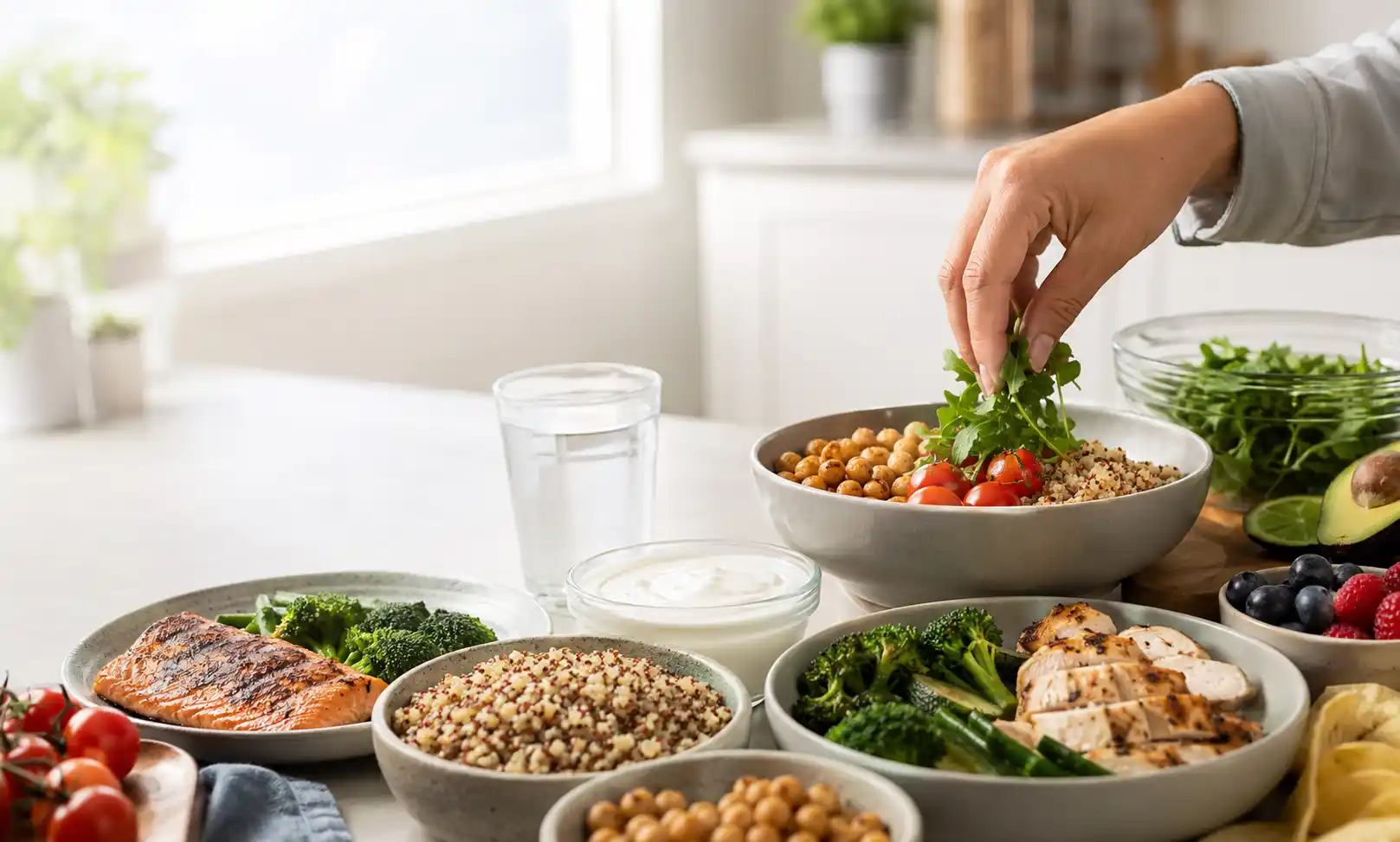
The DASH eating plan has substantial evidence supporting it. It focuses on vegetables, fruits, whole grains, legumes, nuts, seeds, low-fat or nonfat dairy, fish, poultry, and nutrient-dense foods, while limiting sodium and less nutritious foods.
This isn't only for supplying nutrients such as potassium, magnesium, fiber, and calcium, but also for the overall health of the cardiovascular system.
2. Reduce Excess Sodium
Decrease sodium consumption to help control blood pressure. According to the NHLBI, scientific studies have found that restricting sodium is part of a heart-healthy diet.
Processed and restaurant foods provide more sodium to a typical American diet than salt served at the table. Food labels and food exchange lists can help you understand sodium intake when comparing foods and selecting less-processed options.
3. Stay Physically Active
Exercise improves the function of the heart and blood vessels and may reduce and control blood pressure. These activities can be brisk walking, cycling, swimming, resistance exercise, or any other type of activity.
The 2025 AHA/ACC guidance includes moderate physical activity as a component of blood pressure management, and the overall guideline mentions aerobic and resistance activities.
4. Maintain a Healthy Weight
Weight loss can help lower blood pressure in individuals with overweight or obesity, thereby improving cardiovascular health. Despite all this, blood pressure control is more than just a reading on a scale.
Food quality, physical activity, sleep habits, exposure to tobacco, alcohol, stress, genetics, and other health issues can be important.
5. Pay Attention to Sleep
Sleep helps to regulate cardiovascular and metabolic function. Poor sleep quality on a regular basis, or some sleep disorders, can be linked to a higher risk of cardiovascular disease.
Maintaining a regular sleep schedule, ensuring adequate sleep opportunity, and addressing ongoing sleep disturbances may be components of a heart-healthy lifestyle.
6. Manage Ongoing Stress
Stress can rapidly increase heart rate and blood pressure. Chronic stress can also affect behaviors, including sleep, alcohol consumption, or physical activity.
Exercise, meditation, managed breathing, yoga, and different healthy stress-management strategies are among the procedures identified in the AHA Heart Guidelines
7. Avoid Tobacco
Smoking and different tobacco exposures can damage blood vessels and cause a widespread surge in cardiovascular risk. Avoiding tobacco supports cardiovascular fitness, despite its effects on blood pressure readings.
8. Limit Alcohol
Drinking too much alcohol isn’t good for blood pressure. The AHA's current approach to life emphasizes that reducing or depositing alcohol is one aspect of preventing or managing blood pressure improvement
Can High Blood Pressure Be Prevented?
Not every case is preventable, as age, genetics, and medical conditions additionally affect the risk. However, changing behavior could make a meaningful difference.
Heart-healthy intake patterns, physical activity, healthy weight control, tobacco prevention, alcohol moderation, stress management, and preventive health care can help reduce modifiable cardiovascular risks
What Complications Can High Blood Pressure Cause?
Persistent out-of-control hypertension can progressively damage blood vessels and force the coronary heart to work harder.
Over time, this increases the risk of heart disease, heart attack, stroke, heart failure, kidney disease, and various fitness troubles. The likelihood of complications varies from step to step depending on the severity and duration of blood pressure issues and on different health conditions.
When May Medical Evaluation Be Appropriate?
Because high blood pressure often has no symptoms, a blood pressure reading is more informative than waiting for warning signs. Repeated rapid measurements are typically evaluated by health care professionals.
Medical assessment can also be accurate when blood pressure changes appreciably, remains elevated over time, or is accompanied by significant symptoms or other concerning health conditions
Studies show that blood pressure readings greater than 180/120 mm Hg fall within the acute hypertensive variation. Current operations treat very excessive readings differently depending on whether symptoms of acute organ damage are a gift or not, making professional assessment spark-off critical
Myths vs Facts
| Myth | Fact |
| High blood pressure always causes symptoms. | Hypertension commonly has no noticeable symptoms. |
| Only older adults develop hypertension. | Risk increases with age, but younger adults can also develop it. |
| Avoiding table salt removes all dietary sodium. | Processed, packaged, and restaurant foods can contain substantial sodium. |
| A “natural” remedy can quickly cure hypertension. | No single food, drink, or home remedy is a proven cure. |
| Lifestyle changes always eliminate the need for medication. | Some people require medical treatment in addition to lifestyle changes based on blood pressure and cardiovascular risk. |
Frequently Asked Questions
Can drinking more water naturally lower blood pressure?
Adequate hydration supports constant frame features, but water is not always a remedy or cure for hypertension. Blood tension is stimulated with the help of several elements, such as sodium intake, physical activity, frame weight, genetics, kidney function, medications, and overall heart health
What foods may support healthy blood pressure?
The DASH-fashioned eating pattern emphasizes fruits, greens, whole grains, legumes, nuts, seeds, low-fat dairy, fish, and other nutrient-dense ingredients. The whole diet seems more important than counting one supposed blood-pressure-lowering “overeating” incident.
Does walking help reduce blood pressure?
Regular aerobic activities, such as brisk walking, can help improve cardiovascular fitness and maintain healthy blood pressure. Handling current hypertension includes a variety of basic lifestyle strategies to prevent and cope with physical interest polyploid blood tension. The appropriate activity level may occur in individuals.
How quickly can lifestyle changes affect blood pressure?
The response varies drastically. Diet, pastimes, weight, alcohol intake, sodium intake, genetics, current conditions, and the onset of blood pressure can all affect adjustments. Sustainable practices are more important than forecasting selective reductions within some days.
Can stress cause high blood pressure?
Stress can rapidly increase blood pressure, while chronic stress can also affect cardiovascular health indirectly through sleep, weight loss programs, alcohol use, and physical activity, so stress management can be a useful part of a comprehensive blood-stress-happy lifestyle.
Conclusion
Learning how to reduce blood pressure naturally is about sustainable, evidence-based practice, not quick fixes. Heart-healthy intake, reducing sodium intake, normal activity, healthy weight management, first-class sleep, pressure control, and getting off tobacco and alcohol can help with heart disease health
Because hypertension is often not the cause that signs and symptoms vary, proper sizing and appropriate assessment of blood pressure through qualified healthcare professionals continue to be important components of long-term blood pressure care
Disclaimer: This article is intended for instructional and informational purposes. This is not scientific advice and should not be used for professional medical evaluation, diagnosis, or as an alternative to treatment.



Comments ( 0)
Leave a Comment
No comments yet. Be the first to comment!