

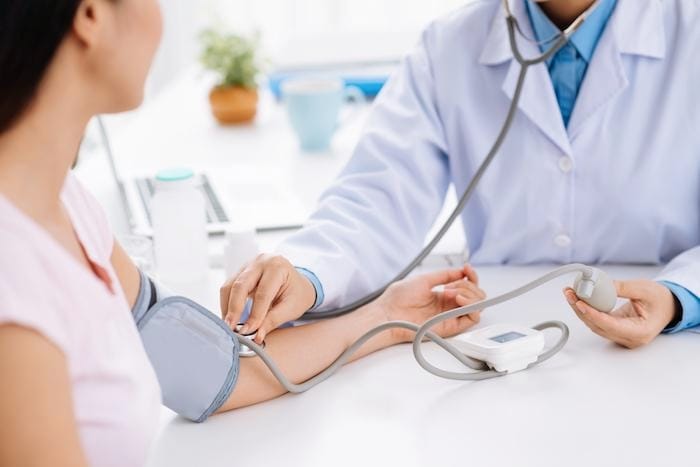

Although practically everyone is familiar with the term "blood pressure," few people actually understand what it means. Your blood pressure readings may subtly point to a problem even though you feel perfectly well and carry on with your daily activities. This is the reason blood pressure is such an important—and sometimes dangerous—measure. It rarely manifests symptoms until damage has already started.
Over time, you can protect your heart, brain, and kidneys by learning about blood pressure, identifying normal levels, and identifying the early warning signs of hypertension. Without using medical jargon or alarmist warnings, this guide explains everything in a clear and practical manner.
What Is Blood Pressure and Why Does It Matter
The force that flowing blood applies to your artery walls is known as blood pressure. Blood is pumped through these vessels with every heartbeat, and the pressure that results guarantees the body receives nutrients and oxygen.
Two numbers represent your blood pressure reading:
- The pressure in your arteries during a heartbeat is known as the systolic pressure (the top number).
- The pressure in your arteries when your heart relaxes in between beats is known as diastolic pressure, or the bottom number.
A reading of 120/80 mmHg, for instance, indicates that your diastolic pressure is 80 and your systolic pressure is 120.
Because persistently high or low blood pressure can strain important organs, this measurement is crucial. Unhealthy levels eventually increase the risk of kidney damage, heart disease, stroke, and vision issues.
Normal Blood Pressure: What Doctors Look For
The range in which your heart and arteries operate effectively without undue stress is known as normal blood pressure. Widely recognized clinical guidelines state that normal blood pressure is:

- Systolic: less than 120 mmHg
- Diastolic: less than 80 mmHg
Blood flows easily, and your blood vessels stay flexible and healthy when readings stay within this range.
Why “Normal” Is Not the Same for Everyone
Blood pressure readings can be impacted by age, genetics, physical activity, stress, and general health. While older adults may see gradual increases, athletes frequently have slightly lower numbers. Your readings' overall trends and consistency are more significant than any one measurement.
Establishing your own baseline through regular monitoring facilitates the early detection of any changes.
Understanding Hypertension and Its Silent Nature
The medical term for persistently elevated blood pressure is hypertension. Because most people don't have any symptoms until problems develop, it's frequently referred to as the "silent condition."
When blood pressure readings regularly reach or surpass the following, hypertension is usually diagnosed:
- 130/80 mmHg on multiple occasions
Types of Hypertension
Primary (Essential) Hypertension
The most prevalent type of hypertension is this one. It develops gradually over a number of years and is impacted by lifestyle factors like stress, weight, physical activity, and diet.
Secondary Hypertension
An underlying illness, such as kidney disease, hormonal imbalances, or specific drugs, can result in this kind of hypertension. It can be more severe and frequently manifests abruptly.
Why High Blood Pressure Is Dangerous Over Time
Arteries narrow and stiffen when blood pressure stays high. This causes damage that gradually worsens over time by limiting blood flow and making the heart work harder.
Potential long-term effects include:
- Heart attack and heart failure
- Stroke and cognitive decline
- Kidney disease
- Vision problems
- Sexual dysfunction
If untreated, even slightly elevated blood pressure can cause major health issues years later.
Symptoms: When Blood Pressure Gives Clues
The majority of people with hypertension don't exhibit any overt symptoms. However, in severe or unexpected cases, the following symptoms could appear:
- Frequent headaches
- Shortness of breath
- Chest discomfort
- Dizziness or blurred vision
- Nosebleeds (rare and usually severe cases)
It is dangerous to rely solely on symptoms. The only trustworthy way to determine your actual condition is through routine blood pressure checks.
How Blood Pressure Is Measured Correctly
Because even small mistakes can produce erroneous and deceptive results, precise measurement is essential.
Tips for Reliable Readings
- Sit quietly for five minutes before testing
- Keep your back supported and feet flat on the floor
- Place the cuff at heart level
- Avoid caffeine, smoking, or exercise 30 minutes prior
In particular, home monitoring devices are useful for tracking health trends in between doctor's appointments.
Lifestyle Factors That Influence Blood Pressure
Daily routines have a big impact on blood pressure, and even minor changes can have a big impact.
Diet and Sodium Intake
Excess salt intake causes the body to retain fluid, increasing pressure within the arteries. Focusing on whole foods, fruits, vegetables, lean proteins, and potassium-rich choices helps promote healthier blood pressure levels.
Physical Activity
Regular physical activity strengthens the heart, enabling it to pump blood more efficiently. Activities such as walking, cycling, swimming, and strength training all contribute to this benefit.
Stress and Sleep
Chronic stress activates hormonal responses that increase blood pressure, while poor sleep interferes with its regulation. Effectively managing stress and maintaining regular sleep patterns are more important than often recognized.
Weight and Alcohol Use
Excess body weight puts additional strain on the heart, and heavy alcohol consumption can elevate blood pressure while diminishing the effectiveness of medications.
Blood Pressure Across Different Life Stages
Blood pressure is not static throughout life.
- Children and teens: Readings depend on age, height, and sex
- Adults: Lifestyle factors dominate
- Older adults: Arteries stiffen naturally, often raising systolic pressure
Regular monitoring remains important at every stage.
When Medication Becomes Necessary
Lifestyle changes form the foundation of blood pressure management. However, medication may be necessary if blood pressure remains high despite consistent efforts or if cardiovascular risk is elevated.
Doctors select medications according to each patient’s health profile, existing conditions, and treatment response. The aim is effective control, not perfection.
FAQs About Blood Pressure, Normal Blood Pressure, and Hypertension
What is considered dangerously high blood pressure?
A reading of 180/120 mmHg or higher requires immediate medical attention, especially if accompanied by symptoms like chest pain or shortness of breath.
Can normal blood pressure become hypertension suddenly?
Exactly. Severe stress, illness, medications, or underlying conditions can trigger sudden spikes in blood pressure, making regular monitoring essential.
Is low blood pressure always bad?
Not always. Some individuals naturally have lower blood pressure without any problems. Concern arises only if low pressure leads to symptoms like dizziness, fainting, or fatigue.
How often should blood pressure be checked?
Healthy adults should have their blood pressure checked at least once a year, while individuals with elevated readings or hypertension may require monitoring on a weekly or daily basis.
Can hypertension be reversed?
In many cases, early-stage hypertension can improve substantially through sustained lifestyle changes, making long-term control achievable with consistent care.
Blood pressure indicates the effort your heart exerts throughout the day. Being aware of your numbers, understanding their significance, and taking early action can significantly impact your well-being and longevity.




Comments ( 0)
Leave a Comment
No comments yet. Be the first to comment!