

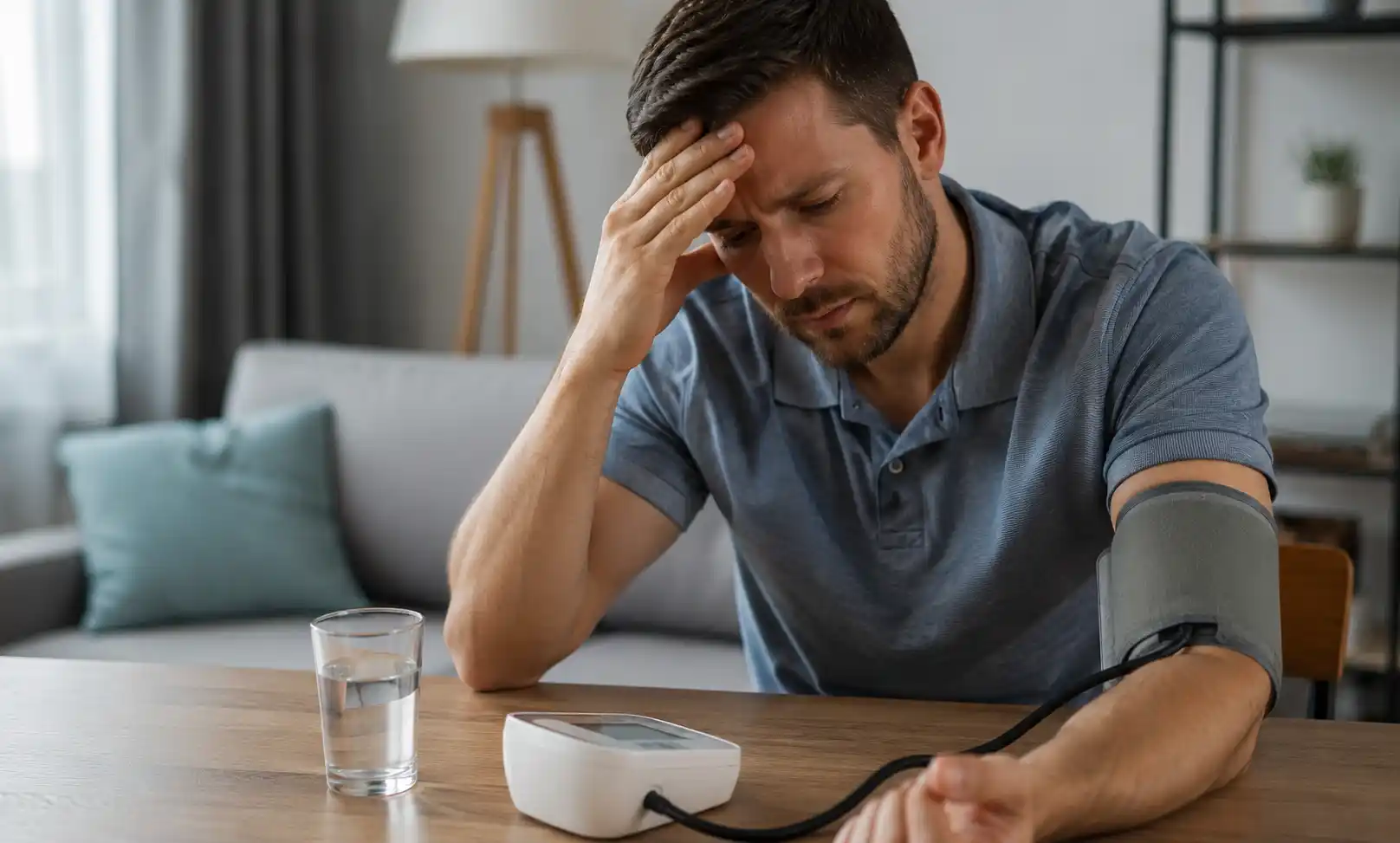
Yes, some people may experience a temporary increase in blood pressure due to dehydration. If the body is losing too much water, blood volume will drop, blood vessels will constrict, and some hormones will activate. These variations may cause a temporary increase in blood pressure. However, there are a lot of possible causes for high blood pressure, and dehydration is likely not the sole cause.
Table of Contents
-
Quick Answer
-
Key Takeaways
-
Introduction
-
What Is Dehydration?
-
Does Dehydration Cause High Blood Pressure?
-
How Dehydration Affects Blood Pressure
-
Symptoms of Dehydration
-
Causes of Dehydration
-
Risk Factors
-
How It Is Generally Diagnosed
-
Possible Management Approaches
-
Prevention
-
Possible Complications
-
Frequently Asked Questions
-
Conclusion
Key Takeaways
-
Dehydration can temporarily raise blood pressure in some people.
-
Less body fluid can additionally cause blood vessels to tighten.
-
Hormonal changes during dehydration can affect blood pressure.
-
Drinking enough fluids supports regular movement.
-
Persistent hypertension should be evaluated by a healthcare specialist.
Introduction
Water plays a vital role in the normal flow of blood and in ensuring normal functions of the body. Dehydration occurs when the body becomes deficient in fluids. A lot of people have the question: Can dehydration affect blood pressure as well?
Dehydration has been shown to have a transient hyperdynamic effect on blood pressure, in that the body attempts to maintain blood flow despite the decrease in fluid volume. This connection can help to educate people on the significance of fluid maintenance.
What Is Dehydration?
Dehydration occurs when the body loses more water than it replaces. This reduces the amount of fluid required for regular bodily functions.
Common causes include:
-
Not drinking enough water
-
Heavy sweating
-
Vomiting or diarrhea
-
Fever
-
Hot weather
-
Intense physical activity
Even slight dehydration can affect circulation, body temperature, and general fitness.
Does Dehydration Cause High Blood Pressure?
Yes, it can—but usually only temporarily.
When dehydration occurs, the body undergoes several changes to try to maintain blood flow. These changes can also increase blood pressure in certain individuals.
Current research indicates that dehydration is not always considered an immediate cause of chronic hypertension, yet may contribute to rapid adjustments in stages of blood pressure.
Those with existing heart or blood pressure conditions may be more touchy about their results.
How Dehydration Affects Blood Pressure
Dehydration affects the cardiovascular system in several ways.
Reduced Blood Volume
Less body fluid patterns lead to less blood circulating in the body. This makes it difficult to maintain a daily routine.
Narrower Blood Vessels
The body can also tighten the blood vessels, which helps to protect blood circulation. Narrowed veins increase resistance, which can increase blood pressure.
Hormonal Response
Dehydration triggers hormones that help conserve water and sodium in the body. These hormones can serve the purpose of constricting blood vessels.
Increased Heart Workload
The heart may need to work harder to pump blood efficiently when the fluid range is low.
Common Symptoms of Dehydration
Symptoms can vary from mild to severe depending on how an awful lot of fluid the frame is misplaced.
Common symptoms include:
-
Feeling thirsty
-
Dry mouth and lips
-
Dark yellow urine
-
Headache
-
Fatigue
-
Dizziness or lightheadedness
-
Dry skin
-
Reduced urination
Severe dehydration may also cause:
-
Rapid heartbeat
-
Confusion
-
Extreme weakness
-
Fainting
These signs and symptoms generally do not indicate that dehydration is affecting blood pressure, yet they arise at the same time.
What Causes Dehydration?
Dehydration happens when the body loses more fluids than it replaces.
The most common causes include:
-
Not drinking enough water throughout the day.
-
Heavy sweating during exercise or hot weather.
-
Vomiting or diarrhea that causes rapid fluid loss.
-
Fever, which increases water loss.
-
Certain health conditions that affect the body's fluid balance.
Risk Factors
Some people are more likely to become dehydrated than others.
Higher-risk groups include:
-
Older adults
-
Infants and young children
-
Athletes
-
People who work outdoors
-
Individuals living in hot climates
-
People with long-term illnesses that affect hydration
It is not indicated that being in those environments will not lead to dehydration, but the threat is generally higher.
What Research Says
Current research shows that dehydration can additionally briefly increase blood pressure in some people.
When the body loses water, the blood expands less. To maintain normal flow, the body releases hormones that help maintain fluids and constrict blood vessels. This reaction can temporarily raise blood pressure.
However, experts agree that dehydration is not considered the primary cause of persistent hypertension. Chronic hypertension usually develops due to more than one factor, which include age, genetics, frame weight, eating plan, body activity status, and certain medical conditions
More studies are still needed to understand the long-term relationship between hydration and blood pressure.
How Is It Generally Diagnosed?
Health care specialists diagnose dehydration and high blood pressure by reviewing symptoms, clinical records, and physical examination
The evaluation may include:
-
Review of recent fluid intake and fluid loss.
-
Measurement of blood pressure.
-
Checking coronary heart rate and different crucial characteristics.
-
To look for symptoms including dry mouth or decreased skin elasticity.
-
Depending on the overall fitness and indications of the male or female, additional evaluation can be considered.
Diagnosis focuses on identifying the underlying cause rather than calculating a single finding.
Possible Management Approaches
Management depends on the underlying cause and the individual's overall health.
General approaches may include:
-
Restoring normal hydration.
-
Monitoring blood pressure over time.
-
Managing any illness contributing to dehydration.
-
Addressing lifestyle factors that may affect blood pressure.
-
Regular follow-up when blood pressure remains elevated.
The proper technique varies from person to person and must be based entirely on an overall clinical assessment.
Prevention
Staying well hydrated is one of the simplest ways to support overall health.
Helpful habits include:
-
Drink enough water during the day.
-
Increase fluid intake throughout hot weather or physical activity.
-
Eat water-rich foods like fruits and vegetables.
-
Replace fluids lost through sweat or illness.
-
Avoid drinking too much alcohol, which can contribute to dehydration.
-
Maintain a balanced weight loss plan.
-
Stay physically active.
-
Get enough sleep.
-
Manage the pressure.
-
Participate in regular fitness tests if appropriate.
These actions support healthy circulation and overall heart health.
Can Drinking Water Lower High Blood Pressure?
Drinking water facilitates maintaining normal hydration, which aids healthy blood flow.
If dehydration contributes to a temporary upward push in blood pressure, restoring fluid balance can help blood pressure move back closer to its standard level; however, drinking water on its own is not always a remedy for sustained hypertension, as there are often a couple of causes of long-term hypertension
When Is Professional Medical Evaluation Appropriate?
A healthcare professional can continually examine for excessive blood pressure or signs of severe dehydration to determine an underlying cause.
Medical evaluation is generally appropriate if:
-
Blood pressure remains consistently high.
-
Symptoms of dehydration become severe.
-
Dizziness, confusion, or fainting occurs.
-
Fluid loss continues because of prolonged vomiting or diarrhea.
-
Symptoms do not improve after normal hydration.
An initial assessment can help understand whether dehydration, some other medical condition, or multiple factors are contributing to symptoms.
Possible Complications
If dehydration is not treated correctly, it can cause fitness troubles, especially in older adults, younger youth, and people with persistent medical conditions
Possible complications include:
-
Temporary changes in blood pressure
-
Reduced blood flow to organs
-
Heat-related illnesses
-
Electrolyte imbalance
-
Kidney problems in severe cases
-
Increased strain on the cardiovascular system
Not everyone will experience those complications with dehydration. The association depends on the severity and duration of fluid loss.
Frequently Asked Questions
Can dehydration cause temporary high blood pressure?
Yes. Dehydration can rapidly increase blood pressure by reducing blood dilation and thinning blood vessels. This response helps maintain blood circulation until the body's fluid stability improves.
Can dehydration also cause low blood pressure?
Yes. In a few cases, massive dehydration can reduce blood volume enough to lower blood pressure, mainly when standing up. The effect varies depending on the fitness of the individual and the severity of dehydration.
How much water should a person drink each day?
The amount of water needed is not suitable for everyone. Daily fluid requirements depend on factors such as age, activity level, climate, and specific fitness. Public health organizations often recommend drinking enough fluids to stay properly hydrated at some point during the day.
Who is most likely to become dehydrated?
Older adults, children, young children, athletes, outdoor workers, and people with illnesses that trigger fluid loss are at greater risk of dehydration
Is dehydration a common cause of long-term high blood pressure?
No. Current evidence did not discover dehydration as a primary cause of persistent hypertension. Chronic hypertension is typically associated with more than one element, including age, genetics, lifestyle, and other medical conditions.
Conclusion
Reducing blood volume by dehydration and inducing frame's herbal response to preserve circulation can quickly affect blood pressure; however, this can result in some people's blood pressure surging, not always considered the number one cause of chronic hypertension. Staying properly hydrated and following healthy lifestyle habits can help with standard heart health. If blood pressure persistently remains excessive or symptoms become severe, a health care professional can determine an underlying cause.




Comments ( 0)
Leave a Comment
No comments yet. Be the first to comment!