

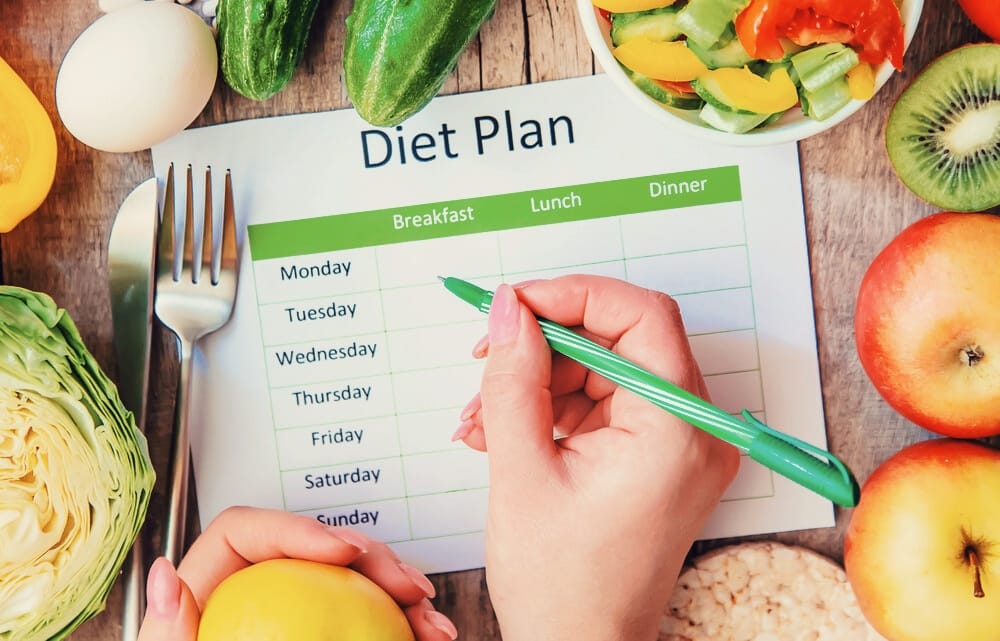

A familiar mixture of pressure and hope often greets the start of a new year. Many promise to change after weeks of holiday indulgence. Finding a plan that actually works for daily life is more difficult than finding motivation. In 2026, diet plans are shifting away from severe restrictions and toward long-term, scientifically based practices that can be sustained long after January.
2026 places more emphasis on balance, customization, and consistency than on drastic diets or unattainable detoxes. This guide explains how contemporary diet plans work, identifies important trends, and demonstrates how to develop a long-lasting strategy.
Why New Year's Diet Plans 2026 Look Different
Today's population is more knowledgeable, wary of quick fixes, and dedicated to putting long-term health first.
A Shift From Quick Fixes to Daily Habits
Rapid weight loss was the focus of earlier plans, which frequently resulted in burnout and rebound weight gain. 2026 diet plans for the new year emphasize:
- Steady fat loss
- Improved energy levels
- Better digestion and sleep
- Mental clarity
The goal is progress, not punishment.
Personalization Is No Longer Optional
The need for one-size-fits-all diets is diminishing. Contemporary plans take into account:
- Age and gender
- Activity level
- Food preferences
- Medical conditions
Maintaining a diet is much simpler with this customized approach.
Core Principles of New Year Diet Plans 2026
It's crucial to comprehend the fundamental ideas that the majority of experts now concur upon before choosing any particular plan.
Balanced Macronutrients Matter
Healthy eating in 2026 focuses on balance rather than elimination.
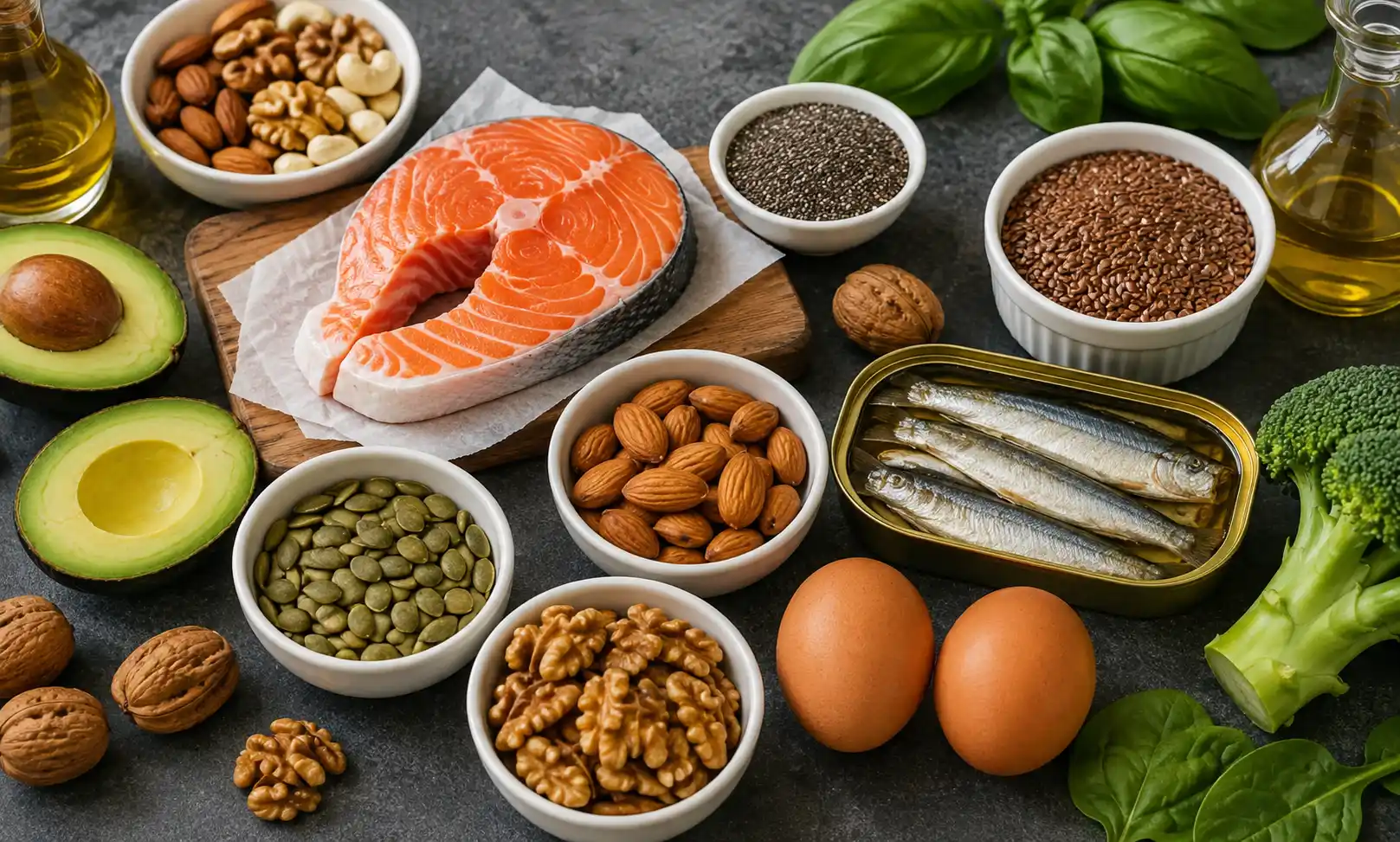
- Proteins for muscle repair and satiety
- Healthy fats for hormones and brain health
- Complex carbohydrates for steady energy
Unless there is a medical necessity, it is generally discouraged to eliminate entire food groups.
Calorie Awareness Without Obsession
Not everyone needs to count every calorie. A lot of 2026 New Year's diet plans highlight:
- Portion control
- Mindful eating
- Hunger and fullness cues
This strategy supports weight management objectives while lowering eating-related stress.
Popular Diet Styles Gaining Attention in 2026
Everybody reacts differently. Because these methods are adaptable and supported by scientific data, they are becoming more and more popular.
Mediterranean-Inspired Eating
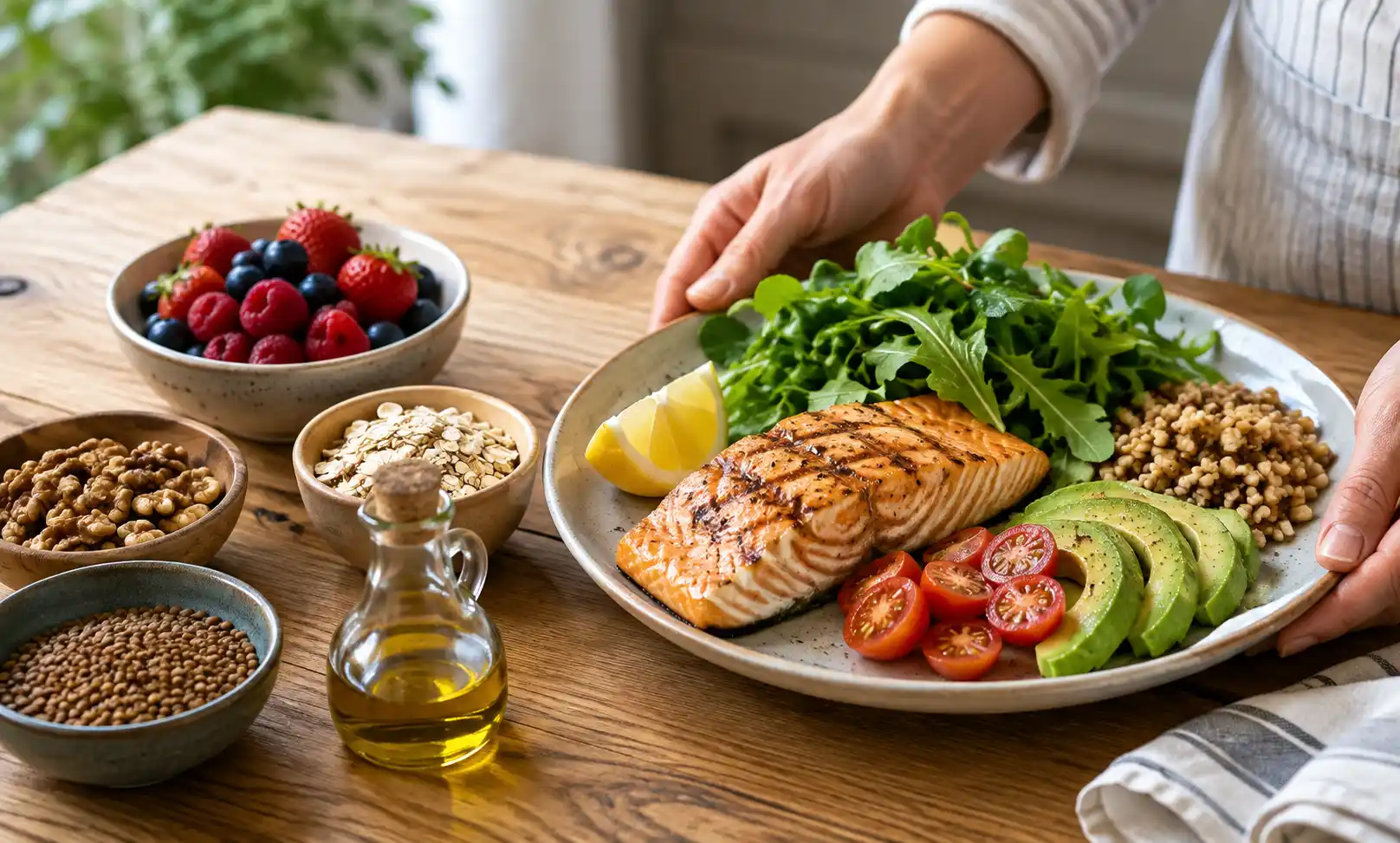
This style continues to dominate nutrition research.
Key features:
- Fruits and vegetables
- Whole grains
- Olive oil and nuts
- Fish and lean proteins
It increases longevity, helps control weight, and supports heart health.
High-Protein Flexible Diets
Both men and women continue to favor protein-focused diets.
Why they work:
- Reduce cravings
- Preserve muscle during weight loss
- Improve metabolic health
These plans still contain fats and carbohydrates, in contrast to rigorous bodybuilding diets.
Plant-Forward Diet Plans
Many people are increasing the number of plant-based meals in their diets, even though not everyone is going completely vegan.
Benefits include:
- Better gut health
- Lower inflammation
- Improved digestion
Plant-forward refers to meals that prioritize plants rather than being solely plant-based.
How to Build Your Own New Year's Diet Plan 2026
A well-thought-out structure is what really makes the difference; a celebrity diet is not necessary for success.
Step 1: Define a Realistic Goal
Instead of vague goals like “get fit,” try:
- Lose 0.5–1 kg per month
- Reduce sugar intake
- Improve energy and digestion
Clear goals guide better food choices.
Step 2: Plan Meals, Not Restrictions
Effective 2026 New Year's diet plans emphasize what you will eat over what you won't.
A simple daily structure:
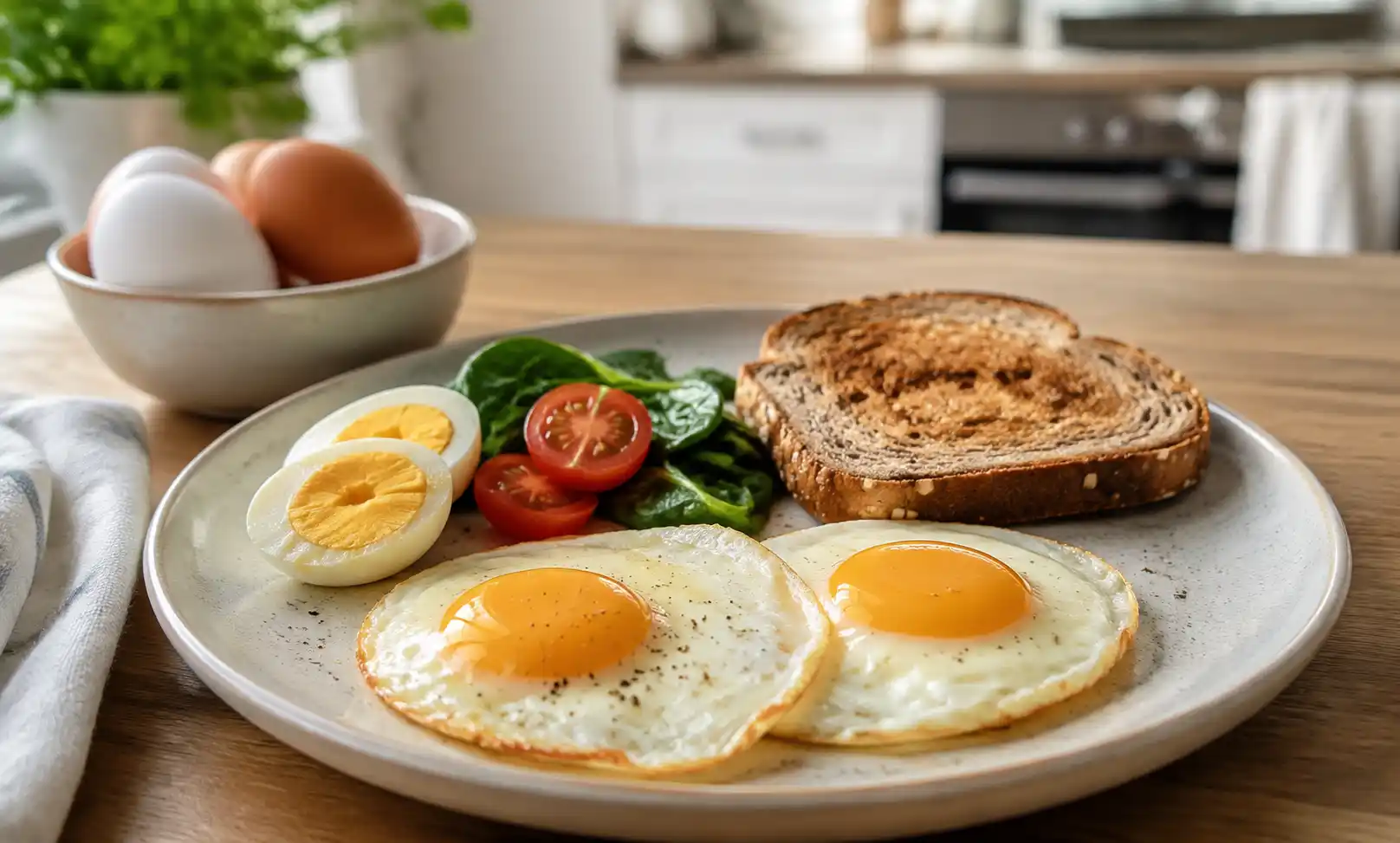
- Breakfast with protein and fiber
- Balanced lunch
- Light but satisfying dinner
- Planned snacks
This prevents impulsive eating.
Step 3: Make Room for Enjoyment
Eliminating favorite foods entirely frequently backfires:
- Follow the 80/20 rule
- Enjoy treats in moderation
- Avoid guilt-driven eating
Consistency matters more than perfection.
Common Mistakes to Avoid in 2026 Diet Planning
Even with the best of intentions, failure can result from common mistakes.
Skipping Meals
A slower metabolism and more intense cravings later in the day can result from skipping meals.
Overloading on “Healthy” Snacks
Nuts, granola bars, and smoothies can all be high in calories, so portion control is crucial.
Ignoring Hydration
Water improves energy, aids in digestion, and helps control hunger. A lot of people frequently mistake hunger for thirst.
Role of Lifestyle Alongside Diet
Food alone cannot do all the work.
Sleep and Stress Management
The hormones that regulate hunger are disrupted by sleep deprivation. Stress can cause you to overeat when you're not actually hungry. Any effective 2026 New Year's diet plan must consider daily routines.
Light Physical Activity
You don’t need intense workouts daily.
- Walking
- Stretching
- Strength training twice a week
Movement supports fat loss and mental health.
FAQs About New Year Diet Plans 2026
Are the new year diet plans 2026 suitable for beginners?
Indeed. The majority of current plans emphasize gradual changes rather than rigid regulations and are simple for newcomers to follow.
How long before results are visible?
After two weeks, the majority of people experience improved digestion and increased energy. It usually takes four to six weeks for physical changes to manifest.
Do I need supplements?
The majority of your diet should consist of whole foods. Supplements are not required and should only be taken when certain nutrients are specifically needed.
Can I follow these plans with a busy schedule?
Easy recipes and meal preparation are important components of many people's 2026 New Year's diet plans.
Is weight loss the only goal of these plans?
First and foremost, significant outcomes include improved health indicators, increased vitality, and mental clarity.
Making better food choices at the beginning of the year can significantly alter your daily life in addition to your weight. These 2026 New Year's diet plans become something you can stick to rather than just try for a short while when they are based on balance, individual needs, and genuine habits.

Comments ( 0)
Leave a Comment
No comments yet. Be the first to comment!