

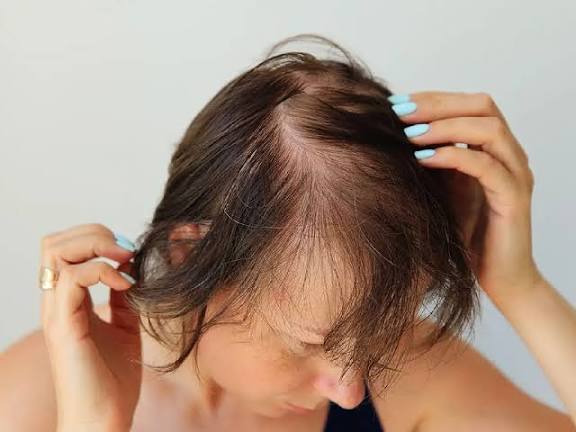

Hair loss is a widespread health and cosmetic issue affecting men and women at different stages of life. Although genetics is a primary factor, other causes such as stress, hormonal imbalances, nutritional deficiencies, autoimmune disorders, and aging also contribute significantly. Advances in dermatology, trichology, and clinical research have led to safe and effective treatments for hair loss in both men and women, delivering long-lasting results with minimal risks.
Maintaining a healthy scalp, following a balanced diet, and seeking early diagnosis are crucial to slowing hair loss and enhancing hair density. Many individuals hesitate to seek clinical help until thinning becomes pronounced, but experts stress that starting treatment early leads to better results. Contemporary hair loss treatments for men and scientifically validated treatments for women aim to restore follicle health, stimulate new growth, and prevent further thinning of hair strands.
Why Hair Loss Happens
The main cause of hair loss is androgenetic alopecia, commonly known as male or female pattern baldness. Other factors that can trigger hair loss include postpartum hormonal changes, thyroid disorders, vitamin D and iron deficiencies, medication side effects, and chronic inflammation. Dermatologists emphasize that effective hair loss treatment for both men and women should start with a thorough diagnosis, including scalp examination, blood tests, and ideally dermoscopy imaging. Without pinpointing the underlying causes, managing hair loss is difficult.

Medically Approved Treatments
1. Minoxidil Topical & Oral Options
This approach remains a primary solution in hair loss treatment for men and is clinically supported for women. It enhances blood flow to the hair follicles, prolongs the growth phase, and promotes thicker hair regrowth. Dermatologists advise consistent use for 3 to 6 months to achieve a noticeable reduction in hair loss.
2. Finasteride & Dutasteride
A key component in hair loss treatment for men is finasteride, which blocks DHT—the hormone responsible for follicle miniaturization. For women, finasteride is prescribed selectively by specialists, mainly after menopause, due to hormonal safety concerns.
3. PRP (Platelet-Rich Plasma Therapy)
PRP therapy utilizes a concentrated platelet solution derived from the patient’s own blood to stimulate hair follicles, reduce inflammation, and enhance hair density. Leading trichologists recommend PRP as a supportive treatment for both men and women, promoting natural cellular repair and regeneration in hair loss management.
4. Low-Level Laser Therapy (LLLT)
Laser devices enhance microcirculation and follicular metabolism. When used alongside topical treatments, they amplify the effectiveness of hair loss treatment for men and responsive hair loss treatment for women.
5. Hair Transplant Surgery
Modern techniques such as FUE and DHI transplant healthy hair follicles into thinning areas. These methods are commonly preferred in advanced hair loss treatment for men and are increasingly being considered for appropriate cases in women’s hair loss treatment.
Nutrition & Lifestyle Support
A balanced intake of vitamins, omega-3 fatty acids, iron, biotin, zinc, and amino acids has been proven to support hair regrowth. Additionally, managing stress, improving sleep, and maintaining thyroid health help reduce hair loss. Clinical nutritionists recommend combining proper nutrition with medical treatments to enhance the success of hair loss therapies for both men and women over the long term.
When to See a Dermatologist
Any rapid shedding, sudden bald patches, itching, scaling, or hair thinning persisting for more than three months warrants medical evaluation. Dermatologists stress the importance of clinical follow-up every 90 days, particularly during hair loss treatment for men and structured hair loss treatment for women, to ensure therapies are safe, evidence-based, and effective. The ultimate goal is not just to halt hair loss but to restore sustained follicular activity.
FAQs
1. Is hair loss reversible?
Absolutely, especially when diagnosed early. With appropriate hair loss treatment for men and targeted treatment for women, hair regrowth is achievable.
2. How soon will I see improvement?
Most patients receiving hair loss treatment for men and medical hair loss treatment for women observe a reduction in shedding within 8 to 12 weeks.
3. Can diet alone stop hair loss?
While diet supports hair follicles, it cannot always reverse genetic thinning. The best results come from combining proper nutrition with hair loss treatment for men or clinically guided treatment for women.
4. Are treatments safe for lifelong use?
Modern dermatological protocols ensure that both hair loss treatment for men and advanced hair loss treatment for women are medically supervised and safe.
5. Does stress cause permanent hair loss?
Chronic stress can lead to hair shedding, but timely hair loss treatment for men and hormone-balanced treatment plans for women can effectively reverse this condition.




Comments ( 0)
Leave a Comment
No comments yet. Be the first to comment!