



Fasting no longer serves the same purpose as it did in the past as a religious ritual or a means of survival. It is currently one of the most widely used health strategies in the world. Fasting diets are being adopted by people from all walks of life, including fitness enthusiasts and busy professionals, in order to reduce weight, increase metabolism, and simplify their eating schedules. The flexibility of fasting—focusing on when you eat rather than what you eat—is its main selling point. Millions of people now manage their diets and strive for long-term wellness thanks to this simple adjustment.
You will discover how fasting works, why it's a successful dietary strategy, and how to choose an intermittent fasting schedule that works for your body and way of life in this thorough guide.
What Is Fasting and Why Does It Work
Fasting is the deliberate avoidance of food for a predetermined amount of time. The body switches from using glucose as its main energy source to burning stored fat during these fasting hours. We refer to this change as metabolic switching.
Fasting does not necessitate strict daily calorie restriction, in contrast to crash diets. Rather, it limits the times you eat, which naturally regulates your calorie intake and makes it easier to sustain over time.
Key physiological changes during fasting include:
* Reduced insulin levels
* Improved fat oxidation
* Enhanced cellular repair
* Better appetite control
These modifications contribute to the explanation of why fasting is linked to increased energy, better blood sugar regulation, and weight loss.
Understanding the Fasting Diet Concept
Timing is more important in a fasting diet than deprivation. You fast for the rest of the day and eat regular meals during your allotted eating window.
How a Fasting Diet Differs from Traditional Diets
Traditional diets often fail because they:
* Restrict food groups
* Require constant meal planning
* Create mental fatigue
By cutting back on meals, minimizing snacking, and providing regular rest periods for your digestive system, a fasting diet simplifies your routine.
This approach supports:
* Sustainable fat loss
* Hormonal balance
* Better digestion
Intermittent Fasting Schedule Options Explained
The most common fasting technique at the moment is intermittent fasting, which is defined by a planned cycle of eating and fasting times.
16:8 Intermittent Fasting Schedule
The easiest intermittent fasting schedule for beginners is this one.
* Fast for 16 hours
* Eat within an 8-hour window
Example:
* Eating window: 12 PM to 8 PM
* Fasting window: 8 PM to 12 PM next day
This plan encourages gradual, long-term weight loss and is ideal for office workers.
14:10 Schedule for Beginners
Ideal for those new to fasting.
* Fast for 14 hours
* Eat for 10 hours
By allowing the body to gradually adapt, this fasting diet variation reduces stress.
18:6 Intermittent Fasting Schedule
More advanced and effective for fat loss.
* Fast for 18 hours
* Eat within 6 hours
This regimen increases fat burning, but it necessitates eating balanced meals and drinking plenty of water.
5:2 Fasting Method
You eat normally for five days and restrict your calorie intake on two non-consecutive days instead of fasting every day.
For people who would rather have a flexible approach than a rigid daily schedule, this approach is perfect.
What to Eat During a Fasting Diet
The quality of what you eat during your eating window is crucial; fasting does not give you permission to eat poorly.
Best Foods for a Fasting Diet
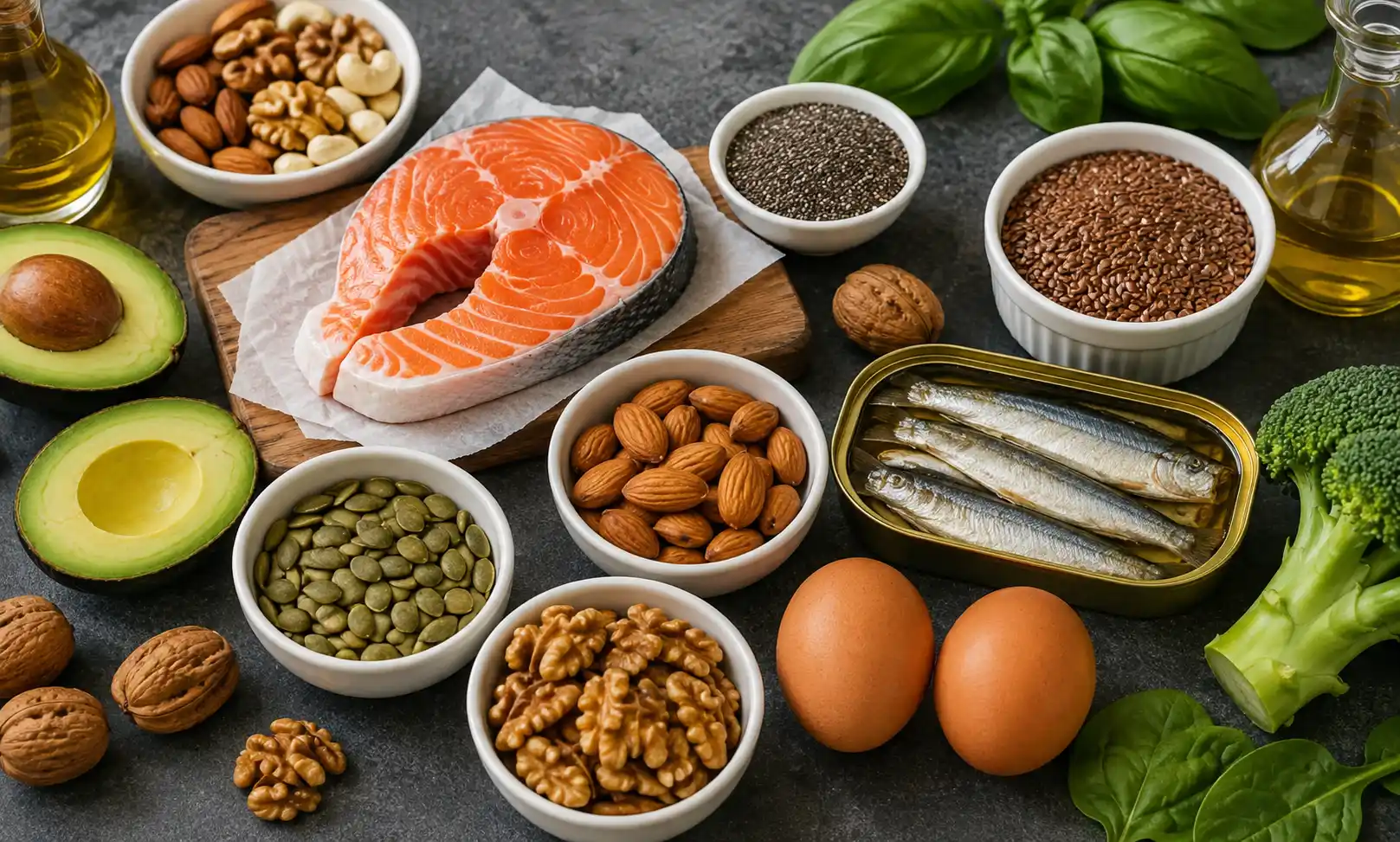
* Lean proteins (eggs, fish, chicken)
* Healthy fats (olive oil, nuts, seeds)
* Fiber-rich vegetables
* Whole grains in moderation
These foods support blood sugar regulation and help you feel full.
What to Avoid
* Sugary drinks
* Refined carbs
* Ultra-processed snacks
The advantages of fasting may be compromised by unhealthy food choices.
Common Benefits of Fasting Backed by Science
There are advantages to maintaining a regular fasting schedule that go beyond weight loss.
Improved Metabolism
By improving insulin sensitivity, fasting helps the body use energy more efficiently.
Fat Loss Without Muscle Loss
When combined with an adequate protein intake, a fasting diet aids in maintaining lean muscle mass.
Better Digestive Health
Your digestive system can rest when you fast, which reduces discomfort and bloating.
Mental Clarity
Because their energy levels are more stable during fasting, many people report improved focus.
Who Should Be Careful with Fasting
Although it may not be appropriate for everyone, fasting can be beneficial.
A medical expert should be consulted if you:
* Are pregnant or breastfeeding
* Have diabetes or blood sugar disorders
* Have a history of eating disorders
* Take medications requiring regular meals
A safe fasting diet requires customization.
How to Start an Intermittent Fasting Schedule Safely
Starting slowly increases success.
Step-by-Step Approach
1. Begin with a 12-hour fast
2. Gradually increase fasting duration
3. Stay hydrated with water and electrolytes
4. Eat balanced meals during eating windows
5. Sleep well to support recovery
Consistency matters more than intensity.
Common Mistakes People Make While Fasting
Avoid these errors to protect your health.
* Skipping protein intake
* Overeating during eating windows
* Ignoring hydration
* Choosing an aggressive fasting schedule too early
A fasting diet ought to be manageable and not excessive.
FAQs About Fasting and Intermittent Fasting Schedule
Is fasting safe for long-term use?
Yes, healthy adults can sustain a balanced fasting diet with sufficient nutrition over the long term if done correctly.
Can I drink coffee or tea while fasting?
Indeed, since they don't break the fast, black coffee, green tea, and plain water are allowed during fasting hours.
How long does it take to see results from fasting?
While significant weight loss may happen in two to four weeks, most people notice changes in energy and appetite within a week.
Does intermittent fasting slow metabolism?
No, brief fasting can improve calorie efficiency and promote metabolic health.
Can I exercise during fasting?
While strength training is best done during eating windows to aid in recovery, light to moderate exercise is safe to do while fasting.
Choosing the Right Fasting Strategy for Your Lifestyle
There isn't a single fasting guideline that works for everyone. Maintaining a consistent intermittent fasting schedule is the most beneficial. A well-thought-out fasting plan takes into account your daily schedule, professional obligations, and health goals.
When fasting is done with awareness, it becomes less of a restriction and more about balance, control, and long-term health advantages.



Comments ( 0)
Leave a Comment
No comments yet. Be the first to comment!