
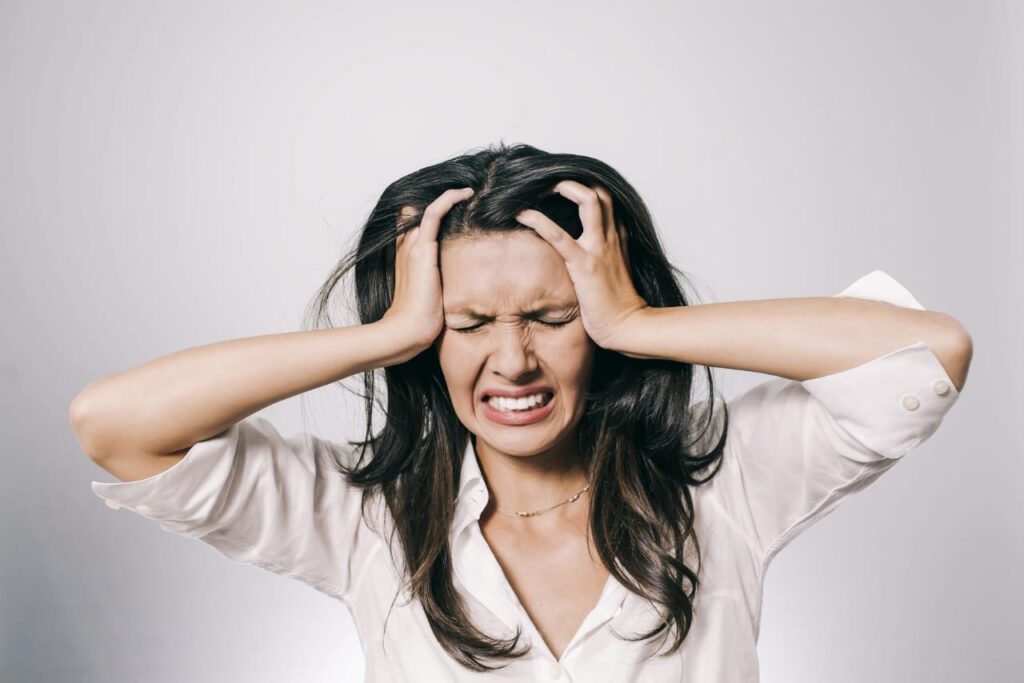
If you’ve ever experienced your heart racing without an obvious cause or felt a sudden surge of fear in an everyday situation, you’re not alone. Millions of people worldwide experience anxiety symptoms, yet many struggle to distinguish between normal worry and an anxiety disorder that requires professional attention. When anxiety becomes persistent, overwhelming, and disrupts your work, sleep, or relationships, it’s a clear sign that structured treatment is necessary rather than relying solely on self-management.
Understanding Anxiety Symptoms Beyond Everyday Stress
Anxiety isn’t always obvious. It can quietly manifest through routine behaviors, emotional withdrawal, or unexplained physical sensations. While occasional worry is normal, persistent anxiety symptoms suggest a disruption in the brain’s stress response system.
Common Physical Symptoms
- Tight chest or difficulty breathing
- Sudden heart palpitations or rapid heartbeat
- Constant fatigue despite rest
- Sweating without exertion
- Trembling hands or muscle tension
- Dizziness or gastrointestinal discomfort
Behavioral and Emotional Symptoms
- Persistent overthinking
- Fear of worst-case outcomes
- Avoiding social spaces
- Unexpected irritability
- Feeling detached from reality
- Restless sleep cycles
Many people describe anxiety as a “silent alarm system” that remains constantly active, even when life seems calm.
When Anxiety Turns Into Anxiety Disorder
Anxiety is classified as an anxiety disorder when symptoms are intense, persistent, and interfere with daily life. It is not a sign of weakness, a personality flaw, or a lack of willpower. Rather, it is a clinical condition influenced by the nervous system, genetics, lifestyle factors, and environmental triggers.
Types of Anxiety Disorders
1. Generalized Anxiety Disorder (GAD)
A constant state of tension and anticipation of danger, even when no immediate threats are present.
2. Panic Disorder
Sudden panic attacks are marked by intense physical discomfort, overwhelming fear of dying, or fear of losing control.
3. Social Anxiety Disorder
Fear focused on social interactions, being judged, or performing in front of others.
4. Specific Phobia
Intense and excessive fear triggered by specific objects, places, animals, or situations.
5. Health Anxiety
Persistent worry about illness, symptoms, and medical outcomes, even after receiving reassurance.
6. OCD and PTSD Linked Anxiety
Although clinically distinct, both involve anxiety-driven thought loops that perpetuate fear and heightened vigilance.
How Anxiety Symptoms Affect the Brain and Body
Chronic anxiety changes the brain’s perception of safety. The amygdala becomes overactive, triggering danger signals in neutral situations, while cortisol levels stay elevated. This ongoing fight-or-flight response slows digestion, disrupts sleep hormones, and lowers emotional resilience, causing even simple tasks to feel overwhelming.
Silent Internal Effects
- Inflammation spikes
- Memory and focus decline
- Hormonal shifts affect appetite
- Blood pressure may rise
Without structured anxiety treatment, the brain’s stress response can rewire itself into a persistent cycle, making recovery increasingly difficult over time.
Evidence-Based Anxiety Treatment Options
Effective anxiety treatment is not one-size-fits-all. The best results come from a combination of therapy, lifestyle changes, and, in some cases, medication.
1. Cognitive Behavioral Therapy (CBT)
It works by reshaping thought patterns that activate physiological fear responses.
2. Exposure Therapy
Gradual desensitization to triggers, allowing the brain to relearn a sense of safety.
3. Mindfulness-Based Stress Reduction
Regulates breathing, lowers adrenaline surges, and enhances emotional resilience.
4. Medication (When Required)
Prescribed by a qualified clinician to stabilize severe symptoms:
- SSRIs
- SNRIs
- Beta blockers (for physical anxiety episodes)
Medication should only be started or stopped under medical supervision.
Lifestyle Techniques That Strengthen Recovery
Breathing Regulation
Slow diaphragmatic breathing helps reduce heart rate irregularities and soothes the nervous system.
Sleep and Light Control
Limiting blue light before bedtime, maintaining a regular circadian rhythm, and practicing good sleep hygiene help reduce nighttime anxiety spikes.
Nutritional Support
Magnesium, omega-3 fatty acids, and consistent glucose intake support neurotransmitter balance. It’s best to avoid sudden caffeine surges and artificial stimulants.
Movement
Walking, swimming, stretching, and yoga help reduce cortisol levels and balance the body’s adrenaline cycles.
Why Ignoring Anxiety Symptoms Isn’t Harmless
Ignoring symptoms only teaches the nervous system to stay in a state of alert. Putting off care leads to:
- Relationship conflicts
- Declining work performance
- Emotional burnout
- Addictive coping patterns
Early detection and expert help stop mild anxiety from getting worse and turning into a full-blown anxiety disorder.
FAQs
What is the difference between normal stress and anxiety disorder?
Stress goes away when a problem is fixed. But with an anxiety disorder, feelings of worry don’t go away even when things are safe and quiet.
Can anxiety cause physical health complications?
Yes, long-term anxiety can impact how the stomach works, how the heart reacts, how well someone sleeps, and how strong the immune system is.
Do anxiety symptoms go away on their own?
Mild symptoms may not need much, but when anxiety is diagnosed by a doctor, it usually needs a planned treatment to help the body learn to respond differently.
Is medication always necessary?
No, but it can be helpful for serious cases when done properly.
Can lifestyle changes replace therapy?
They help with recovery but aren’t a replacement for professional treatment in moderate to advanced cases.
If anxiety is always there instead of just coming and going, paying attention to your body and getting help from a professional is the best and kindest thing you can do.