
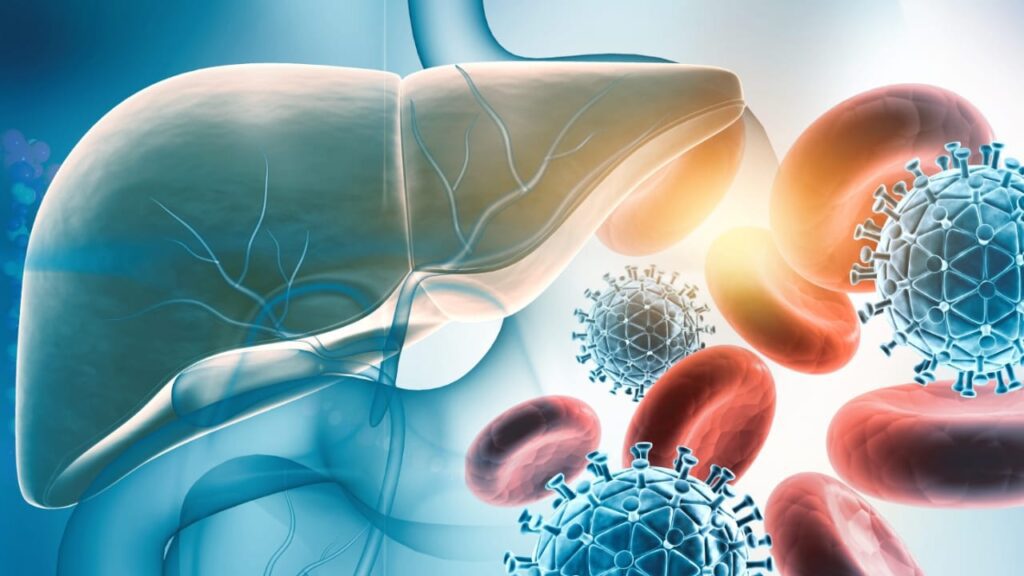
Hepatitis B is more than just a liver infection—it requires awareness, timely testing, and consistent self-care. If you’ve recently encountered the term from a doctor or online research, you may be wondering whether you need a hepatitis B test, what treatment options are available, and how to protect your liver for the long term. In brief, hepatitis B is preventable, manageable, and usually treatable when caught early. The real risk comes from ignoring symptoms, postponing
Understanding Hepatitis B: What Exactly Happens Inside the Liver?
Hepatitis B is caused by the hepatitis B virus (HBV), which attacks liver cells and can cause inflammation, scarring, or even cirrhosis in its chronic form. Many people carry the virus silently for years without showing any symptoms.
Key Transmission Routes
- Blood contact
- Unprotected sexual contact
- Infected needles or tattoo tools
- Mother-to-child during delivery
This infection is not transmitted through hugging, sharing food, coughing, or casual contact. However, due to its often silent nature, many people only find out they have it through routine screening or when symptoms start to impact their daily lives.
When Should You Get a Hepatitis B Test?
Getting tested early is the smartest and most proactive step you can take if you suspect you’ve been exposed to hepatitis B.
Consider testing if you:
- Had unprotected intercourse recently
- Share personal items such as razors or toothbrushes
- Work in healthcare or blood handling environments
- Have an infected partner
- Experiencing unexplained fatigue, yellowing skin, or a swollen abdomen
A hepatitis B test typically includes:
- HBsAg (Hepatitis B surface antigen): checks active infection
- Anti-HBs: determines immunity
- HBV DNA: measures viral load
- Liver enzyme test (ALT, AST): evaluates liver damage
Getting tested isn’t about panic—it’s about gaining clarity. The sooner you know your status, the sooner you can make informed and effective treatment decisions.
Hepatitis B Treatment: What Doctors Commonly Recommend
Treatment varies based on whether the infection is acute (short-term) or chronic (long-term). While not every case needs antiviral medication, all cases require regular monitoring.

Acute Hepatitis B
Most acute cases resolve naturally as the immune system clears the virus. During this time, rest, proper nutrition, and liver support are essential. Doctors typically focus on:
- Hydration
- Restorative diet
- Avoiding alcohol completely
Chronic Hepatitis B
When the virus persists beyond six months, the infection becomes chronic. This is when structured hepatitis B treatment becomes necessary.
Standard treatment options:
- Antiviral medications (tenofovir, entecavir)
- Immune system boosters (interferon injections)
- Routine liver monitoring through blood work and ultrasound
The goal is not only to suppress viral activity but also to prevent liver scarring, reduce cancer risks, and avoid long-term immune complications. Chronic hepatitis B typically requires lifelong monitoring, regardless of whether medication is being taken continuously or temporarily paused.
Hepatitis B Self-Care: Protecting Your Liver Every Day
Medical care is most effective when combined with daily lifestyle choices that support liver health.
Smart Eating Choices
- Lean proteins like fish and legumes
- Fresh vegetables and fiber-rich foods
- Avoid processed oil-heavy meals
A liver-healing diet doesn’t have to be complicated; it simply means avoiding excessive toxins and unhealthy fats that can burden the liver.
Avoid Harmful Liver Triggers
- Alcohol
- Steroid supplements
- Excess painkillers or self-medicated drugs
Hydration Matters
Drinking water helps your body flush out toxins and supports liver function. Herbal teas such as dandelion or milk thistle are commonly mentioned for liver health, but you should only use them with your doctor’s approval.
Stress Management
Living with hepatitis B can be emotionally challenging. Gentle activities like yoga, outdoor walking, and deep breathing exercises can help reduce overall inflammation and ease emotional stress.
Vaccination for Loved Ones
Even if you’re diagnosed with hepatitis B, those in your household can stay safe. The hepatitis B vaccine offers strong, long-lasting protection.
How Lifestyle Supports Medication During Hepatitis B Treatment
Medication helps control the viral load, while a healthy lifestyle protects liver cells from additional stress. Together, they make liver healing a realistic goal. Rest, gentle exercise, proper hydration, and regular medical check-ups create a strong, long-term defense.
Regular Checkups
- Viral load monitoring
- Liver enzyme evaluations
- Ultrasound scans
Neglecting follow-up care often leads to poor outcomes. Those who stay vigilant with testing and monitoring are more likely to prevent serious complications.
Common Myths and Truths About Hepatitis B
| Myth | Truth |
| Hepatitis B always shows symptoms | Many carry it silently |
| Once infected, life is ruined | Most live full lives with proper care |
| It spreads like the flu | It spreads only through blood & body fluids |
| Herbal cures replace treatment | None replaces medical supervision |
Misconceptions delay testing and complicate treatment. Accurate facts are part of self-care, too.
Lifestyle Habits to Avoid With Hepatitis B
- Alcohol in any amount
- Street drugs
- Unregulated supplements claiming “liver cleansing.”
- Heavy gym supplements without medical review
- Skipping follow-up visits after symptoms have reduced
The liver is silent until damage becomes severe, so don’t wait for discomfort before acting.
FAQs
Is hepatitis B curable?
While chronic hepatitis B isn’t fully curable yet, effective viral suppression through treatment makes living a normal life entirely possible.
Can I live normally with hepatitis B?
Exactly—regular monitoring, safe lifestyle choices, and doctor-guided treatment are key to managing hepatitis B effectively.
How often should I take a hepatitis B test?
Typically, chronic hepatitis B patients should have follow-up appointments every 6 to 12 months, or sooner if symptoms change.
Can hepatitis B spread through food?
Correct. Sharing meals or utensils does not transmit the hepatitis B virus.
Do I need lifelong treatment?
That’s right. Some people need continuous antiviral treatment, while others only require regular monitoring.
If you approach hepatitis B with clarity, early testing, and consistent self-care, the condition becomes manageable rather than overwhelming. Trust the process, follow medical advice, and build daily habits that support liver strength without stress or panic.
Would you like me to create a patient-friendly checklist for diet, medication reminders, and doctor visits to support long-term hepatitis B self-care?