
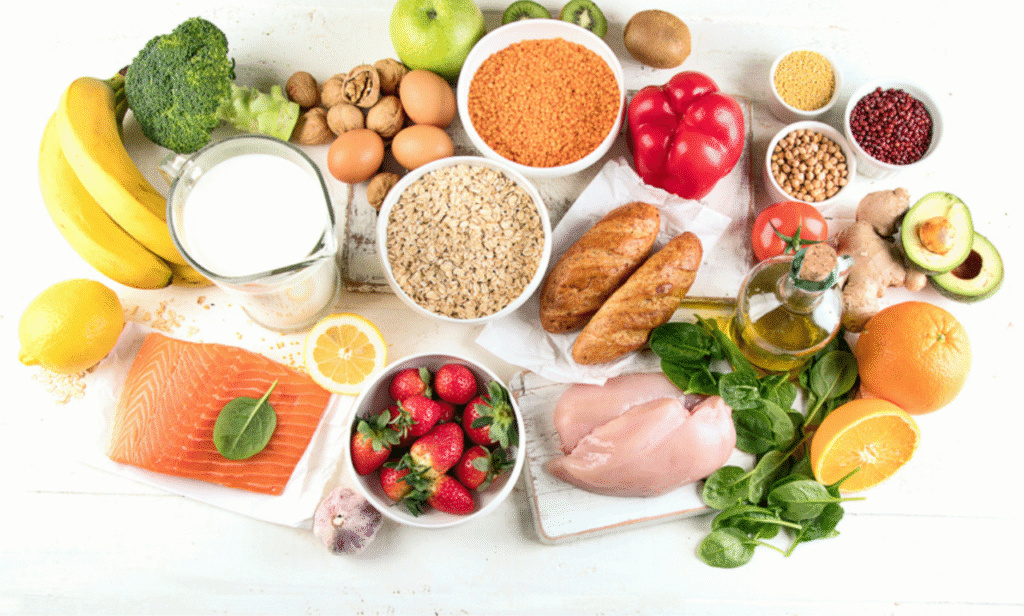
Navigating the Path to Heart Health Beyond Medication
The conversation around cholesterol management is often dominated by one word: statins. These medications are a cornerstone of modern cardiology and have proven, life-saving benefits for millions. However, for many individuals, the journey to better heart health begins long before a prescription is written. It starts on the plate. There is a growing and scientifically backed interest in how dietary choices can powerfully influence cholesterol profiles. According to leading heart specialists, certain foods contain compounds so effective that they function in a way comparable to some medications, offering a natural first line of defense. Understanding this can empower you to take proactive, nutritional steps toward protecting your cardiovascular system.
Understanding the Cholesterol Puzzle: LDL vs. HDL
To appreciate how food can be a tool for change, we must first understand what we are managing. Cholesterol itself isn’t the villain it’s often made out to be. This waxy, fat-like substance is essential for building cells and producing hormones. The critical issue arises from the type of cholesterol and its transportation system. Think of your bloodstream as a highway. Low-Density Lipoprotein (LDL) is the “bad” cholesterol because it acts like a reckless delivery truck, dropping off cholesterol particles that can stick to artery walls, forming hard plaques. This narrows the passageways, forcing the heart to work harder and increasing the risk of blockages that lead to heart attacks and strokes. High-Density Lipoprotein (HDL), the “good” cholesterol, is the cleanup crew. It travels the same highway, collecting excess cholesterol and transporting it back to the liver for disposal. The goal of any cholesterol-management strategy, whether dietary or pharmaceutical, is simple: reduce the number of problematic LDL trucks and support the efficient HDL cleanup fleet.
The Dietary Powerhouse: How Soluble Fiber Acts as a Natural Scavenger
One of the most effective dietary strategies for lowering LDL cholesterol involves increasing your intake of a specific type of fiber: soluble fiber. Unlike insoluble fiber, which adds bulk to stool, soluble fiber dissolves in water to form a gel-like substance in the digestive tract. This gel plays a crucial role in cholesterol management. As it moves through your intestines, it binds to cholesterol molecules, specifically those from the bile that your liver produces to aid digestion. Instead of allowing this cholesterol to be reabsorbed into your bloodstream, the soluble fiber gel escorts it out of the body as waste. In response, the liver must draw more cholesterol from the blood to produce new bile, thereby effectively lowering your circulating LDL levels. This mechanism is a direct, physical removal process that doesn’t rely on drugs, but on a fundamental component of whole foods.
Your First Cholesterol-Lowering Champion: Oats and Barley
When it comes to soluble fiber, few foods are as potent and accessible as oats and barley. A staple breakfast for many, oats are rich in a specific type of soluble fiber called beta-glucan. Decades of research have solidified the cholesterol-lowering credentials of beta-glucan. For instance, a comprehensive review of studies published in the American Journal of Clinical Nutrition concluded that consuming just 3 grams of oat beta-glucan daily can reduce LDL cholesterol by 5-7%. This may seem small, but from a population health perspective, it’s a significant impact. To put that into perspective, you can find about 3 grams of beta-glucan in a bowl of oatmeal made from one cup of dry oats. The beauty of this approach is its simplicity. Starting your day with a bowl of oatmeal is a practical and sustainable habit. Barley is another excellent, though sometimes overlooked, source of beta-glucan and can be a wonderful addition to soups, stews, and salads.
The Mechanism: A Closer Look at How Beta-Glucan Works
The process by which beta-glucan from oats and barley lowers cholesterol is a perfect example of nutritional science in action. After you eat oatmeal, the beta-glucan dissolves and forms a thick gel in your small intestine. This gel interacts directly with the bile acids that are rich in cholesterol. Because these bile acids are trapped by the viscous beta-glucan gel, they are excreted from the body. Your liver, which constantly monitors the body’s bile acid levels, then senses this loss. To compensate, it upregulates the production of new bile acids. What is the primary raw material for bile acid synthesis? Cholesterol. The liver pulls LDL cholesterol from the bloodstream to fuel this production line. This increased demand for cholesterol from the blood is what leads to a measurable drop in your LDL levels. It’s a seamless, natural feedback loop that your body performs when given the right tools.
Your Second Cholesterol-Lowering Champion: The Mighty Almond
The second food that stands out for its cholesterol-managing prowess is the almond. While many nuts are heart-healthy, almonds have a particularly strong evidence base. Their power comes from a multi-pronged attack. First, they are packed with unsaturated fats—the same kind of healthy fats found in olive oil. These monounsaturated and polyunsaturated fats help lower LDL cholesterol while maintaining or even slightly raising HDL, the “good” cholesterol. Second, almonds are a good source of plant sterols. These are natural compounds that have a structure similar to cholesterol. When you consume plant sterols, they compete with dietary cholesterol for absorption in the intestines. Essentially, they block the absorption of some of the real cholesterol, which is then passed out of the body. A study involving adults with high cholesterol found that consuming a handful of almonds daily significantly reduced LDL levels compared to a control group.
Beyond Fat and Fiber: The Supporting Cast in Nuts
The benefits of almonds extend beyond their healthy fats and plant sterols. They are also a good source of fiber, including some soluble fiber, which complements the mechanism described earlier. Furthermore, almonds are rich in antioxidants like vitamin E. Why does this matter for cholesterol? When LDL cholesterol becomes oxidized, it is more likely to become embedded in the artery walls, triggering inflammation and plaque formation. The antioxidants in almonds help protect LDL particles from this damaging oxidation, adding another layer of cardiovascular protection. This combination of actions—blocking absorption, providing healthy fats, and preventing oxidation—makes almonds a true nutritional powerhouse in the fight against high cholesterol. A small handful (about 23 almonds) per day is a sufficient serving to reap these benefits without overconsuming calories.
Integrating These Foods into a Sustainable Eating Pattern
Knowing which foods to eat is one thing; incorporating them consistently into your life is another. The key is to think in terms of addition and substitution, not deprivation. For oats, consider moving beyond the breakfast bowl. Oats can be blended into smoothies to add thickness, used as a breadcrumb substitute in meatloaf, or baked into healthy snacks. For almonds, keep a small container at your desk for a midday snack instead of reaching for a processed alternative. Slice them and add to yogurt, salads, or vegetable side dishes. Almond flour can also be used in baking for a nutrient-dense alternative to refined white flour. The goal is to make these foods a regular and enjoyable part of your overall diet, which should also be rich in other fruits, vegetables, and lean proteins.
The Synergistic Effect of a Heart-Healthy Lifestyle
While focusing on oats and almonds is powerful, their impact is magnified within the context of a holistic heart-healthy lifestyle. No single food is a magic bullet. Regular physical activity, even brisk walking for 30 minutes most days, can help raise HDL cholesterol. Replacing saturated fats (found in red meat and full-fat dairy) with unsaturated fats (found in olive oil, avocados, and nuts) is another critical step. Reducing intake of processed foods, which are often high in trans fats and refined sugars, also helps manage cholesterol and overall inflammation. Think of oats and almonds as two key players on a larger team dedicated to your heart’s health. When the entire team works together, the results are far greater than the sum of its parts.
A Cardiologist’s Perspective on Food as Medicine
Many cardiologists now emphasize the profound role of diet, often viewing it as a foundational form of medicine. While they unequivocally state that statins are essential and life-saving for many patients, particularly those with established heart disease or very high risk, they also recognize the power of prevention. For individuals with borderline high cholesterol or those who are statin-intolerant, a targeted dietary approach can be a game-changer. As one cardiologist might explain, “We have robust clinical evidence showing that a diet rich in specific foods like oats and almonds can produce a significant reduction in LDL cholesterol. For some, this can be enough to avoid medication; for others, it’s a perfect complementary strategy that allows for a lower medication dose.” This “food as medicine” philosophy empowers patients to take an active role in their health.
Understanding the Comparison: Food vs. Prescription Statins
It is crucial to approach the “works like statins” headline with a nuanced understanding. Statins are pharmaceutical agents that work by inhibiting an enzyme in the liver called HMG-CoA reductase, which is responsible for producing cholesterol. This is a potent and direct biochemical intervention. Foods like oats and almonds work through different, more indirect mechanisms, such as binding cholesterol in the gut or blocking its absorption. The effect size from diet, while significant, is generally more modest than that achieved with a prescribed statin dose. Therefore, you should never discontinue or change a prescribed medication without consulting your doctor. Think of these foods not as a replacement, but as a powerful, natural, and synergistic component of your overall heart health strategy, worthy of a permanent place on your plate.